Sell Closing Property For Money In Florida
Description

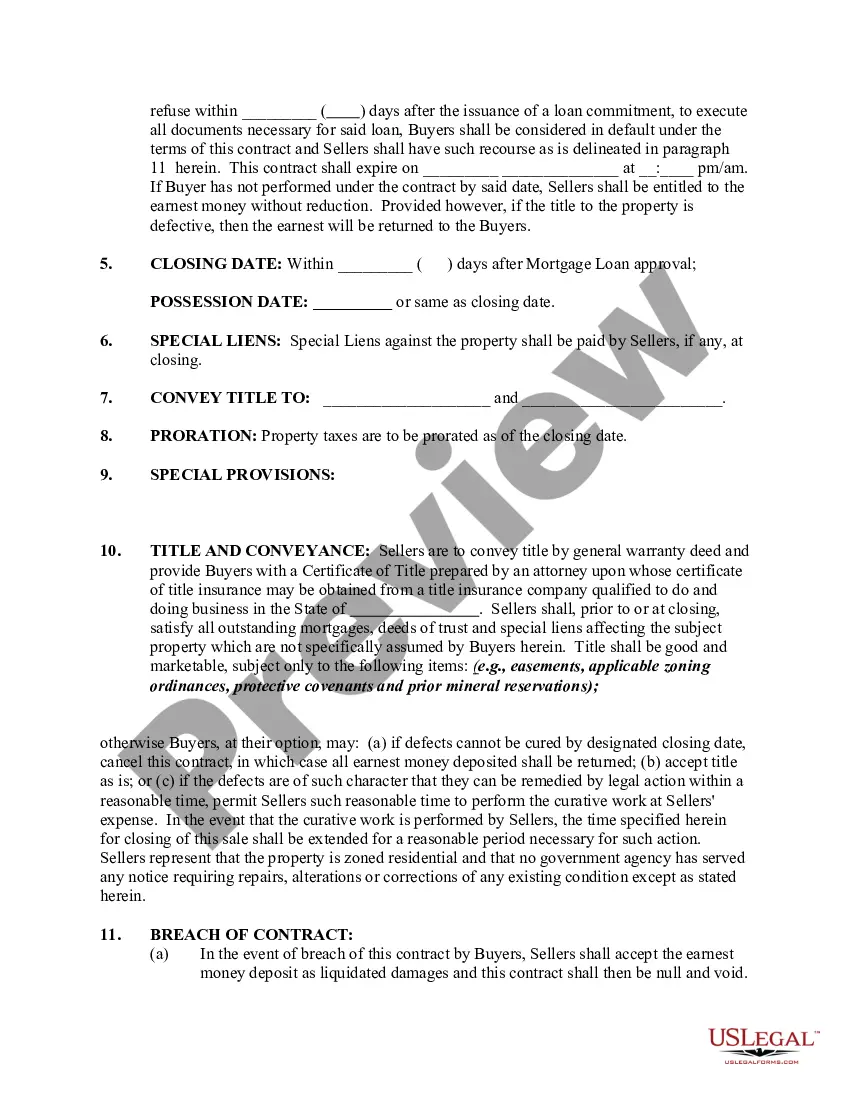
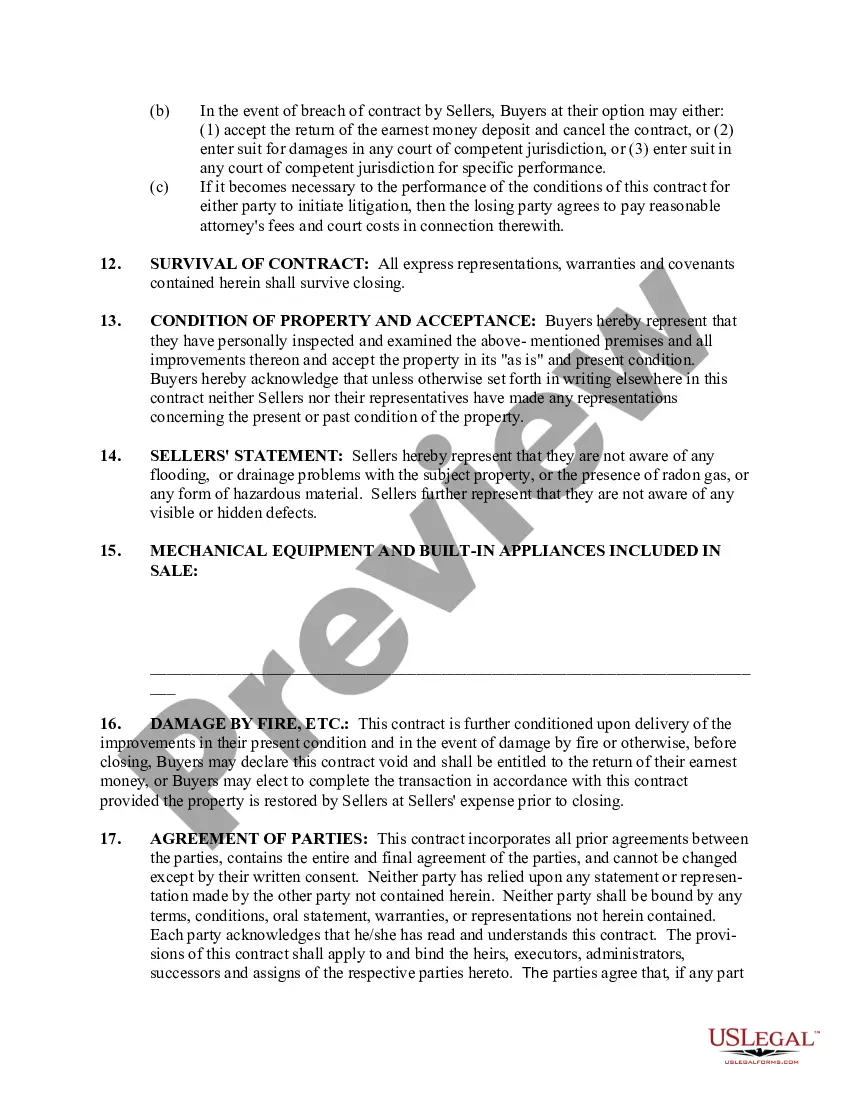
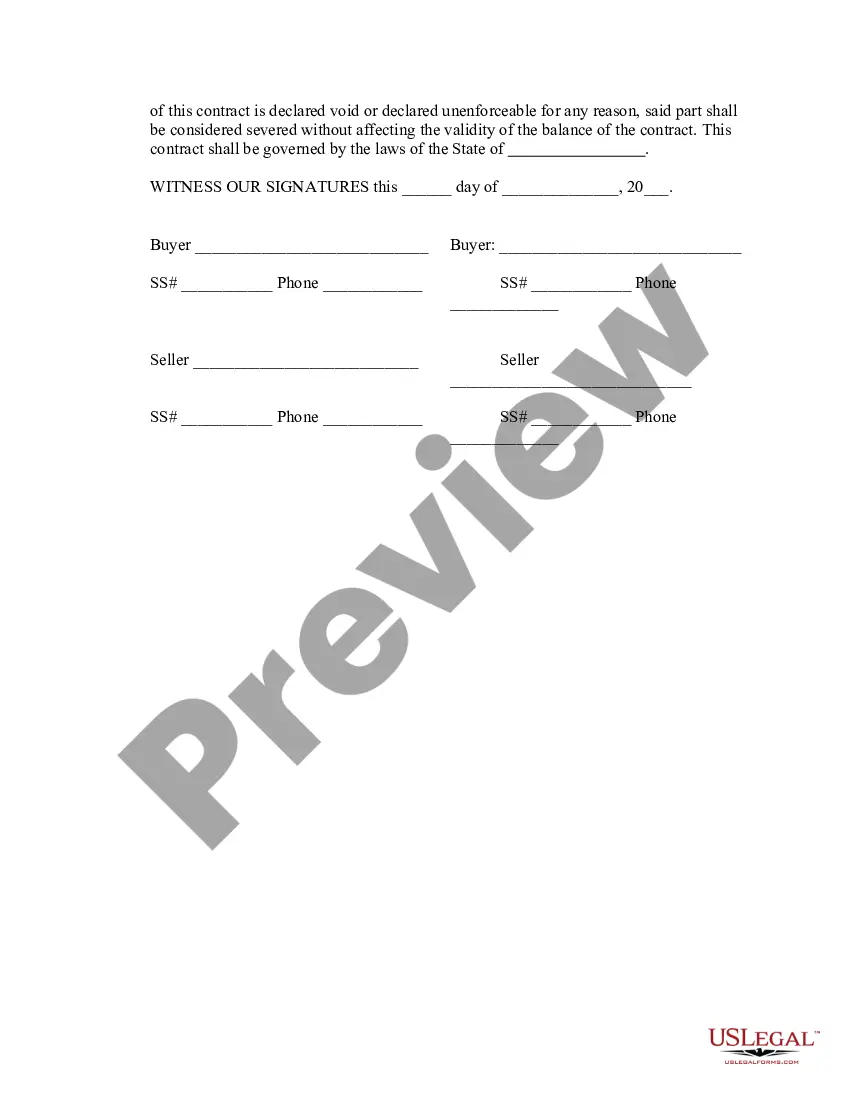
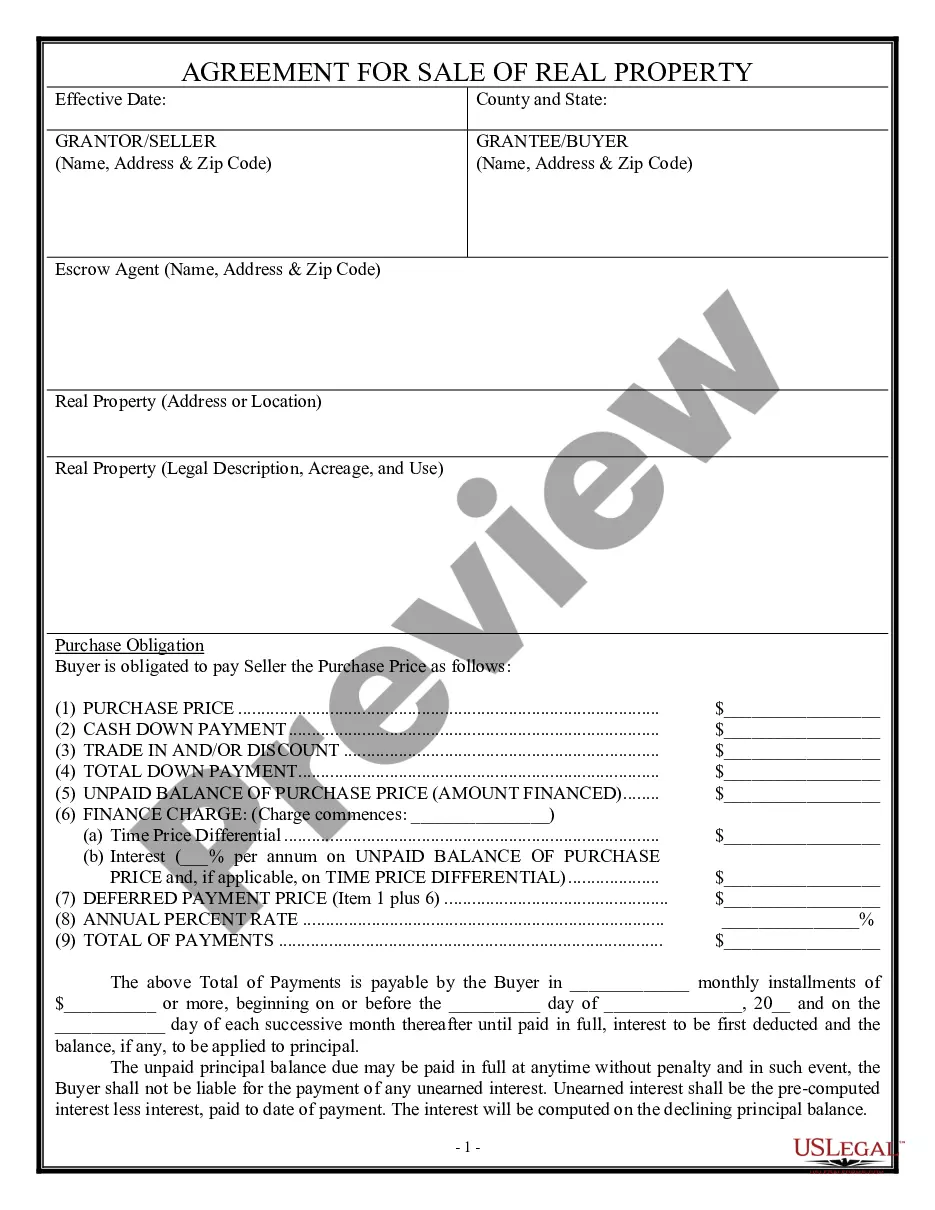
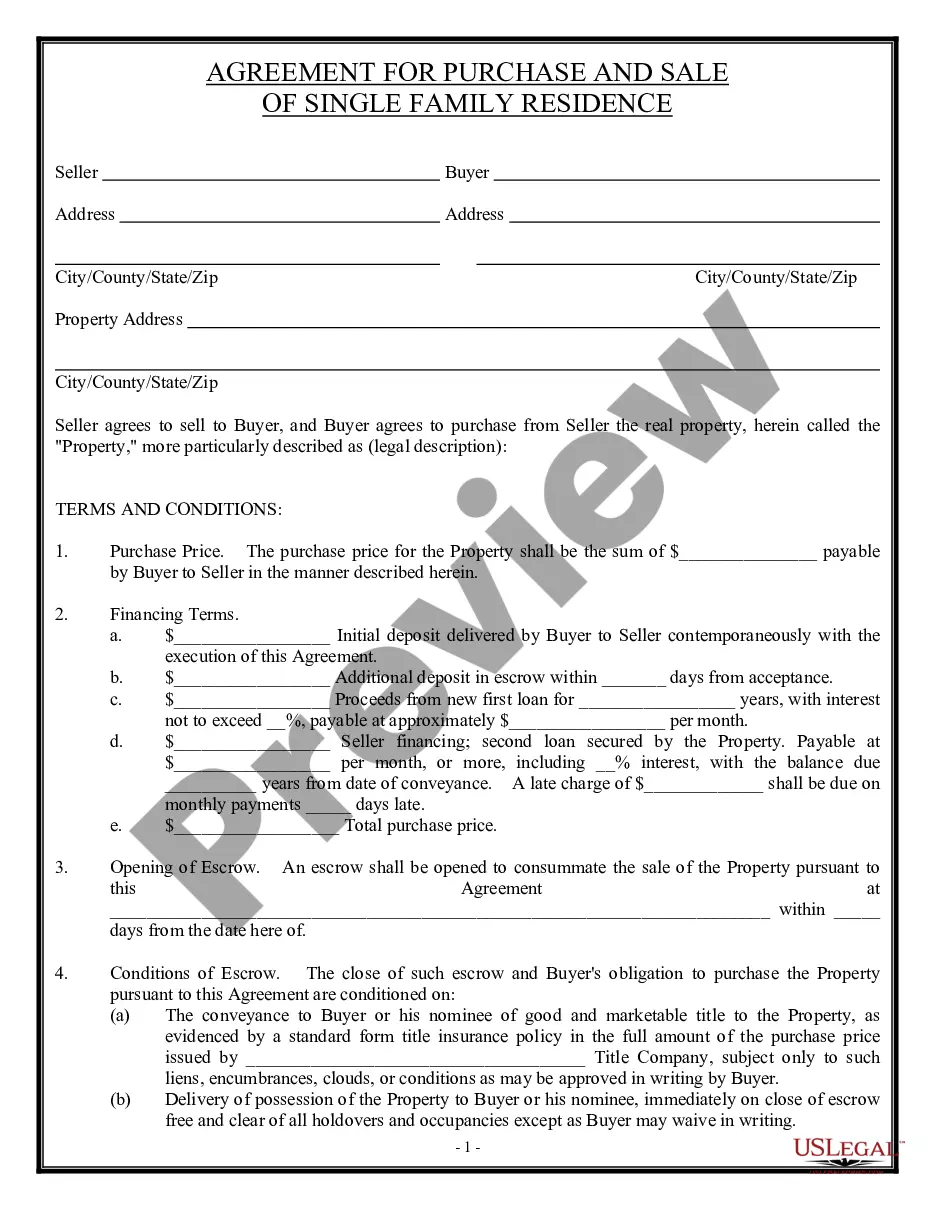
Get your form ready online
Our built-in tools help you complete, sign, share, and store your documents in one place.
Make edits, fill in missing information, and update formatting in US Legal Forms—just like you would in MS Word.
Download a copy, print it, send it by email, or mail it via USPS—whatever works best for your next step.
Sign and collect signatures with our SignNow integration. Send to multiple recipients, set reminders, and more. Go Premium to unlock E-Sign.
If this form requires notarization, complete it online through a secure video call—no need to meet a notary in person or wait for an appointment.
We protect your documents and personal data by following strict security and privacy standards.

Make edits, fill in missing information, and update formatting in US Legal Forms—just like you would in MS Word.

Download a copy, print it, send it by email, or mail it via USPS—whatever works best for your next step.

Sign and collect signatures with our SignNow integration. Send to multiple recipients, set reminders, and more. Go Premium to unlock E-Sign.

If this form requires notarization, complete it online through a secure video call—no need to meet a notary in person or wait for an appointment.

We protect your documents and personal data by following strict security and privacy standards.
Looking for another form?









Form popularity
FAQ
The personal representative of a Florida estate can sell real property during probate administration.
While Florida law does not mandate using an attorney to sell a residential dwelling, consulting a real estate attorney significantly impacts the outcome, so it is best not to go it alone. It can save you from the many pitfalls during the process and beyond.
Under most circumstances, you will need to hire an attorney to assist you in the probate process. First, you will know you have to probate an asset when it is in the decedent's own, individual name. This includes bank accounts, stocks, bonds, land and more.
Florida law does not require buyers or sellers to obtain a real estate attorney for closing the sale of a home, but that doesn't mean you don't need one. Instead, you should consider a real estate closing lawyer to represent your interests in a home buying transaction and protect your rights.
No, you aren't required to hire a lawyer to sell your house in Florida. But it can definitely be beneficial, especially as a FSBO seller. A real estate attorney can help you navigate complex paperwork and oversee the closing process, as well as ensuring that your interests are properly protected.
The lender must sue the borrower and obtain an order to foreclose. Depending on the court schedule and load, it normally takes from 180 to 200 days to complete the foreclosure process in Florida. If contested by the borrower or if the borrower files for bankruptcy, this process may be delayed further.
In most cases, it takes between 30 and 60 days to close on a house once you've started the process.
In Florida, both the buyer and seller are typically expected to attend the closing of a real estate transaction. However, it's not mandatory for them to be physically present at the same time or even at the closing itself, thanks to the option of remote closings.
YES! You have until the day your home forecloses to sell it and stop foreclosure! Until the title of your Florida home transfers to the new owner, you are the legal owner and can do what you like with the property, including selling it.
The Length of the Florida Foreclosure Process Timeline can vary. Generally, it lasts between 8 to 14 months. On the other hand, if you hire a Foreclosure Defense Attorney, it can take longer. If you are a in Foreclosure, contact the Law Office of Brian P.
