Closure Any Property Formula In Florida
Description

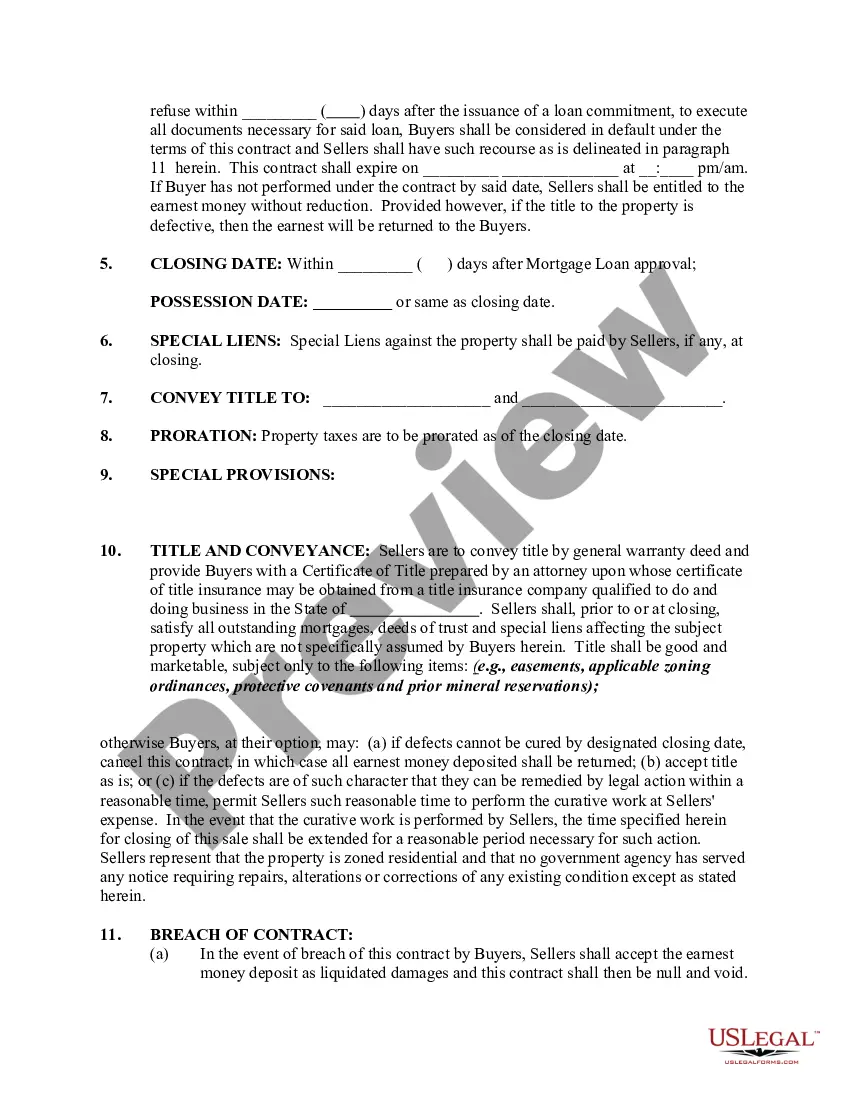
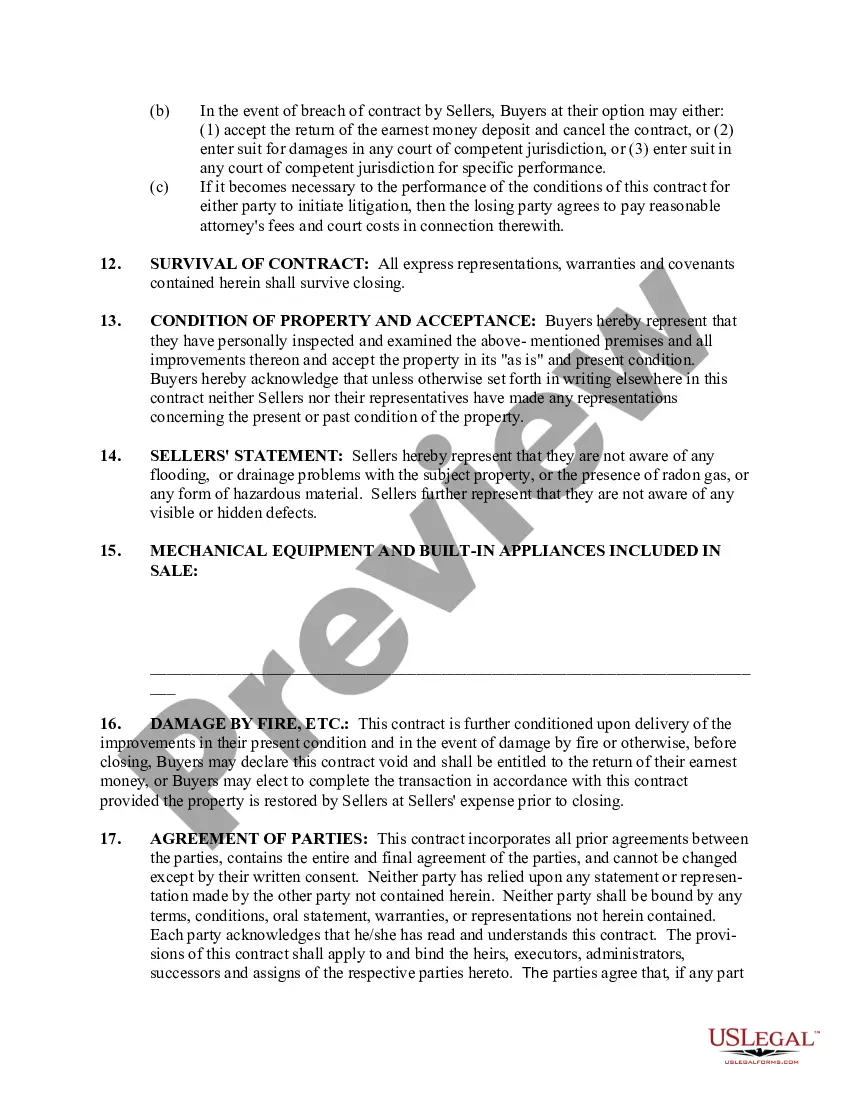
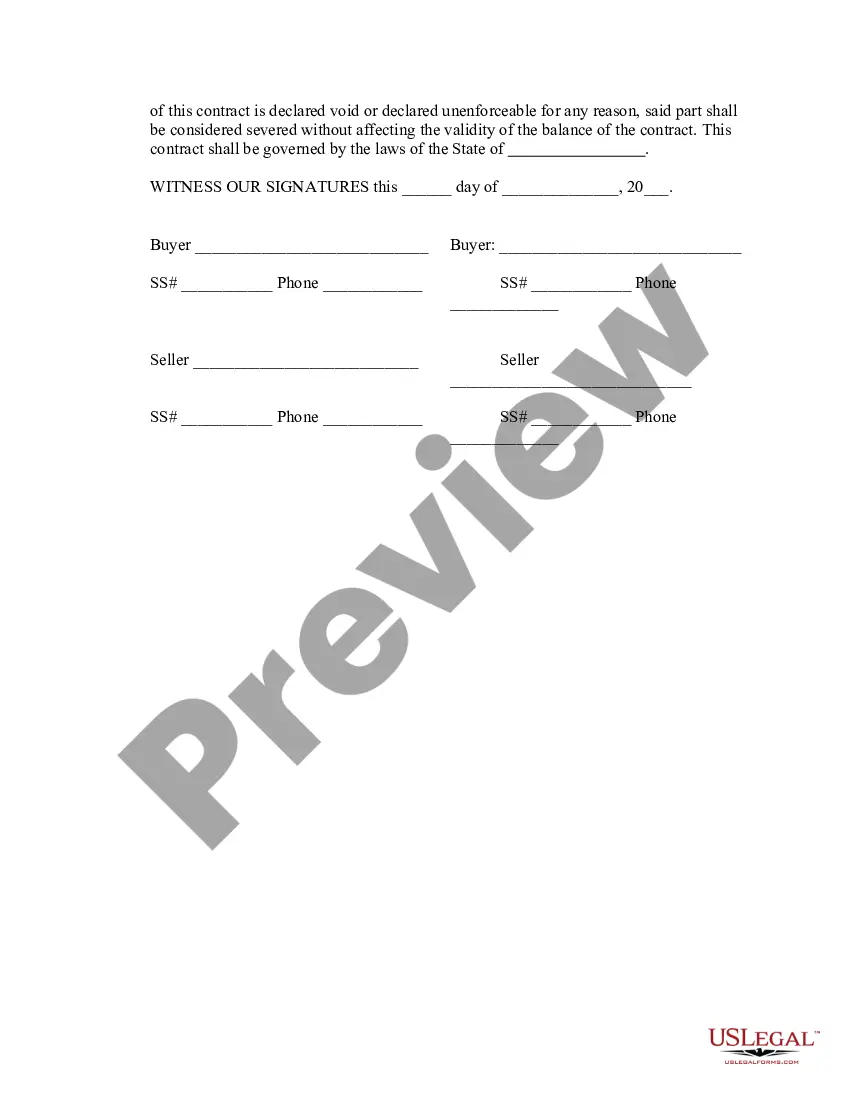
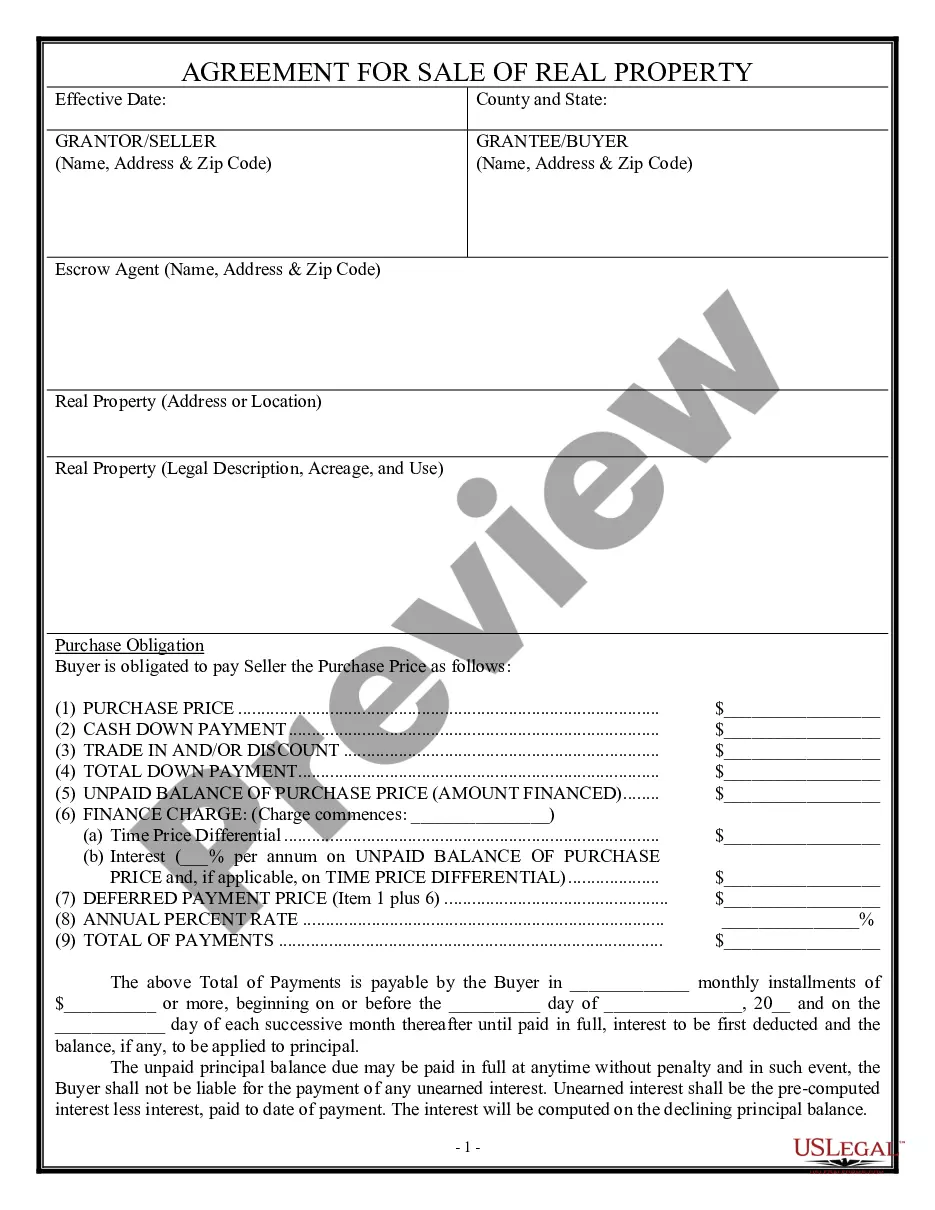
Get your form ready online
Our built-in tools help you complete, sign, share, and store your documents in one place.
Make edits, fill in missing information, and update formatting in US Legal Forms—just like you would in MS Word.
Download a copy, print it, send it by email, or mail it via USPS—whatever works best for your next step.
Sign and collect signatures with our SignNow integration. Send to multiple recipients, set reminders, and more. Go Premium to unlock E-Sign.
If this form requires notarization, complete it online through a secure video call—no need to meet a notary in person or wait for an appointment.
We protect your documents and personal data by following strict security and privacy standards.

Make edits, fill in missing information, and update formatting in US Legal Forms—just like you would in MS Word.

Download a copy, print it, send it by email, or mail it via USPS—whatever works best for your next step.

Sign and collect signatures with our SignNow integration. Send to multiple recipients, set reminders, and more. Go Premium to unlock E-Sign.

If this form requires notarization, complete it online through a secure video call—no need to meet a notary in person or wait for an appointment.

We protect your documents and personal data by following strict security and privacy standards.
Looking for another form?







Form popularity
FAQ
Property tax proration involves dividing the annual property tax bill between the seller and the buyer based on the amount of time each party owns the property during the tax year. This process ensures fairness and accuracy in real estate transactions in Florida.
How Do I File a TPP Return? Complete a Tangible Personal Property Tax Return (Form DR-405) and submit it to your local property appraiser by April 1. Report all property located in the county on January 1. You must file a single return for each site in the county where you transact business.
Property taxes in Florida are implemented in millage rates. A millage rate is one-tenth of a percent, which equates to $1 in taxes for every $1,000 in home value. A number of different authorities, including counties, municipalities, school boards and special districts, can levy these taxes.
In Florida, the seller typically bears the responsibility for paying property taxes up to the date of closing. This means that the seller is accountable for the portion of property taxes that have accrued during their ownership of the property.
Property tax proration involves dividing the annual property tax bill between the seller and the buyer based on the amount of time each party owns the property during the tax year. This process ensures fairness and accuracy in real estate transactions in Florida.
Property taxes in Florida are implemented in millage rates. A millage rate is one-tenth of a percent, which equates to $1 in taxes for every $1,000 in home value. A number of different authorities, including counties, municipalities, school boards and special districts, can levy these taxes.
