Closing Any Property Without Permission In Dallas
Description

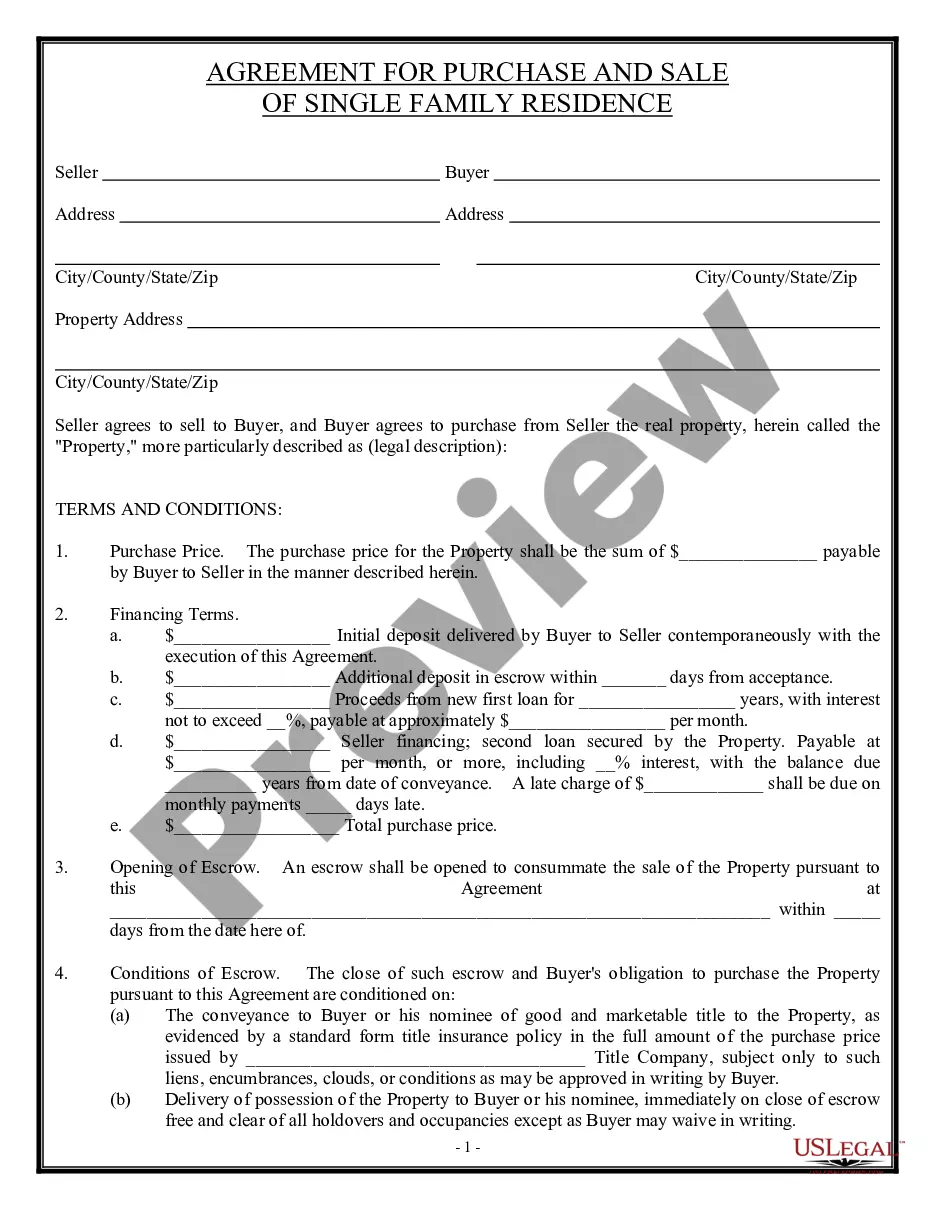
Get your form ready online
Our built-in tools help you complete, sign, share, and store your documents in one place.
Make edits, fill in missing information, and update formatting in US Legal Forms—just like you would in MS Word.
Download a copy, print it, send it by email, or mail it via USPS—whatever works best for your next step.
Sign and collect signatures with our SignNow integration. Send to multiple recipients, set reminders, and more. Go Premium to unlock E-Sign.
If this form requires notarization, complete it online through a secure video call—no need to meet a notary in person or wait for an appointment.
We protect your documents and personal data by following strict security and privacy standards.

Make edits, fill in missing information, and update formatting in US Legal Forms—just like you would in MS Word.

Download a copy, print it, send it by email, or mail it via USPS—whatever works best for your next step.

Sign and collect signatures with our SignNow integration. Send to multiple recipients, set reminders, and more. Go Premium to unlock E-Sign.

If this form requires notarization, complete it online through a secure video call—no need to meet a notary in person or wait for an appointment.

We protect your documents and personal data by following strict security and privacy standards.
Looking for another form?






Form popularity
FAQ
It's important to note that Texas law also offers protections to tenants. For instance, landlords cannot claim damages for normal wear and tear. Additionally, tenants have the right to challenge claims, and landlords must prove the reasonableness of the deductions from the security deposit.
While you can sue a tenant without a lease, there are a few things to consider before you proceed. First, tenants that do not have a written lease may still have significant protection under the law. Second, it can be more difficult to argue and win your case without a written lease to refer to.
If a building is purchased at a tax foreclosure sale or a trustee's foreclosure sale under a lien superior to the tenant's lease and the tenant timely pays rent and is not otherwise in default under the tenant's lease after foreclosure, the purchaser must give a residential tenant of the building at least 30 days' ...
Health and Safety. You have a right to demand that the landlord repair any condition that materially affects your physical health or safety. § 92.052.
(e) A landlord may remove and store any property of a tenant that remains on premises that are abandoned. In addition to the landlord's other rights, the landlord may dispose of the stored property if the tenant does not claim the property within 60 days after the date the property is stored.
Ing to the Texas Property Code, landlords can pursue claims for eviction and damage to the premises, even without a written lease.
3 days from notice to vacate to filing of the suit. 10 - 21 days from filing of the suit to the trial date. 5 days to appeal the suit following the hearing required by law. 23 - 28 days is the minimum amount of time to evict someone in any county in Texas.
3 days from notice to vacate to filing of the suit. 10 - 21 days from filing of the suit to the trial date. 5 days to appeal the suit following the hearing required by law. 23 - 28 days is the minimum amount of time to evict someone in any county in Texas.
How long does it take to evict someone in Texas? From start to finish approximately four weeks • 3 days from notice to vacate to filing of suit • 8-10 days to serve the citation -The court date is set between 10-21 days. 5 days to appeal the suit following the hearing required by law.
Time Frame: The notice period typically ranges from 3 to 30 days, depending on the reason for eviction and the terms of the lease agreement. For instance, a 3-day notice is common for non-payment of rent, while a 30-day notice may be required for other lease violations or month-to-month tenancies.
