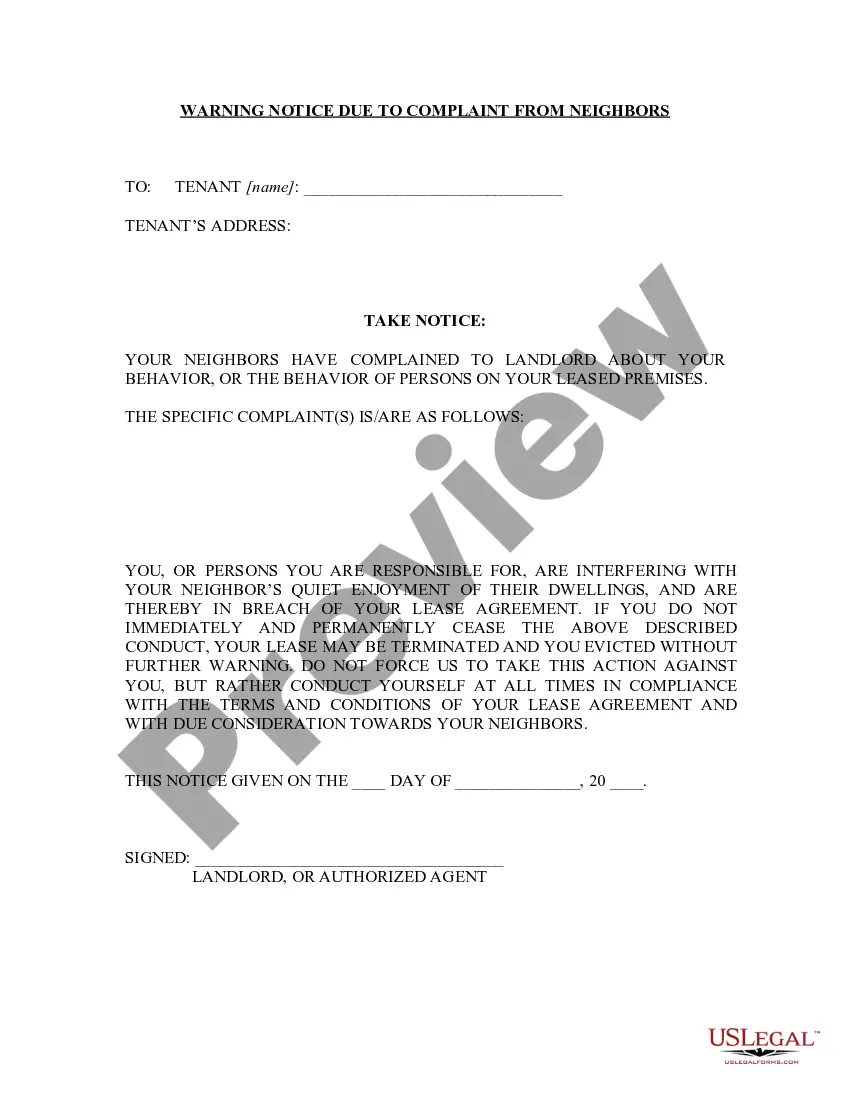
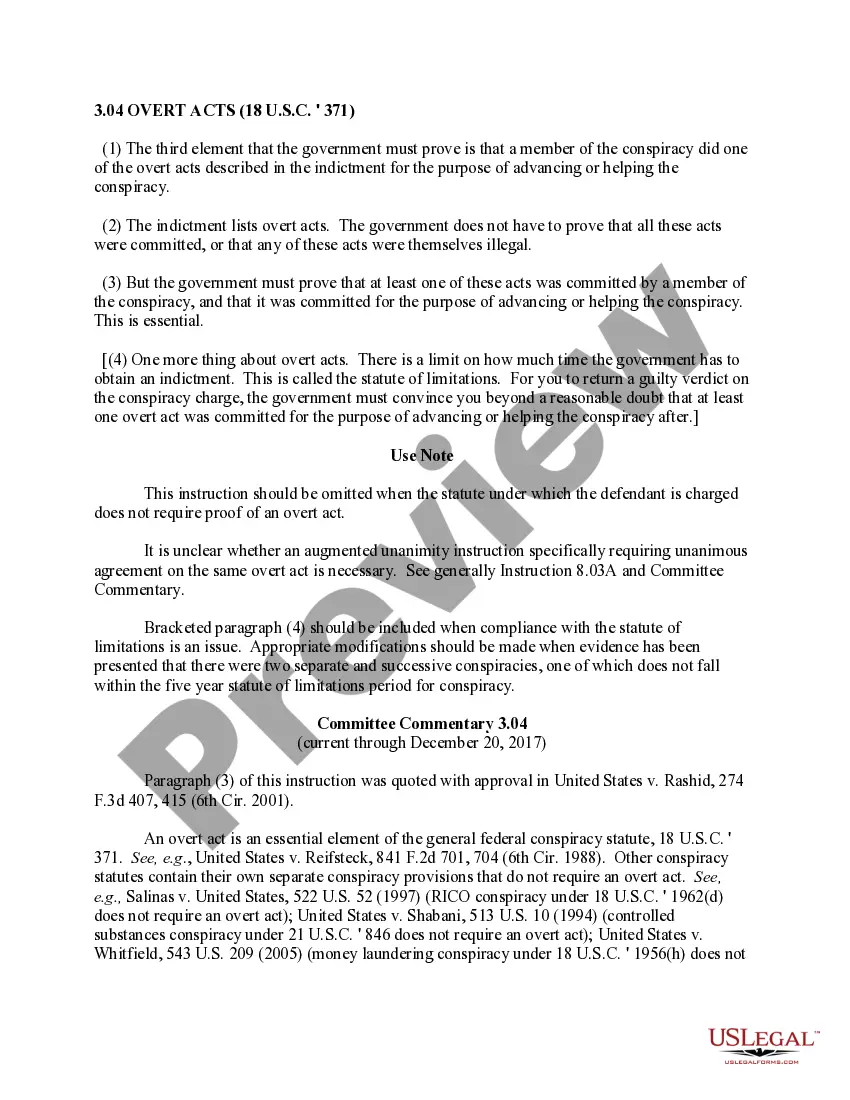
OVERT ACTS (18 U.S.C. ' 371)
What is this form?
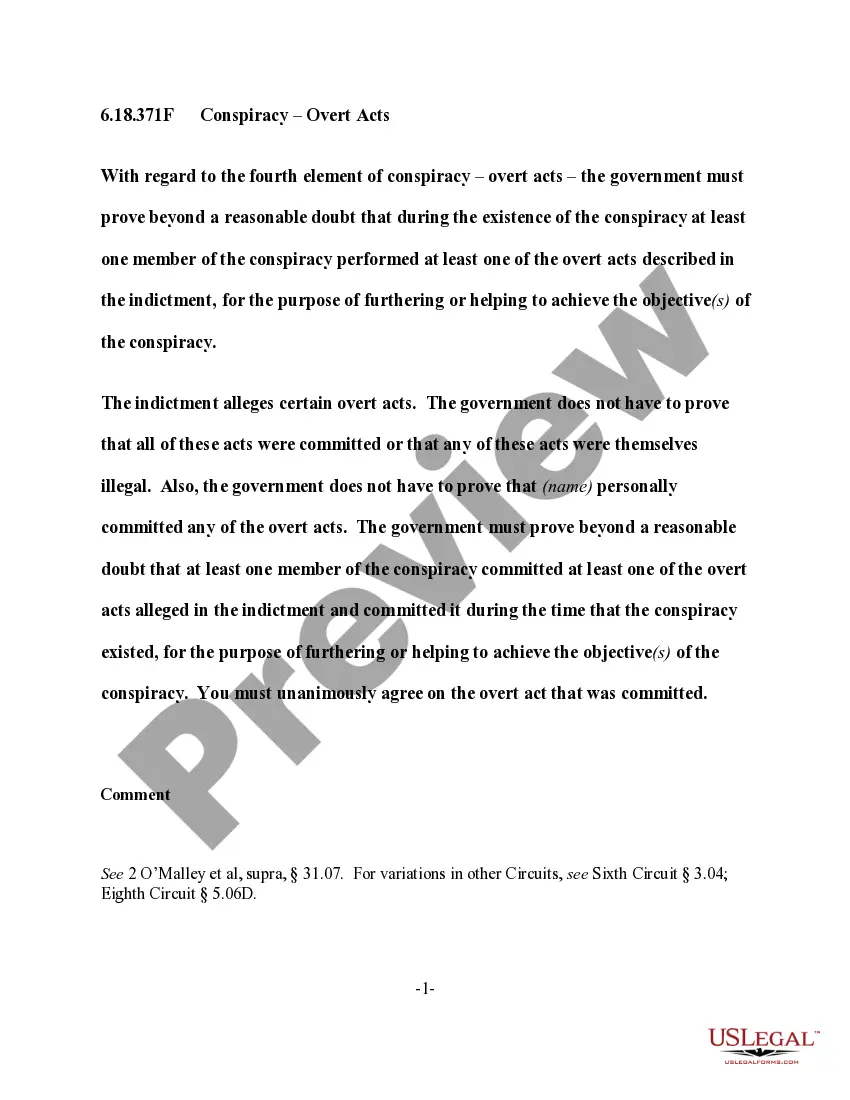
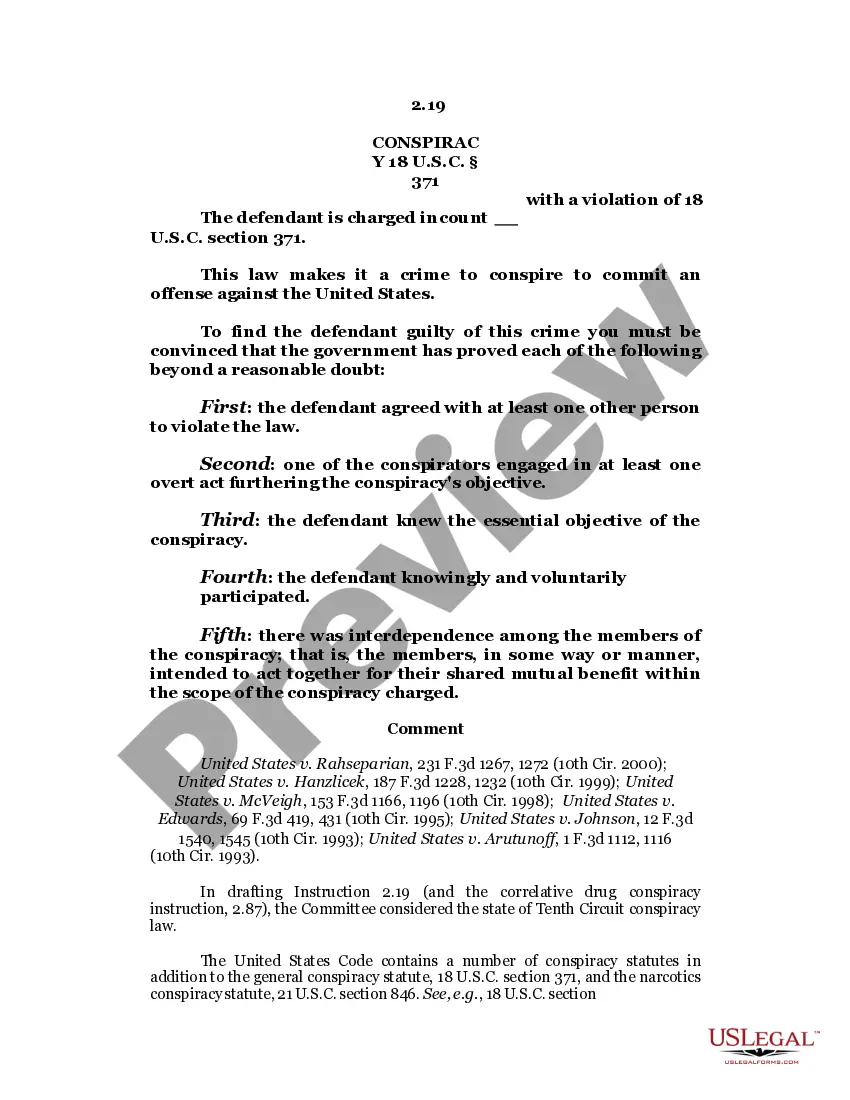
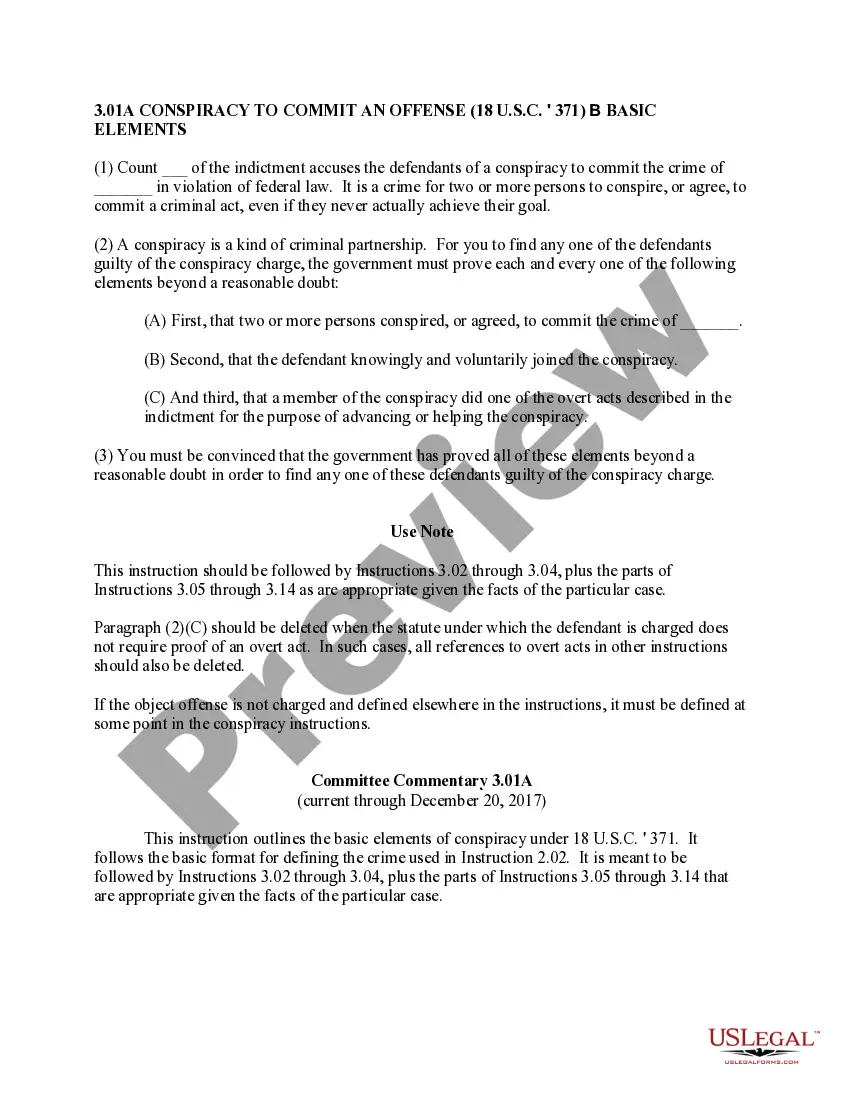
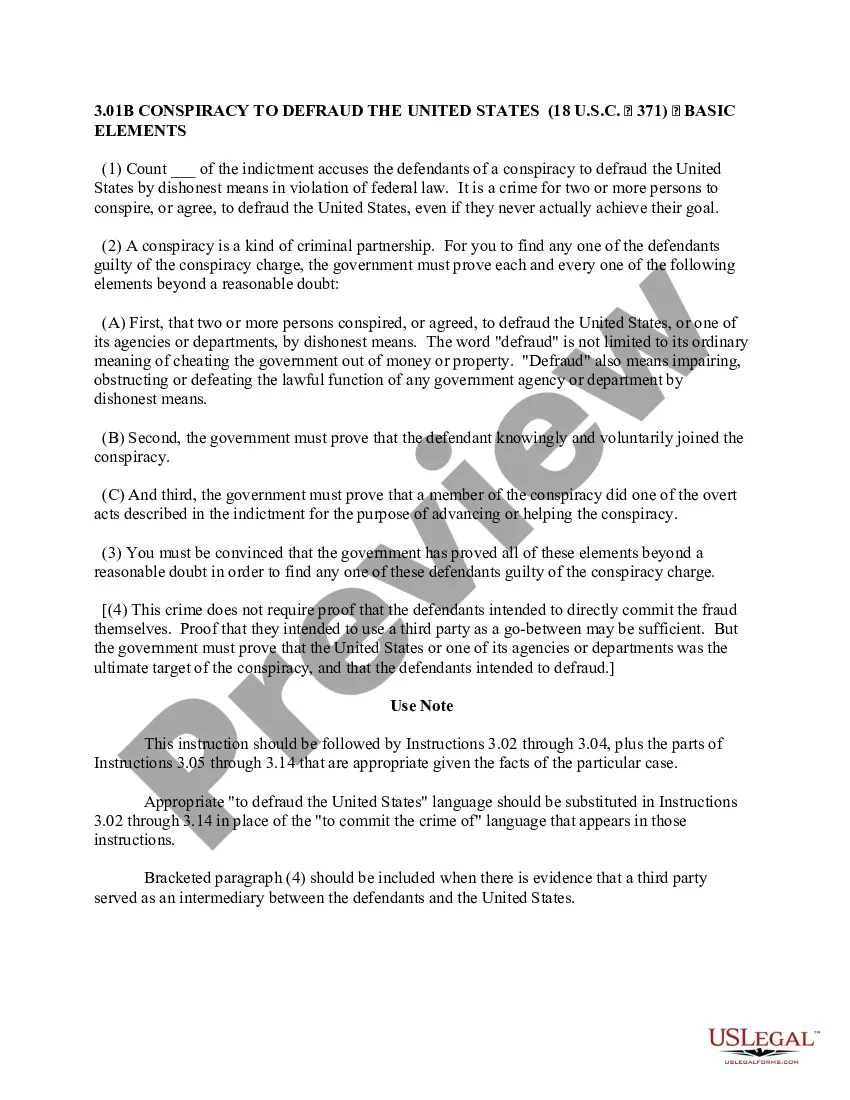
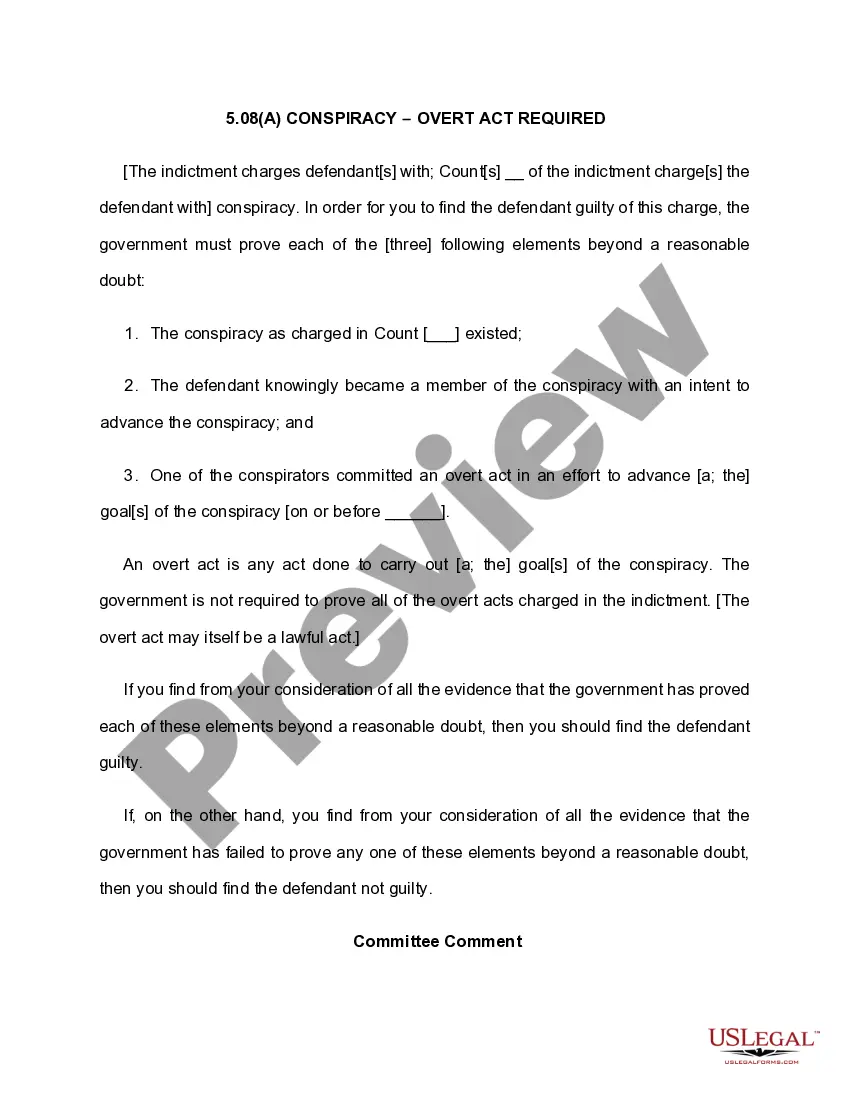
The Overt Acts form pertains to the general federal conspiracy statute as defined under 18 U.S.C. § 371. This form is essential for understanding the requirement of proving overt acts in furtherance of a conspiracy charge. Unlike other forms that may not require the demonstration of overt acts, this form specifically addresses the necessity of establishing at least one overt act by a member of the conspiracy to support a conviction. Its unique focus makes it vital for legal proceedings involving conspiracy charges where overt acts are a critical component.
What’s included in this form
- Definition of overt acts required to support a conspiracy charge.
- The government's burden to prove at least one overt act was committed.
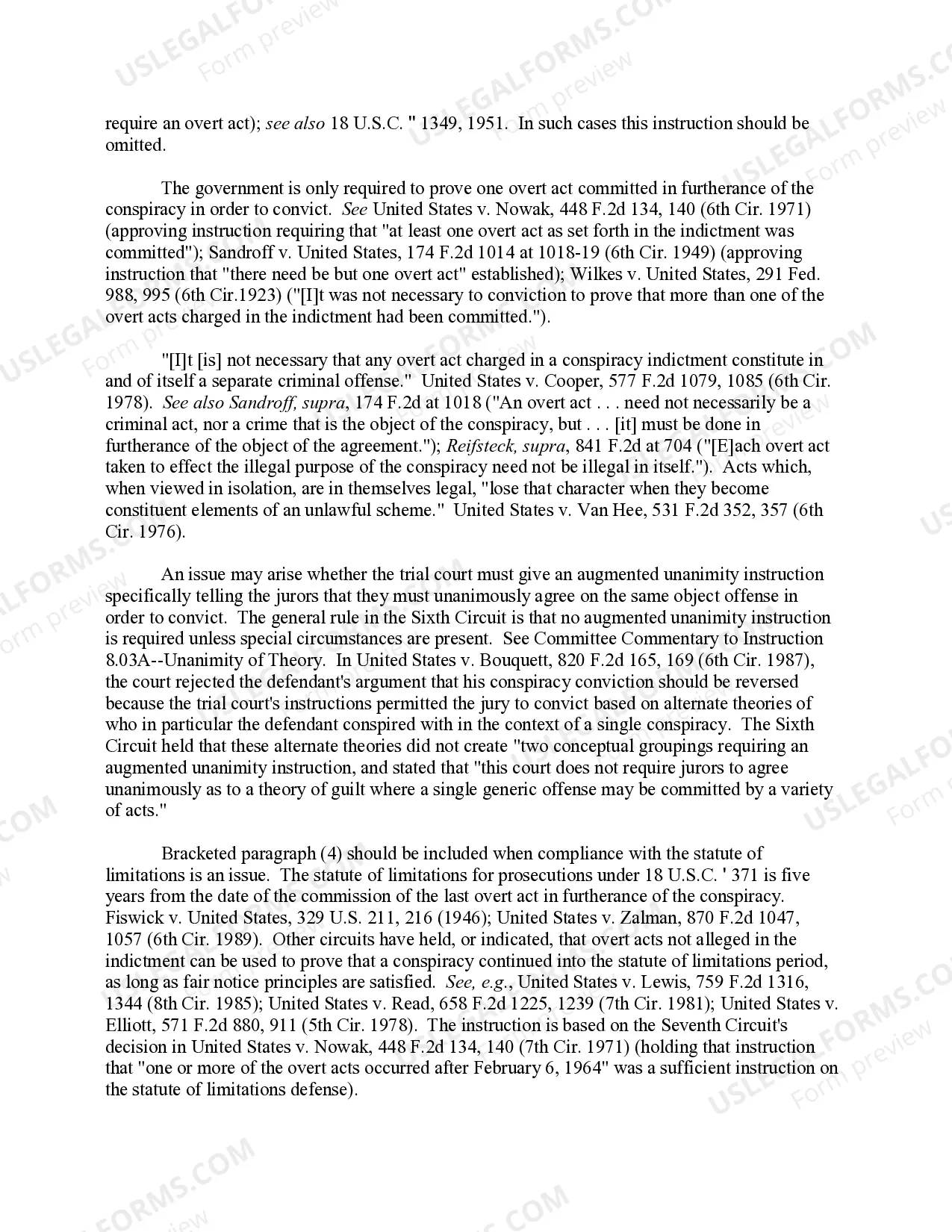
- Clarification on the statute of limitations applicable to conspiracy charges.
- Guidance on what is not required to prove, like the legality of the acts listed.
- Considerations for unique circumstances, such as multiple conspiracies.
When to use this document
This form is necessary when an individual is involved in a conspiracy case under federal law and the prosecution must demonstrate that overt acts were committed in furtherance of the conspiracy. It is used in legal settings where the existence of conspiratorial agreements needs to be substantiated by specific actions taken by the involved parties.
Who can use this document
- Attorneys representing clients charged with conspiracy under federal law.
- Defendants involved in conspiracy cases needing to understand their rights.
- Legal professionals requiring a comprehensive understanding of overt acts and their implications in conspiracy cases.
Instructions for completing this form
- Review the indictment for the list of overt acts that are alleged.
- Identify which overt act(s) relate to the conspiracy charge in your case.
- Confirm that at least one overt act was committed for the purpose of advancing the conspiracy.
- Understand the statute of limitations applicable to your case's facts and ensure compliance.
- Consult legal advice if necessary to understand implications of the completed form.
Notarization requirements for this form
This form does not typically require notarization to be legally valid. However, some jurisdictions or document types may still require it. US Legal Forms provides secure online notarization powered by Notarize, available 24/7 for added convenience.
Get your form ready online
Our built-in tools help you complete, sign, share, and store your documents in one place.
Make edits, fill in missing information, and update formatting in US Legal Forms—just like you would in MS Word.
Download a copy, print it, send it by email, or mail it via USPS—whatever works best for your next step.
Sign and collect signatures with our SignNow integration. Send to multiple recipients, set reminders, and more. Go Premium to unlock E-Sign.
If this form requires notarization, complete it online through a secure video call—no need to meet a notary in person or wait for an appointment.
We protect your documents and personal data by following strict security and privacy standards.

Make edits, fill in missing information, and update formatting in US Legal Forms—just like you would in MS Word.

Download a copy, print it, send it by email, or mail it via USPS—whatever works best for your next step.

Sign and collect signatures with our SignNow integration. Send to multiple recipients, set reminders, and more. Go Premium to unlock E-Sign.

If this form requires notarization, complete it online through a secure video call—no need to meet a notary in person or wait for an appointment.

We protect your documents and personal data by following strict security and privacy standards.
Avoid these common issues
- Assuming all listed overt acts must be proven, rather than just one.
- Failing to consider the statute of limitations in preparing the case.
- Overlooking the fact that the overt acts do not need to be illegal themselves.
Why use this form online
- Convenient access to official legal language drafted by licensed attorneys.
- Editability allows users to tailor the form to specific cases.
- Downloadable format provides easy offline access for future reference.
Legal use & context
- This form is essential in federal conspiracy cases where proving an overt act is necessary for conviction.
- Understanding the specifics of overt acts aids in better legal defense strategies and case evaluations.
- This form serves as a guideline to ensure compliance with federal legal standards and requirements.
What to keep in mind
- The Overt Acts form is essential for federal conspiracy cases.
- Only one overt act needs to be proven for a successful conviction.
- Understanding the statute of limitations is critical in conspiracy charges.
- Jurors must reach a unanimous decision regarding the overt act.
Looking for another form?
Form popularity
FAQ
An overt act is any act knowingly committed by one or more of the conspirators in an effort to accomplish some purpose of the conspiracy. Only one overt act has to be proven. The government is not required to prove that defendant personally committed or knew about the overt act.
The Overt Act is some affirmative act done by one or more of the co- conspirators. The Overt Act, done in furtherance of the Agreement demonstrates that Agreement has advanced from merely talk to action.
As a felony, violation of 18 U.S.C. § 371 carries a fine or imprisonment for up to five years. However, if the offense which is the subject of the conspiracy is charged as a misdemeanor, the punishment for the conspiracy cannot exceed the maximum punishment for the misdemeanor.
The overt act required for conspiracy can be preparatory activity; the criminal act element required for attempt must be more than mere preparation. The criminal intent element required for conspiracy is specific intent or purposely to agree to commit the offense that is the conspiracy's object.
The conspirators must have the intent to actually commit the crime. The punishment for being convicted of conspiracy will be based on the severity of the crime the conspirators intended to commit.
If you are convicted of federal conspiracy under 18 USC 371, you face up to 5 years in federal prison. If you are convicted of violating 18 U.S. Code 371, you face a sentence of up to 5 years in federal prison and fines up to $250,000. In the case of conspiracy by organizations, you face a fine of up to $500,000.
The purpose of the overt act is to verify the firmness of the agreement. An overt act shows sincere agreement to commit a crime.
An overt act is essential to establish an attempt to commit a crime. It is also a key element in the crime of treason and has become a component of federal and some state criminal conspiracy laws. It also plays a role in the right of self-defense.