Sell Closing Property Without Consent In Cuyahoga
Description

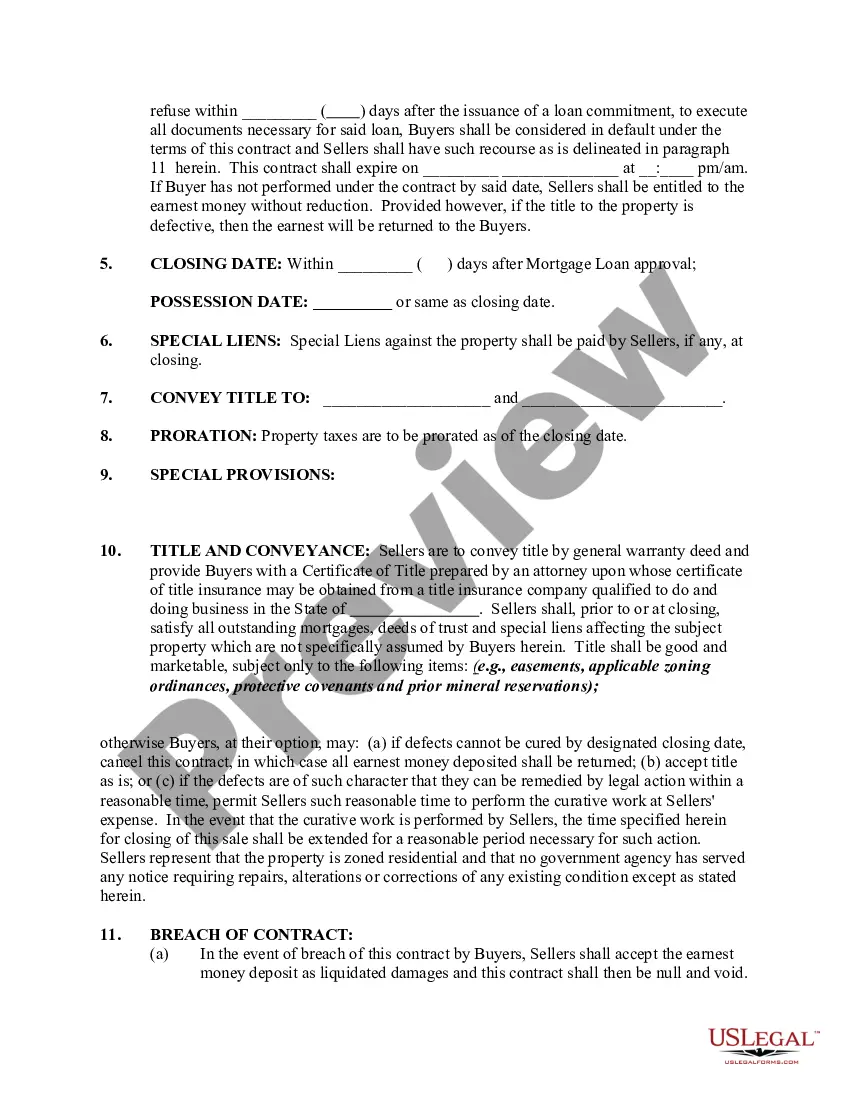
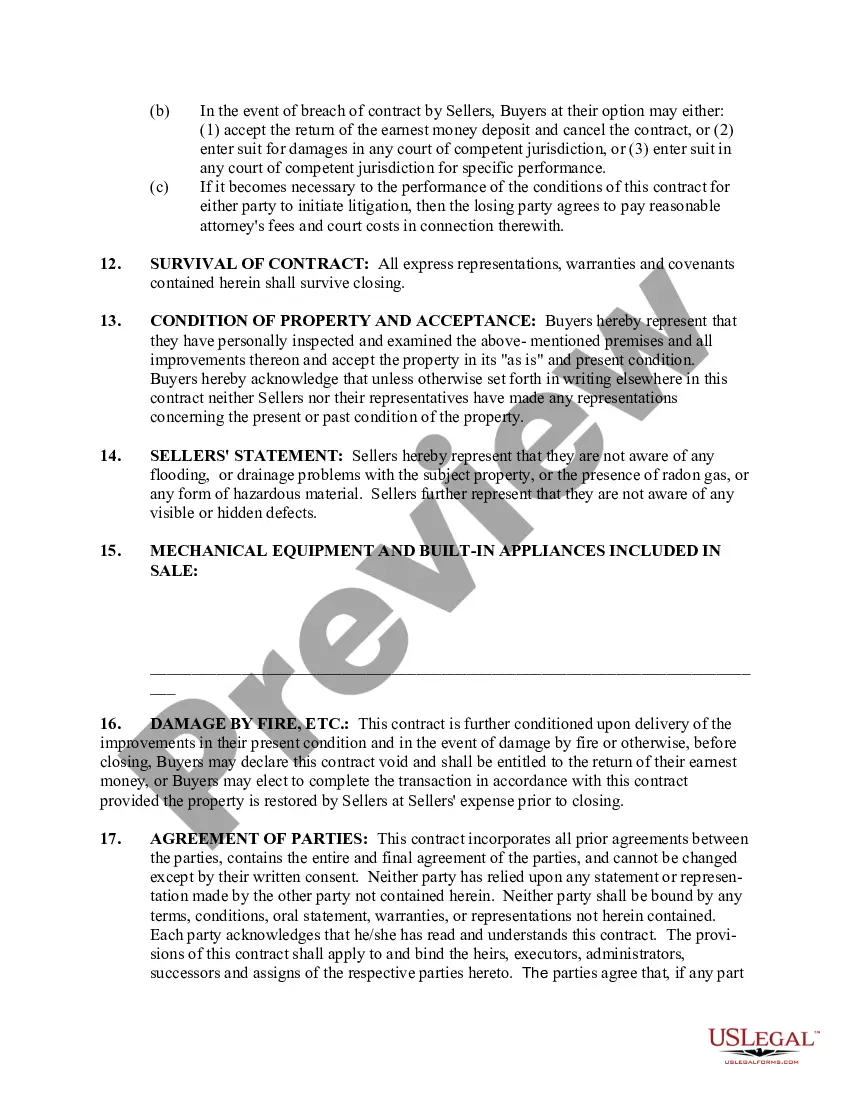
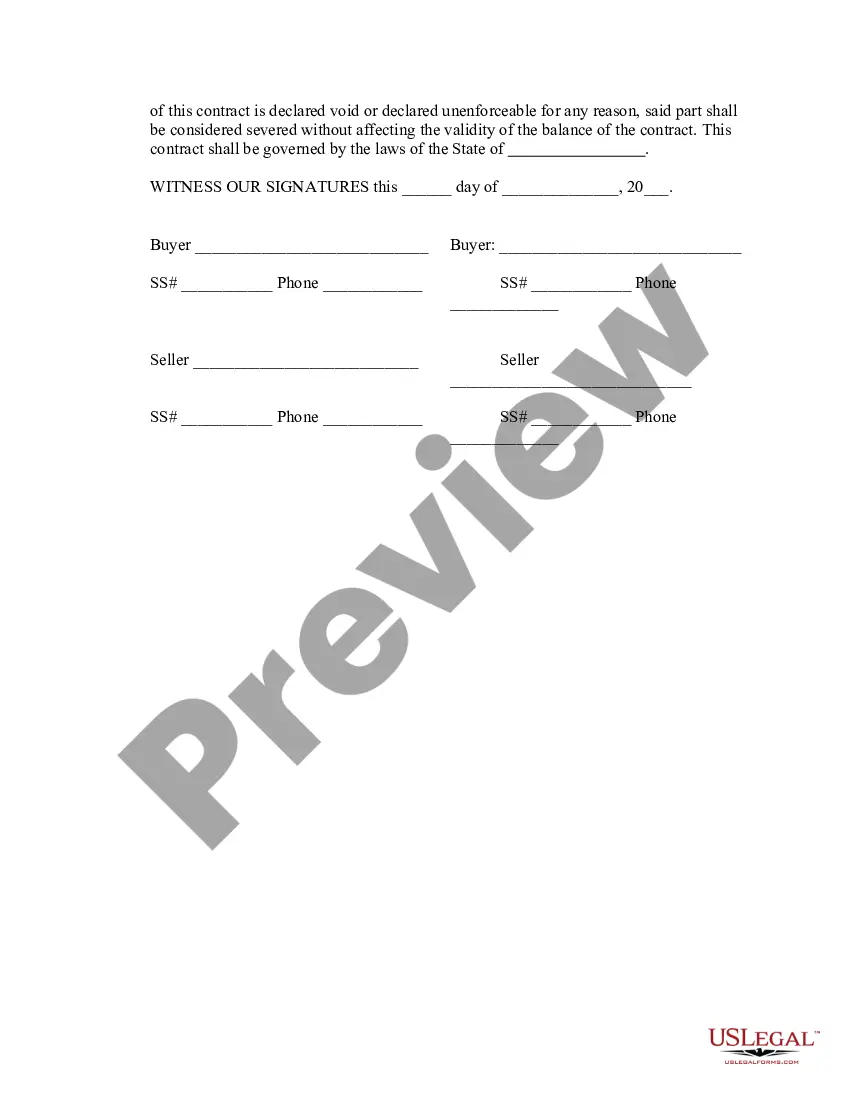
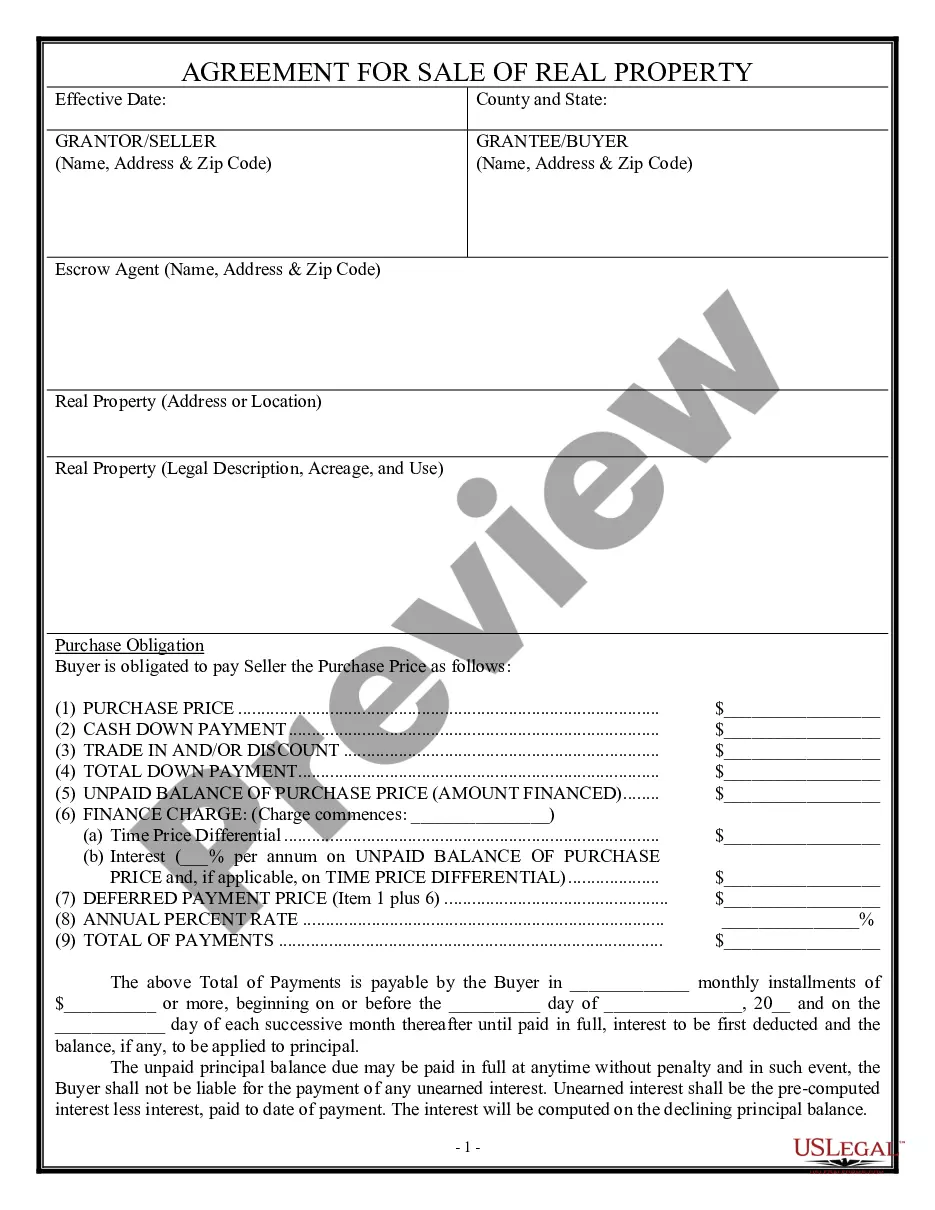
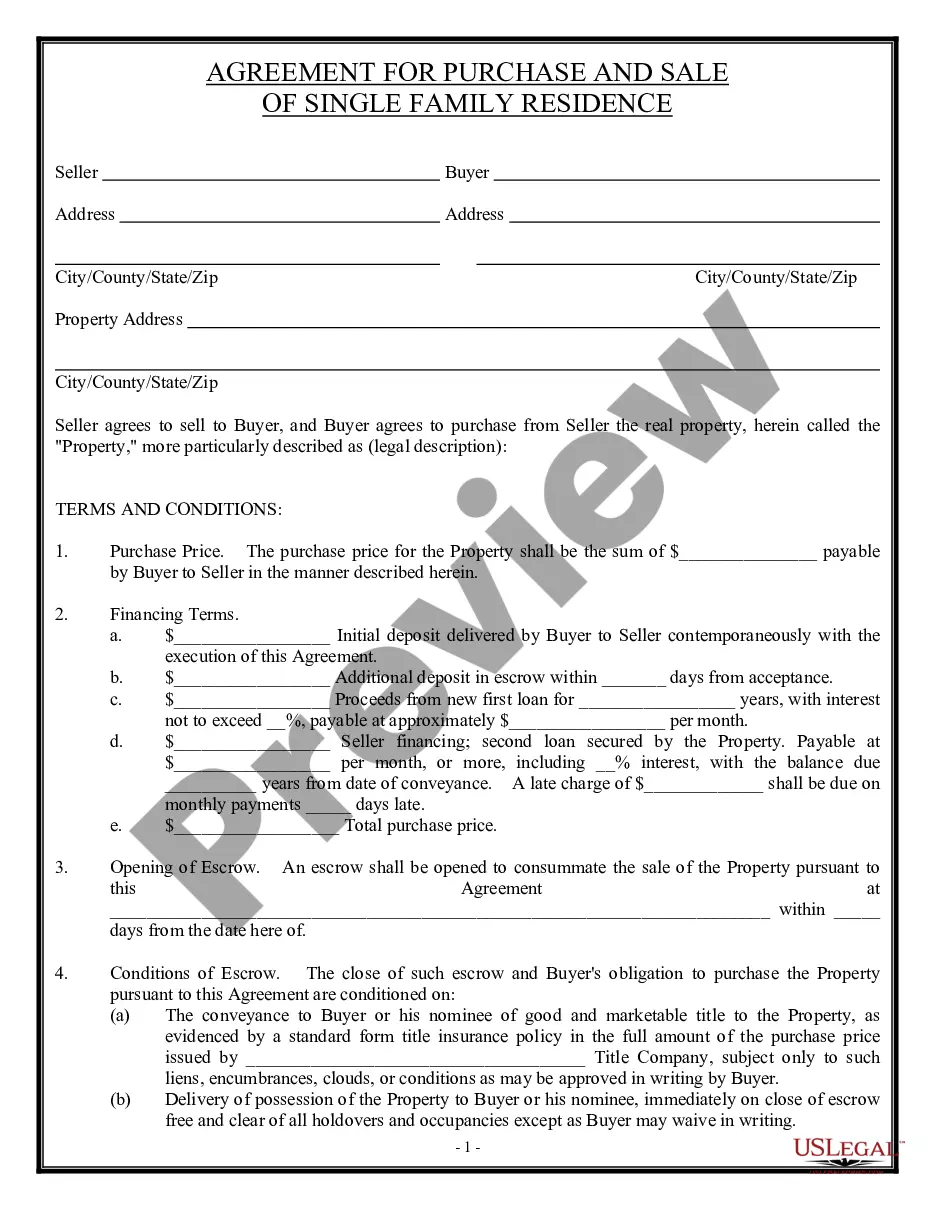
Get your form ready online
Our built-in tools help you complete, sign, share, and store your documents in one place.
Make edits, fill in missing information, and update formatting in US Legal Forms—just like you would in MS Word.
Download a copy, print it, send it by email, or mail it via USPS—whatever works best for your next step.
Sign and collect signatures with our SignNow integration. Send to multiple recipients, set reminders, and more. Go Premium to unlock E-Sign.
If this form requires notarization, complete it online through a secure video call—no need to meet a notary in person or wait for an appointment.
We protect your documents and personal data by following strict security and privacy standards.

Make edits, fill in missing information, and update formatting in US Legal Forms—just like you would in MS Word.

Download a copy, print it, send it by email, or mail it via USPS—whatever works best for your next step.

Sign and collect signatures with our SignNow integration. Send to multiple recipients, set reminders, and more. Go Premium to unlock E-Sign.

If this form requires notarization, complete it online through a secure video call—no need to meet a notary in person or wait for an appointment.

We protect your documents and personal data by following strict security and privacy standards.
Looking for another form?








Form popularity
FAQ
A small estate that does not require the filing of a federal estate tax return and has no creditor issues often can be settled within six months of the appointment of the executor or administrator. However, if a federal estate tax return is required, the administration of the estate can last more than a year.
(B)(1) Every administrator and executor, within six months after appointment, shall render a final and distributive account of the administrator's or executor's administration of the estate unless one or more of the following circumstances apply: (a) An Ohio estate tax return must be filed for the estate.
Rule 71.1 – Attorney Fees in Decedent's Estates. Attorney fees are governed by the Rules of Professional Conduct and the Rules of Superintendence adopted by the Supreme Court of Ohio. The Court has the ultimate responsibility and authority to review attorney fees in decedent's estates as required by such rules.
If a transaction is in the best interest of the beneficiaries and the estate and is in line with the decedent's wishes and state law, the executor can sell a property without all beneficiaries approving. The executor has the power to choose the probate lawyer and the real estate broker.
If you feel confident creating and signing legally-binding documents, it is possible to sell your house without a Realtor. However, you will also be responsible for the marketing, negotiating, and transitioning of the property from one owner to the next.
Sellers do not usually need to be present at an Ohio closing. Normally, the buyers will sign the final documents at the office of their title company or escrow agent (though much of the signing can also be done virtually) and pick up the keys.
At all times, if you attempt to sell a house, you have to have permission of all parties with an ownership interest. That is your legal obligation. No conversation you had with any potential buyer changes your legal obligation.
Selling a house without a Realtor in Ohio No matter what state you're in, a FSBO home sale requires handling the entire transaction process on your own, from start to finish. The basic steps will be: Crafting a listing: You'll need to write a compelling description of the home and property to draw buyers in.
States that require attorney involvement or where attorney involvement is customary: Connecticut, Delaware, Georgia, Massachusetts, South Carolina, Vermont and West Virginia. In Illinois, North New Jersey, New York, North Carolina and Ohio, attorney involvement in a real estate closing may be customary.
