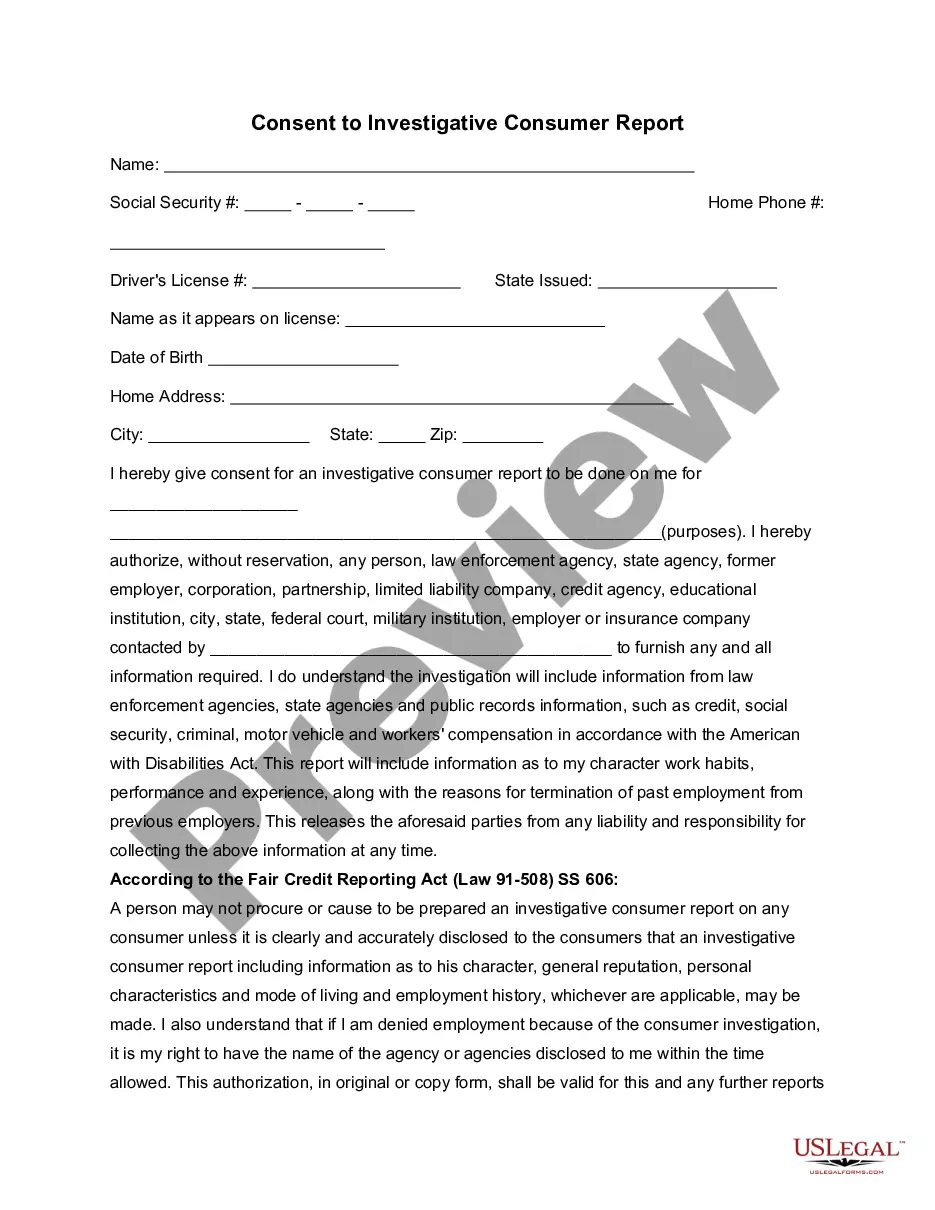
House For Sale By Owner Forms Foreclosure In Clark
Description

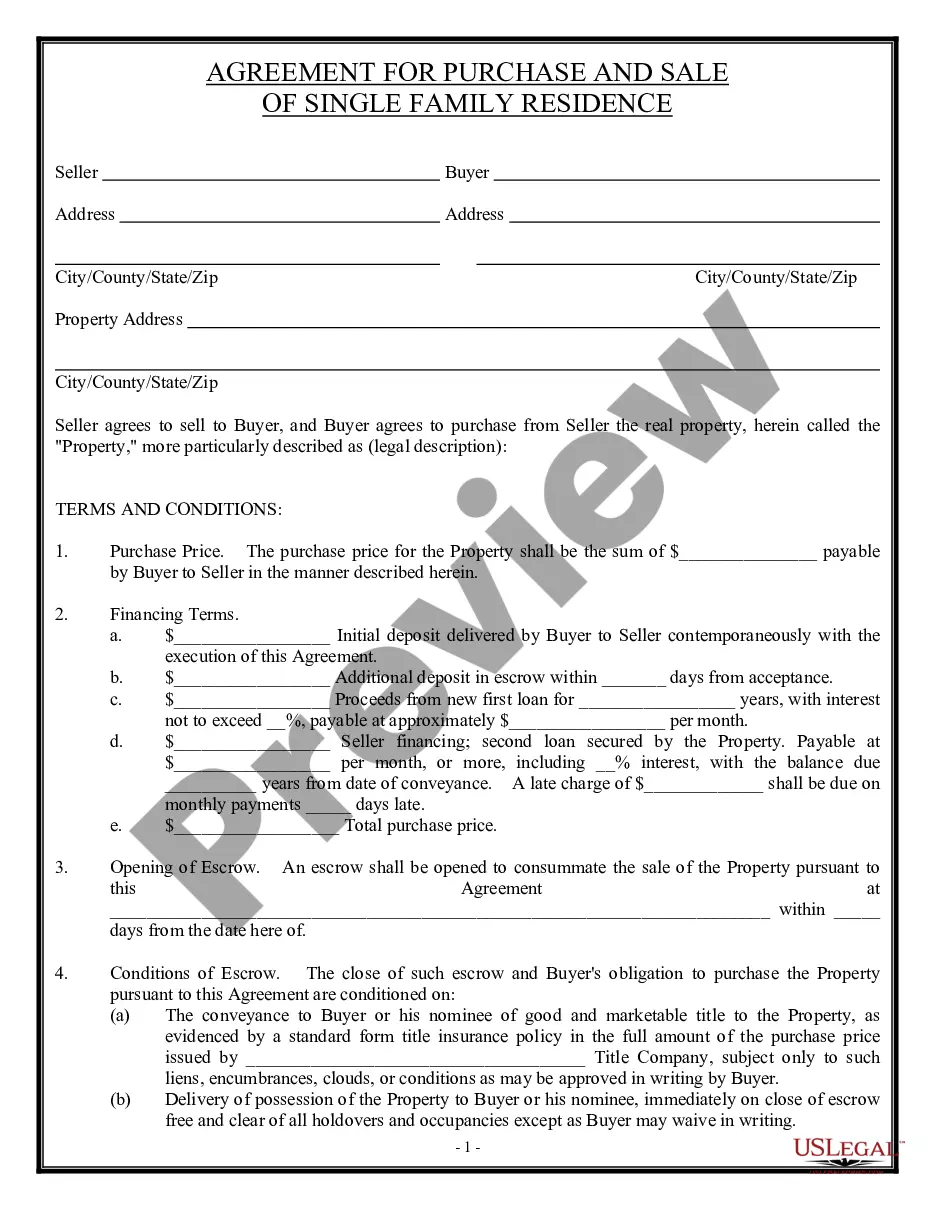
Get your form ready online
Our built-in tools help you complete, sign, share, and store your documents in one place.
Make edits, fill in missing information, and update formatting in US Legal Forms—just like you would in MS Word.
Download a copy, print it, send it by email, or mail it via USPS—whatever works best for your next step.
Sign and collect signatures with our SignNow integration. Send to multiple recipients, set reminders, and more. Go Premium to unlock E-Sign.
If this form requires notarization, complete it online through a secure video call—no need to meet a notary in person or wait for an appointment.
We protect your documents and personal data by following strict security and privacy standards.

Make edits, fill in missing information, and update formatting in US Legal Forms—just like you would in MS Word.

Download a copy, print it, send it by email, or mail it via USPS—whatever works best for your next step.

Sign and collect signatures with our SignNow integration. Send to multiple recipients, set reminders, and more. Go Premium to unlock E-Sign.

If this form requires notarization, complete it online through a secure video call—no need to meet a notary in person or wait for an appointment.

We protect your documents and personal data by following strict security and privacy standards.
Looking for another form?







Form popularity
FAQ
The required notice period for eviction in the Philippines varies depending on the reason for eviction, but it generally ranges from 15 to 30 days. Court involvement is mandatory in most cases, especially in disputes over unpaid rent or lease violations.
The lender designates a Trustee to handle the sale of the property. Foreclosure starts from the time the lender records a Notice of Default and after 90 days, the Trustee may give Notice of Sale. The Notice of Sale must be given at least 20 days before the date of the sale.
If you and the former owner cannot reach an agreement, you can serve the former owner with a Summons and Complaint for Unlawful Detainer. Your complaint can ask the court for an order evicting the former owner and giving you possession of the property.
Legal Steps for Evicting Occupants from a Foreclosed Property in the Philippines Filing for Unlawful Detainer. If a property is foreclosed and the previous owner or other occupants refuse to vacate, the new owner can file a case of "unlawful detainer" in the proper court. Barangay Conciliation. Issuance of Court Order.
Under Philippine law, landlords are prohibited from evicting tenants without a court order. Any attempt to forcibly evict a tenant without going through the proper legal channels could lead to legal repercussions for the landlord, including possible lawsuits for illegal eviction.
Learn how to find distressed properties through online listings, foreclosure auctions, real estate agents, and direct owner contact. Discover tips for spotting opportunities and assessing potential investments.
Foreclosure Rates by State 2024 StateForeclosure Rate (1/every XHU)# Of Properties With Filings Washington 4,222 751 Kansas 4,065 313 West Virginia 4,054 212 Idaho 3,501 21247 more rows
The Notice of Intent to Foreclose document serves as a sort of “warning shot” – the claimant is showing that, if payment is not made, they won't hesitate to foreclose/enforce their mechanics lien. Often, a property owner or contractor will be persuaded to make payment after receiving a Notice of Intent to Foreclose.
Washington is a “non-judicial foreclosure” state, meaning a lender can foreclose on a property through a third party, the trustee, and not the court system. However, the trustee has a duty of good faith towards both the lender and the homeowner.