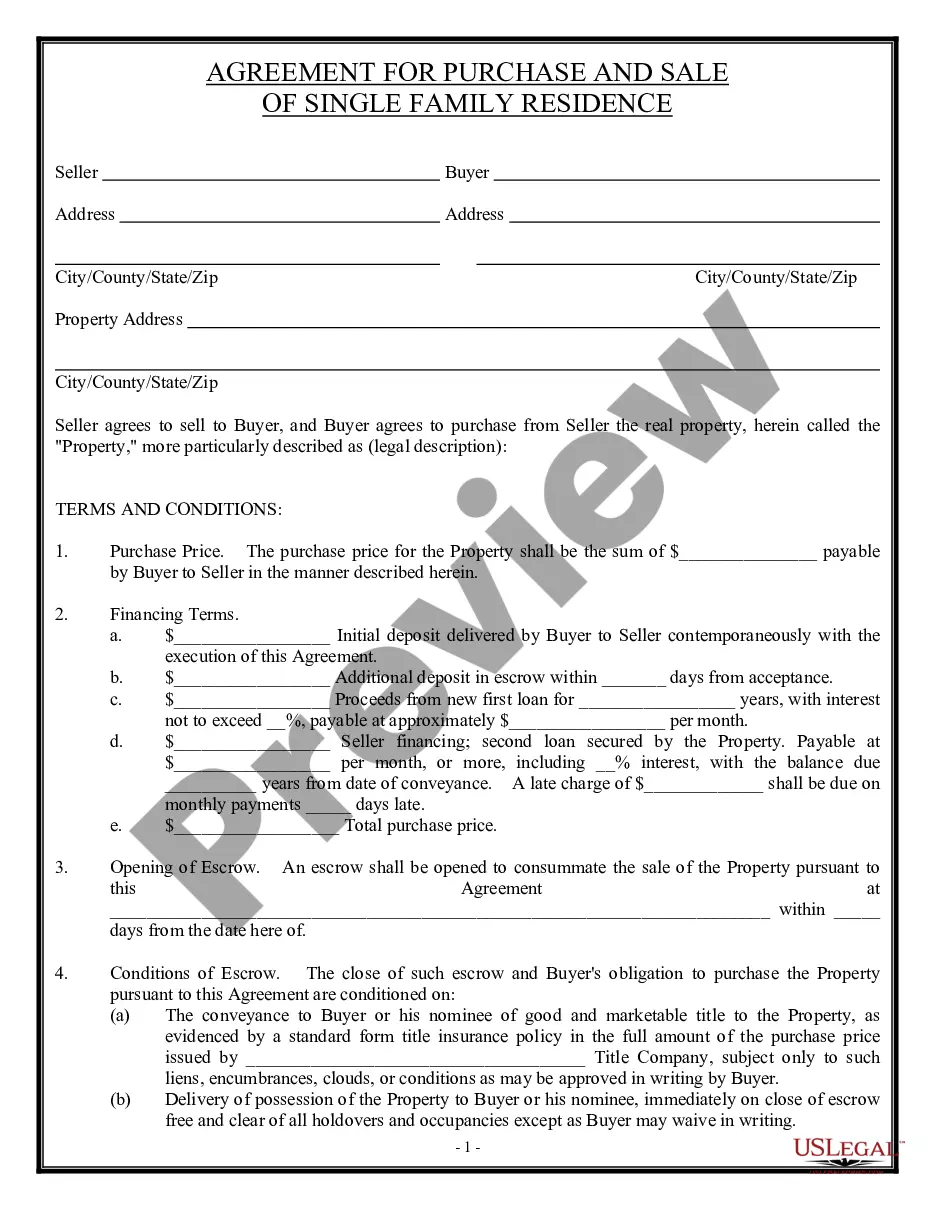
Closing Property Title For Married Couple In Clark
Description

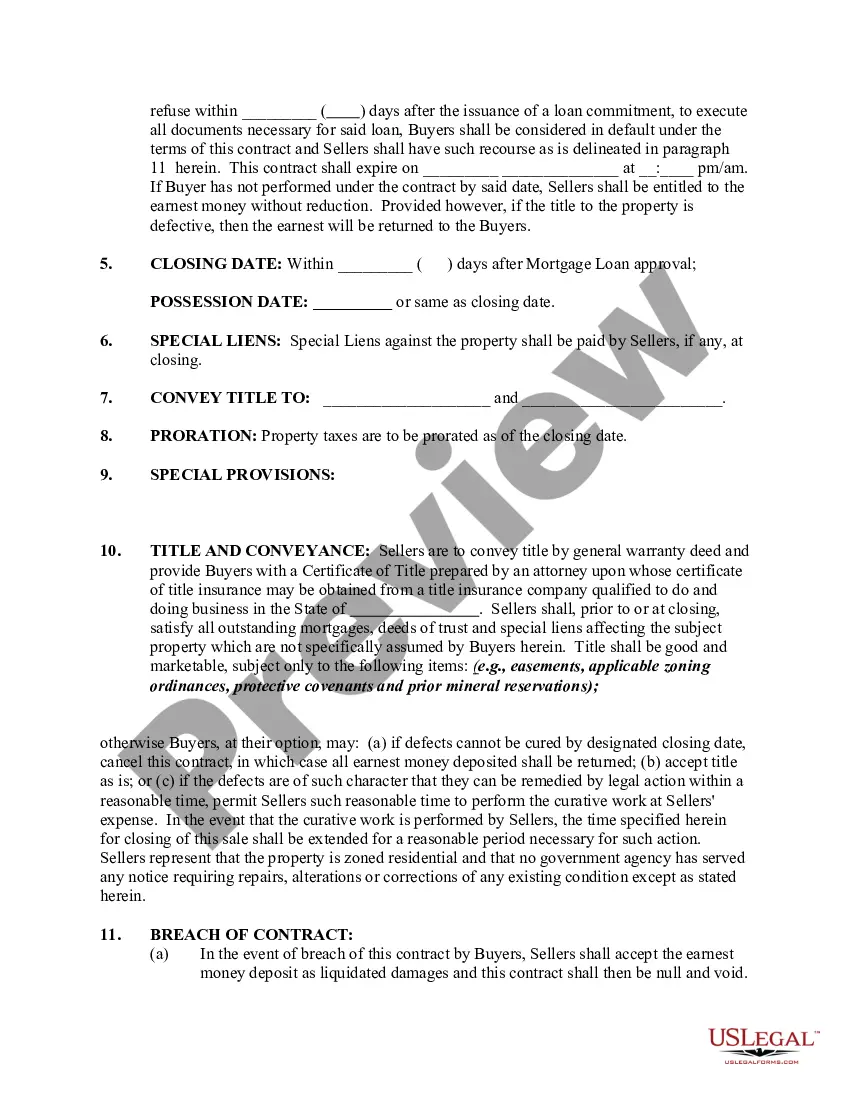
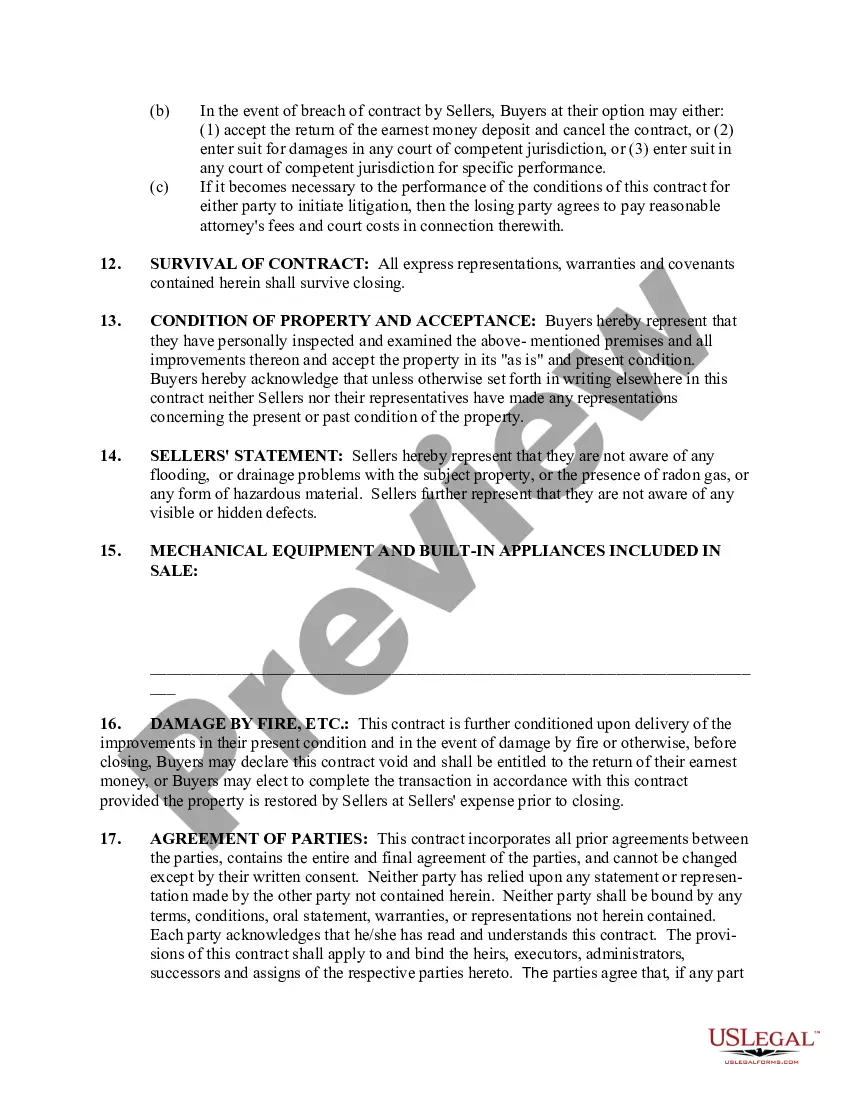
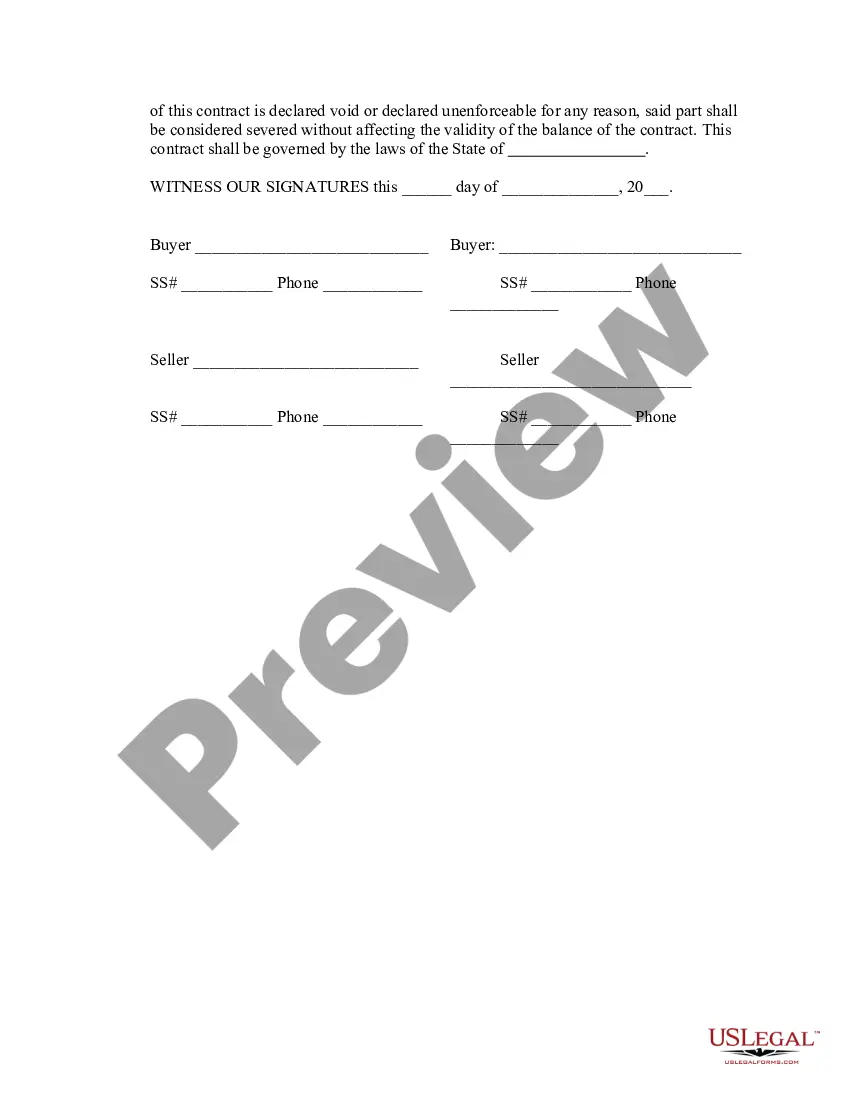
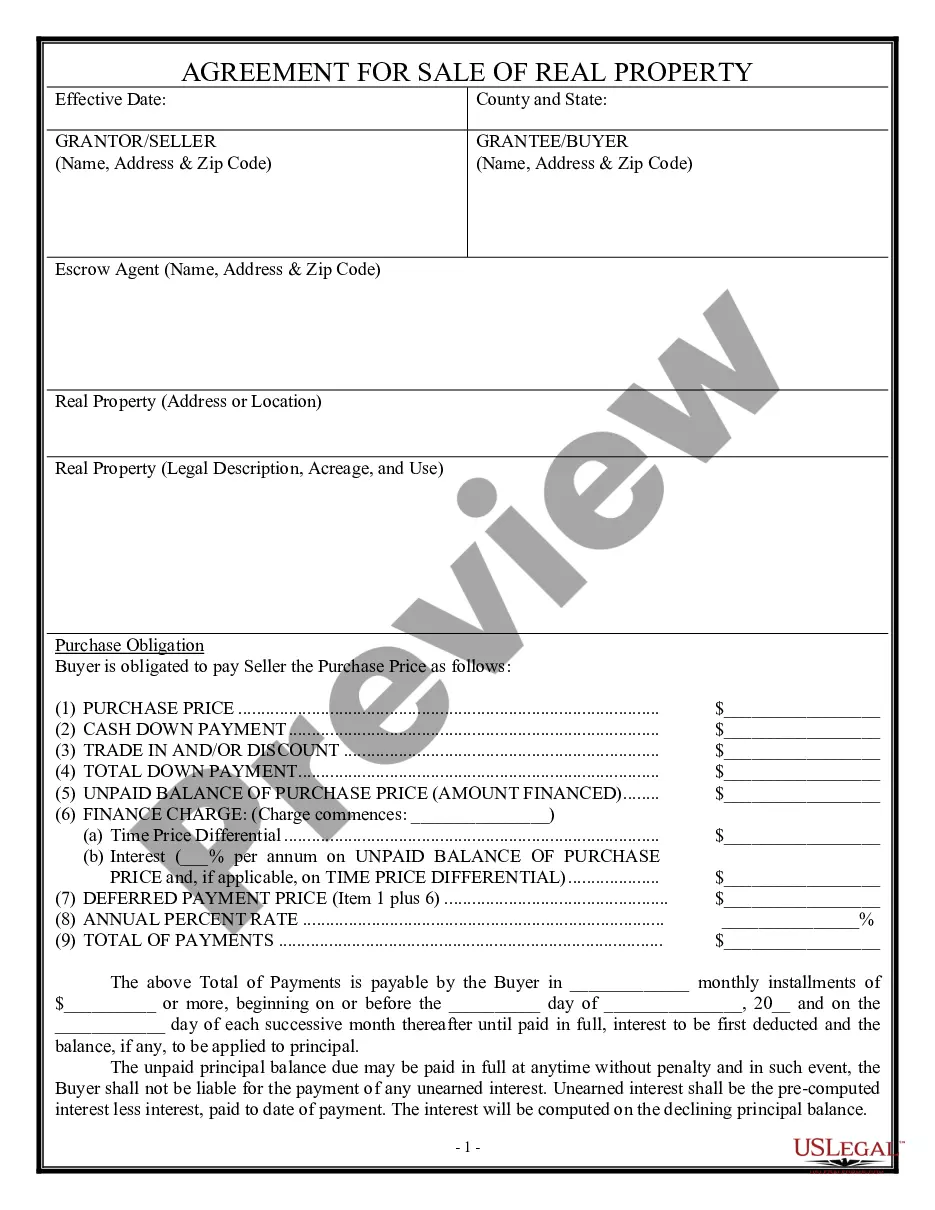
Get your form ready online
Our built-in tools help you complete, sign, share, and store your documents in one place.
Make edits, fill in missing information, and update formatting in US Legal Forms—just like you would in MS Word.
Download a copy, print it, send it by email, or mail it via USPS—whatever works best for your next step.
Sign and collect signatures with our SignNow integration. Send to multiple recipients, set reminders, and more. Go Premium to unlock E-Sign.
If this form requires notarization, complete it online through a secure video call—no need to meet a notary in person or wait for an appointment.
We protect your documents and personal data by following strict security and privacy standards.

Make edits, fill in missing information, and update formatting in US Legal Forms—just like you would in MS Word.

Download a copy, print it, send it by email, or mail it via USPS—whatever works best for your next step.

Sign and collect signatures with our SignNow integration. Send to multiple recipients, set reminders, and more. Go Premium to unlock E-Sign.

If this form requires notarization, complete it online through a secure video call—no need to meet a notary in person or wait for an appointment.

We protect your documents and personal data by following strict security and privacy standards.
Looking for another form?



Form popularity
FAQ
Typically, matrimonial assets include the family home, pensions and savings. If an asset is non-matrimonial it means that is has been brought into the marriage by one spouse only.
Tenancy by the entirety refers to a form of shared property ownership that is usually reserved only for married couples. A tenancy by the entirety permits spouses to jointly own property as a single legal entity. This means that each spouse has an equal and undivided interest in the property.
Married couples can also hold property as joint tenants or tenants in common. However, both California and Nevada have the option for married couples to hold property as “community property” or “community property with right of survivorship”.
For instance, if you're married, the most common way to title your home is Tenancy by the Entirety (TBE). That endows survivorship rights, some creditor protection, and allows for transfers only with the consent of both spouses.
Tenancy by the entirety is a type of property ownership that only applies to married couples. The couple is treated as a single legal entity and mutually co-owns the property.
Joint Tenancy Definition Common Use: This form of ownership is popular among married couples or family members, as it ensures that the property passes to the surviving owner(s) without the need for probate. Legal Implications: In Joint Tenancy, each owner has an undivided interest in the entire property.
When buying real estate unmarried, the default way to take title is as ``tenants in common.'' Married couples usually take title as ``tenants by the entireties'' or ``joint tenants with right of survivorship.'' So changing the way title is taken on the deed post-marriage is a good idea.
Steps Find sample forms. You can find many quitclaim deeds on the Internet. Format your document. Include required information. Provide the address where taxes should be mailed. Title the document. Identify the parties. Describe the property. Identify who prepared the legal description of property.
To add your wife's name to the title of your house in California, follow these steps: Obtain a quitclaim deed or interspousal grant deed form. Fill out the deed form, including the legal description of the property from your current deed. Have the quitclaim/grant deed notarized with both of your signatures.