Closing Any Property Without Permission In Clark
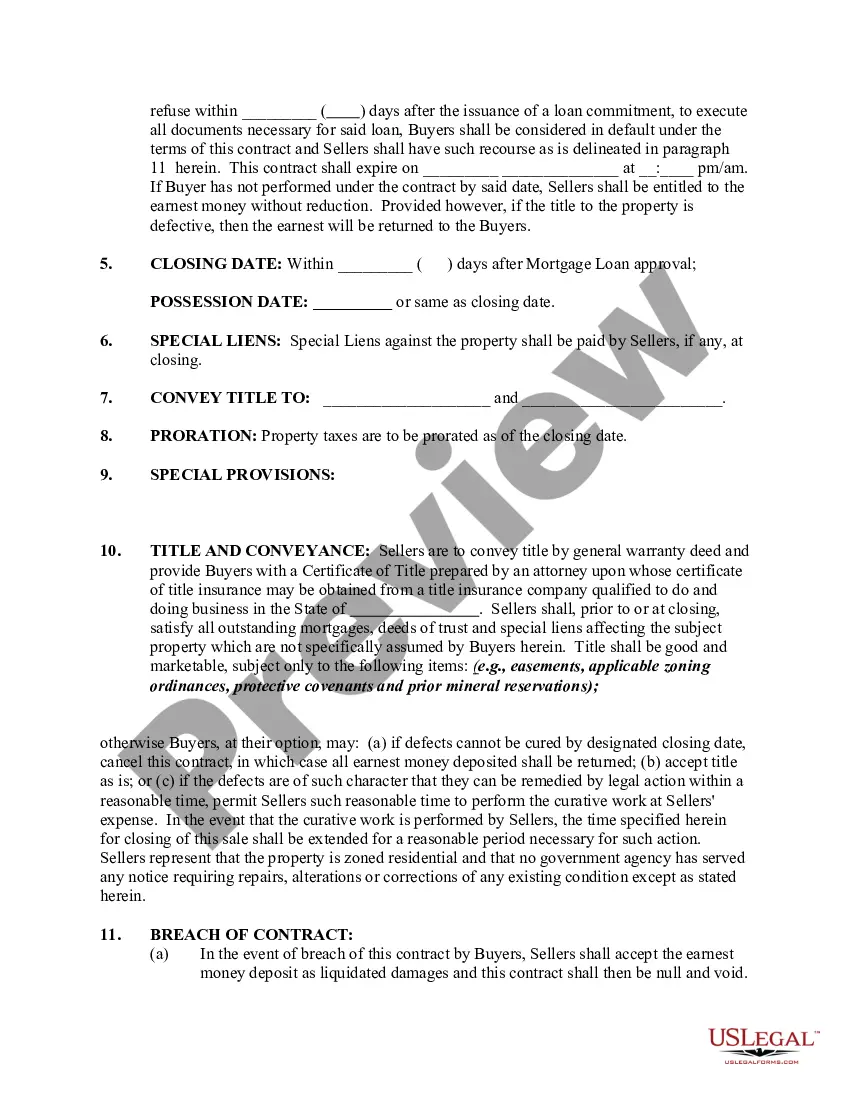
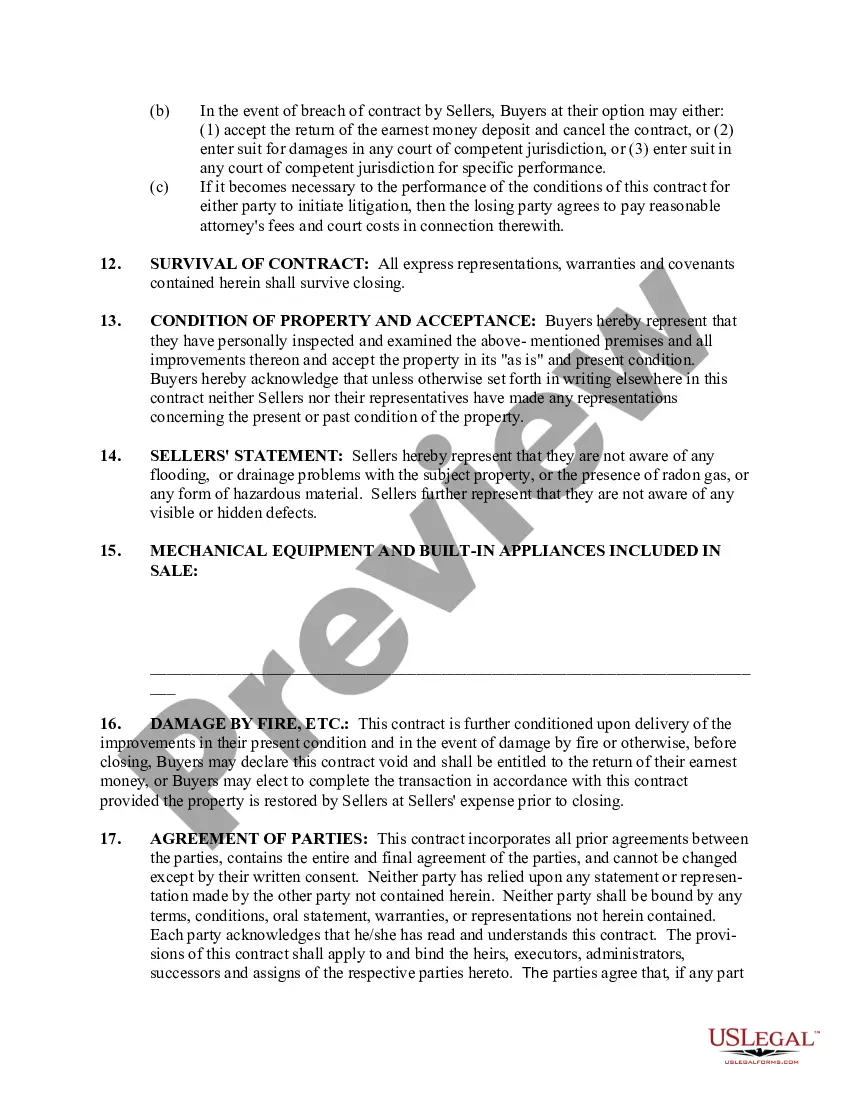
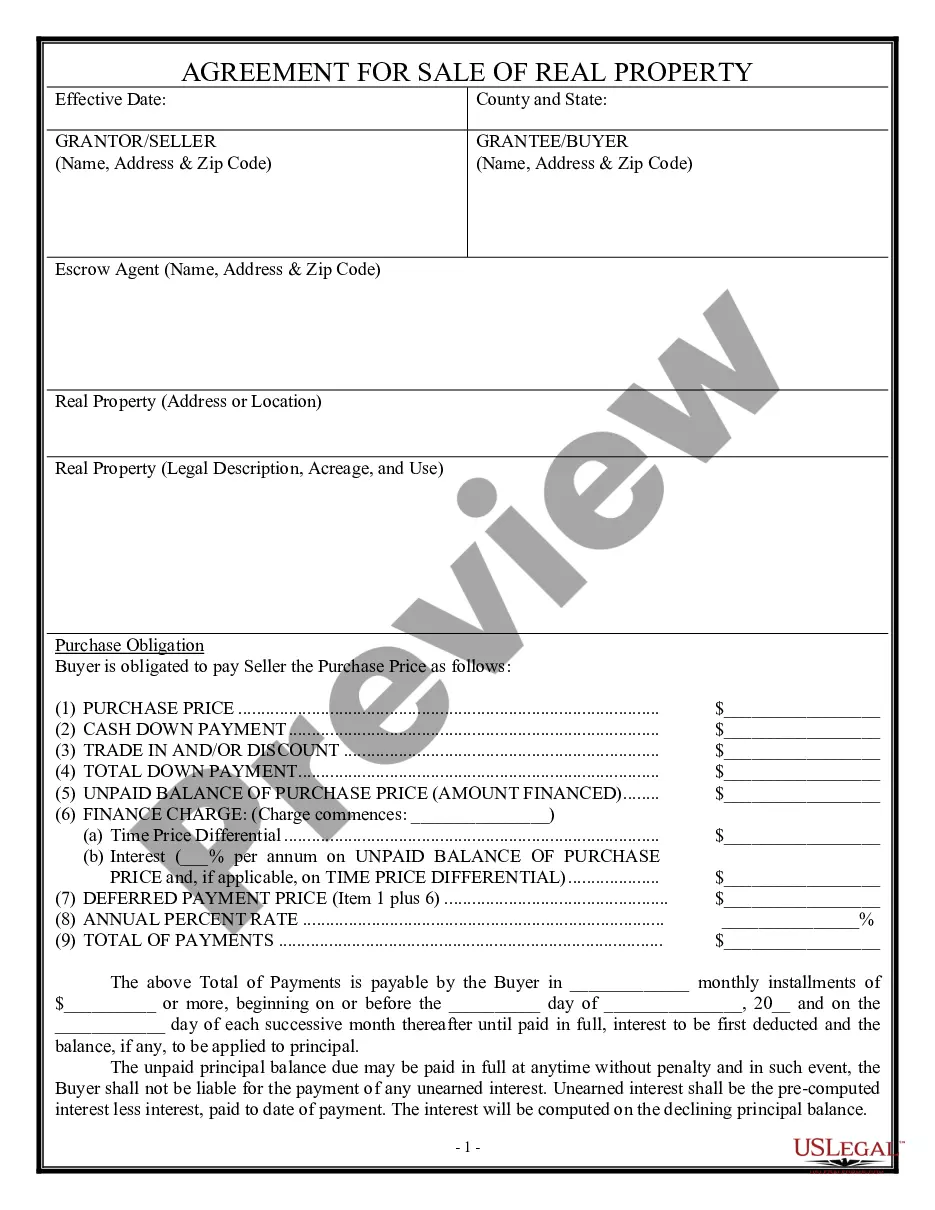
Description

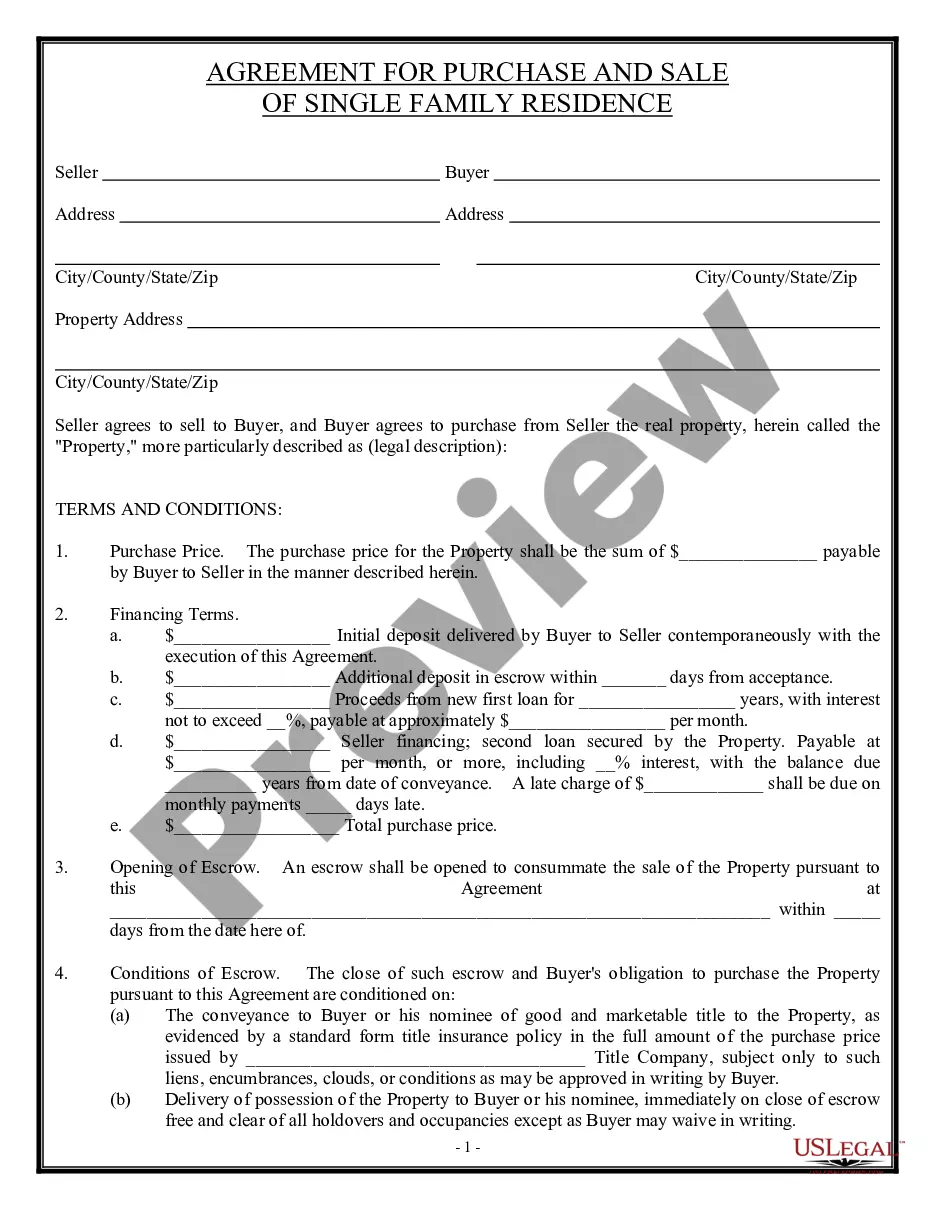
Get your form ready online
Our built-in tools help you complete, sign, share, and store your documents in one place.
Make edits, fill in missing information, and update formatting in US Legal Forms—just like you would in MS Word.
Download a copy, print it, send it by email, or mail it via USPS—whatever works best for your next step.
Sign and collect signatures with our SignNow integration. Send to multiple recipients, set reminders, and more. Go Premium to unlock E-Sign.
If this form requires notarization, complete it online through a secure video call—no need to meet a notary in person or wait for an appointment.
We protect your documents and personal data by following strict security and privacy standards.

Make edits, fill in missing information, and update formatting in US Legal Forms—just like you would in MS Word.

Download a copy, print it, send it by email, or mail it via USPS—whatever works best for your next step.

Sign and collect signatures with our SignNow integration. Send to multiple recipients, set reminders, and more. Go Premium to unlock E-Sign.

If this form requires notarization, complete it online through a secure video call—no need to meet a notary in person or wait for an appointment.

We protect your documents and personal data by following strict security and privacy standards.
Looking for another form?








Form popularity
FAQ
In short yes, they can back out of a contract at anytime. However, depending on the reason or time, they could be in default of the contract and open themself up to legal damages.
If, however, the buyer cannot complete for any reason, the seller can retain the buyer's deposit and resell the property. The seller can then claim for any losses he may have suffered due to the failure to complete.
If a buyer chooses not to close at this late stage, they're more likely to face consequences. If the buyer has no contingencies left to void the contract, and still decides not to sign, the buyer is likely in default of the contract,” says Rodgers. “This could mean loss of deposit, but it could even go beyond that.”
The closing process involves four specific steps: Step 1: Close revenue accounts to Income Summary. Income Summary is a temporary account used during the closing process. Step 2: Close expense accounts to Income Summary. Step 3: Close Income Summary to Retained Earnings. Step 4: Close dividends to Retained Earnings.
What is the most important document at closing and why? The deed is the most important document because it transfers the property to the purchaser.
When a buyer won't close or does not complete an agreement without cause the buyer will be responsible for making the seller “whole”. This means that the seller is entitled to be put in the same position as the seller would have been had the buyer completed the transaction as scheduled.
Can a California home seller require that a buyer must physically view the home being sold? Sure, why not? There is no legal restriction on such a clause. The seller probably wants to be certain that the buyer is serious, won't back out during the sale, and won't sue the seller for defects discovered after closing.
Check with your county clerk. They may have a property fraud alert system for which you can sign up. Also let them know that you have experienced suspicious activity and that you believe someone may be trying to steal your title or other fraudulent activity. Talk to your title company, and mortgage company as well.
If they sell the property without any legal authority to do so this would be fraud.
A person who does this without a title interest in the property or authority from you commits a criminal act. It's called fraud, but he is really “stealing” your property. The short answer is yes. Anyone can sell your property without your consent.
