Closing Property Title Without In Chicago
Description

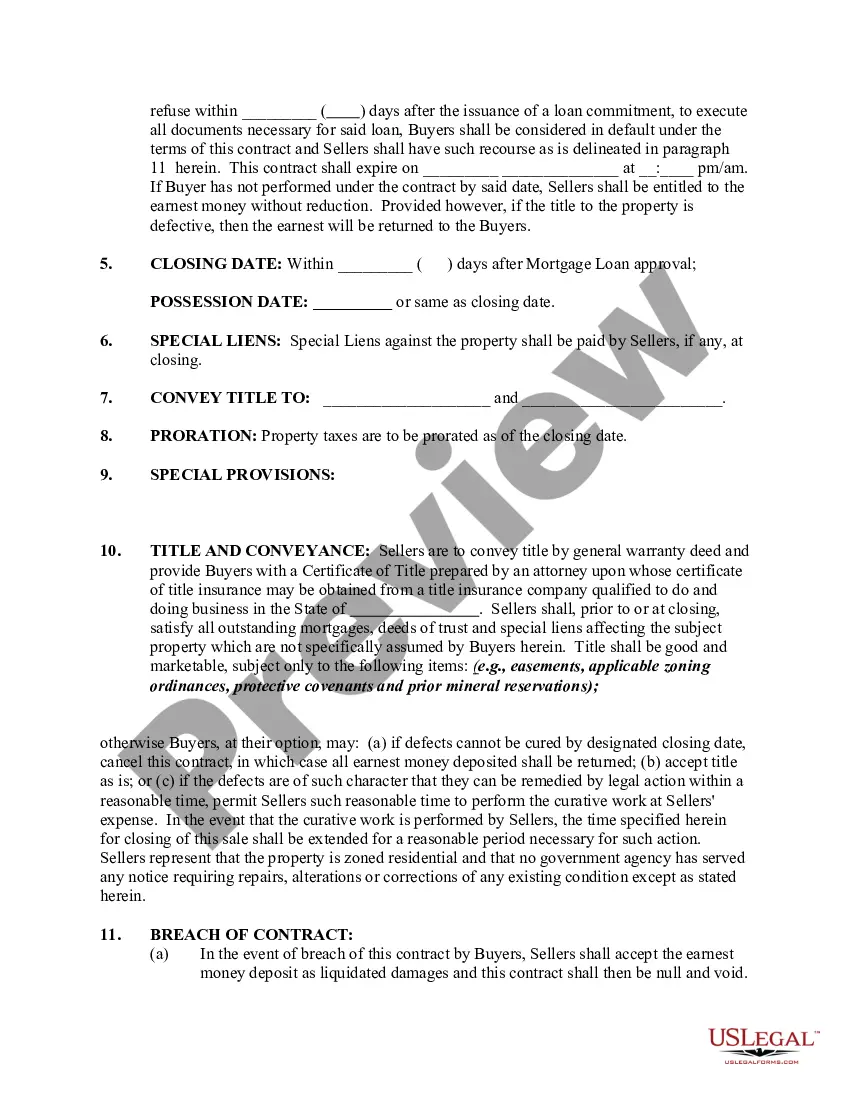
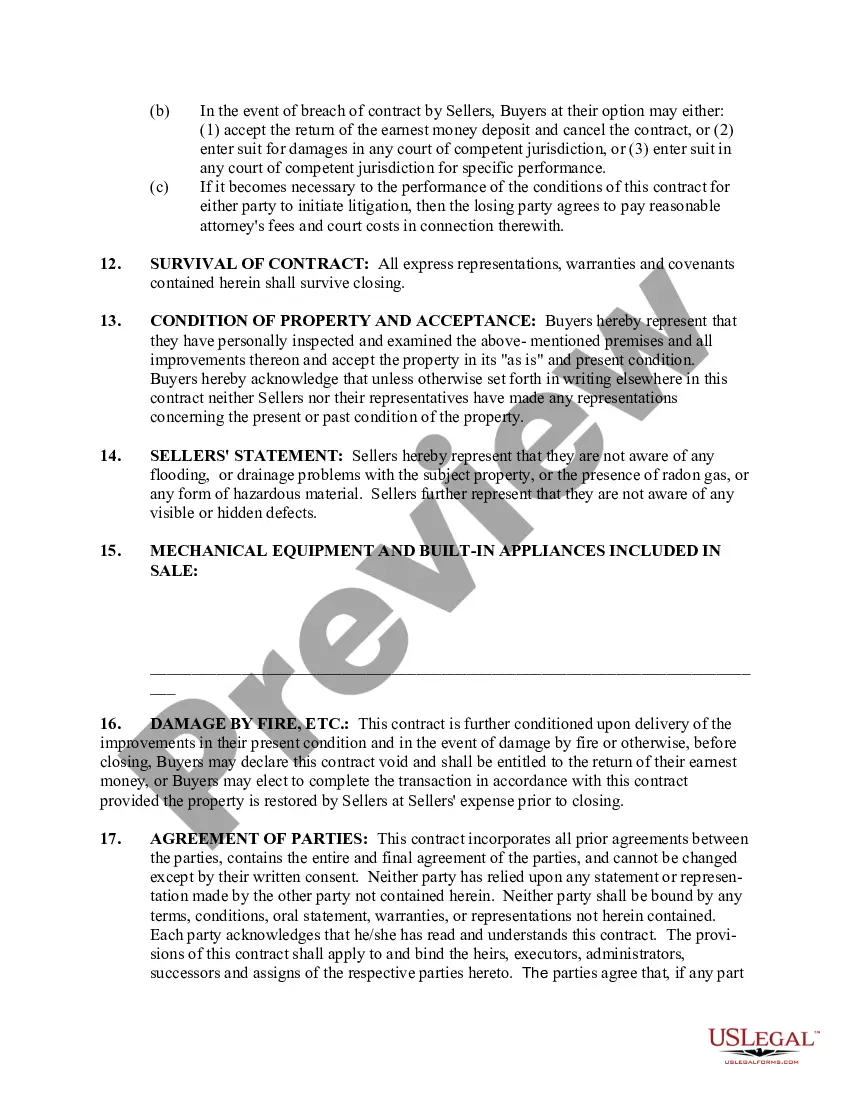

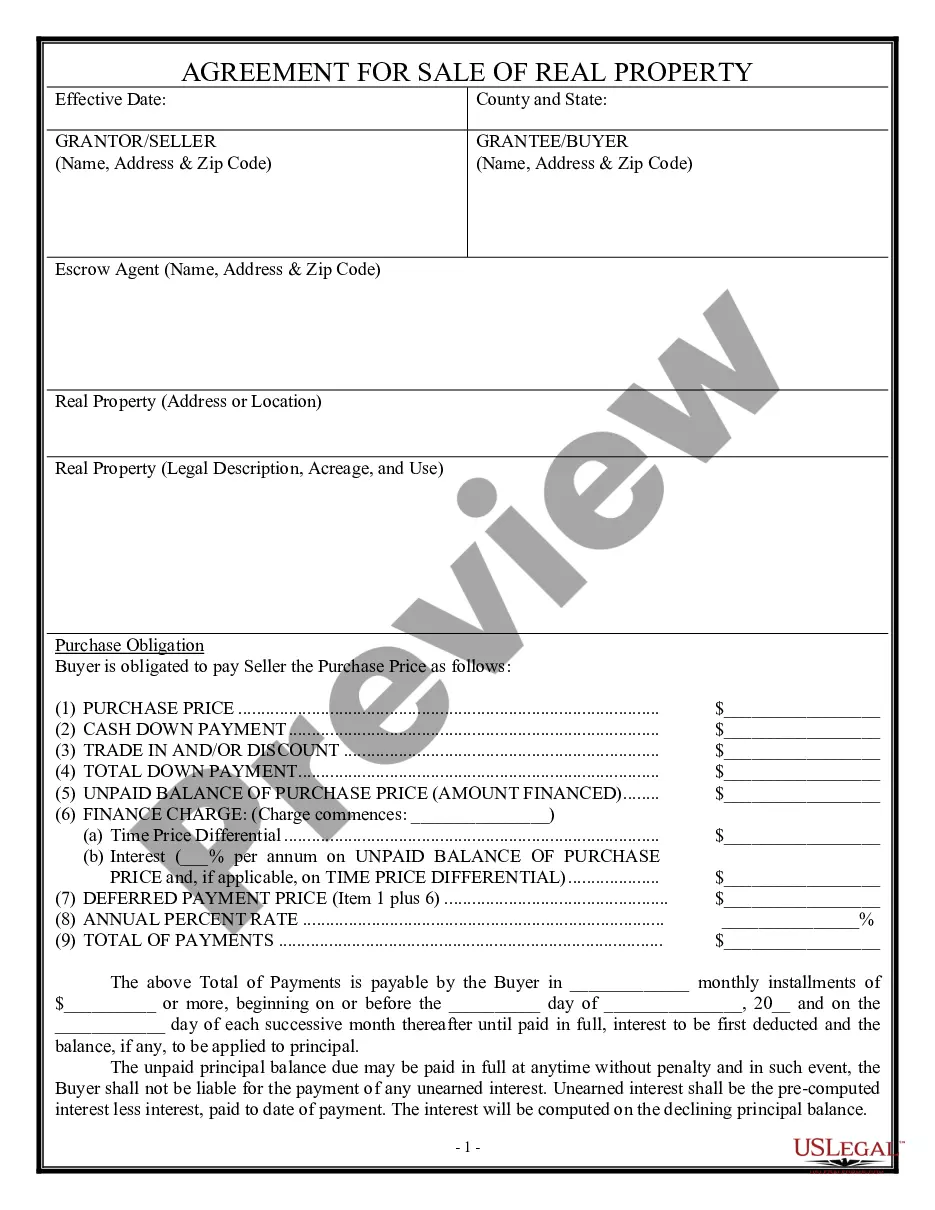
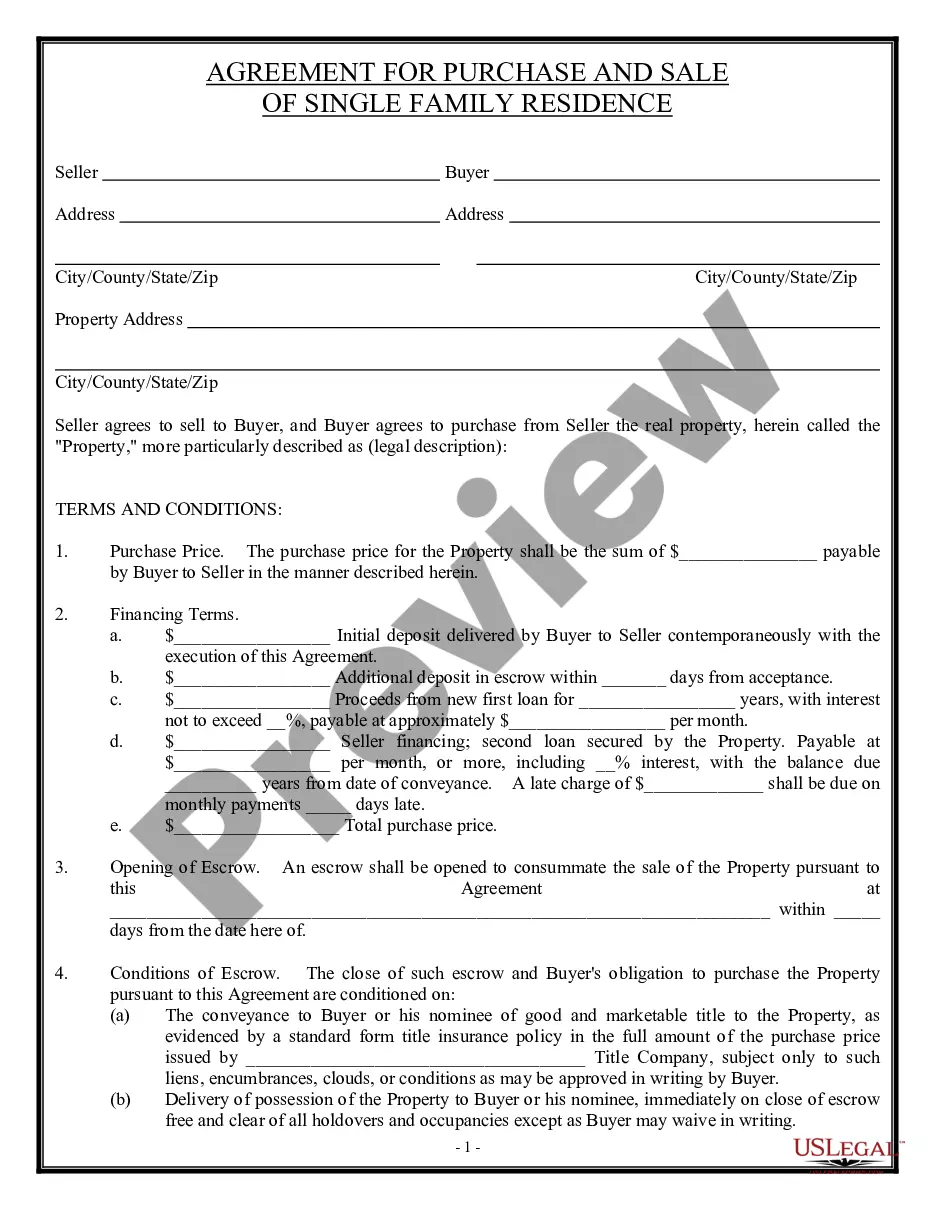
Get your form ready online
Our built-in tools help you complete, sign, share, and store your documents in one place.
Make edits, fill in missing information, and update formatting in US Legal Forms—just like you would in MS Word.
Download a copy, print it, send it by email, or mail it via USPS—whatever works best for your next step.
Sign and collect signatures with our SignNow integration. Send to multiple recipients, set reminders, and more. Go Premium to unlock E-Sign.
If this form requires notarization, complete it online through a secure video call—no need to meet a notary in person or wait for an appointment.
We protect your documents and personal data by following strict security and privacy standards.

Make edits, fill in missing information, and update formatting in US Legal Forms—just like you would in MS Word.

Download a copy, print it, send it by email, or mail it via USPS—whatever works best for your next step.

Sign and collect signatures with our SignNow integration. Send to multiple recipients, set reminders, and more. Go Premium to unlock E-Sign.

If this form requires notarization, complete it online through a secure video call—no need to meet a notary in person or wait for an appointment.

We protect your documents and personal data by following strict security and privacy standards.
Looking for another form?



Form popularity
FAQ
Hiring legal counsel is technically optional for buyers and sellers in Illinois. However, just because the law doesn't require it does not mean an attorney shouldn't be strongly considered. Their expertise can help optimize the closing process, prevent any surprises, and safeguard your financial interests.
Also, in IL, attorneys are title agents. They receive some of their compensation from the title company. The seller's attorney picks the title company and this is where the closing is held. The seller buys their title insurance from this company.
Electronic notarization, particularly through a platform like Stavvy, is revolutionizing the real estate closing process by offering a blend of remote online notarization (RON) and in-person electronic notarization (IPEN) providing the flexibility to choose the most suitable eClosing method for each transaction.
You can elect to close your real estate transaction from the comfort of your home or office using approved and secure technology providers approved by the state of Florida.
You must file either (1) Form PTAX-203 and any required documents with the deed or trust document or (2) an exemption notation on the original deed or trust document at the County Recorder's office within the county where the property is located.
Once an offer is accepted, the timeline involves securing financing, completing inspections, and meeting lender requirements before closing. While the process often takes around 45 to 60 days, it can vary based on factors like lender speed, appraisal results, and the complexity of the transaction.
In Illinois, the seller's attorney typically selects the title company that will handle the escrow and closing process.
State of Illinois | Department of Financial & Professional Regulation.
