Closure Any Property With Example In Arizona
Description

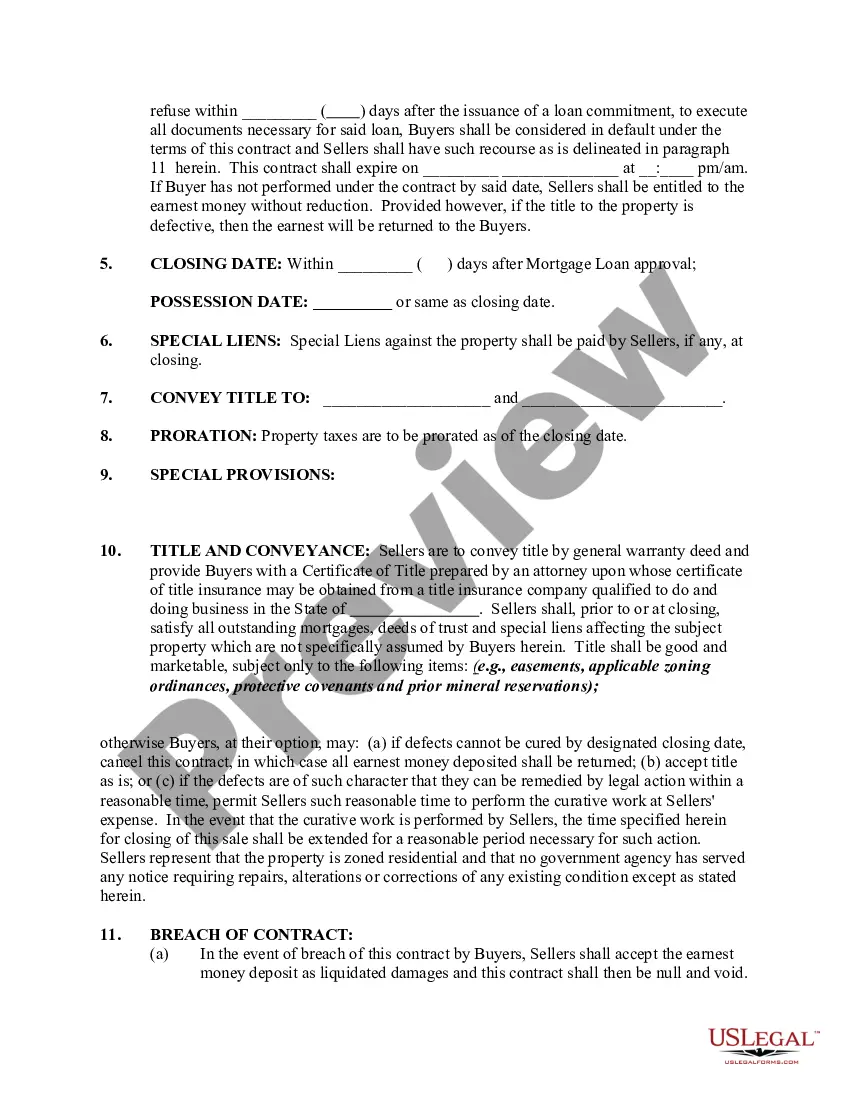
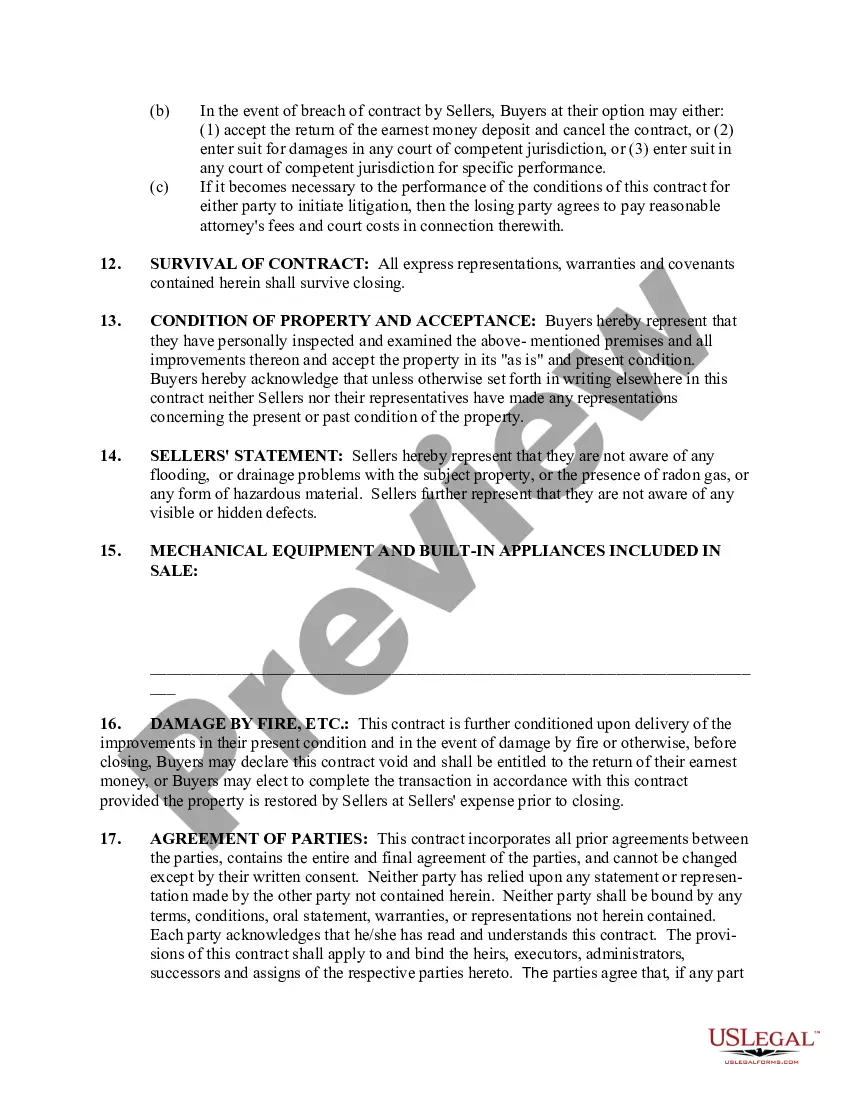
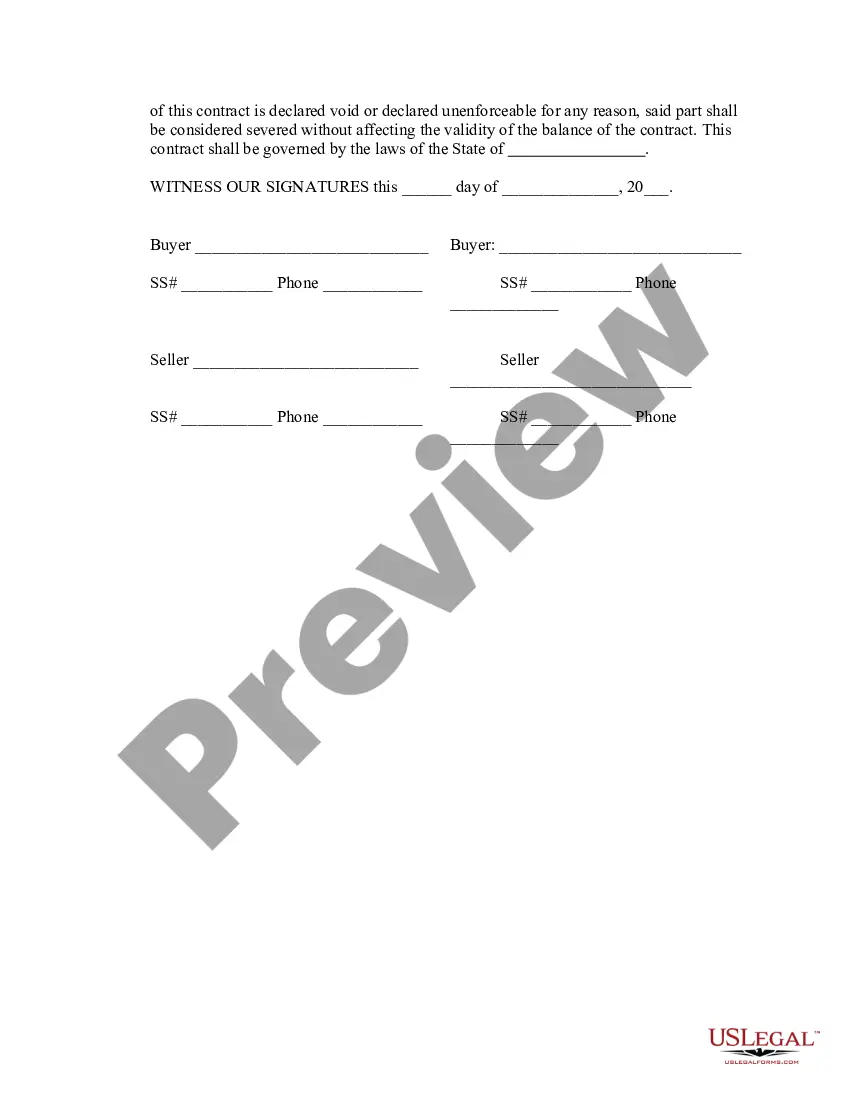
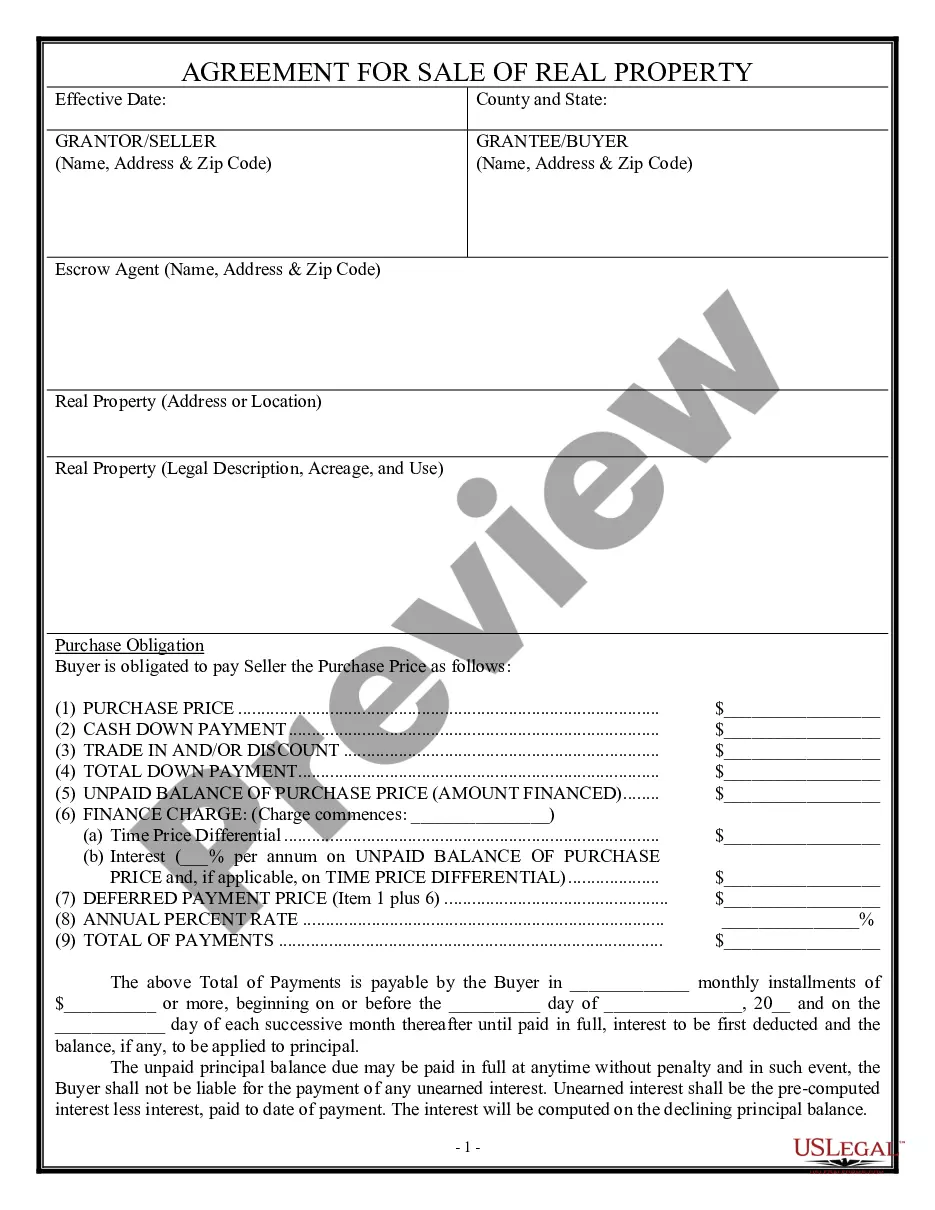
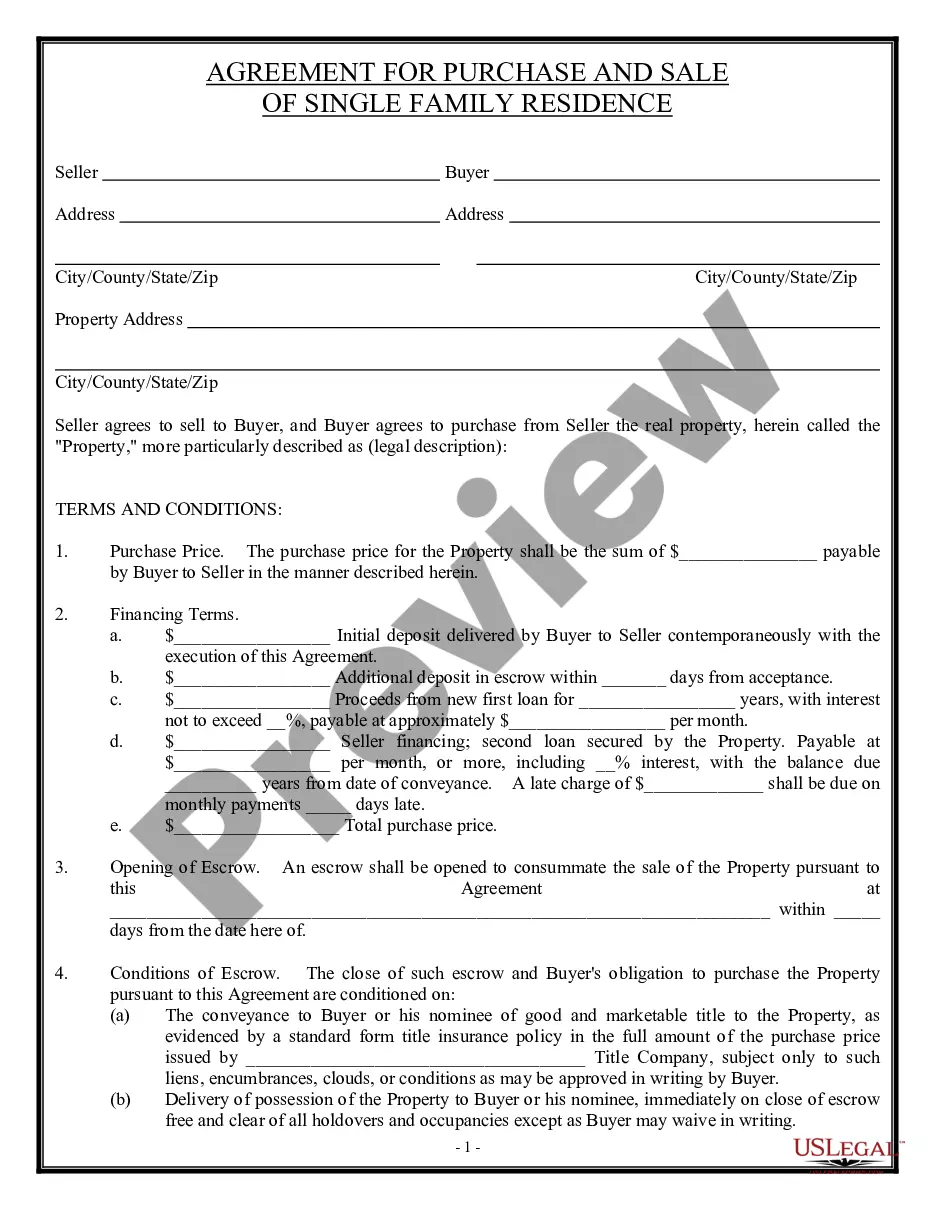
Get your form ready online
Our built-in tools help you complete, sign, share, and store your documents in one place.
Make edits, fill in missing information, and update formatting in US Legal Forms—just like you would in MS Word.
Download a copy, print it, send it by email, or mail it via USPS—whatever works best for your next step.
Sign and collect signatures with our SignNow integration. Send to multiple recipients, set reminders, and more. Go Premium to unlock E-Sign.
If this form requires notarization, complete it online through a secure video call—no need to meet a notary in person or wait for an appointment.
We protect your documents and personal data by following strict security and privacy standards.

Make edits, fill in missing information, and update formatting in US Legal Forms—just like you would in MS Word.

Download a copy, print it, send it by email, or mail it via USPS—whatever works best for your next step.

Sign and collect signatures with our SignNow integration. Send to multiple recipients, set reminders, and more. Go Premium to unlock E-Sign.

If this form requires notarization, complete it online through a secure video call—no need to meet a notary in person or wait for an appointment.

We protect your documents and personal data by following strict security and privacy standards.
Looking for another form?









Form popularity
FAQ
Personal representatives (i.e., executors and administrators of the estate) are required to provide beneficiaries and other interested parties (i.e., persons or entities with a financial stake in the estate) with financial information about the estate they are overseeing.
Some estates will not need to go through probate, while others qualify for simplified probate. Some types of assets automatically pass to an heir without any oversight from the probate court.
When should everything get distributed to you, if you're a beneficiary? There's no deadline. Basically, our laws say it has to be done in a reasonable timeframe, and we all know what the courts think is reasonable. It really can take as long as the executor wants, as long as they're doing something to move it forward.
As long as there aren't any contests to the will or objections to the executor's actions, the executor will be allowed to settle the estate at the conclusion of the four-month waiting period. That means an executor who is on top of their responsibilities could theoretically wrap up probate in as little as four months.
Who Gets What in Arizona? If you die with:here's what happens: children but no spouse children inherit everything spouse but no descendants spouse inherits everything a spouse and descendants from you and that spouse spouse inherits everything3 more rows
After the buyer and seller agree to terms of a sale, the transaction goes into escrow, which can take several weeks (30-45 days or more) to reach closing. Escrow can be opened by the buyer or the seller's real estate agent.
“Close of escrow” means that both buyer and seller have met the conditions in the homebuying contract and the third party that holds the documents and funds can move forward with the sale.
The most common deed form in Arizona is the warranty deed. Warranty deeds provide protection to the buyer in the form of a warranty by the seller that guarantees no issues with the title.
To get title to the property after your death, the beneficiary must record a certified copy of the death certificate in the recorder's office. No probate is necessary. Use Nolo's Quicken WillMaker to make a beneficiary deed or transfer on death deed in any state that allows it.
You can also avoid probate by using a form of ownership with rights of survivorship when you title or acquire property. There are two (2) forms of ownership with rights of survivorship: 1) Joint Tenants with Right of Survivorship; and 2) Community Property with Rights of Survivorship.
