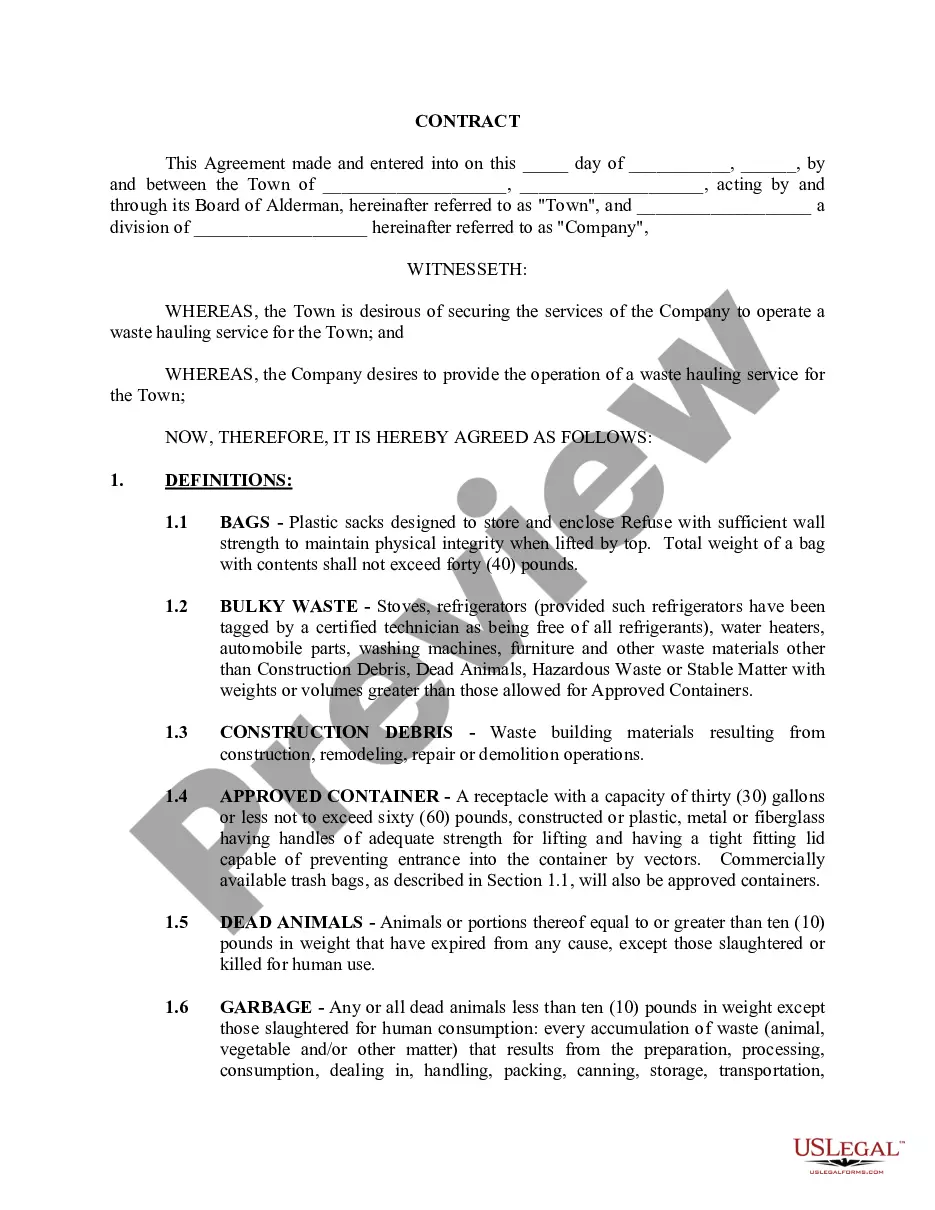
Contract For Hauling Services In Hennepin
Description

Get your form ready online
Our built-in tools help you complete, sign, share, and store your documents in one place.
Make edits, fill in missing information, and update formatting in US Legal Forms—just like you would in MS Word.
Download a copy, print it, send it by email, or mail it via USPS—whatever works best for your next step.
Sign and collect signatures with our SignNow integration. Send to multiple recipients, set reminders, and more. Go Premium to unlock E-Sign.
If this form requires notarization, complete it online through a secure video call—no need to meet a notary in person or wait for an appointment.
We protect your documents and personal data by following strict security and privacy standards.
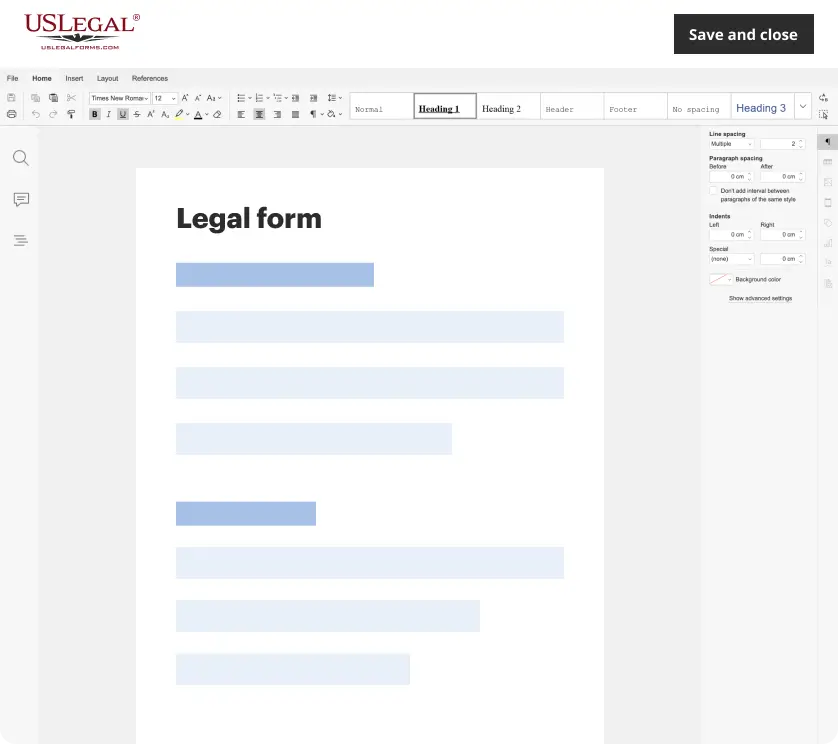
Make edits, fill in missing information, and update formatting in US Legal Forms—just like you would in MS Word.
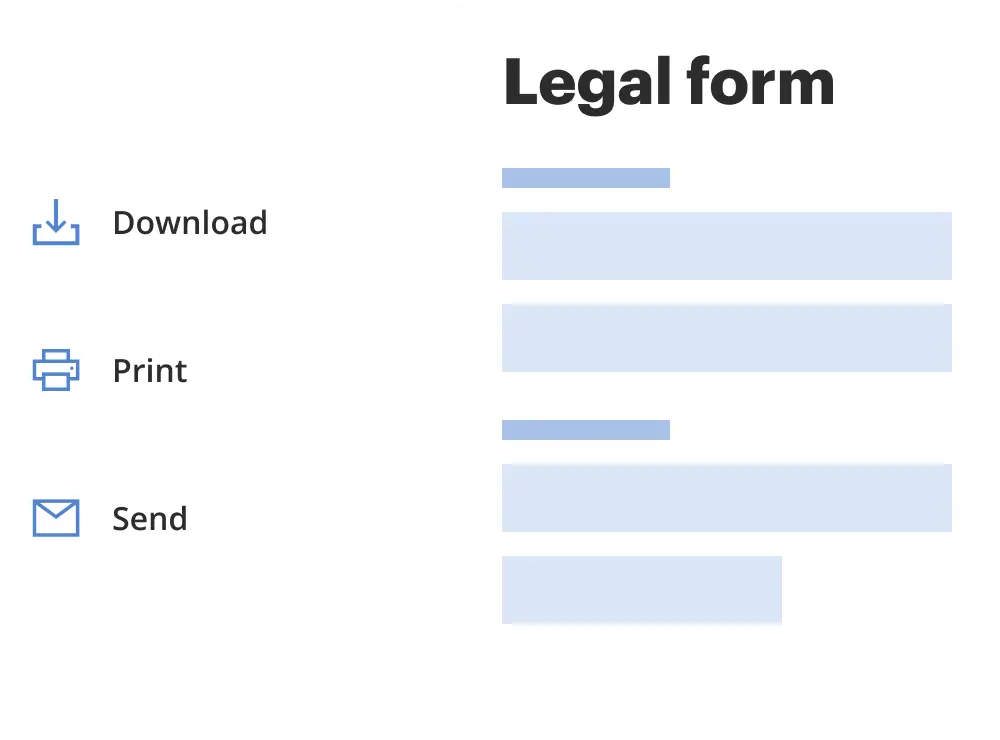
Download a copy, print it, send it by email, or mail it via USPS—whatever works best for your next step.
Sign and collect signatures with our SignNow integration. Send to multiple recipients, set reminders, and more. Go Premium to unlock E-Sign.
If this form requires notarization, complete it online through a secure video call—no need to meet a notary in person or wait for an appointment.
We protect your documents and personal data by following strict security and privacy standards.
Looking for another form?








Form popularity
FAQ
This Ordinance regulates the separation of Mixed Recyclables and Organic Material from Waste by Generators. This Ordinance is consistent with County adopted goals established by the Minnesota Pollution Control Agency in its Metropolitan Solid Waste Management Policy Plan and mandated by Minnesota Statute, section 115A.
The county has defined zero waste as preventing 90% or more of all discarded materials from being landfilled or incinerated. The actions in the Hennepin County Zero Waste Plan are designed to collectively move the county as close as possible to the goal of zero waste.
Haulage uses roads and railways to deliver goods from one place to another. On the other hand, freight uses the road, railway - plus ships and aircraft. Haulage and road freight are essentially the same things, and you could even argue that haulage falls under the freight bracket.
Haulage is the business of transporting goods by road or rail between suppliers and large consumer outlets, factories, warehouses, or depots. This includes everything humans might wish to move in bulk – from vegetables and other foodstuffs, to clothes, ore, coal, and other supplies.
The most common type of haulage is road haulage, which uses trucks or trailers to transport goods on public roads. This is the most efficient way to transport goods over long distances, as it doesn't require the use of expensive infrastructures like railways or pipelines.
A contract will normally be created every time a haulier agrees to carry goods for another business. Haulage Contracts. A contract exists when an offer has been made and accepted ― there is no requirement for it to be in writing. Verbal Contracts.
