Boat Contract With Us Navy In Wake
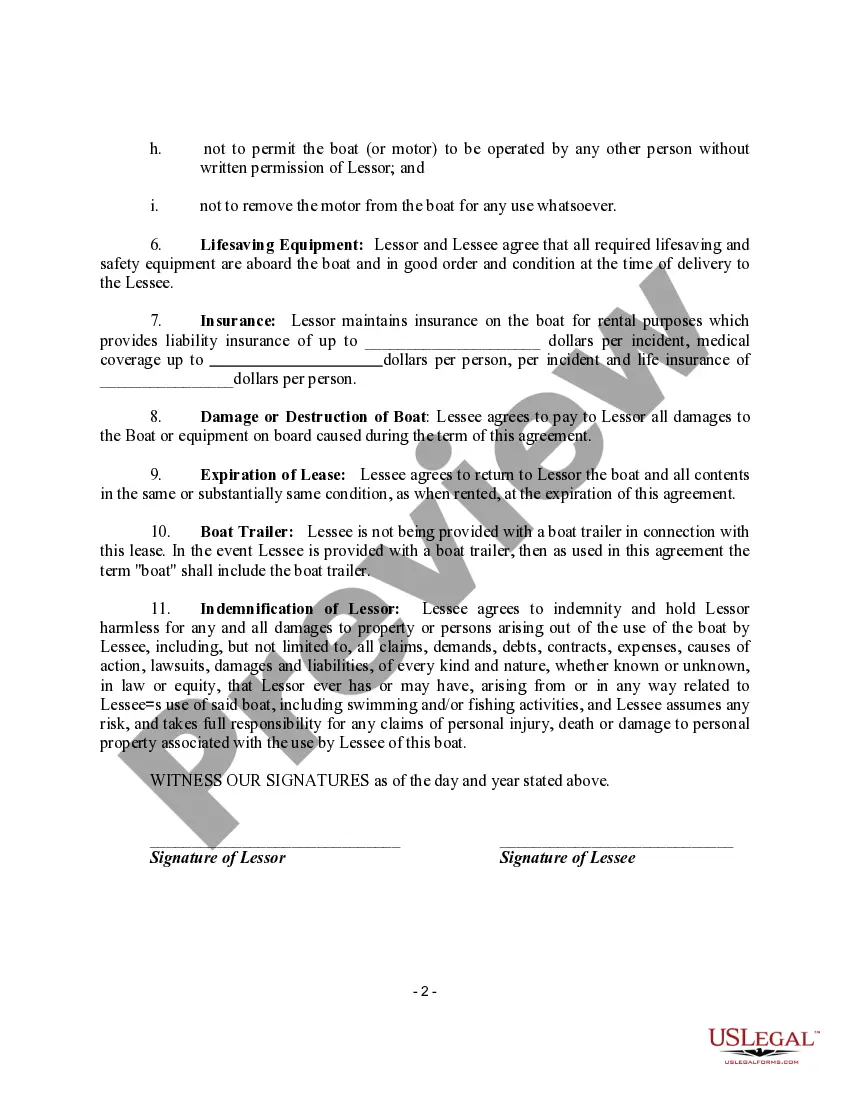
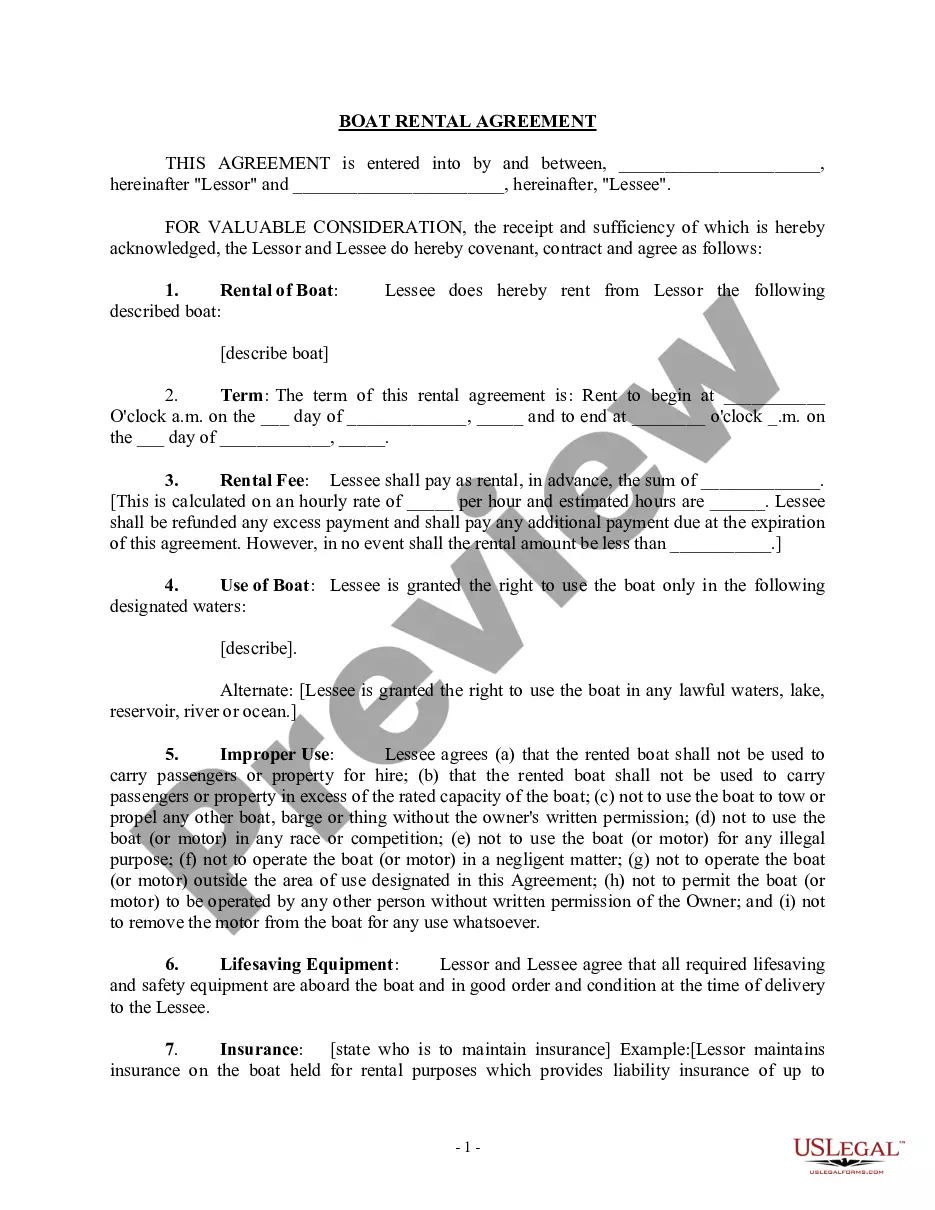
Description

Get your form ready online
Our built-in tools help you complete, sign, share, and store your documents in one place.
Make edits, fill in missing information, and update formatting in US Legal Forms—just like you would in MS Word.
Download a copy, print it, send it by email, or mail it via USPS—whatever works best for your next step.
Sign and collect signatures with our SignNow integration. Send to multiple recipients, set reminders, and more. Go Premium to unlock E-Sign.
If this form requires notarization, complete it online through a secure video call—no need to meet a notary in person or wait for an appointment.
We protect your documents and personal data by following strict security and privacy standards.

Make edits, fill in missing information, and update formatting in US Legal Forms—just like you would in MS Word.

Download a copy, print it, send it by email, or mail it via USPS—whatever works best for your next step.

Sign and collect signatures with our SignNow integration. Send to multiple recipients, set reminders, and more. Go Premium to unlock E-Sign.

If this form requires notarization, complete it online through a secure video call—no need to meet a notary in person or wait for an appointment.

We protect your documents and personal data by following strict security and privacy standards.
Looking for another form?







Form popularity
FAQ
Here are some of the shortest military contract options available: Army National Guard (3-Year Contract) ... Air National Guard (3-Year Contract) ... Army Reserve (3-Year Contract) ... Navy Reserve (2-Year Contract)
How Long Will I Serve? Enlisted positions typically require an initial service commitment of four years, but positions involving longer-term training may involve five- or six-year obligations.
All new enlistment and commissioning contracts executed on or after October 1, 2020, include the minimum four years Active Duty (AD), followed by up to two years of SELRES service and two years of Individual Ready Reserve (IRR) service to satisfy the eight-year MSO.
A standard Navy contract typically ranges from 2 to 6 years, depending on the type of enlistment and the individual's circumstances. For example, the most common contract length for new enlistees is 4 years, with some contracts extending up to 6 years for certain Military Occupational Specialties (MOS).
When boarding a ship, an officer in civilian clothes will stop at the top of the gangway, face the colors (aft), come briefly to attention, then face the Officer of the Deck (OOD) and "request permission to come aboard." You as a civilian should follow this same procedure.
Time: The length of your enlistment contract will depend on the type of job you choose and the branch of the Navy you're joining. Typical contracts range from two to six years. Service: As a sailor, you'll be required to serve on active duty or in the reserves.
Navy Contract Length The typical contract length for the Navy is four to six years, although some contracts may be shorter or longer. The length of your contract will depend on your job specialty, also known as your rating.
A Sailor is typically assigned to a ship for a three-year period, followed by a three-year period of shore duty. However, you will not be at sea for three years straight, as most ships spend a significant amount of time docked at their home port.
Sailors accompanied by dependents will be offered housing on-base. Sailors who are not accompanied by their dependents will live on the ship. Common items needed for everyday use such as shampoo, body wash and toothpaste are available at both of the ship's stores located onboard.
When boarding a ship, an officer in civilian clothes will stop at the top of the gangway, face the colors (aft), come briefly to attention, then face the Officer of the Deck (OOD) and "request permission to come aboard." You as a civilian should follow this same procedure.
