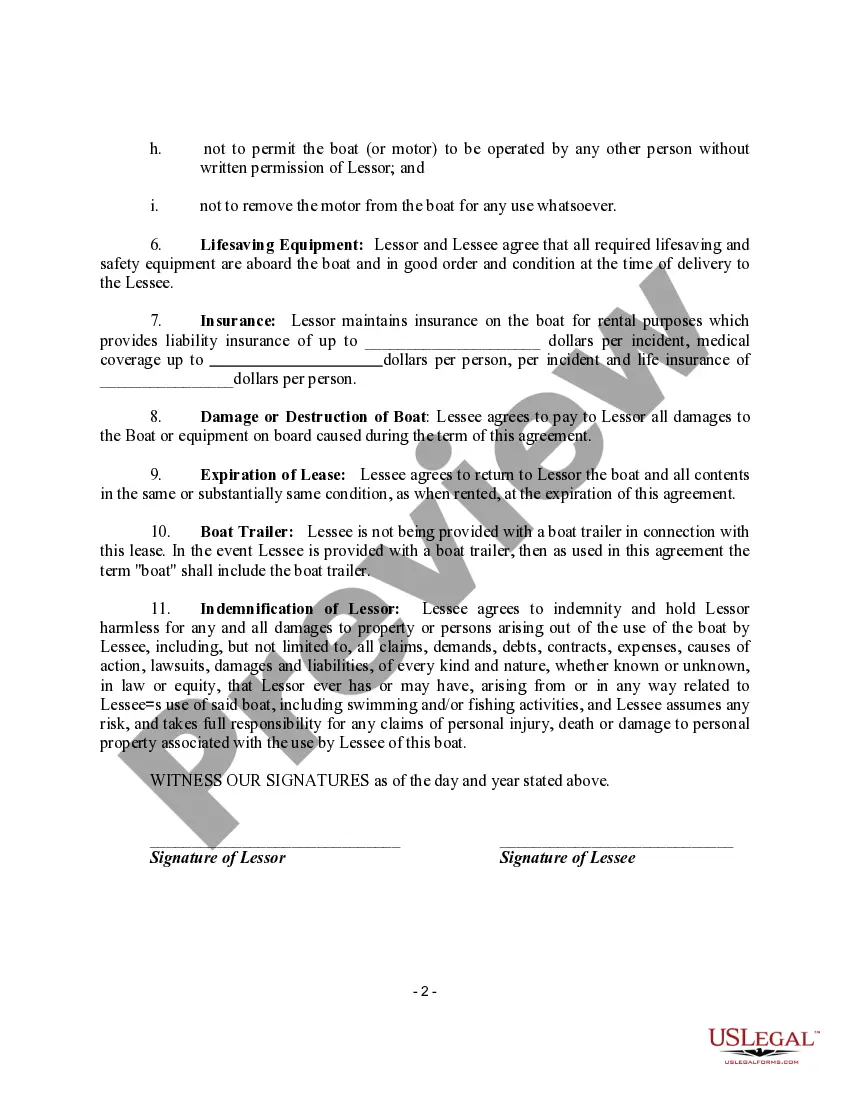
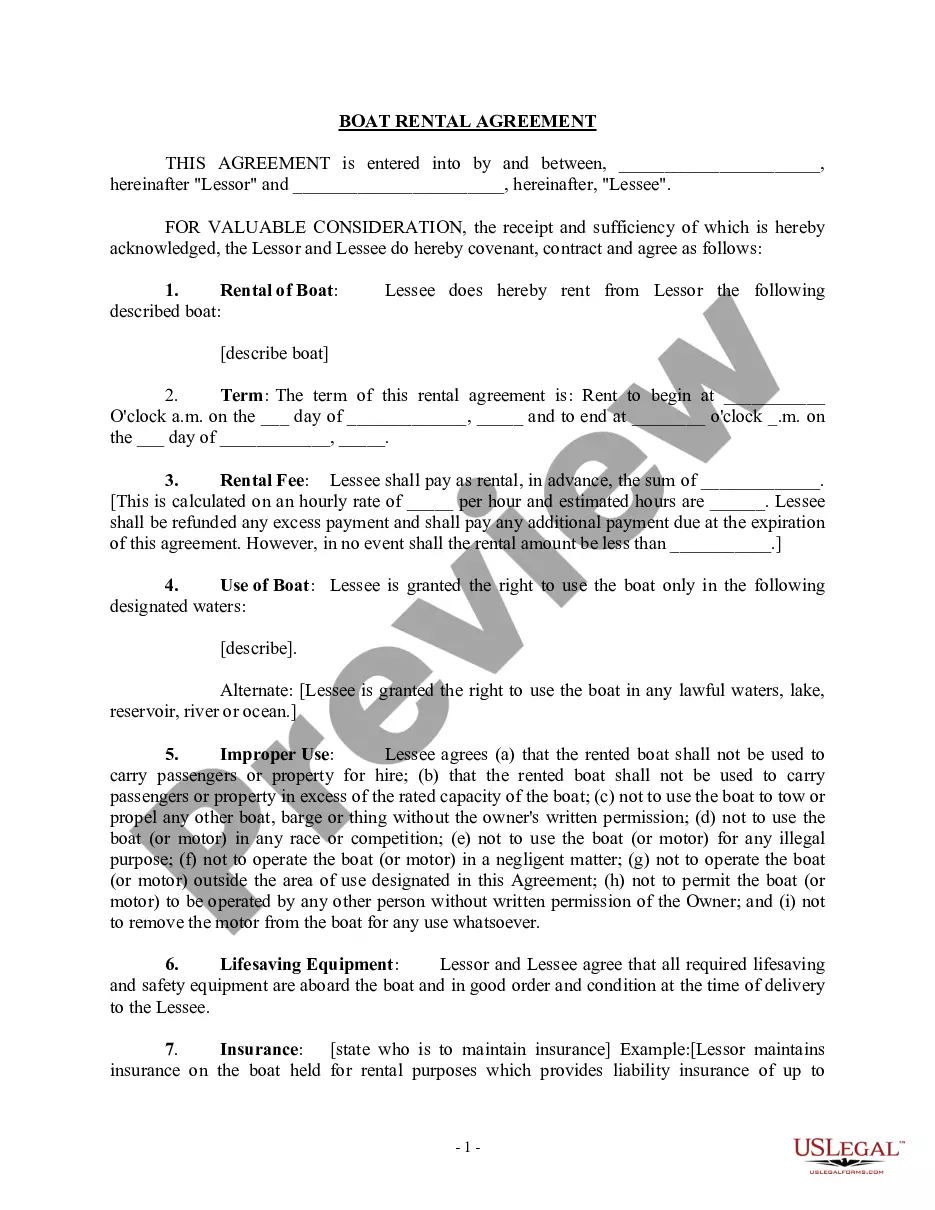
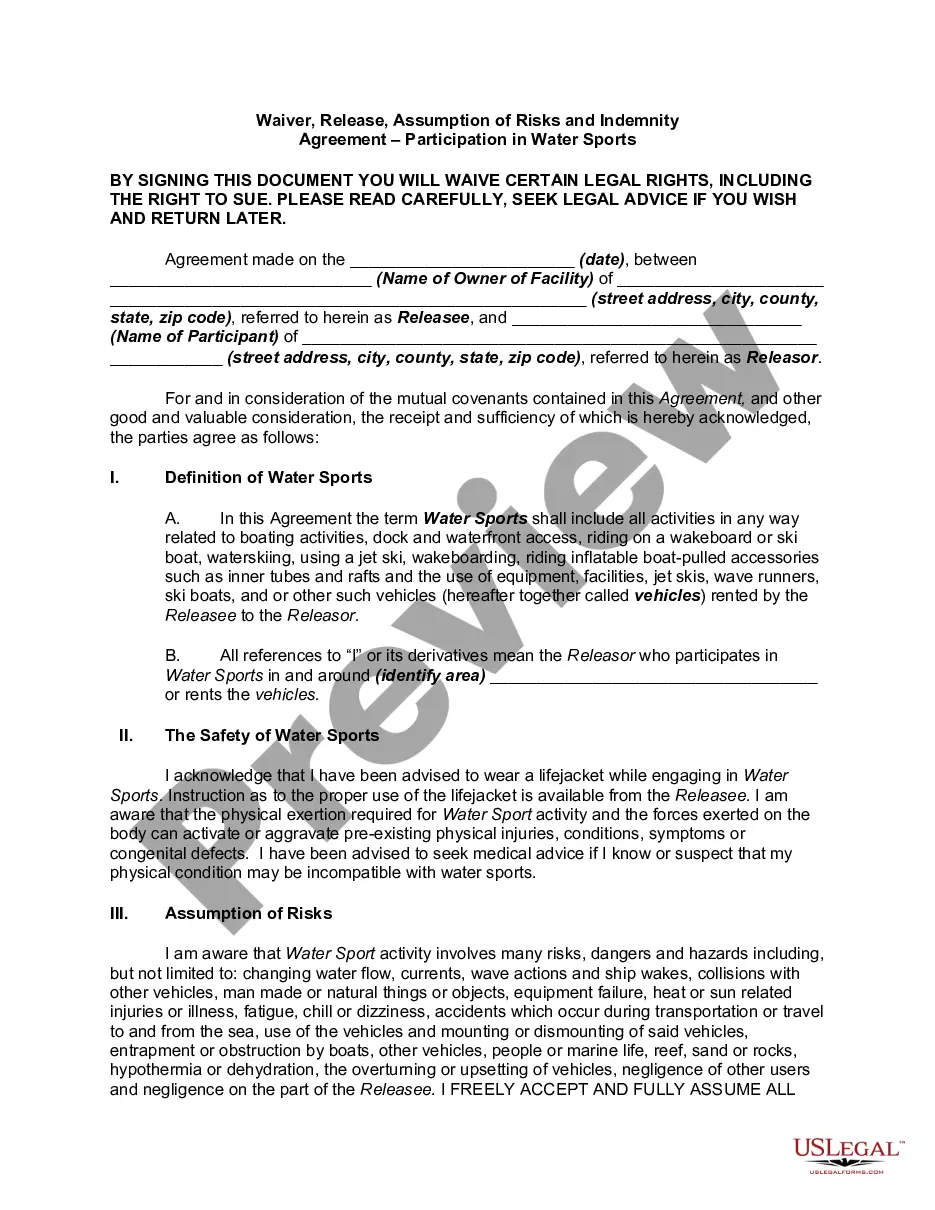
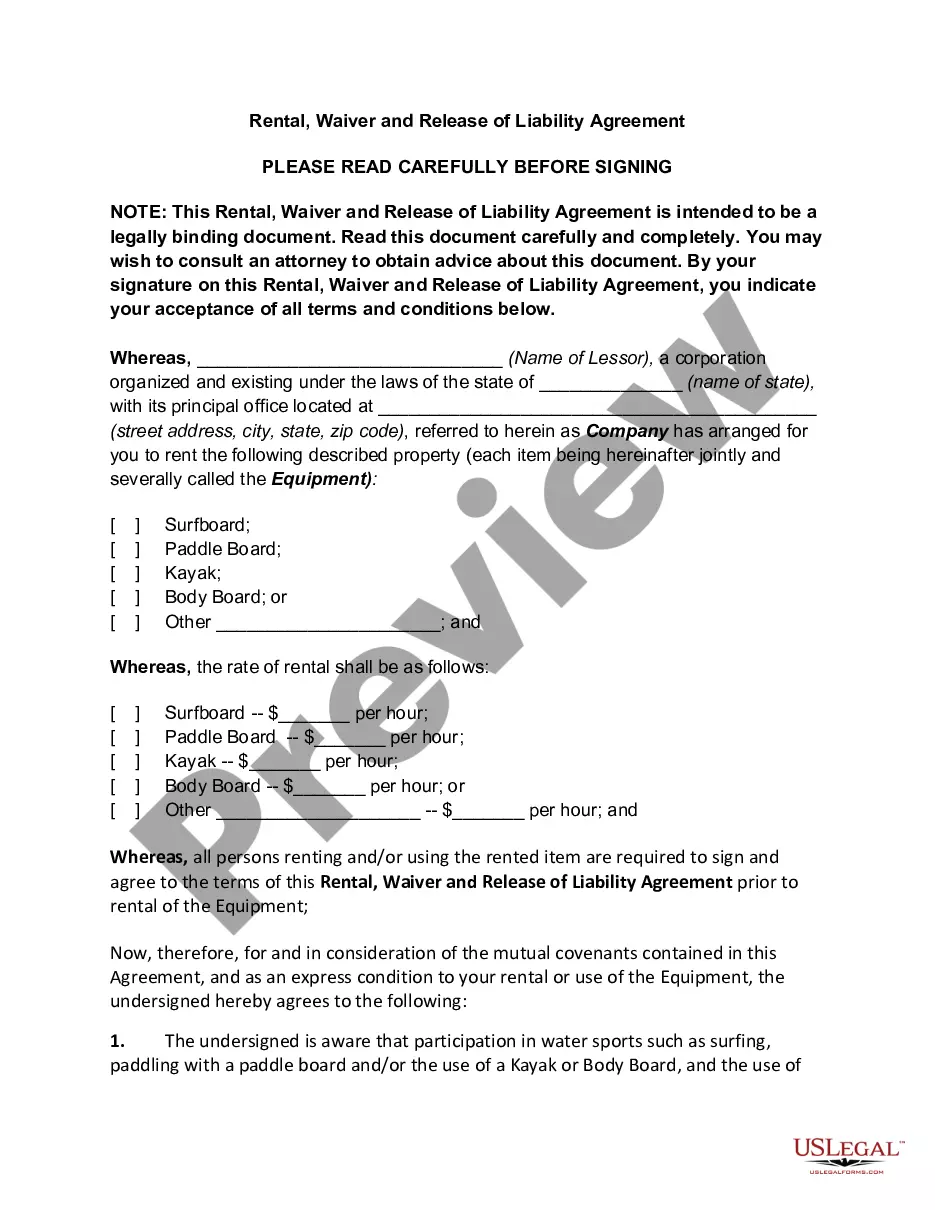
Boat Contract With Nike In Massachusetts
Description

Get your form ready online
Our built-in tools help you complete, sign, share, and store your documents in one place.
Make edits, fill in missing information, and update formatting in US Legal Forms—just like you would in MS Word.
Download a copy, print it, send it by email, or mail it via USPS—whatever works best for your next step.
Sign and collect signatures with our SignNow integration. Send to multiple recipients, set reminders, and more. Go Premium to unlock E-Sign.
If this form requires notarization, complete it online through a secure video call—no need to meet a notary in person or wait for an appointment.
We protect your documents and personal data by following strict security and privacy standards.

Make edits, fill in missing information, and update formatting in US Legal Forms—just like you would in MS Word.

Download a copy, print it, send it by email, or mail it via USPS—whatever works best for your next step.

Sign and collect signatures with our SignNow integration. Send to multiple recipients, set reminders, and more. Go Premium to unlock E-Sign.

If this form requires notarization, complete it online through a secure video call—no need to meet a notary in person or wait for an appointment.

We protect your documents and personal data by following strict security and privacy standards.
Looking for another form?







Form popularity
FAQ
Small jon boats, dinghies, and other lightweight boats get by just fine without a large gasoline engine, and on inland lakes with restrictions on gas motors, a transom mounted electric trolling motor may be the only option.
Exceptions to registration are: Vessels without any kind of motor (canoes, sailboats, or dinghies that are unpowered) Vessels properly registered in another state and using Massachusetts waters for 60 or fewer consecutive days.
Do you need a Boating License in Massachusetts? Anyone born after January 1, 1989, has until April 1, 2026, to obtain their boater education certificate. Anyone born on or before January 1, 1989, must obtain their certificate before April 1, 2028.
State law requires any motor-powered boat, or boat operated on a Massachusetts public waterway, to be registered.
A: In order to execute a boat transaction, the following items are necessary: Bill of sale. 12-character serial number (HIN) pencil tracing. Proof of payment of Massachusetts' sales tax.
Trailers need not be titled. 1-800-799-8362 for more information. Documented vessels are exempt from Massachusetts registration and titling requirements. The Certificate of Number (pocket-sized card) must be carried on board whenever the vessel is operated.
Any boat powered by a motor and operated on public waterways in Massachusetts needs to be register in the State. All boats 14 feet or greater in length that are designed for use with a motor, or that use a motor at any time, must be titled.
No person under 12 years of age may operate a motorboat, unless accompanied on-board and directly supervised by a competent person 18 years of age or older. Personal watercraft (PWC) users must still be at least 16 years of age in order to operate, with no exceptions.
Does Massachusetts require boat insurance? Boat insurance isn't required by Massachusetts law, but some marinas may mandate boat liability coverage.
