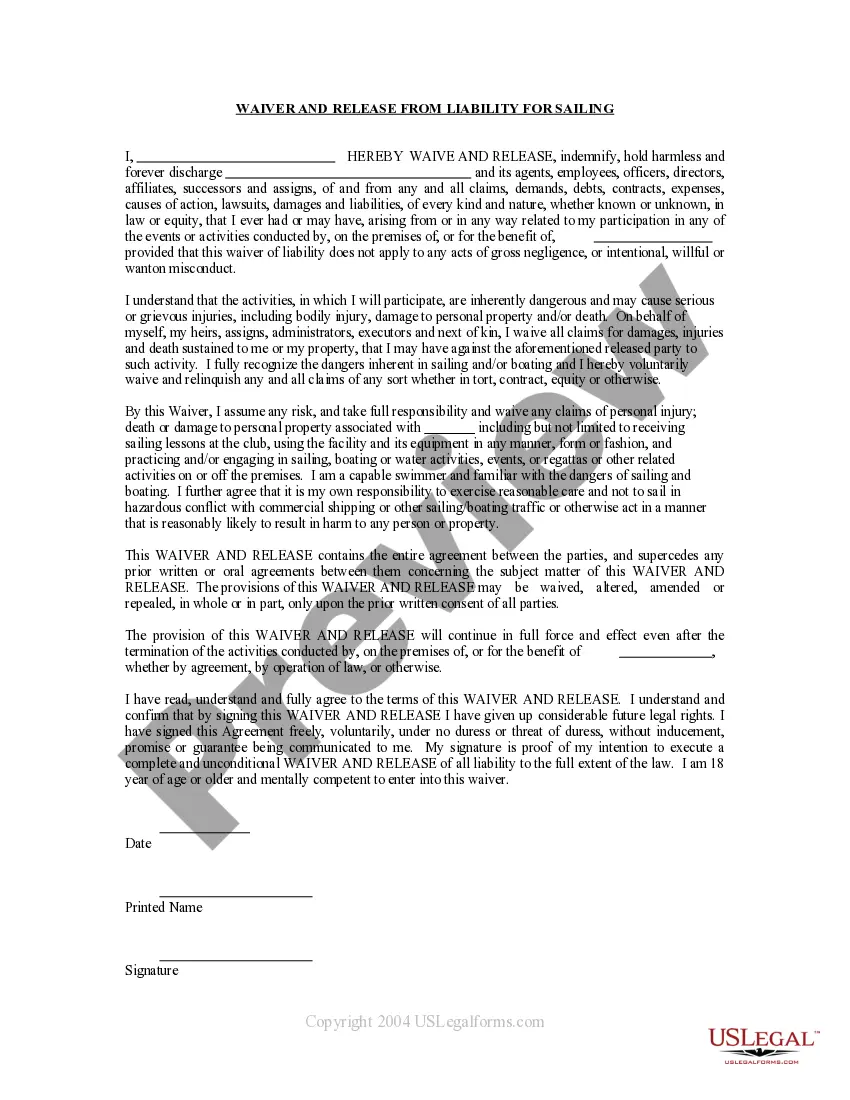
Boat Rental Liability Waiver Format In Bronx
Description

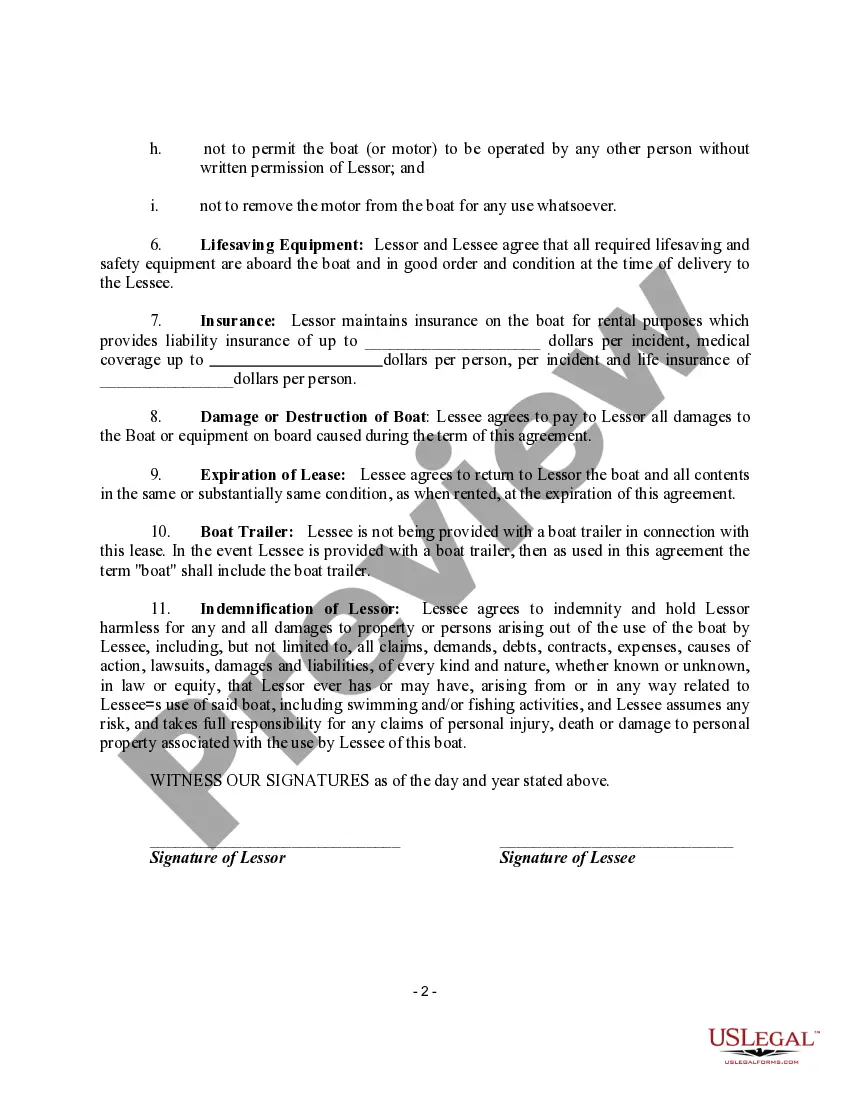
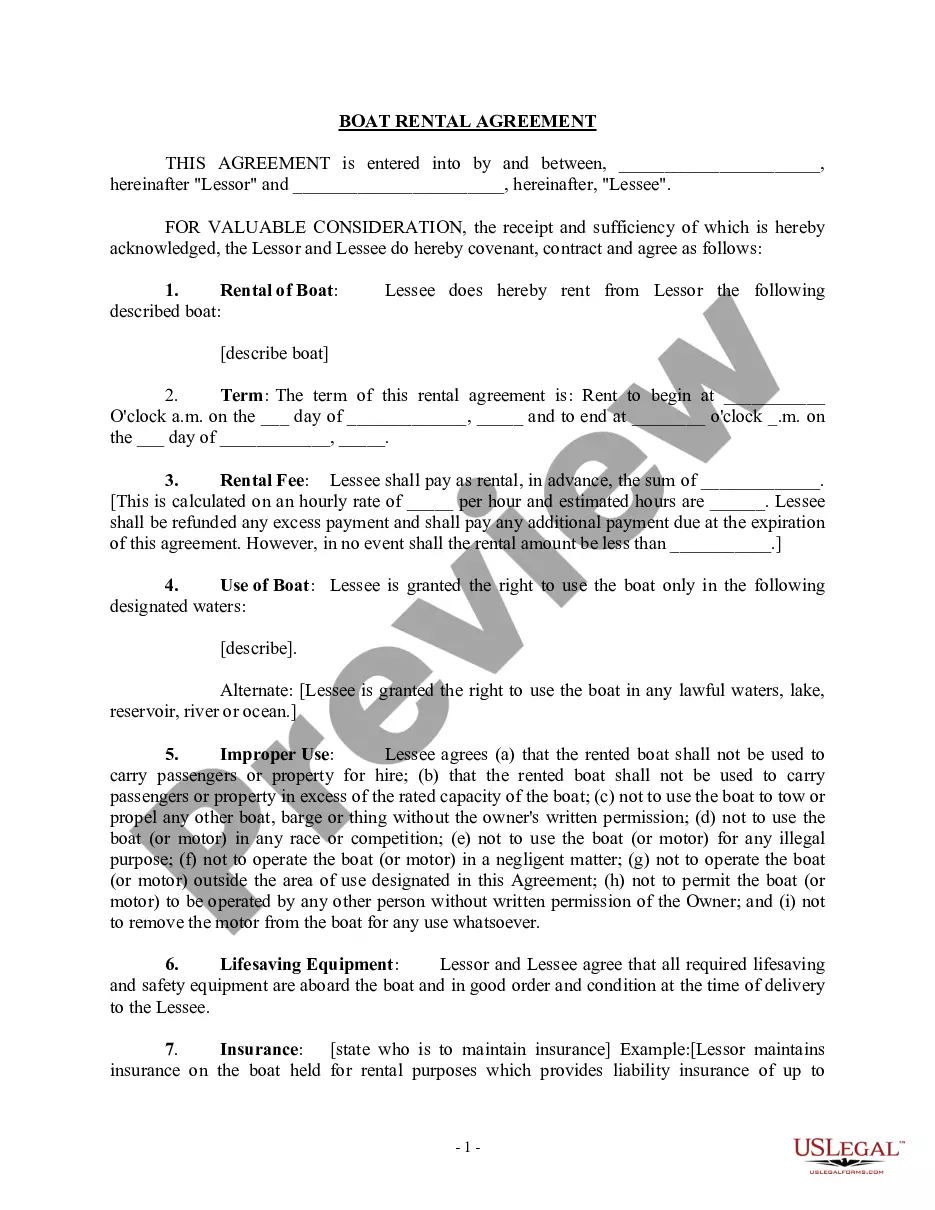
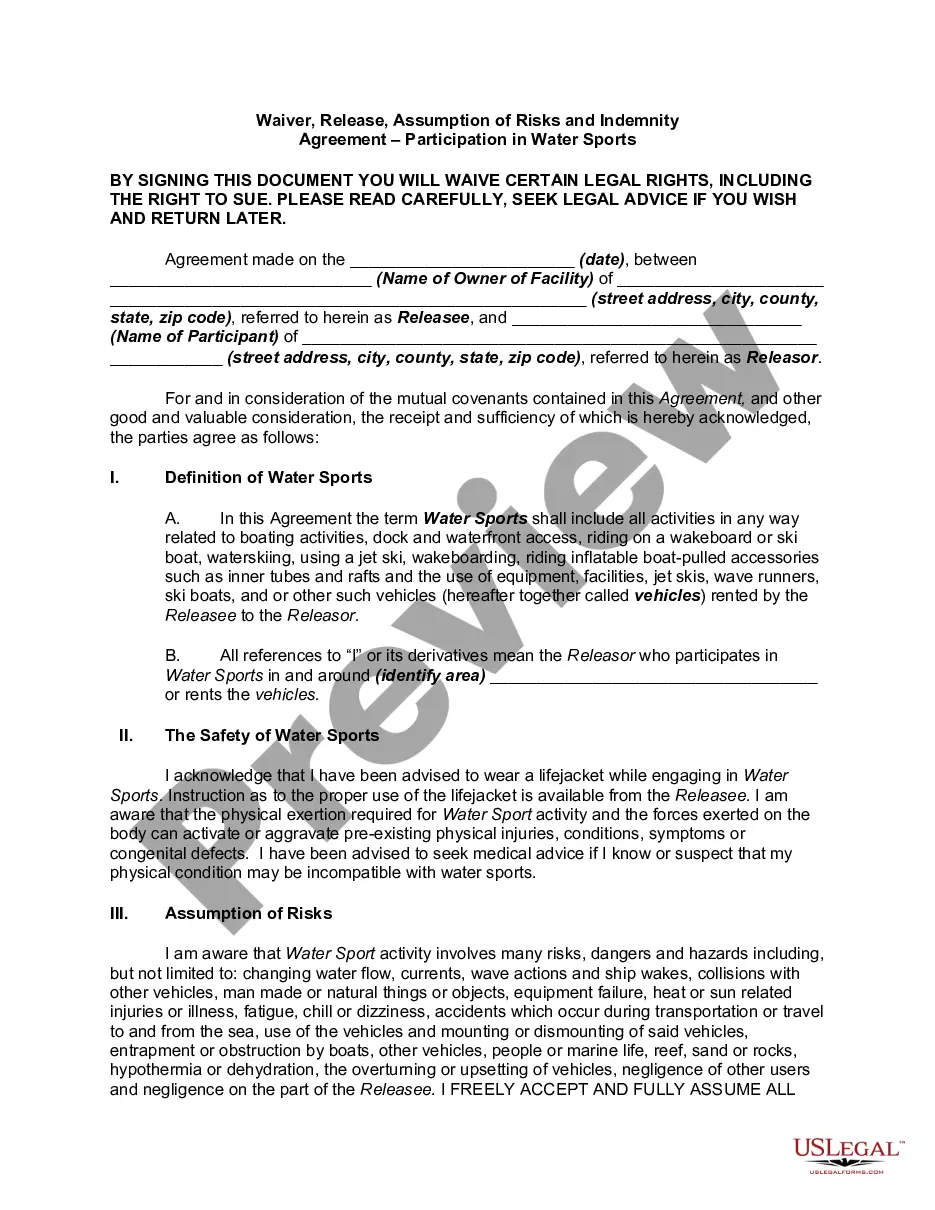
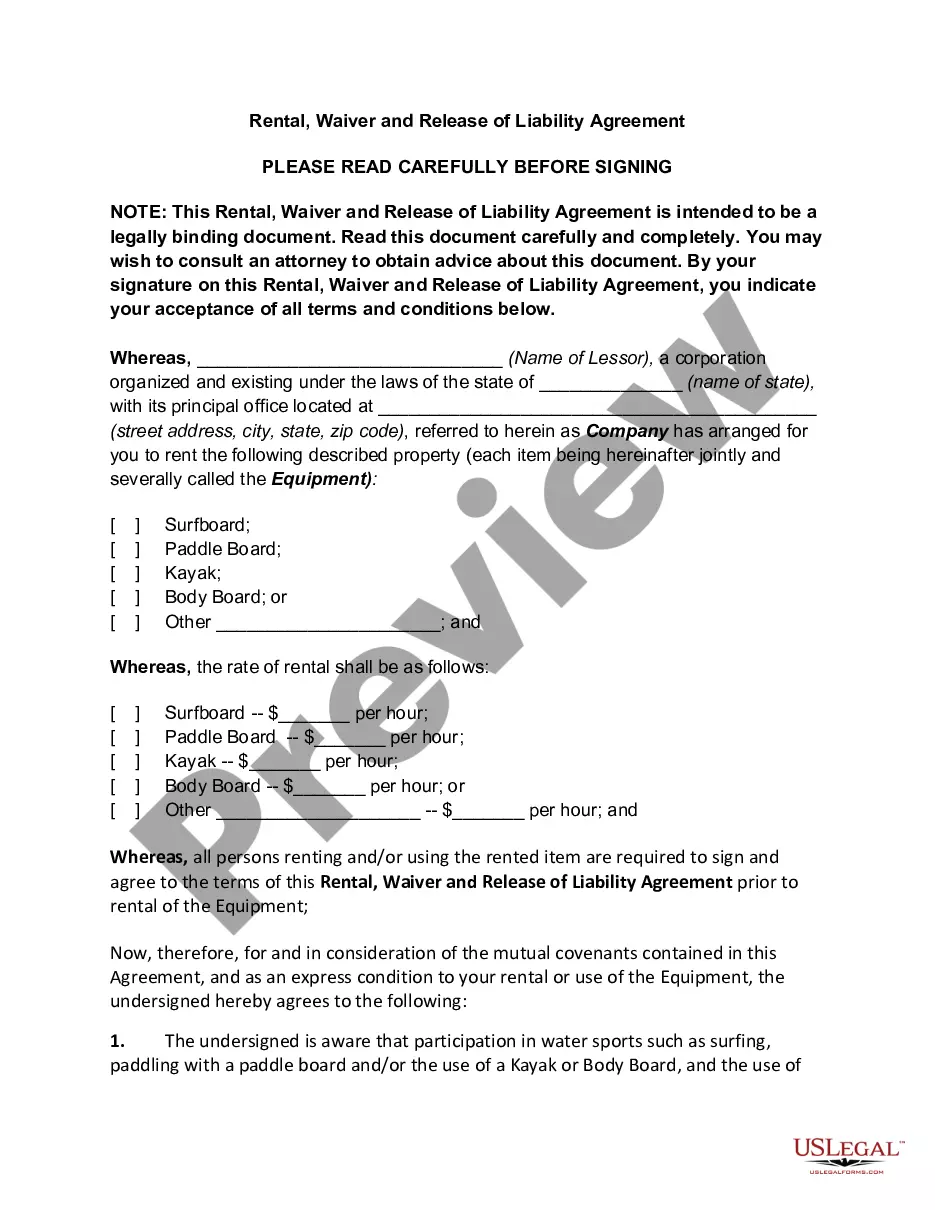
Get your form ready online
Our built-in tools help you complete, sign, share, and store your documents in one place.
Make edits, fill in missing information, and update formatting in US Legal Forms—just like you would in MS Word.
Download a copy, print it, send it by email, or mail it via USPS—whatever works best for your next step.
Sign and collect signatures with our SignNow integration. Send to multiple recipients, set reminders, and more. Go Premium to unlock E-Sign.
If this form requires notarization, complete it online through a secure video call—no need to meet a notary in person or wait for an appointment.
We protect your documents and personal data by following strict security and privacy standards.

Make edits, fill in missing information, and update formatting in US Legal Forms—just like you would in MS Word.

Download a copy, print it, send it by email, or mail it via USPS—whatever works best for your next step.

Sign and collect signatures with our SignNow integration. Send to multiple recipients, set reminders, and more. Go Premium to unlock E-Sign.

If this form requires notarization, complete it online through a secure video call—no need to meet a notary in person or wait for an appointment.

We protect your documents and personal data by following strict security and privacy standards.
Looking for another form?


Form popularity
FAQ
Though signing a waiver brings complications to a personal injury claim, you can still secure damages if your injury could and should have been prevented.
This liability waiver is intended to protect the property owner against liability for claims of illness, injury, or death resulting from the visitor entering the property. It contains a covenant not to sue and optional assumption of risk and indemnification provisions.
A liability waiver form is a legal contract that educates one party about the risks associated with an activity. Once signed, it prevents the participant from opening a lawsuit against the company in the event of damage or loss, effectively shifting responsibility for injuries from the company to the customer.
This form is used to describe the participant's responsibilities in participating in the activities, identify the risks associated with the activity, and confirm that the participant voluntarily assumes the risks associated with the activity.
This liability waiver is intended to protect the property owner against liability for claims of illness, injury, or death resulting from the visitor entering the property. It contains a covenant not to sue and optional assumption of risk and indemnification provisions.
A waiver is generally a voluntary relinquishment of a known right and is executed prior to the activity. Basically, a participant surrenders their negligence-based personal injury claim against a business or company. This means the participant agrees to “hold harmless” the organization if they are injured.
Liability waivers are commonly required for recreational activities, sports events, gyms, and certain businesses where the activity may potentially result in injury. A waiver prevents you from suing the other party in the event that you are hurt.
