Personal Injury Release Agreement With Tenant In Wayne
Description

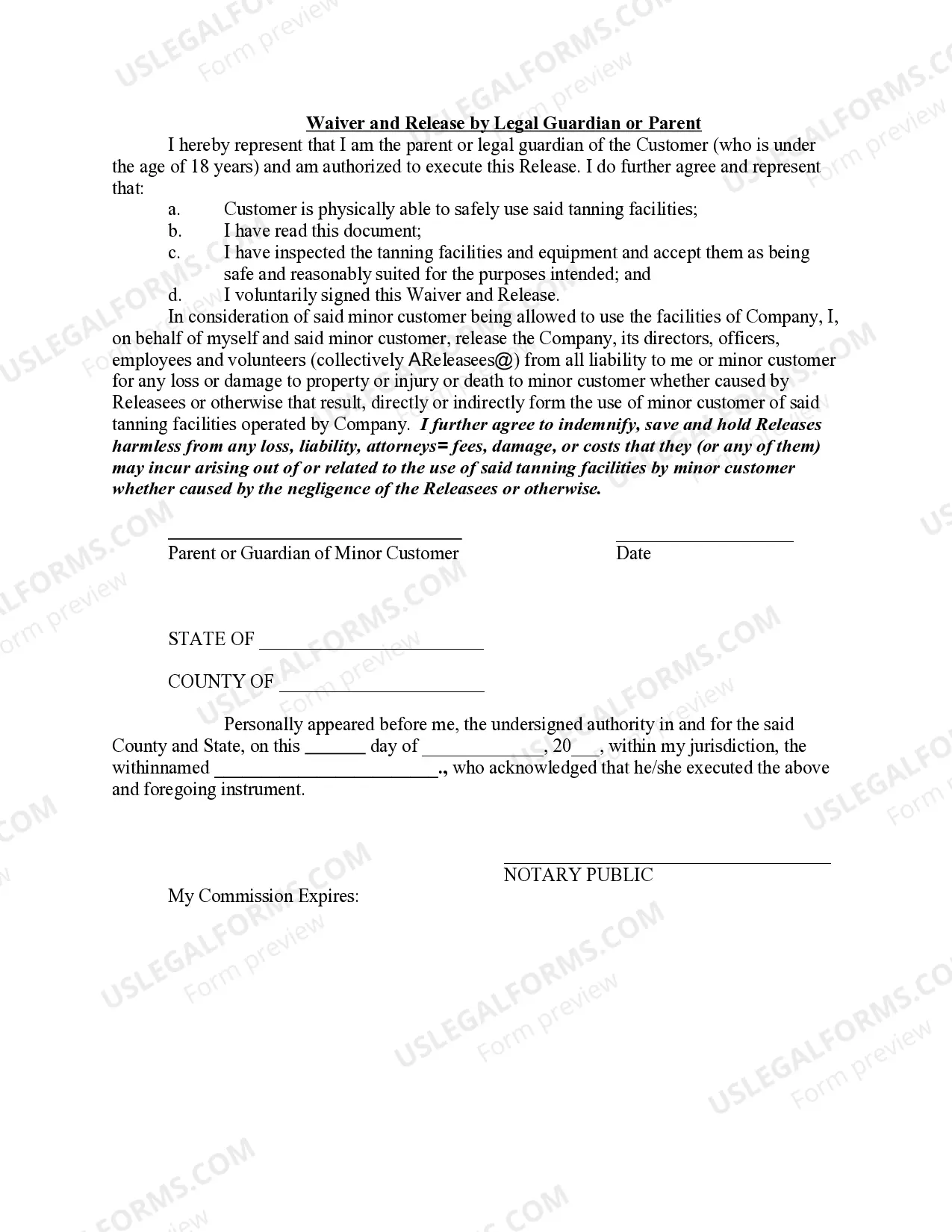
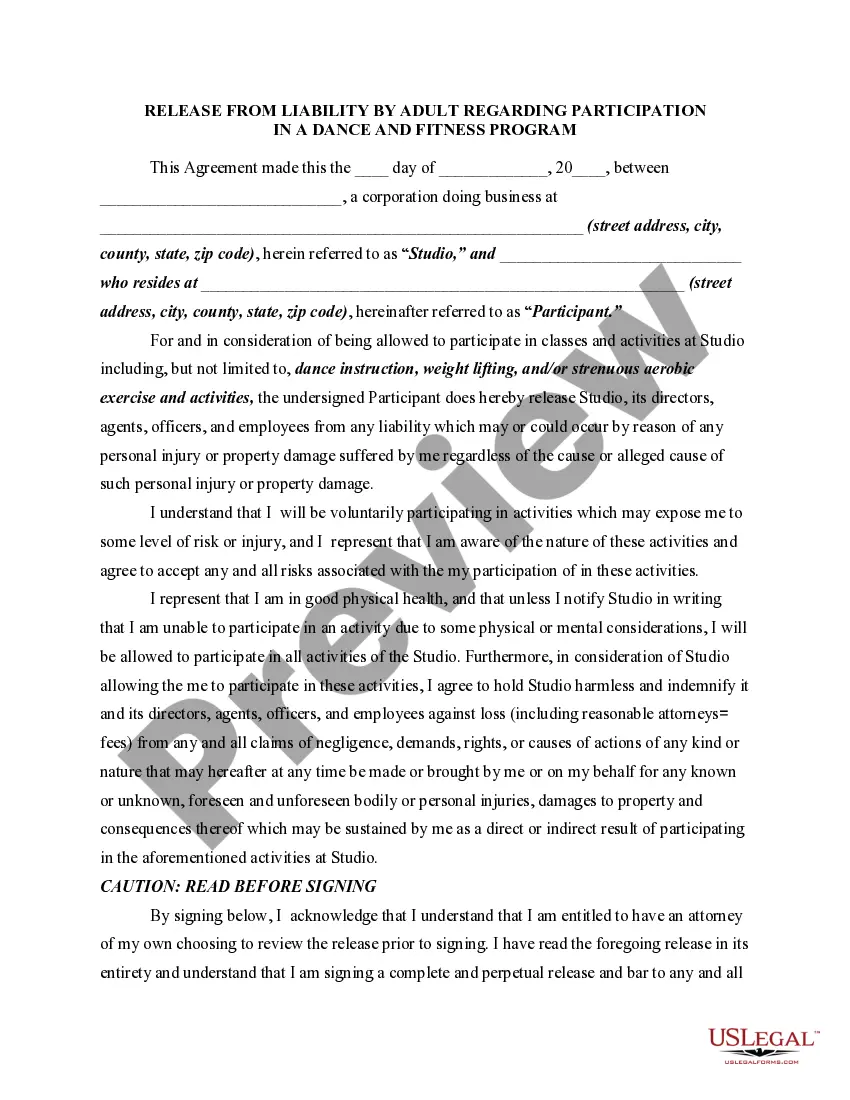
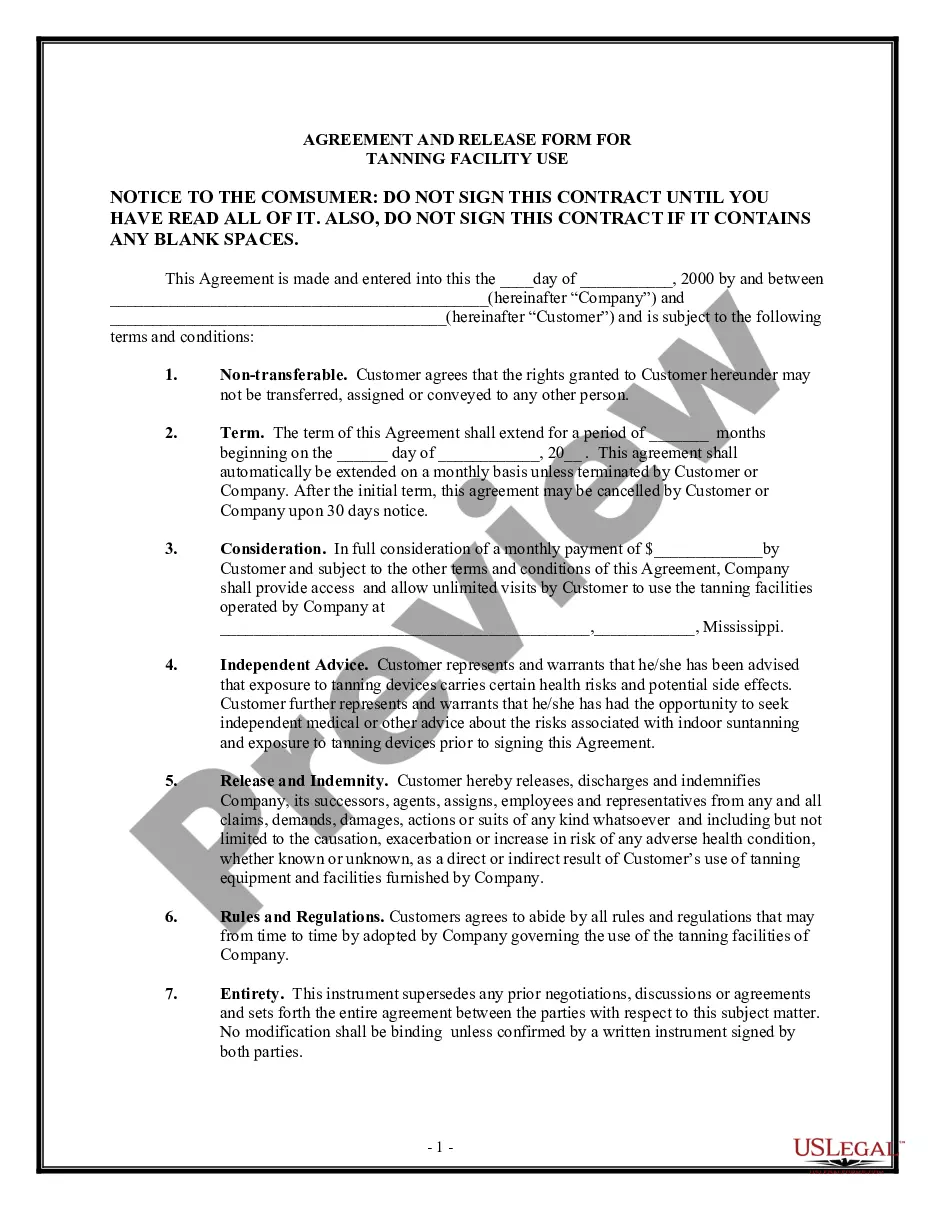
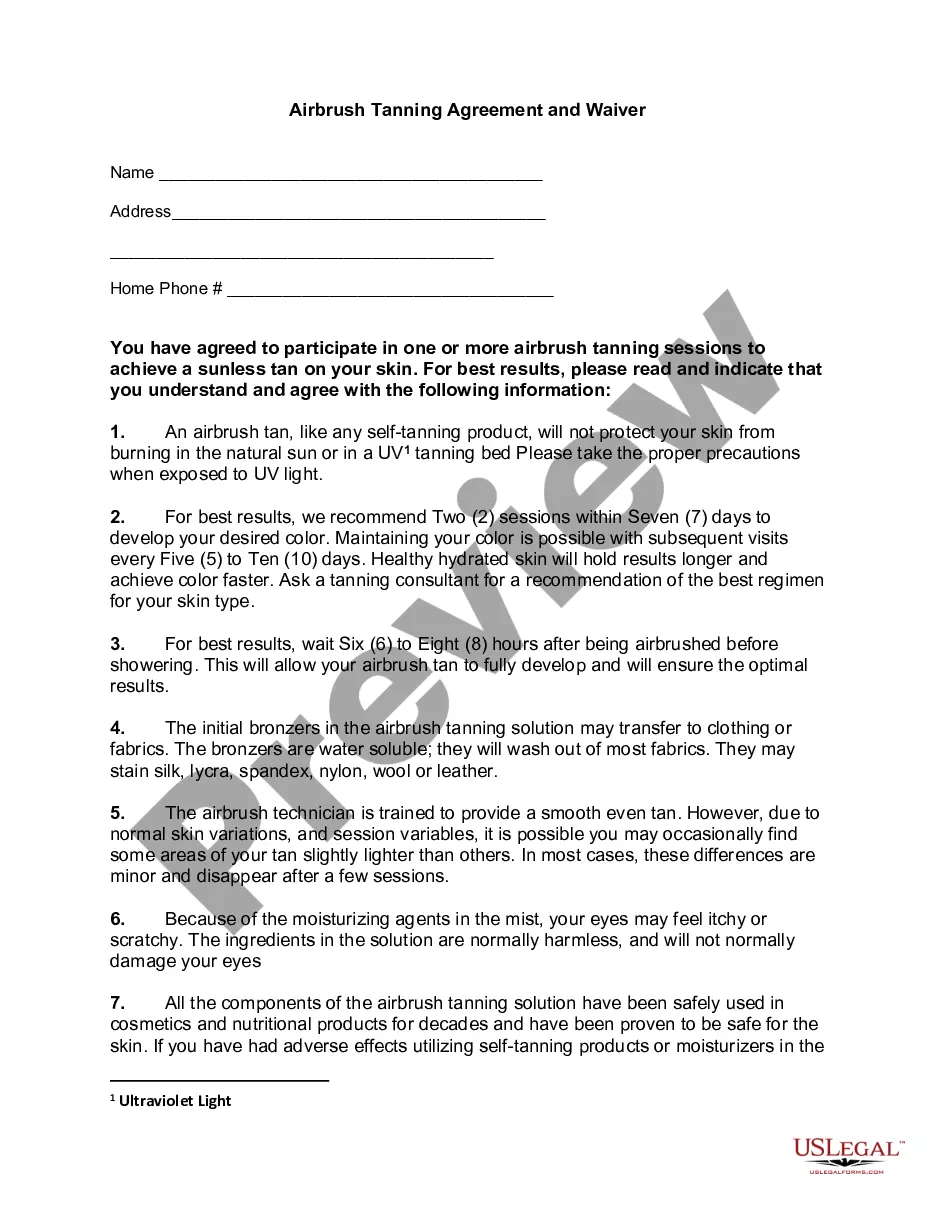
Get your form ready online
Our built-in tools help you complete, sign, share, and store your documents in one place.
Make edits, fill in missing information, and update formatting in US Legal Forms—just like you would in MS Word.
Download a copy, print it, send it by email, or mail it via USPS—whatever works best for your next step.
Sign and collect signatures with our SignNow integration. Send to multiple recipients, set reminders, and more. Go Premium to unlock E-Sign.
If this form requires notarization, complete it online through a secure video call—no need to meet a notary in person or wait for an appointment.
We protect your documents and personal data by following strict security and privacy standards.

Make edits, fill in missing information, and update formatting in US Legal Forms—just like you would in MS Word.

Download a copy, print it, send it by email, or mail it via USPS—whatever works best for your next step.

Sign and collect signatures with our SignNow integration. Send to multiple recipients, set reminders, and more. Go Premium to unlock E-Sign.

If this form requires notarization, complete it online through a secure video call—no need to meet a notary in person or wait for an appointment.

We protect your documents and personal data by following strict security and privacy standards.
Looking for another form?








Form popularity
FAQ
Some landlord policies provide personal injury protection, which covers you for allegations of slander, libel, discrimination, and wrongful eviction.
What is a Release Form? A release form, or general release form, is a legal document that serves as consent in writing to release the legal liability of a releasee by a releasor. The document is a formal acknowledgment that, once signed, is a legal release of all a releasee obligations within an agreement.
A lease agreement release form allows a landlord and tenant to mutually release each other from any obligations or liabilities related to the lease. A move-out date should be entered into the release and, once signed, the agreement is final, and both parties will be fully released from one another.
A waiver of liability should be used in situations where there is a potential risk of injury, damage, or loss, and you want to protect yourself or your organization from legal repercussions. Common circumstances include: Sporting events or recreational activities.
Most settlements and court awards will be approximately $3,000 to $75,000. The likelihood of receiving a payout in this range is approximately 70%. Below we'll map out California personal injury settlements by case type.
A release of liability form is a legal document that outlines the limits of responsibility for one party where the other party formally waives the right to hold the other responsible for damages, losses, or injuries. By signing the document, it becomes a legal contract.
A liability waiver form is a legal contract that educates one party about the risks associated with an activity. Once signed, it prevents the participant from opening a lawsuit against the company in the event of damage or loss, effectively shifting responsibility for injuries from the company to the customer.
The purpose of a personal injury release form The release is often drafted by the defendant's insurance company and is written to protect its interests – not yours. It's critical to have your own California personal injury attorney review any release that the other party wants you to sign.
In short, a release is a legal document that you sign when you agree to settle a claim against someone else. For example, if you were in an automobile collision that was the result of another driver, you have a claim against them. You have a legal right to sue that person unless you sign a release.
The releasor is the party who agrees to release a potential claim in exchange for something of value. The releasee is the party being released from the claim or a potential claim. The releasor receives consideration in the way of compensation for releasing the claim.
