Personal Injury Release Without A Lawyer In Wake
Description

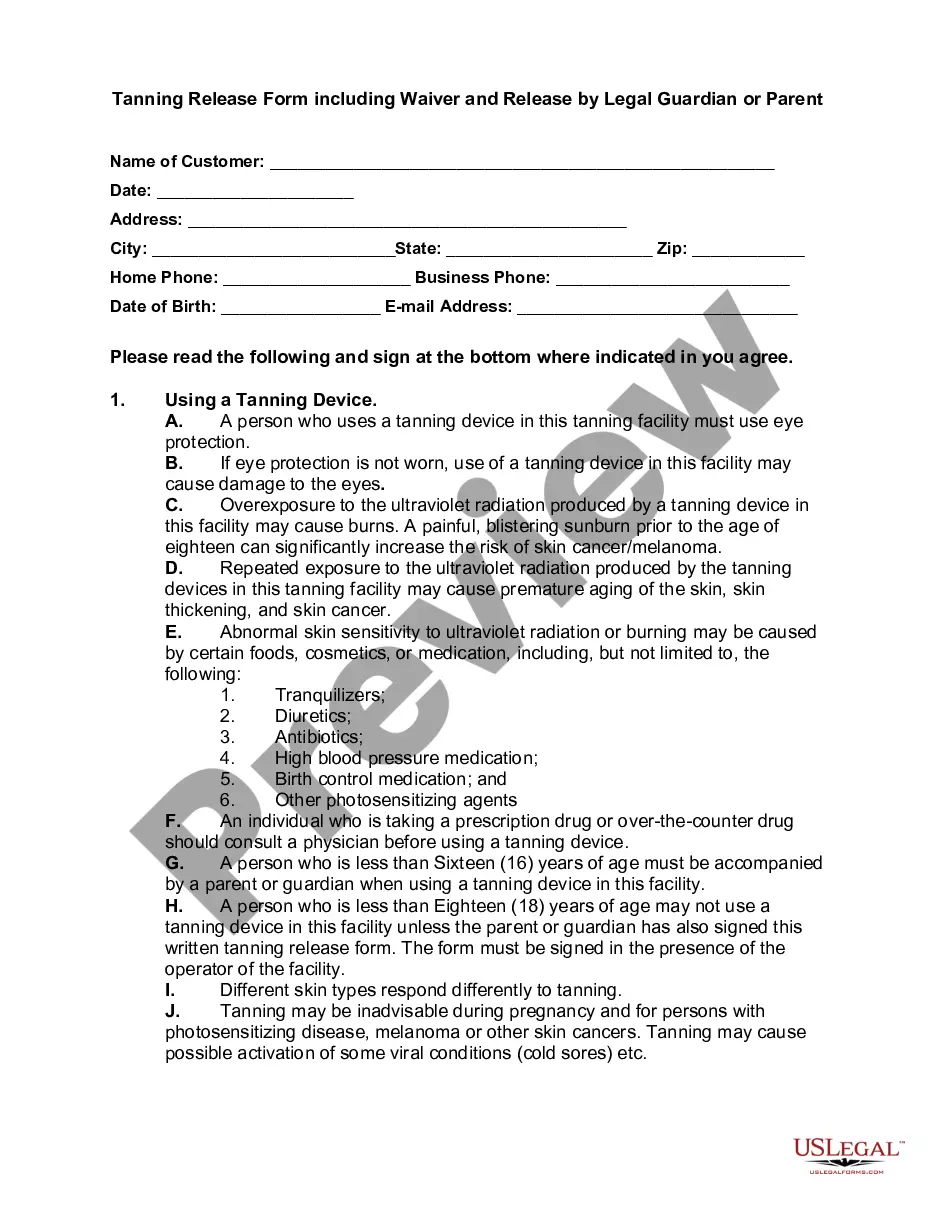
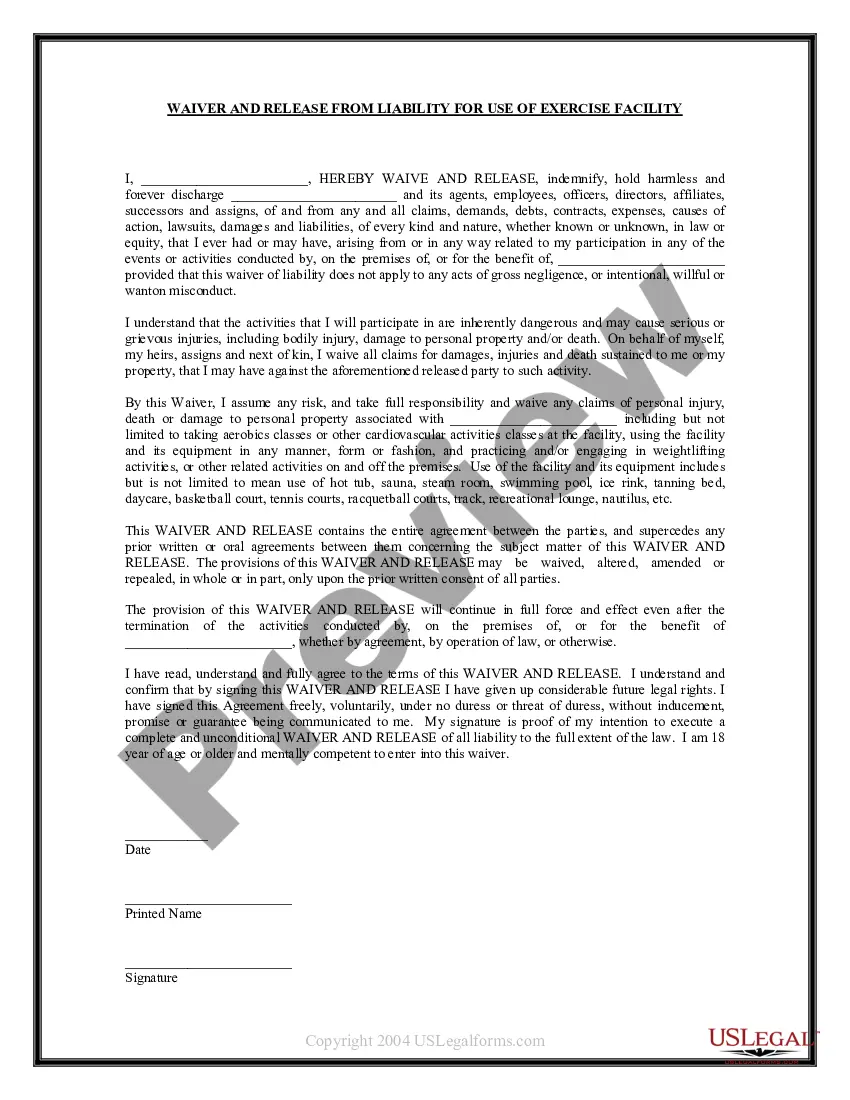
Get your form ready online
Our built-in tools help you complete, sign, share, and store your documents in one place.
Make edits, fill in missing information, and update formatting in US Legal Forms—just like you would in MS Word.
Download a copy, print it, send it by email, or mail it via USPS—whatever works best for your next step.
Sign and collect signatures with our SignNow integration. Send to multiple recipients, set reminders, and more. Go Premium to unlock E-Sign.
If this form requires notarization, complete it online through a secure video call—no need to meet a notary in person or wait for an appointment.
We protect your documents and personal data by following strict security and privacy standards.

Make edits, fill in missing information, and update formatting in US Legal Forms—just like you would in MS Word.

Download a copy, print it, send it by email, or mail it via USPS—whatever works best for your next step.

Sign and collect signatures with our SignNow integration. Send to multiple recipients, set reminders, and more. Go Premium to unlock E-Sign.

If this form requires notarization, complete it online through a secure video call—no need to meet a notary in person or wait for an appointment.

We protect your documents and personal data by following strict security and privacy standards.
Looking for another form?
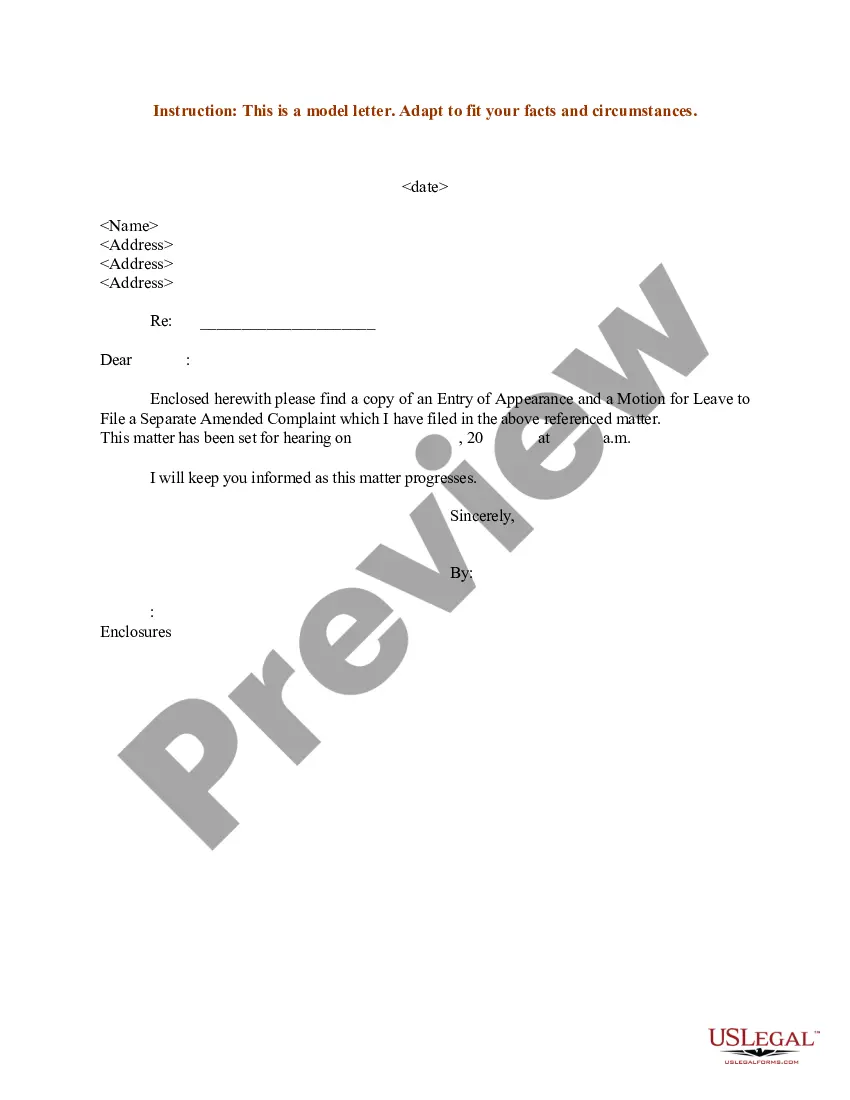

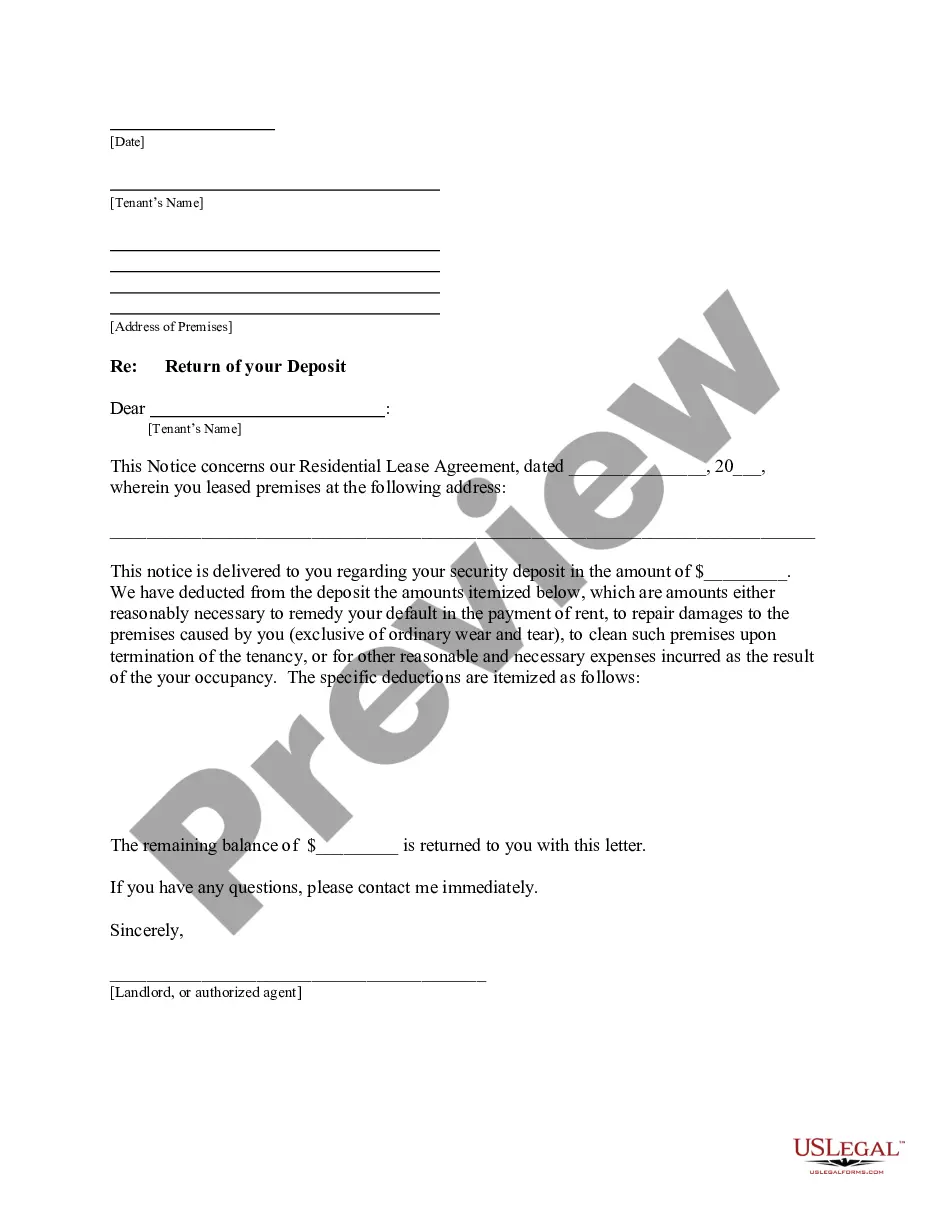



Form popularity
FAQ
If you decide to represent yourself in a personal injury claim, here are the steps you need to follow: Gather Evidence. Calculate Damages. File a Claim. Negotiate with Insurance Companies. Prepare for Court. Present Your Case. Common Mistakes to Avoid When Representing Yourself in a Personal Injury Claim.
Here is how the personal injury claim process works: Complete Your Medical Treatment. Submit Demand Package. Settlement of Claim. Compromise of Liens. Statute of Limitations. Lawsuit in Court. Mandatory Arbitration. Trial and Judgment. A court case can be settled at any stage by voluntary agreement of the parties.
The law and the court will allow you to represent yourself in a personal injury claim. The law calls this appearing pro se, or on your own behalf. Some instances, though, prevent you from representing yourself in court, such as: Suing for a corporation.
The Process. If you choose to claim without a solicitor, you'll deal directly with the responsible party's insurance company. This process typically involves: Reporting the accident to the insurer: You'll need to notify the insurer of the accident, providing details about when and where it occurred, and how it happened ...
List Of Compensation Payouts In The UK Injury TypeMinorSevere Finger/thumb injuries Up to £4,750 £12,590 to £35,010 Leg injuries Up to £27,760 £39,200 to £54,830 Knee injuries Up to £13,740 £26,190 to £43,460 Ankle injuries Up to £13,740 £31,310 to £50,06025 more rows
How to Settle a Car Accident Claim Without a Lawyer: 7 Steps Assess The Damages You've Suffered. Gather Your Documents and Evidence. Act in a Timely Manner. Consider The Parties Involved. Compose a Demand Letter. Consult With the Insurance Adjustor. Review the Settlement, If One Arrives, and Make a Decision.
Technically speaking, you don't need a lawyer for filing your personal injury claim - it can be done on your own. However, in more cases than not, filing without a lawyer results in less compensation.
Most settlements and court awards will be approximately $3,000 to $75,000. The likelihood of receiving a payout in this range is approximately 70%. Below we'll map out California personal injury settlements by case type.
List Of Compensation Payouts In The UK Injury TypeMinorSevere Finger/thumb injuries Up to £4,750 £12,590 to £35,010 Leg injuries Up to £27,760 £39,200 to £54,830 Knee injuries Up to £13,740 £26,190 to £43,460 Ankle injuries Up to £13,740 £31,310 to £50,06025 more rows
Don't Be Too Eager. Explain Why the Offer Is Inadequate. Don't Forget Future Damages. Build Your Case. Don't Wait to File Your Case. Stay off Socials. Make a Good Impression. An Attorney Can Help. A qualified personal injury lawyer can help you determine what needs to be done to help maximize your compensation.
