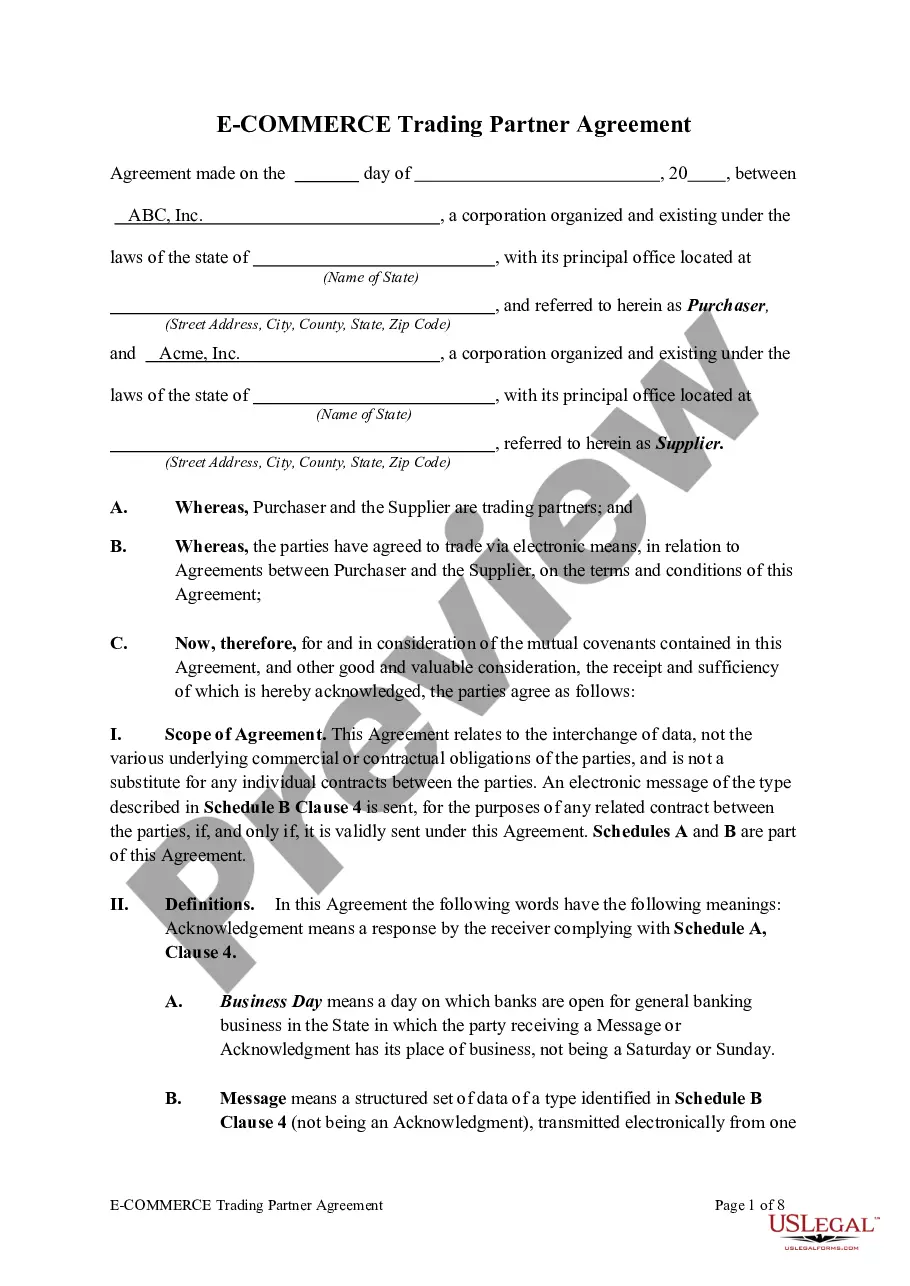
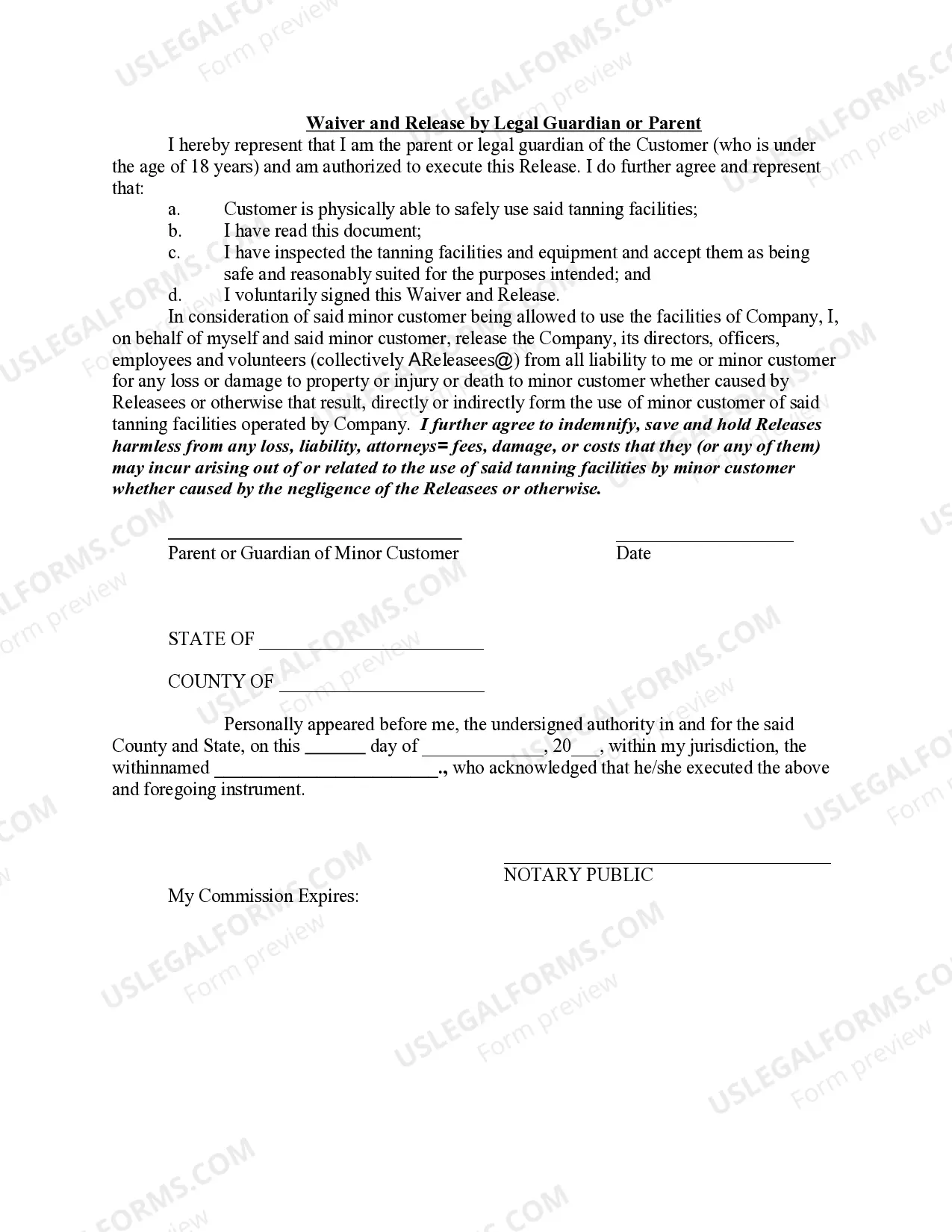
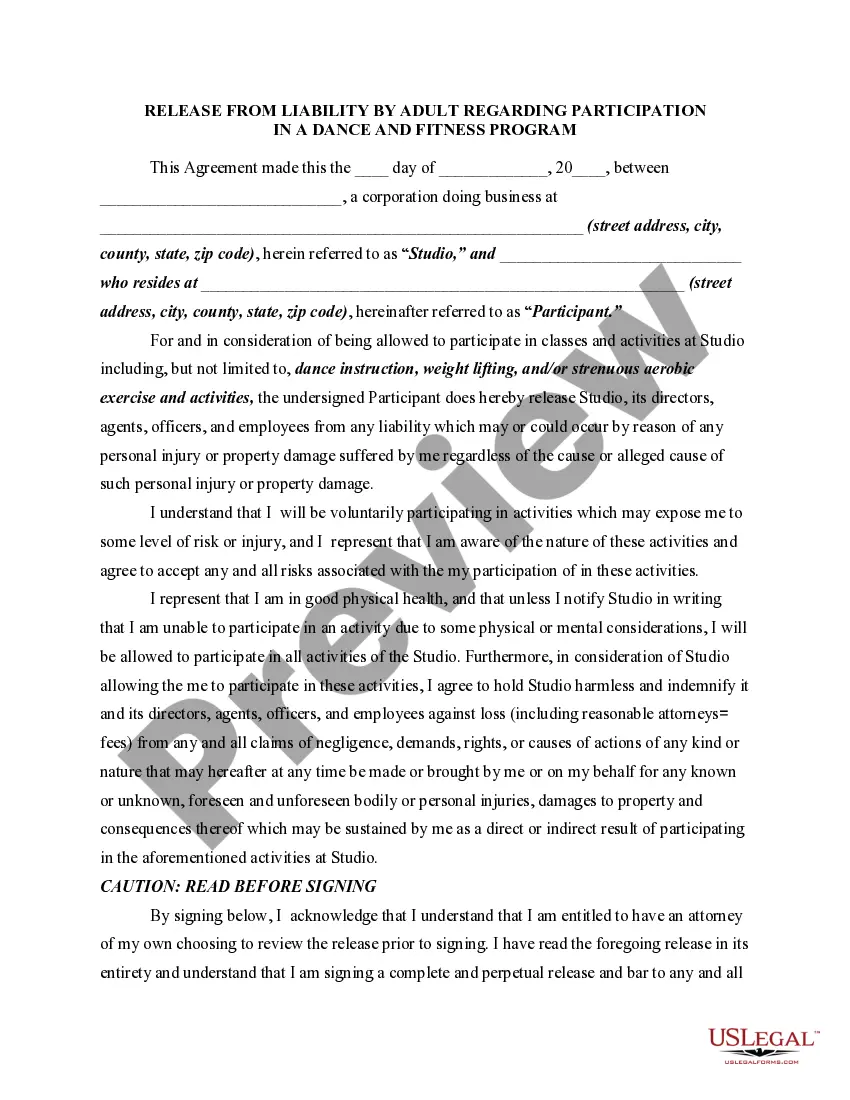
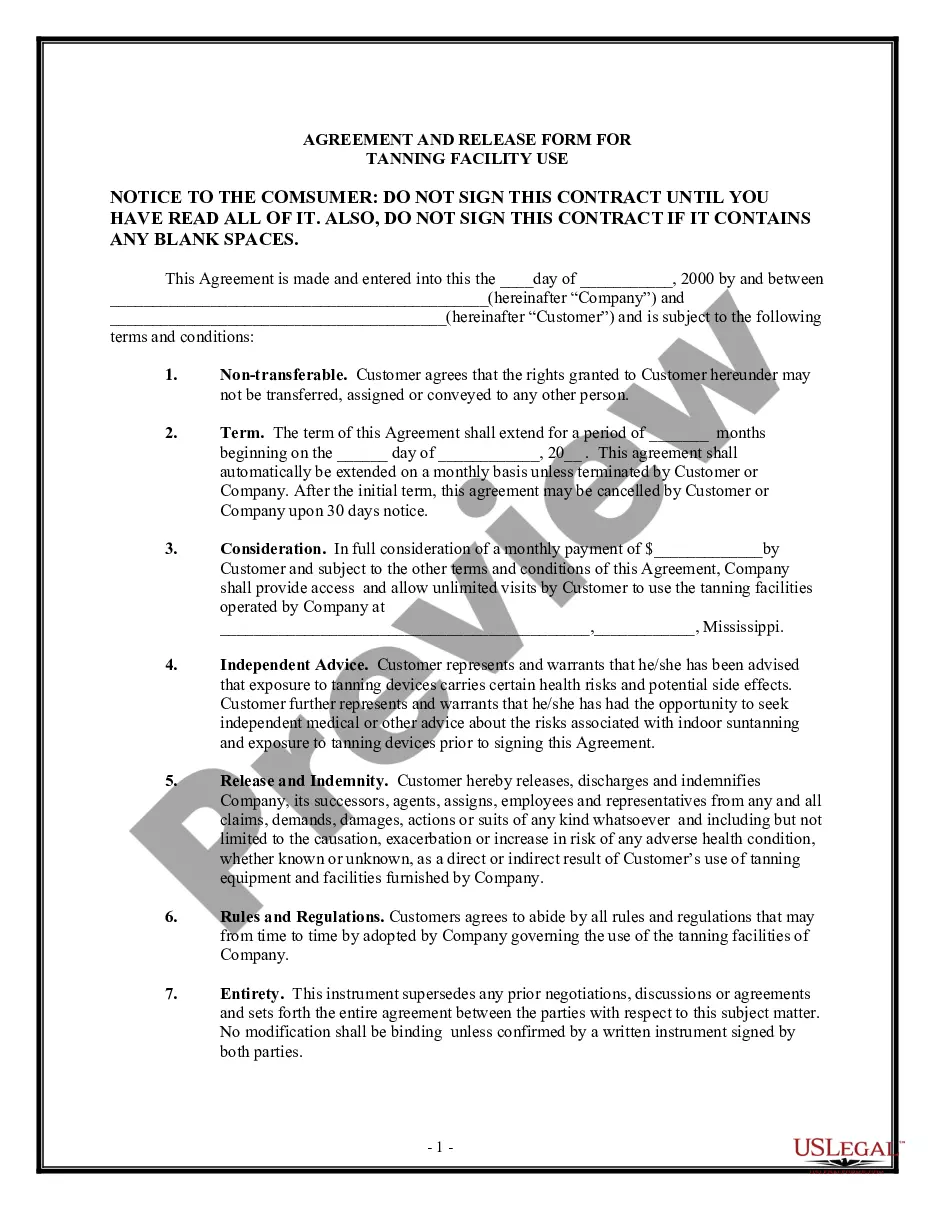
Personal Injury Release Agreement Form California In Wake
Description

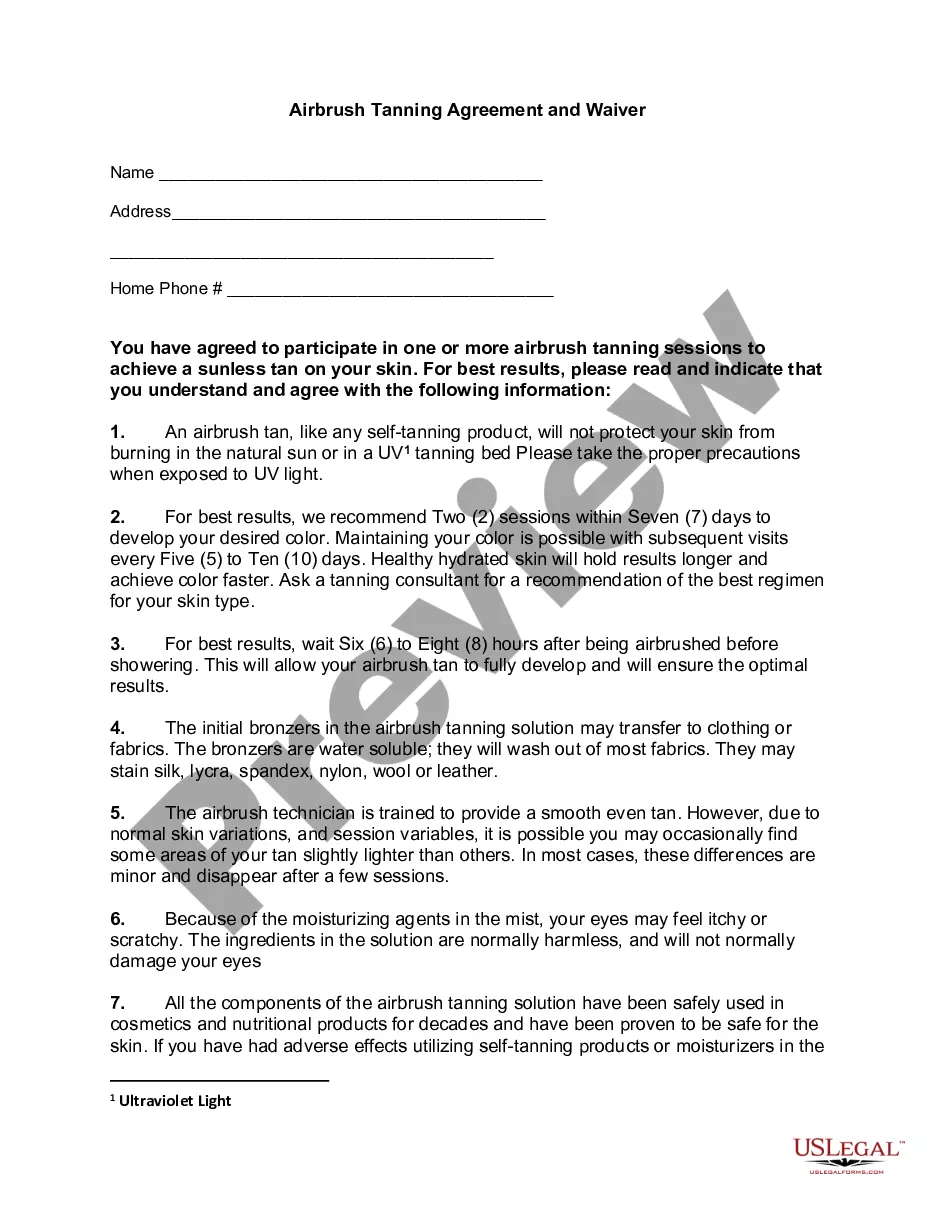
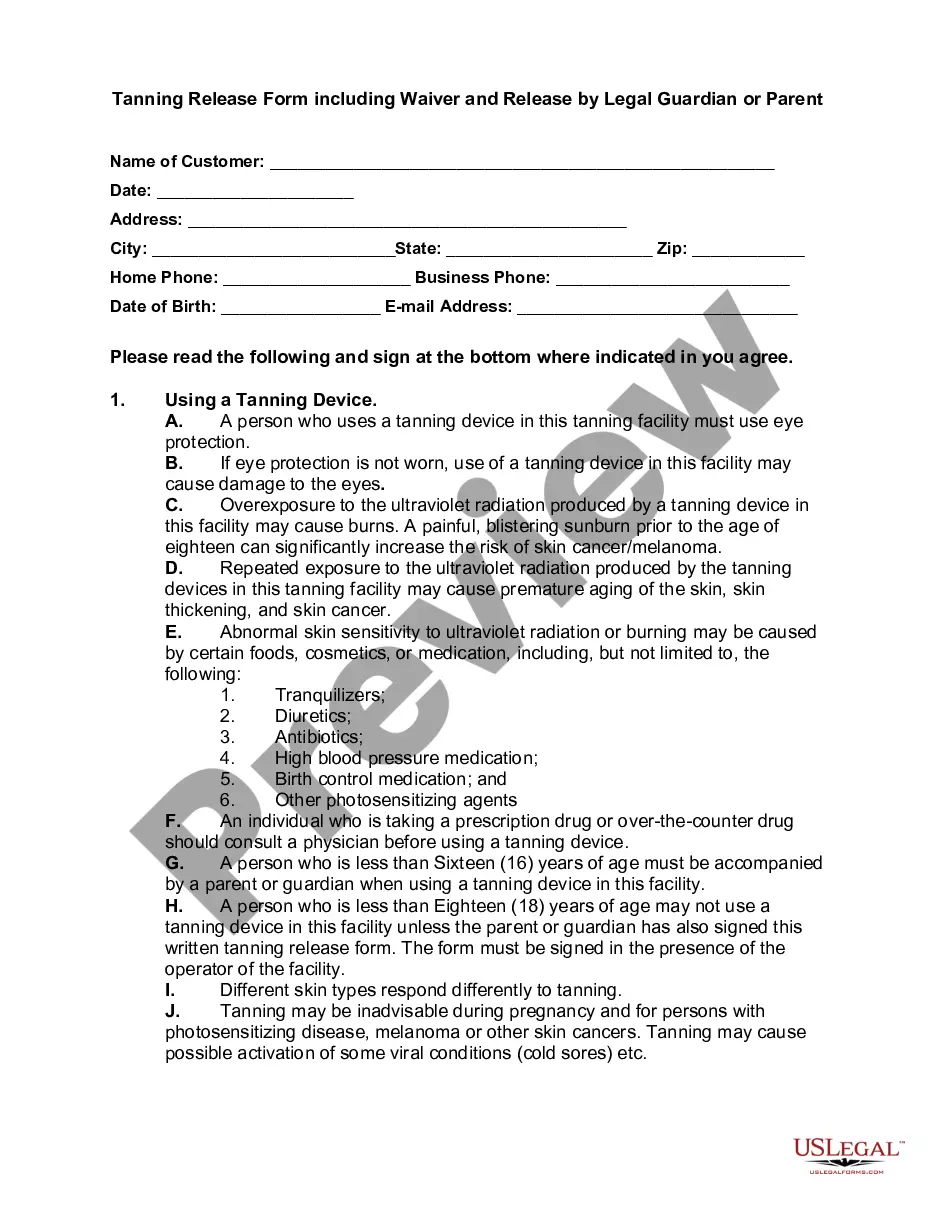
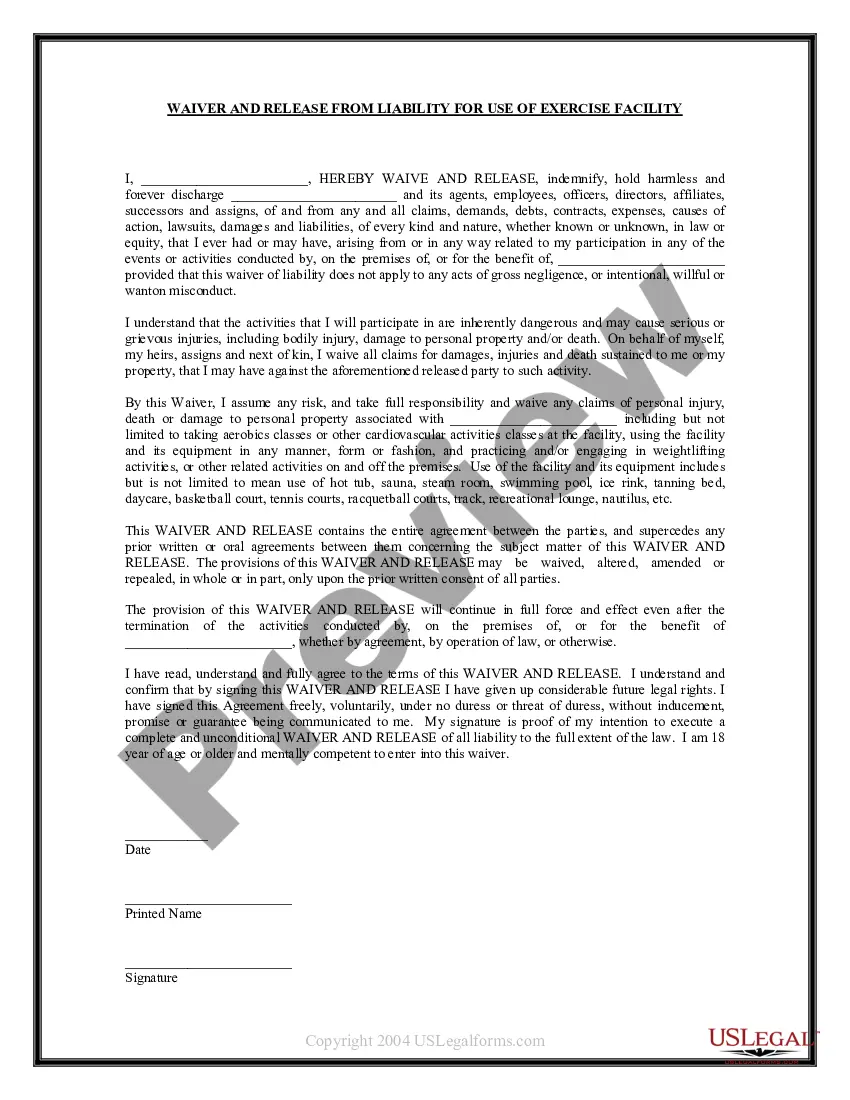
Get your form ready online
Our built-in tools help you complete, sign, share, and store your documents in one place.
Make edits, fill in missing information, and update formatting in US Legal Forms—just like you would in MS Word.
Download a copy, print it, send it by email, or mail it via USPS—whatever works best for your next step.
Sign and collect signatures with our SignNow integration. Send to multiple recipients, set reminders, and more. Go Premium to unlock E-Sign.
If this form requires notarization, complete it online through a secure video call—no need to meet a notary in person or wait for an appointment.
We protect your documents and personal data by following strict security and privacy standards.

Make edits, fill in missing information, and update formatting in US Legal Forms—just like you would in MS Word.

Download a copy, print it, send it by email, or mail it via USPS—whatever works best for your next step.

Sign and collect signatures with our SignNow integration. Send to multiple recipients, set reminders, and more. Go Premium to unlock E-Sign.

If this form requires notarization, complete it online through a secure video call—no need to meet a notary in person or wait for an appointment.

We protect your documents and personal data by following strict security and privacy standards.
Looking for another form?




Form popularity
FAQ
If you choose to proceed with your claim without an attorney, you will need to gather evidence, estimate your damages, file the claim, and negotiate with the insurance company for a settlement. You can review resources from the California Department of Insurance to help you start the process.
A waiver of liability must be clear, unambiguous, and explicit in expressing the parties' intent. Many courts in California have ruled that waivers printed in faint or small font, or in an inconspicuous place (deep in a document, on the back of a page, etc.), are less likely to be held enforceable.
In California, you have two years from the date of your injury to file a personal injury lawsuit. This two-year rule is called the statute of limitations, and it applies to most injury cases, whether from car accidents, slips and falls, or other incidents caused by negligence.
Short Answer: ing to data from 5,861 personal injury cases from 2021-2024, the average personal injury settlement in California is approximately $55,056.
Sometimes referred to as “release agreements” or as “settlement agreements,” release and settlement agreements bring a legal dispute to an end outside of the courtroom. That legal dispute can be nearly anything, like an alleged: Breach of contract. Violation of a non-compete agreement.
Settling a personal injury claim in California can take anywhere from a few months to several years. The specific timeline of your case depends on the complexity of your injury, the investigation, and how negotiations are managed. Some cases settle quickly and others can take much longer.
Proposition 51, which was adopted in California 1986, provides: “in any action for personal injury, property damage, or wrongful death, based upon principles of comparative fault, the liability of each defendant for non-economic damages shall be several only and shall not be joint.
'Terms of settlement' is a document that sets out the agreement between the parties to settle the dispute. There is no set form for terms of settlement. Terms of settlement can be handwritten at court after discussions between the parties.
A California-compliant separation agreement (also commonly referred to as a severance agreement) between an employer and a departing employee specifying terms of the employee's separation from employment, including a release of legal claims against the employer in exchange for a benefit.
A written contract (or provision in a contract) in which one or more parties agree to give up legal causes of action against the other party in exchange for adequate consideration (that is, something of value to which the party releasing the legal claims is not already entitled).