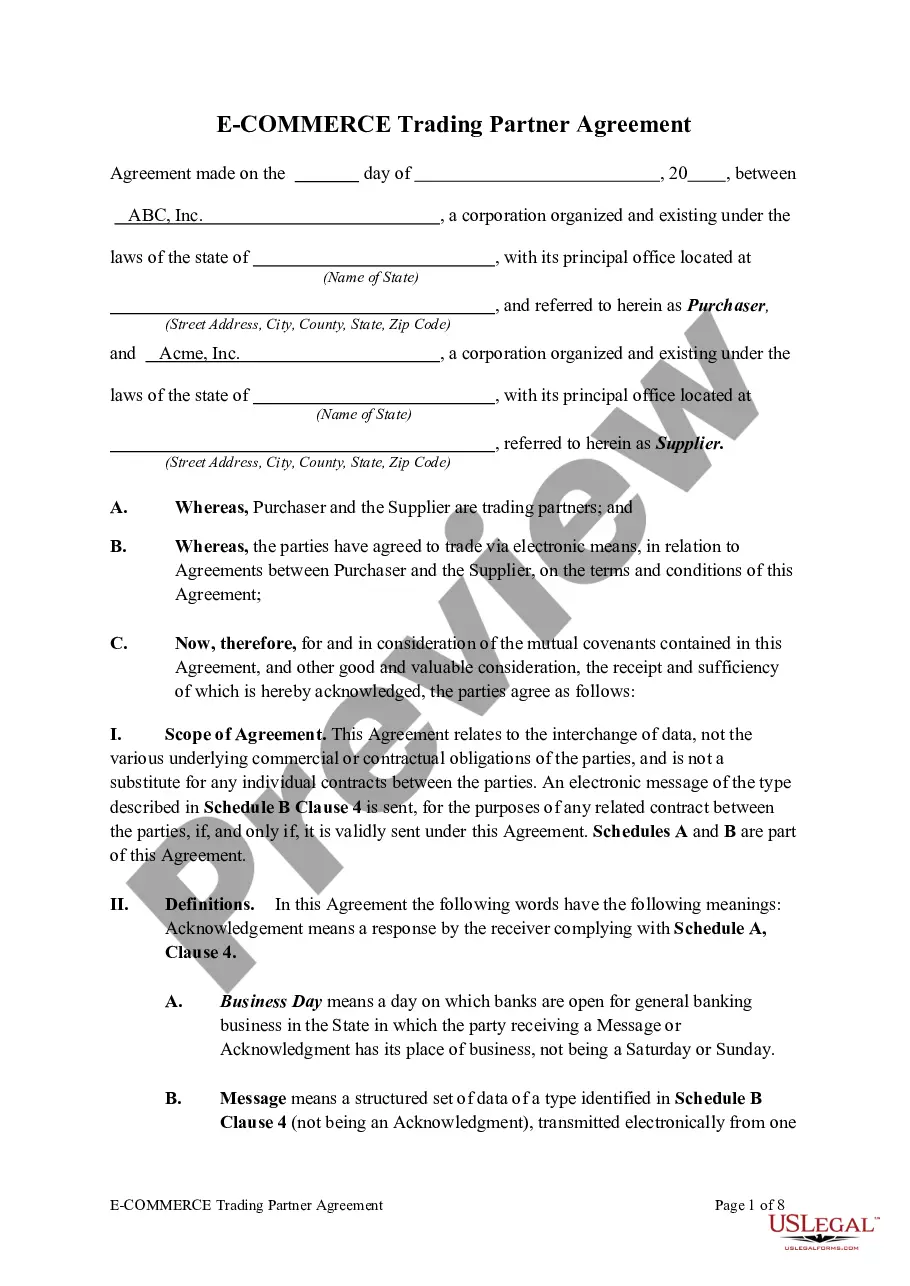
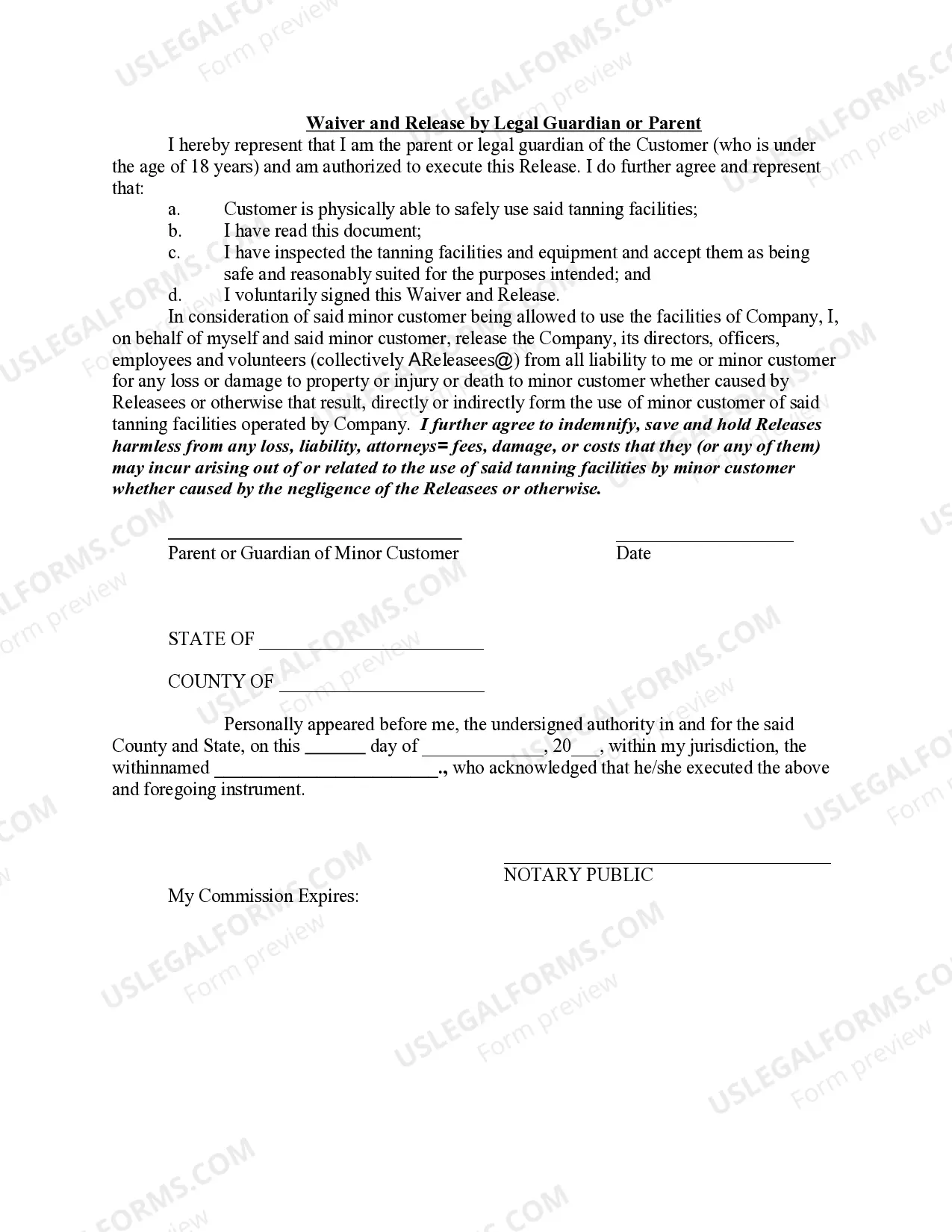
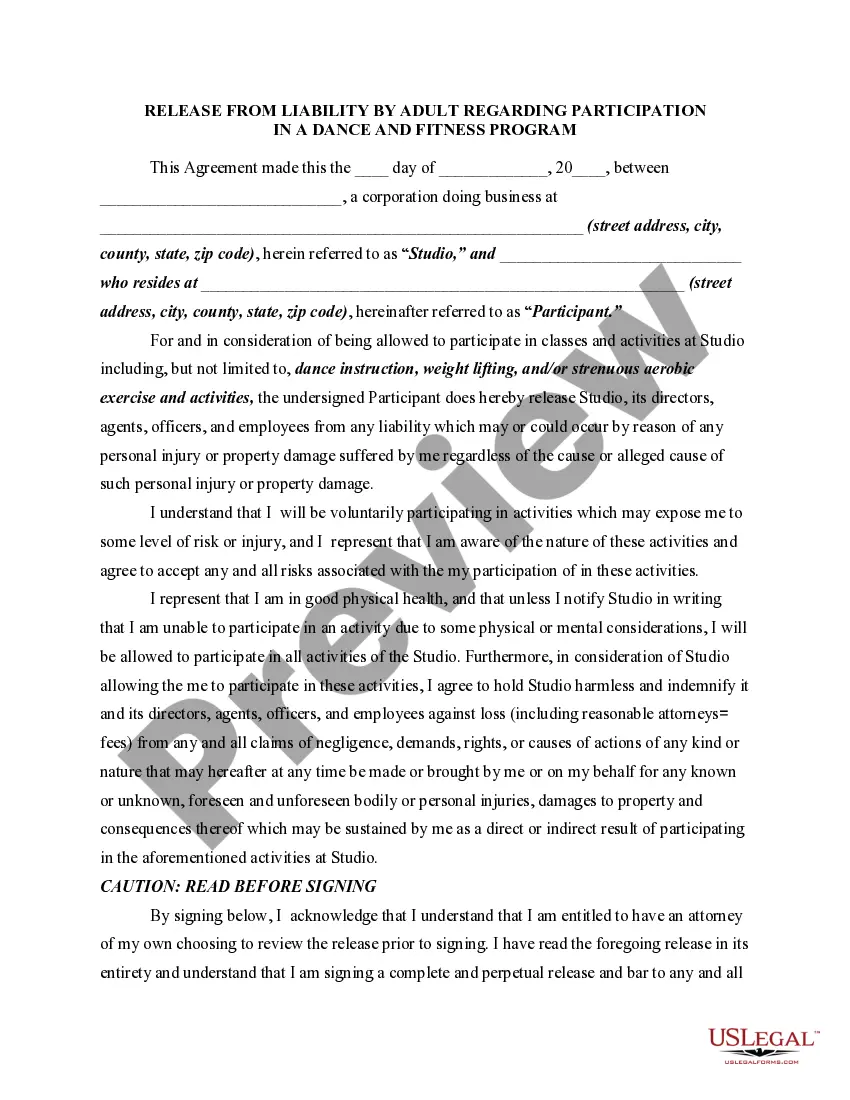
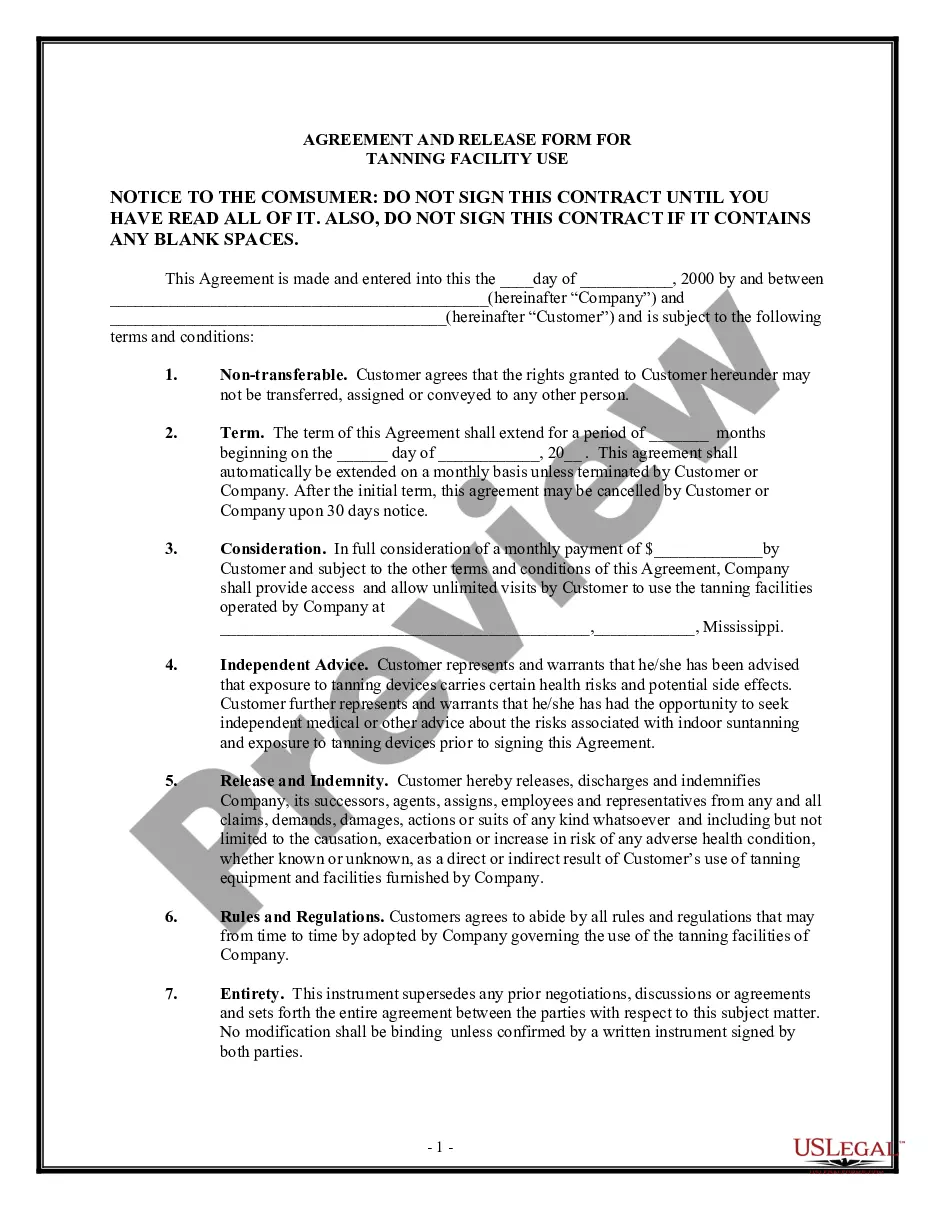
Personal Injury Release Agreement Withdrawal In Texas
Description

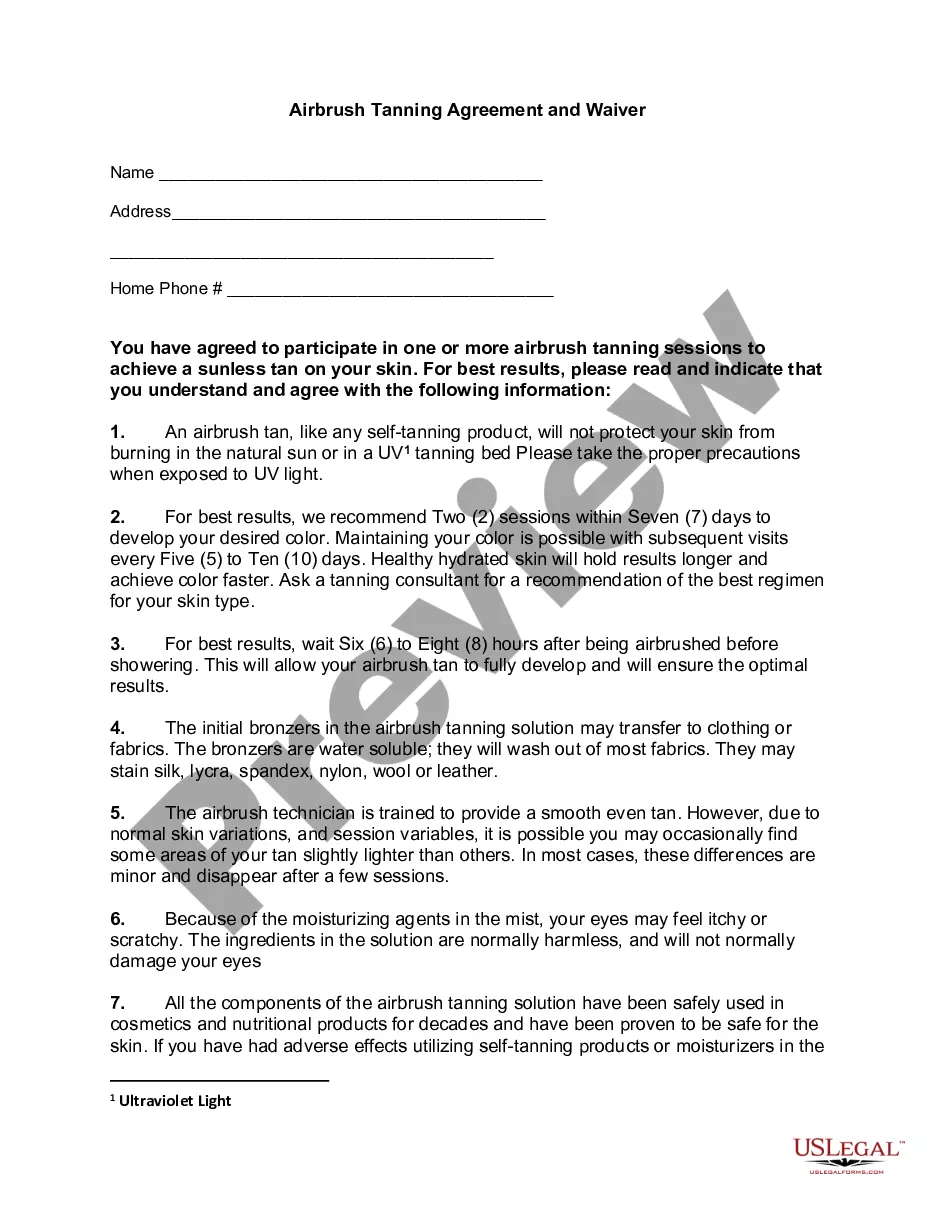
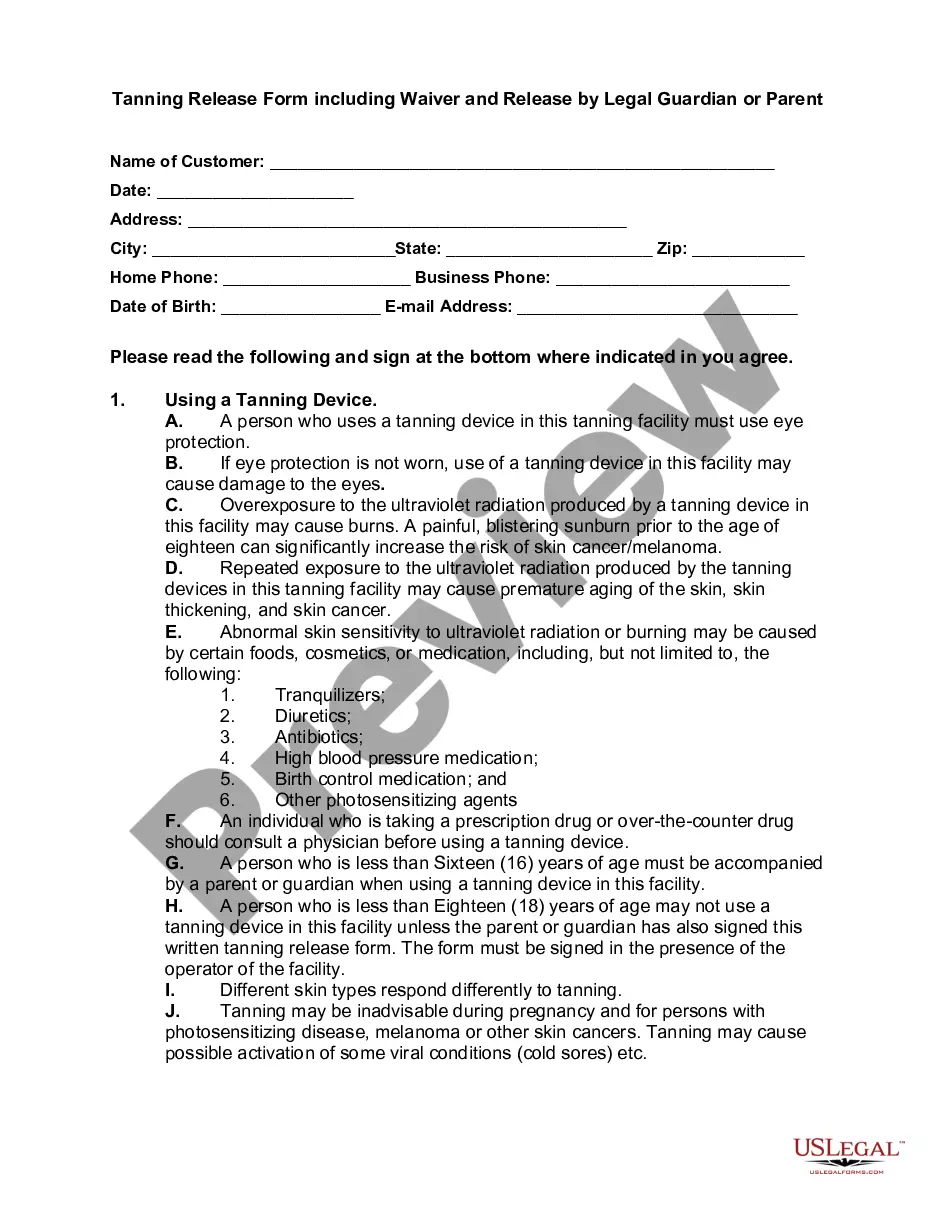
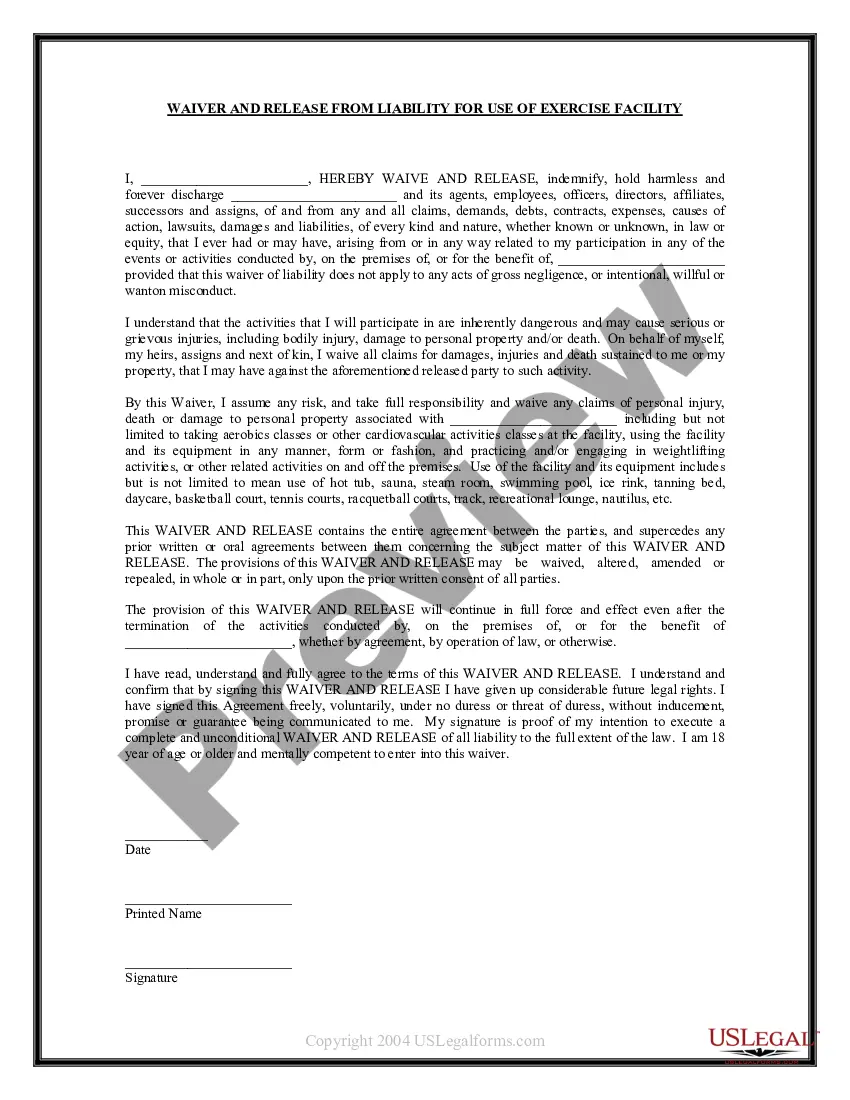
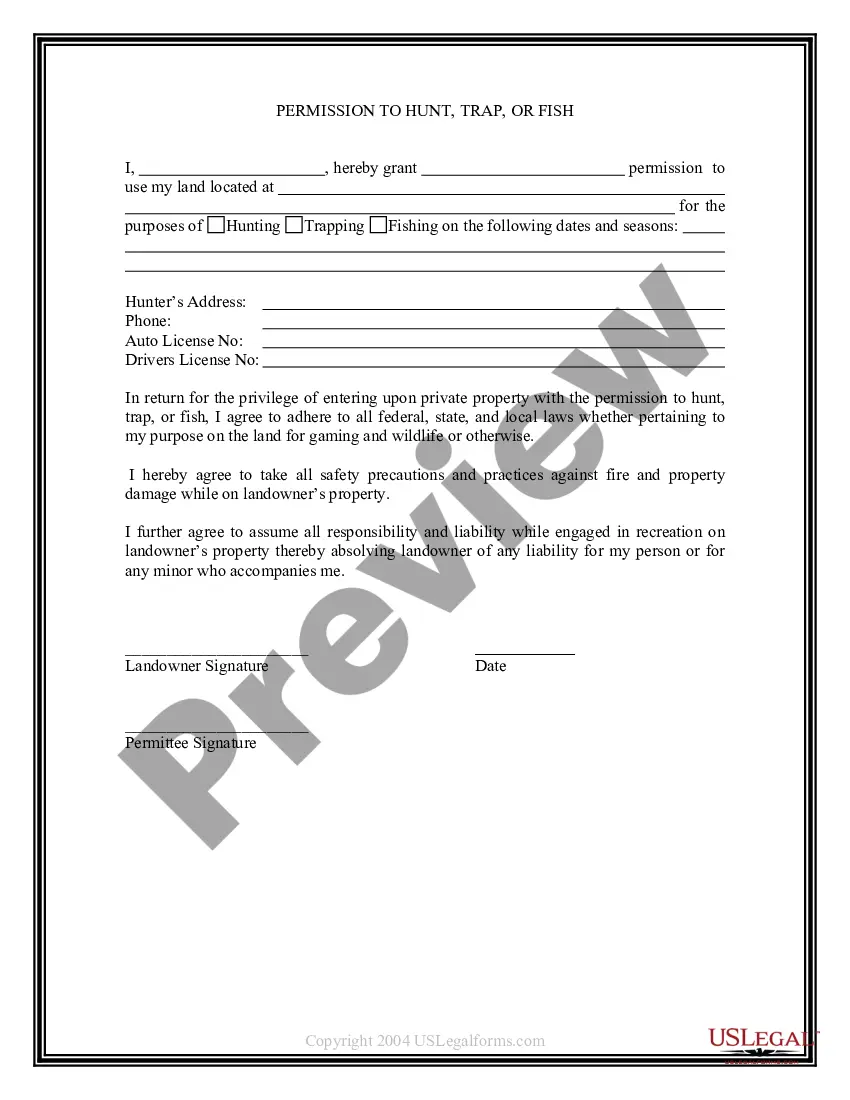
Get your form ready online
Our built-in tools help you complete, sign, share, and store your documents in one place.
Make edits, fill in missing information, and update formatting in US Legal Forms—just like you would in MS Word.
Download a copy, print it, send it by email, or mail it via USPS—whatever works best for your next step.
Sign and collect signatures with our SignNow integration. Send to multiple recipients, set reminders, and more. Go Premium to unlock E-Sign.
If this form requires notarization, complete it online through a secure video call—no need to meet a notary in person or wait for an appointment.
We protect your documents and personal data by following strict security and privacy standards.

Make edits, fill in missing information, and update formatting in US Legal Forms—just like you would in MS Word.

Download a copy, print it, send it by email, or mail it via USPS—whatever works best for your next step.

Sign and collect signatures with our SignNow integration. Send to multiple recipients, set reminders, and more. Go Premium to unlock E-Sign.

If this form requires notarization, complete it online through a secure video call—no need to meet a notary in person or wait for an appointment.

We protect your documents and personal data by following strict security and privacy standards.
Looking for another form?



Form popularity
FAQ
A Mutual Release is a legal agreement between two or more parties where each party agrees to release the other from any claims, liabilities, or obligations arising from a particular contract, dispute, or situation.
Mergers and Acquisitions: In M&A transactions, mutual releases might be executed to absolve the respective parties from previous obligations not covered by the acquisition or merger agreement.
In Texas, a valid release may encompass unknown claims and damages that develop in the future (Keck, Mahin & Cate, 20 S.W. 3d at 698).
Discharge of a contract by agreement refers to the mutual assent between the parties involved to terminate or discharge the contract. The agreement can be reached at any point during the performance of the contract, provided both parties consent to end their obligations under the contract.
In the state of Texas, the personal injury statute of limitations is two years. That means you have no more than two years from the date of the accident to file a lawsuit against the person or entity responsible for your injury.
Steps to Filing a Personal Injury Lawsuit in Texas Obtain Medical Treatment for Injuries. File an Insurance Claim. Consult with a Personal Injury Lawyer. Conduct an Accident Investigation. Send a Settlement Demand Letter. File a Personal Injury Lawsuit. The Discovery Process. Settlement Negotiations and Trial Preparation.
A mutual termination clause allows both parties in a contract to agree to end their agreement by mutual consent, effectively releasing each other from further obligations under the contract.
Sometimes referred to as “release agreements” or as “settlement agreements,” release and settlement agreements bring a legal dispute to an end outside of the courtroom. That legal dispute can be nearly anything, like an alleged: Breach of contract. Violation of a non-compete agreement.
Absent a statute or public policy concern, exculpatory clauses that release a party, such as a service provider, from or limit its liability for its own ordinary negligence are generally enforceable in Texas and most other states (see Ordinary Negligence Versus Gross Negligence).
Each liable defendant is jointly and severally liable for damages recoverable by the claimant if the defendant's percentage of responsibility is greater than 50% or the defendant acted with specific intent to do harm and committed a felony (, kidnapping, etc.)