E-commerce Deal With In Queens
Description

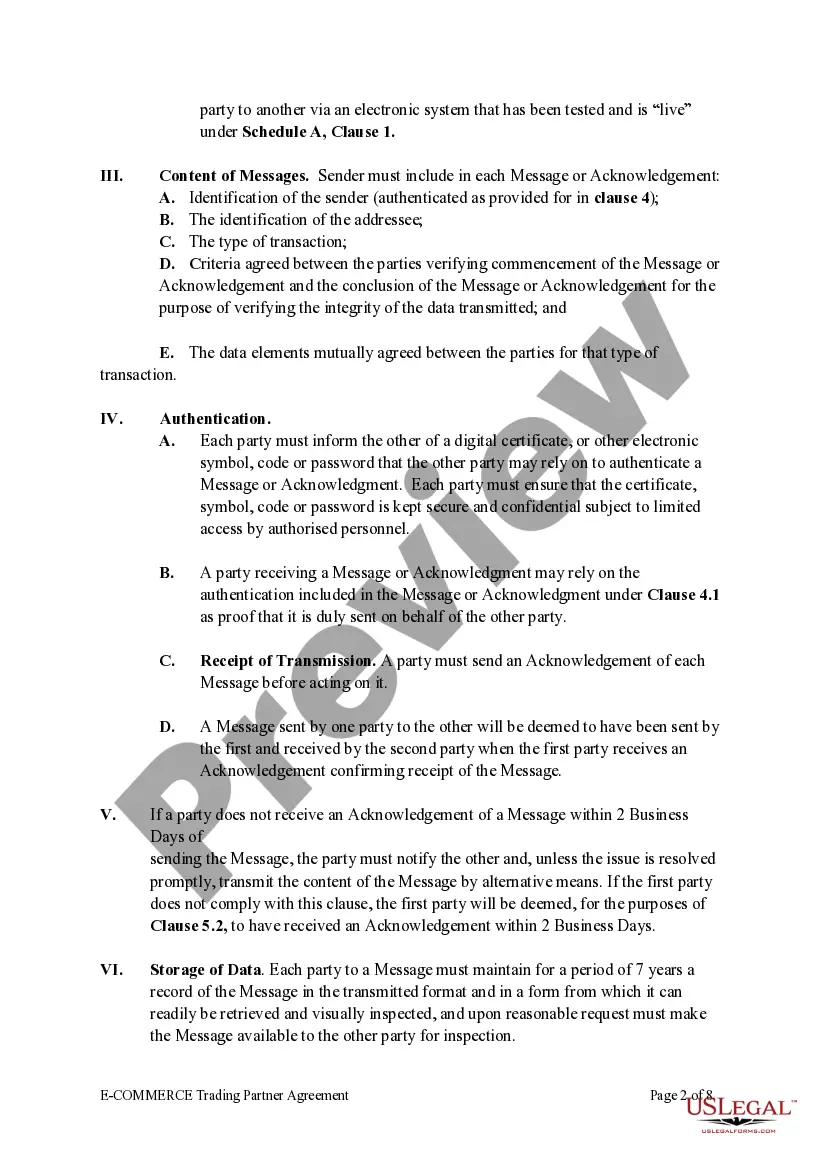
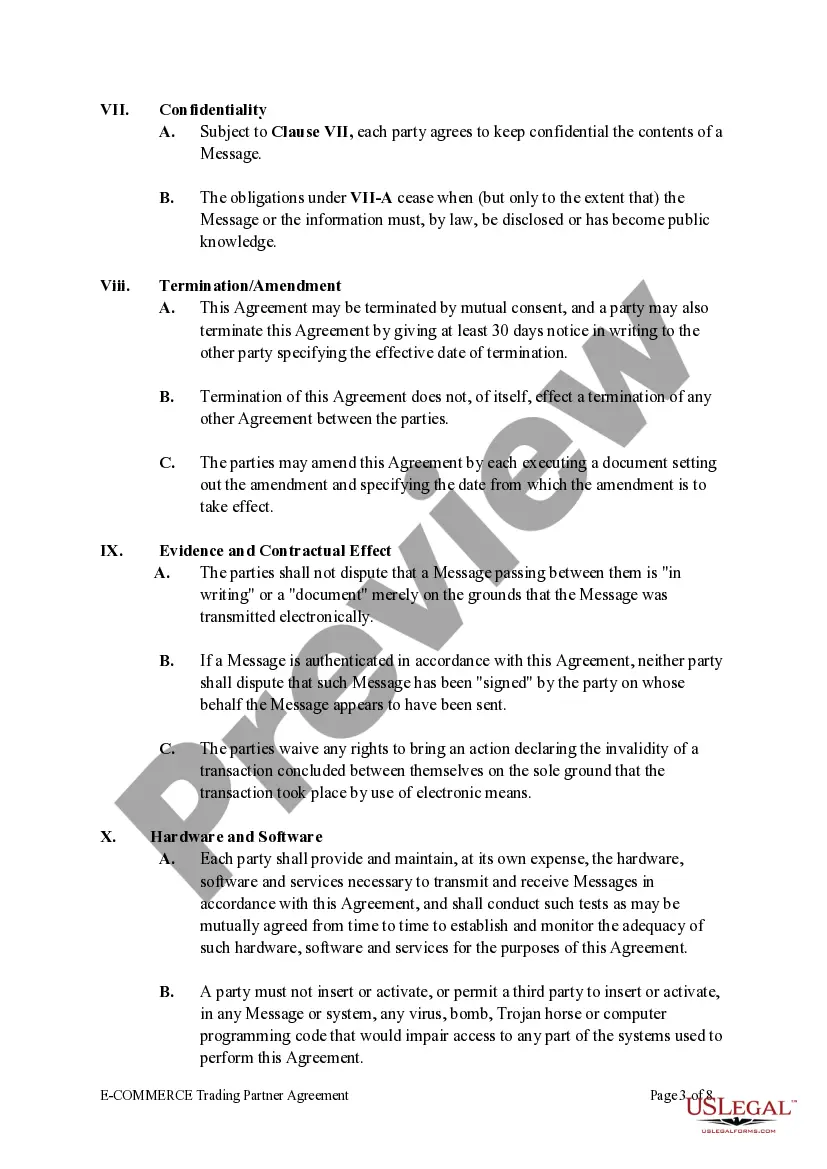
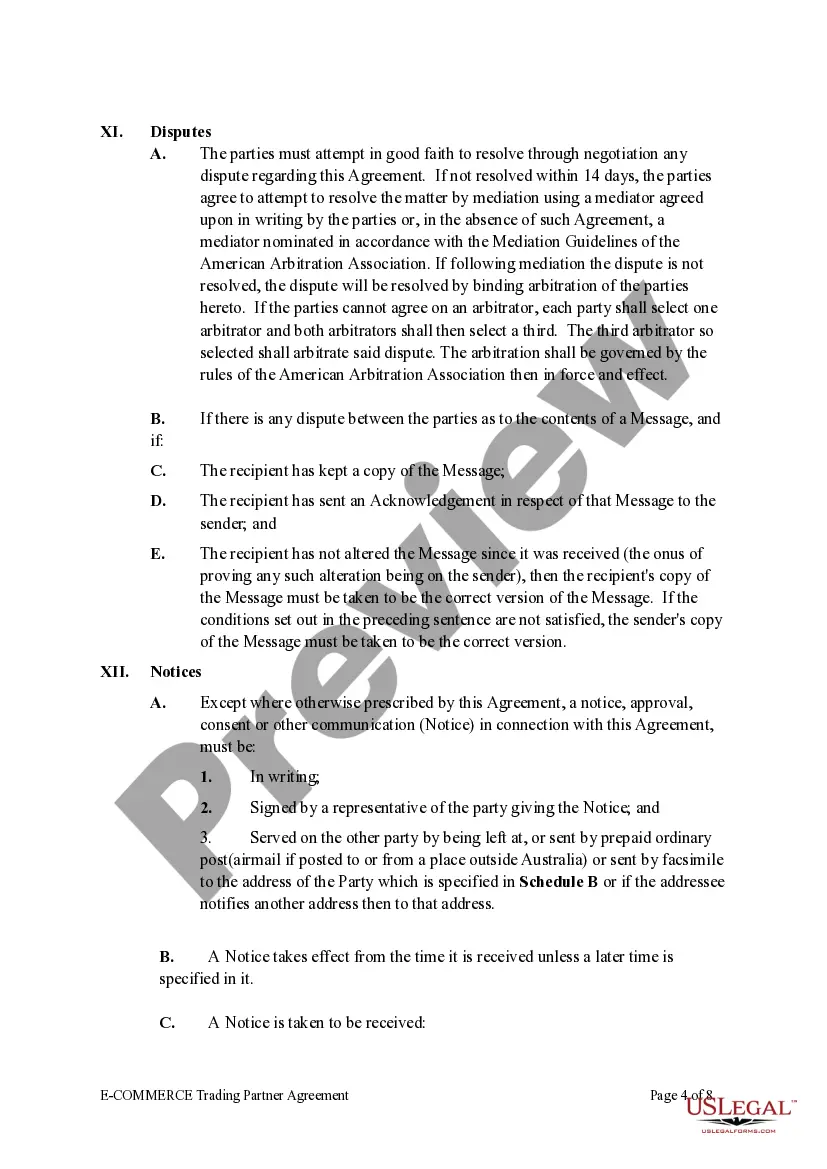
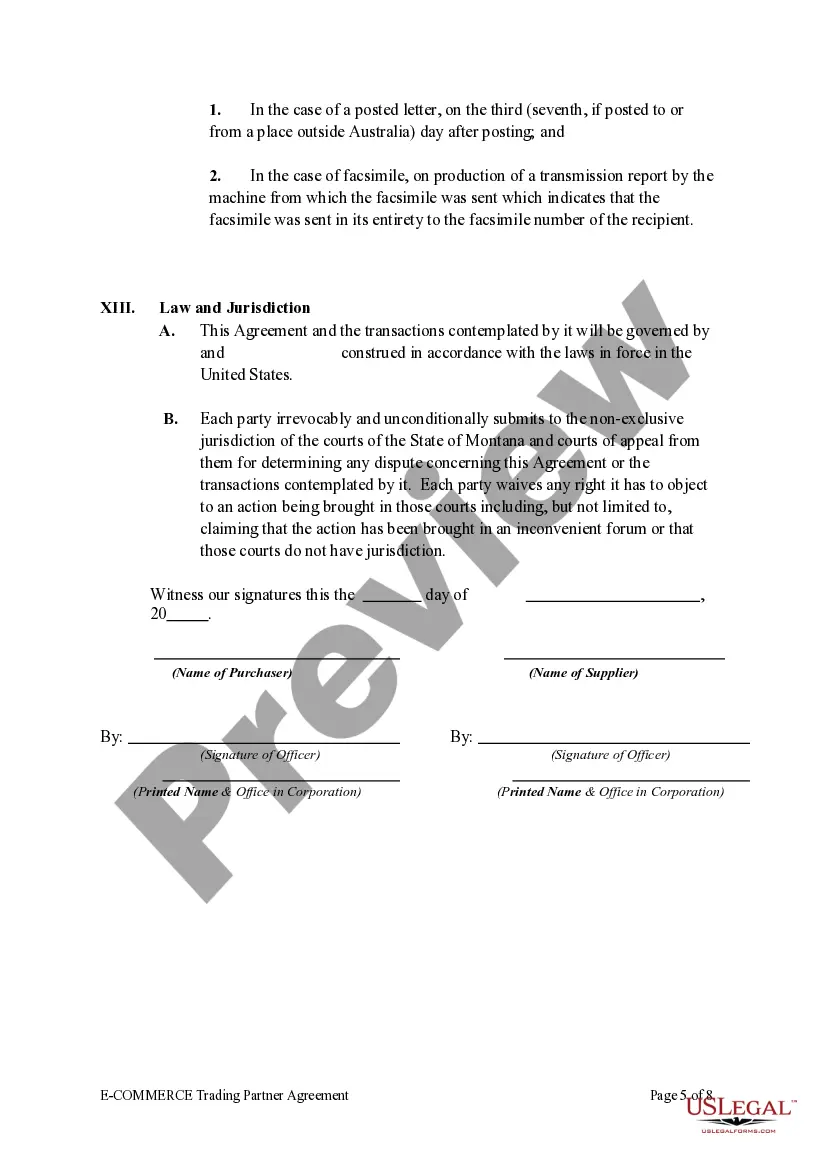


Get your form ready online
Our built-in tools help you complete, sign, share, and store your documents in one place.
Make edits, fill in missing information, and update formatting in US Legal Forms—just like you would in MS Word.
Download a copy, print it, send it by email, or mail it via USPS—whatever works best for your next step.
Sign and collect signatures with our SignNow integration. Send to multiple recipients, set reminders, and more. Go Premium to unlock E-Sign.
If this form requires notarization, complete it online through a secure video call—no need to meet a notary in person or wait for an appointment.
We protect your documents and personal data by following strict security and privacy standards.

Make edits, fill in missing information, and update formatting in US Legal Forms—just like you would in MS Word.

Download a copy, print it, send it by email, or mail it via USPS—whatever works best for your next step.

Sign and collect signatures with our SignNow integration. Send to multiple recipients, set reminders, and more. Go Premium to unlock E-Sign.

If this form requires notarization, complete it online through a secure video call—no need to meet a notary in person or wait for an appointment.

We protect your documents and personal data by following strict security and privacy standards.
Looking for another form?
Form popularity
FAQ
If you're new to ecommerce, you may want to start small and scale up. Selling on your own website is an option if you have the time, resources, and skills to customize a website, create a seamless online experience, and compete on the internet to get customers to your virtual doorstep.
There are four main models of e-commerce: Business-to-Consumer (B2C), Business-to-Business (B2B), Consumer-to-Business (C2B), and Consumer-to-Consumer (C2C). Examples of e-commerce include dropshipping, crowdfunding, electronic payments, online subscriptions, and digital products transactions.
Steps to starting an ecommerce business Research business ideas. Make sure there's demand for the products you want to sell. Determine how you'll sell and ship products to customers. Find suppliers and manufacturers. Choose which online channels you'll sell through.
Start an Online eCommerce Business Choose your niche. Do your research. Choose your product and target market. Validate your product. Decide how you'll get your product. Write your business plan. Pick your business name and legal structure. Apply for your EIN, permits, and licenses.
Here's how to get started. Step 1: Research e-commerce models and decide what to sell. Step 2: Write a business plan. Step 3: Choose a business name and start building your brand. Step 4: Register your business. Step 5: Create your e-commerce business website. Step 6: Source and develop your products or services.
Electronic commerce, commonly known as e-commerce or eCommerce, or e-business consists of the buying and selling of products or services over electronic systems such as the Internet and other computer networks. The amount of trade conducted electronically has grown extraordinarily with widespread Internet usage.
Step 1: Understanding Your Target Market To sell effectively, you need to understand who you're selling to. A 2022 report by Shopify revealed that personalized shopping experiences could drive up to a 20% increase in customer engagement.
What types of payments are considered eCommerce payments? Payments that are initiated through an online web browser via a specific retail website, browser-based payments from a tablet or smartphone, and smartphone payments that are initiated through a mobile app are all examples of eCommerce transactions.
An ECOM (e-commerce) transaction is a digital financial exchange that occurs when you buy and sell goods and services through online platforms. E-commerce transaction meaning involves the transfer of funds electronically in exchange for products or services, conducted via e-commerce websites or mobile applications.
Ecommerce—a term derived from “electronic commerce”—refers to the buying and selling of goods and services online. It involves a variety of online transaction types, including online shopping, electronic payments, online auctions, and more.
