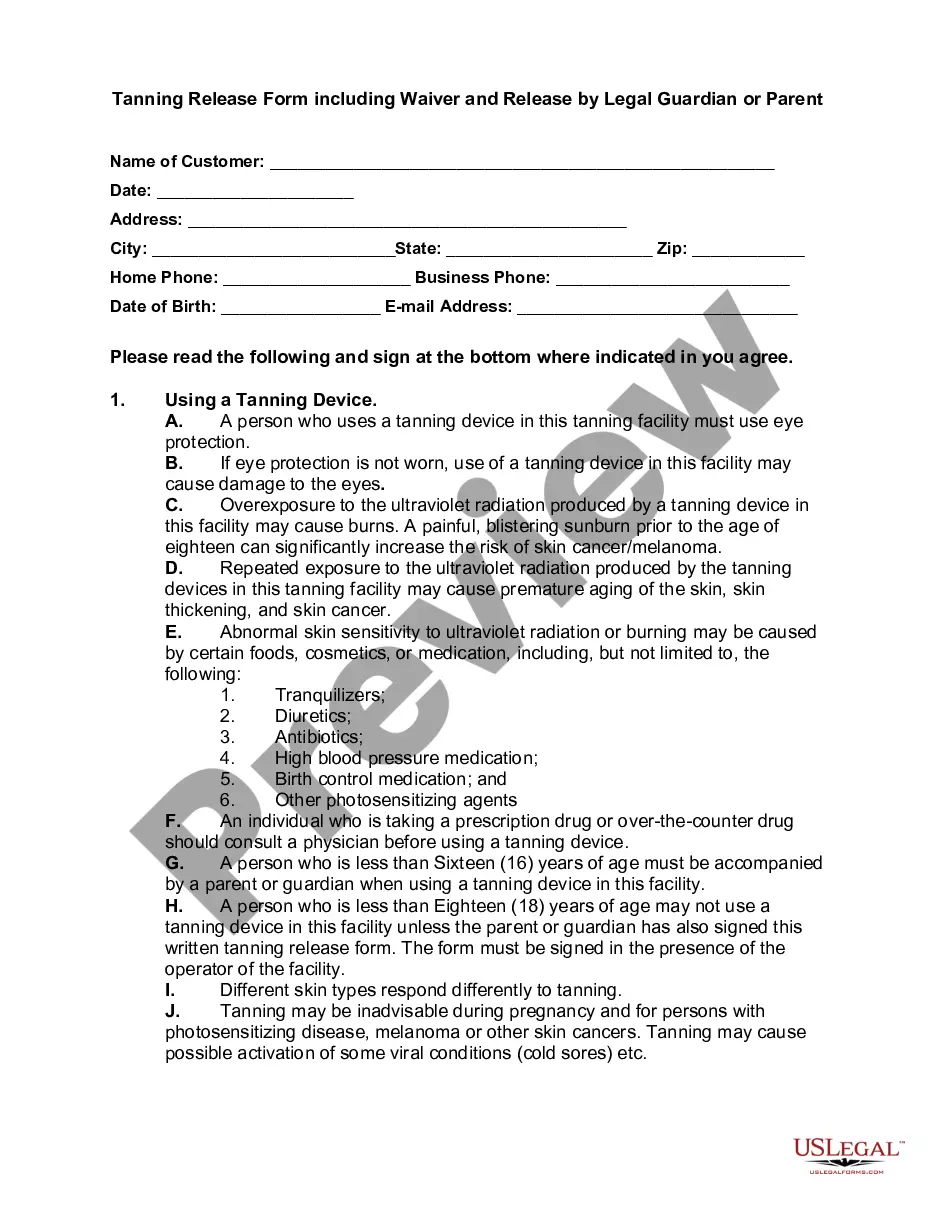
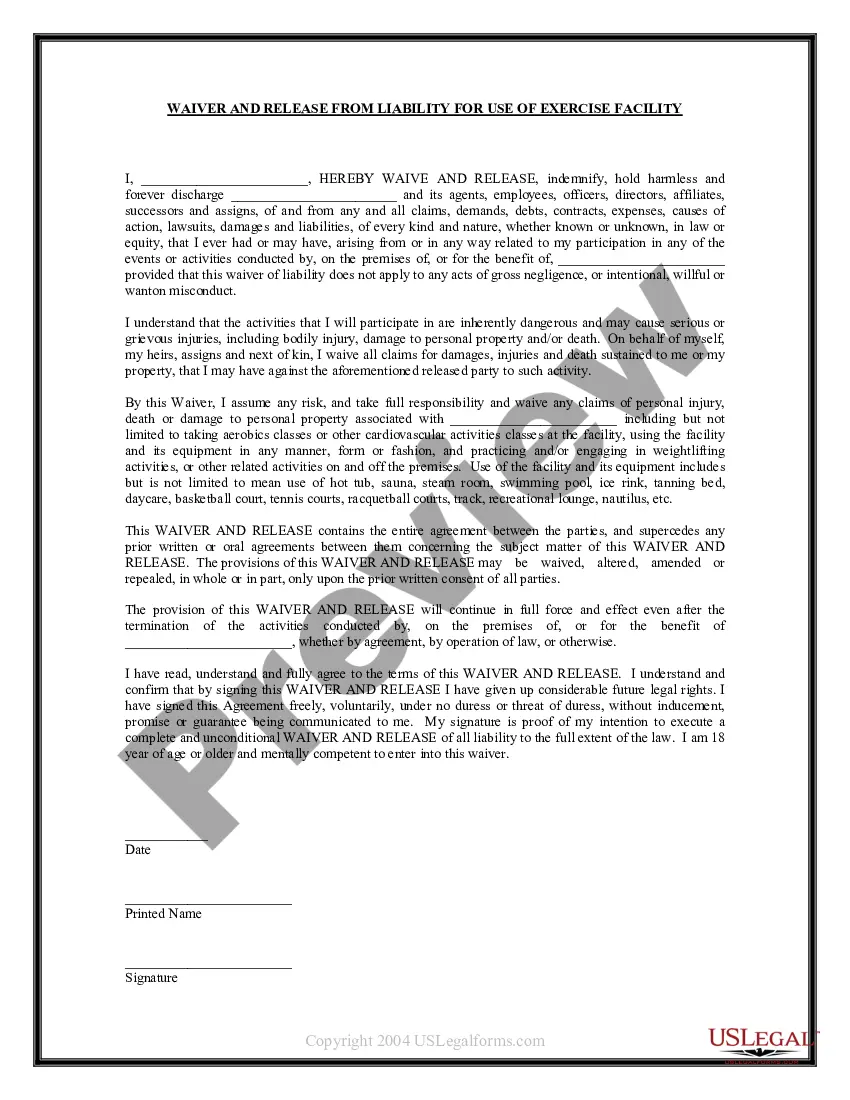
Bodily Injury Release Form Florida In San Antonio
Description

Get your form ready online
Our built-in tools help you complete, sign, share, and store your documents in one place.
Make edits, fill in missing information, and update formatting in US Legal Forms—just like you would in MS Word.
Download a copy, print it, send it by email, or mail it via USPS—whatever works best for your next step.
Sign and collect signatures with our SignNow integration. Send to multiple recipients, set reminders, and more. Go Premium to unlock E-Sign.
If this form requires notarization, complete it online through a secure video call—no need to meet a notary in person or wait for an appointment.
We protect your documents and personal data by following strict security and privacy standards.

Make edits, fill in missing information, and update formatting in US Legal Forms—just like you would in MS Word.

Download a copy, print it, send it by email, or mail it via USPS—whatever works best for your next step.

Sign and collect signatures with our SignNow integration. Send to multiple recipients, set reminders, and more. Go Premium to unlock E-Sign.

If this form requires notarization, complete it online through a secure video call—no need to meet a notary in person or wait for an appointment.

We protect your documents and personal data by following strict security and privacy standards.
Looking for another form?


Form popularity
FAQ
As mentioned earlier, bodily injury claims in Florida are based on the state's “no-fault” insurance system. This means that, regardless of who is at fault for an accident, each driver's own insurance company pays for their personal injury expenses up to a certain limit.
What is the release of all claims in Florida? In Florida, a release of all claims is a legally binding agreement that an individual signs to waive their right to pursue any future claims against another party regarding a specific incident or set of circumstances.
Florida does not require any bodily injury liability insurance unless you've been in a car accident or committed certain traffic violations. Many states do require their residents to have bodily injury liability coverage to drive, but Florida does not.
A written contract (or provision in a contract) in which one or more parties agree to give up legal causes of action against the other party in exchange for adequate consideration (that is, something of value to which the party releasing the legal claims is not already entitled).
A release of liability (commonly referred to as a liability waiver or an exculpatory agreement) governed by Florida law given or signed by a prospective participant in a potentially dangerous activity in favor of the company providing access to the activity.
Also known as a liability waiver form, the release of all claims form is signed when the defendant and plaintiff reach a settlement in a lawsuit. It does three things, including: Resolving the issue between the two parties. Dismissing the plaintiff's claims. Releasing the defendant from liability.
Taxes are one of the last things that someone injured in an accident wants to worry about after receiving a personal injury settlement. Fortunately, in Florida, most personal injury settlements are not taxable. In addition, personal injury settlements are generally not taxed by the federal government either.