Bodily Injury Release Form Florida In Salt Lake
Description

Get your form ready online
Our built-in tools help you complete, sign, share, and store your documents in one place.
Make edits, fill in missing information, and update formatting in US Legal Forms—just like you would in MS Word.
Download a copy, print it, send it by email, or mail it via USPS—whatever works best for your next step.
Sign and collect signatures with our SignNow integration. Send to multiple recipients, set reminders, and more. Go Premium to unlock E-Sign.
If this form requires notarization, complete it online through a secure video call—no need to meet a notary in person or wait for an appointment.
We protect your documents and personal data by following strict security and privacy standards.

Make edits, fill in missing information, and update formatting in US Legal Forms—just like you would in MS Word.

Download a copy, print it, send it by email, or mail it via USPS—whatever works best for your next step.

Sign and collect signatures with our SignNow integration. Send to multiple recipients, set reminders, and more. Go Premium to unlock E-Sign.

If this form requires notarization, complete it online through a secure video call—no need to meet a notary in person or wait for an appointment.

We protect your documents and personal data by following strict security and privacy standards.
Looking for another form?

Form popularity
FAQ
At the state level, compensation for pain and suffering can vary widely. Moderate injuries usually result in settlements between $10,000 and $100,000, while more severe cases, such as those involving permanent disability or disfigurement, can push the settlement amount to $500,000 or more.
To file a bodily injury claim in Florida, gather evidence of your injuries, consult with a personal injury lawyer for guidance, seek immediate medical treatment, compile medical records, and file the claim with assistance from your attorney, who can also negotiate a higher settlement if needed.
After determining what your case is worth, you should usually ask for around double that amount in your demand letter. This initiates the settlement negotiation process and gives you room to compromise. It also helps you avoid asking for too little and the insurance company agreeing to that amount.
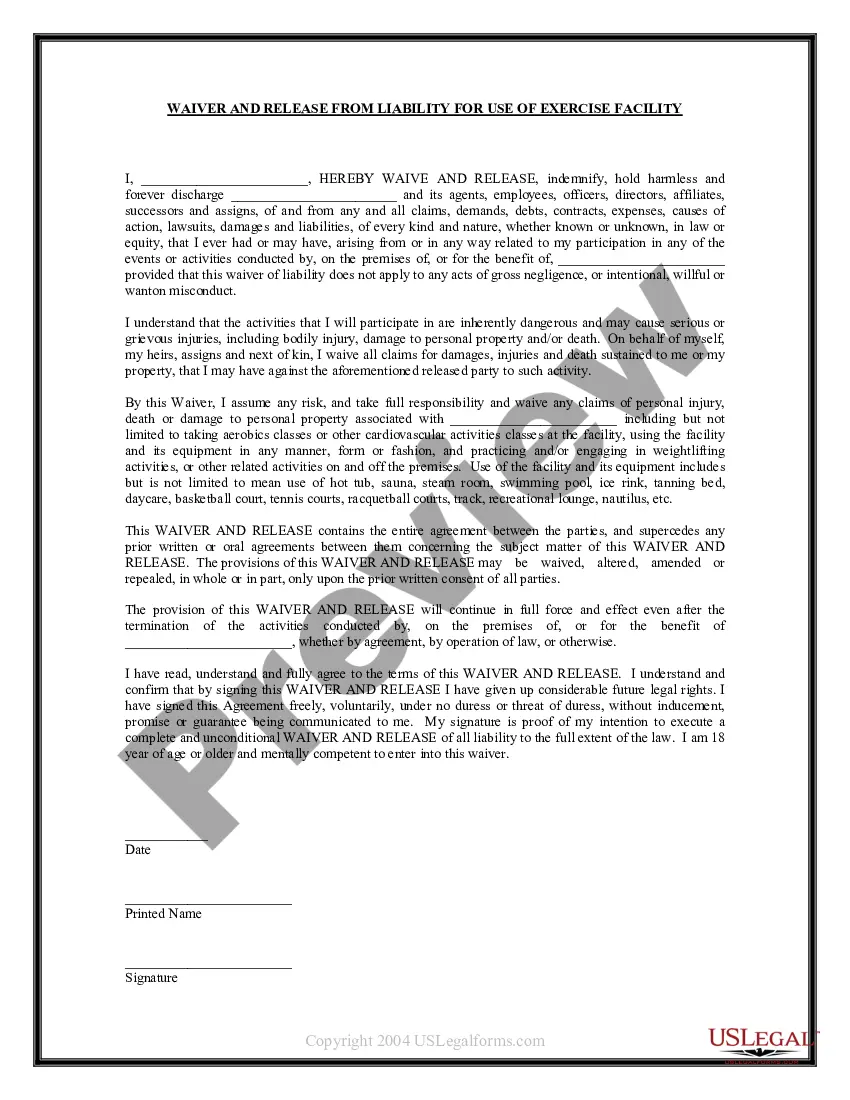
Florida Release of Liability Forms. A Release of Liability Form is a legal document that protects businesses and individuals from future legal claims by ensuring that participants acknowledge and accept the risks involved in an activity.
Florida adopted a modified comparative negligence rule. Under this new law, if you are found to be 51% or more at fault for your accident, you have lost your ability to access any compensation. Because of this, the amount of fault assigned to each party after an accident has become even more crucial.
At the state level, compensation for pain and suffering can vary widely. Moderate injuries usually result in settlements between $10,000 and $100,000, while more severe cases, such as those involving permanent disability or disfigurement, can push the settlement amount to $500,000 or more.
An injury release form is a statement that says that the claim is resolved and that the insurance company or the at-fault party has no further obligation to you. In short, an injury release form releases the other party from paying any more compensation or accepting further claims relating to your injury.
In 2021, the Florida Senate introduced SB 54, which would eliminate the mandatory PIP requirement for auto insurance. In its place, the new PIP reform law would require vehicle owners to carry: A minimum of $25,000 in bodily injury coverage. A minimum of $50,000 for two or more people in any one accident.
A written contract (or provision in a contract) in which one or more parties agree to give up legal causes of action against the other party in exchange for adequate consideration (that is, something of value to which the party releasing the legal claims is not already entitled).
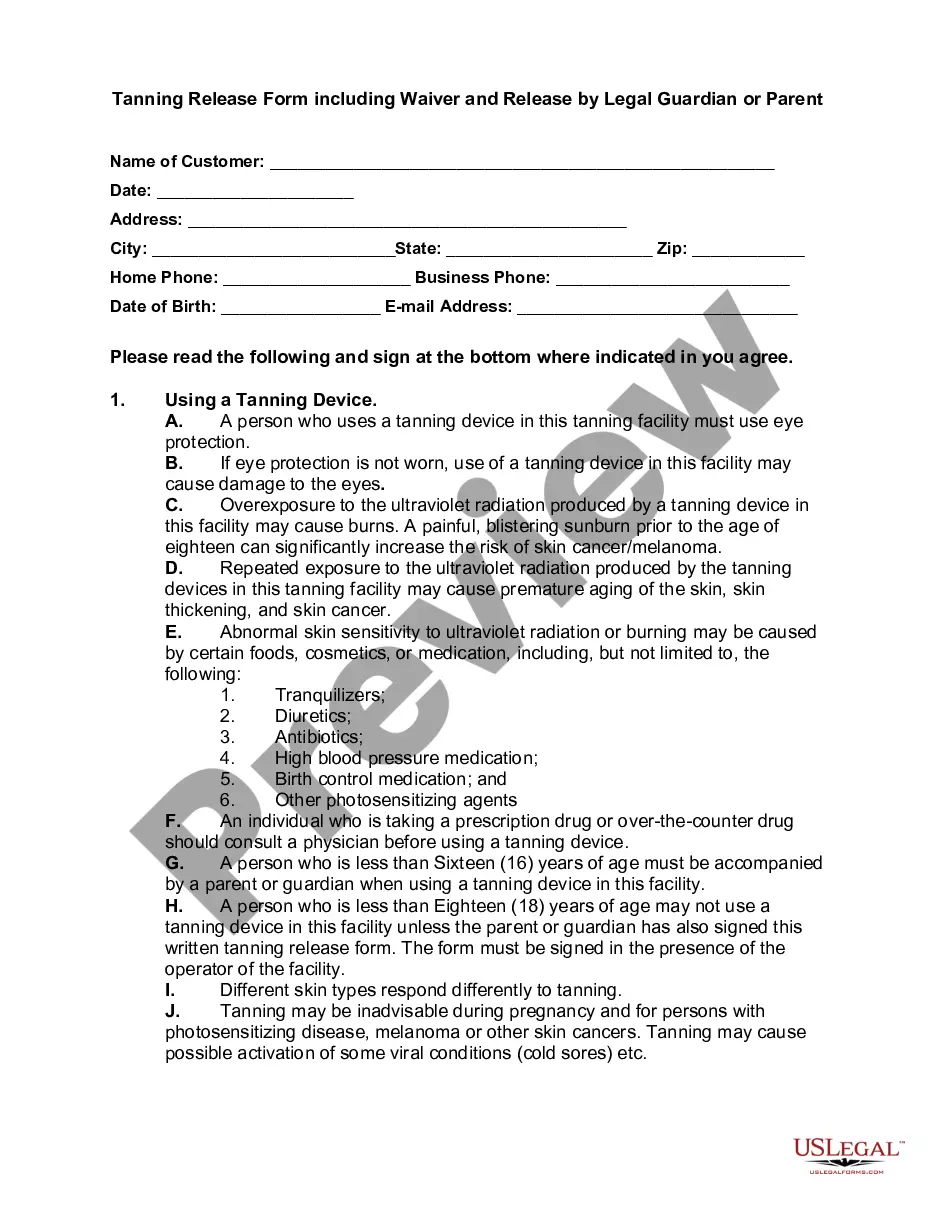
A release of liability (commonly referred to as a liability waiver or an exculpatory agreement) governed by Florida law given or signed by a prospective participant in a potentially dangerous activity in favor of the company providing access to the activity.