Personal Injury Release Form Template In Michigan
Description

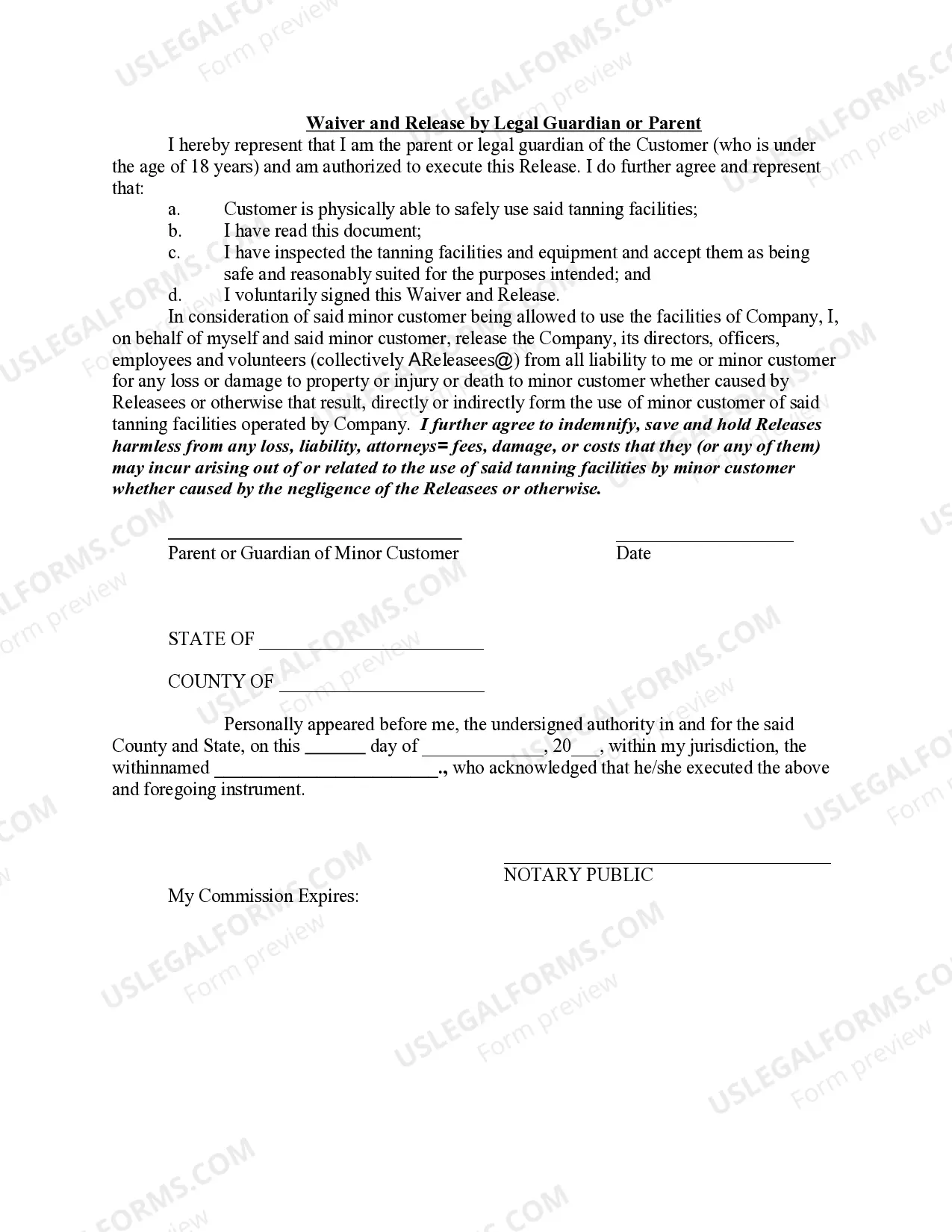
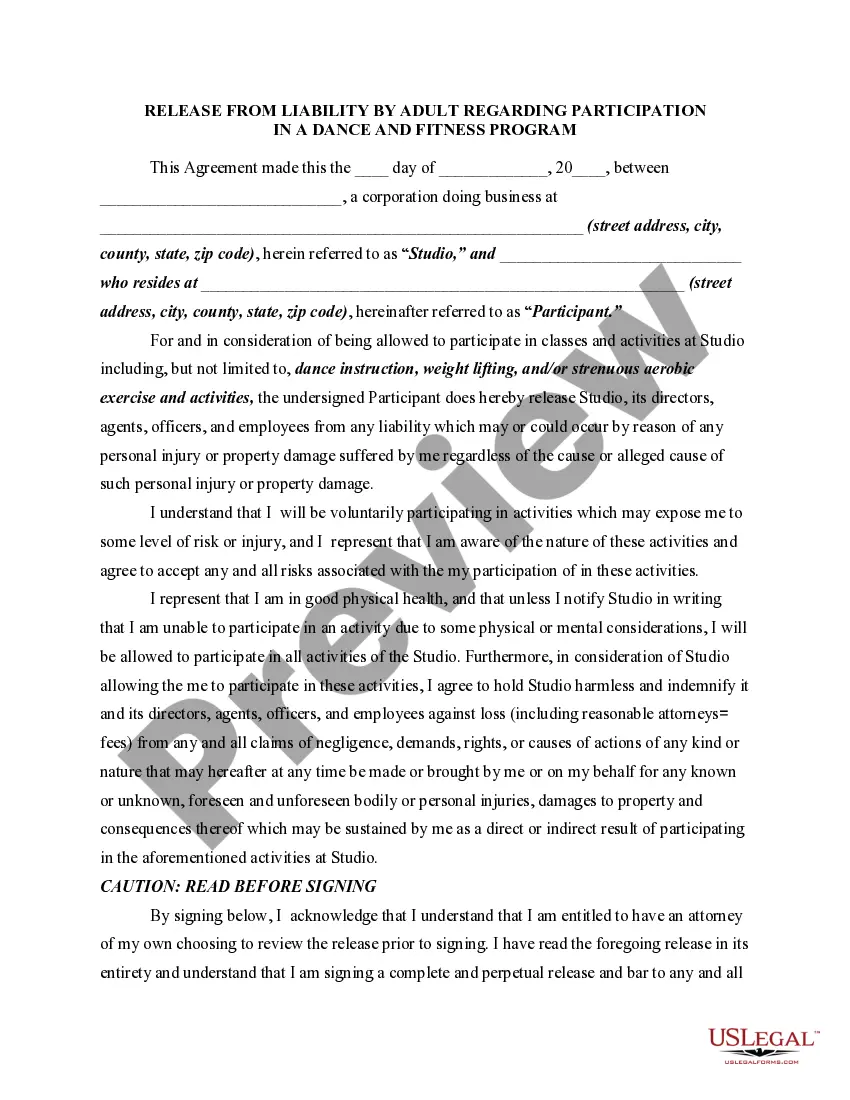
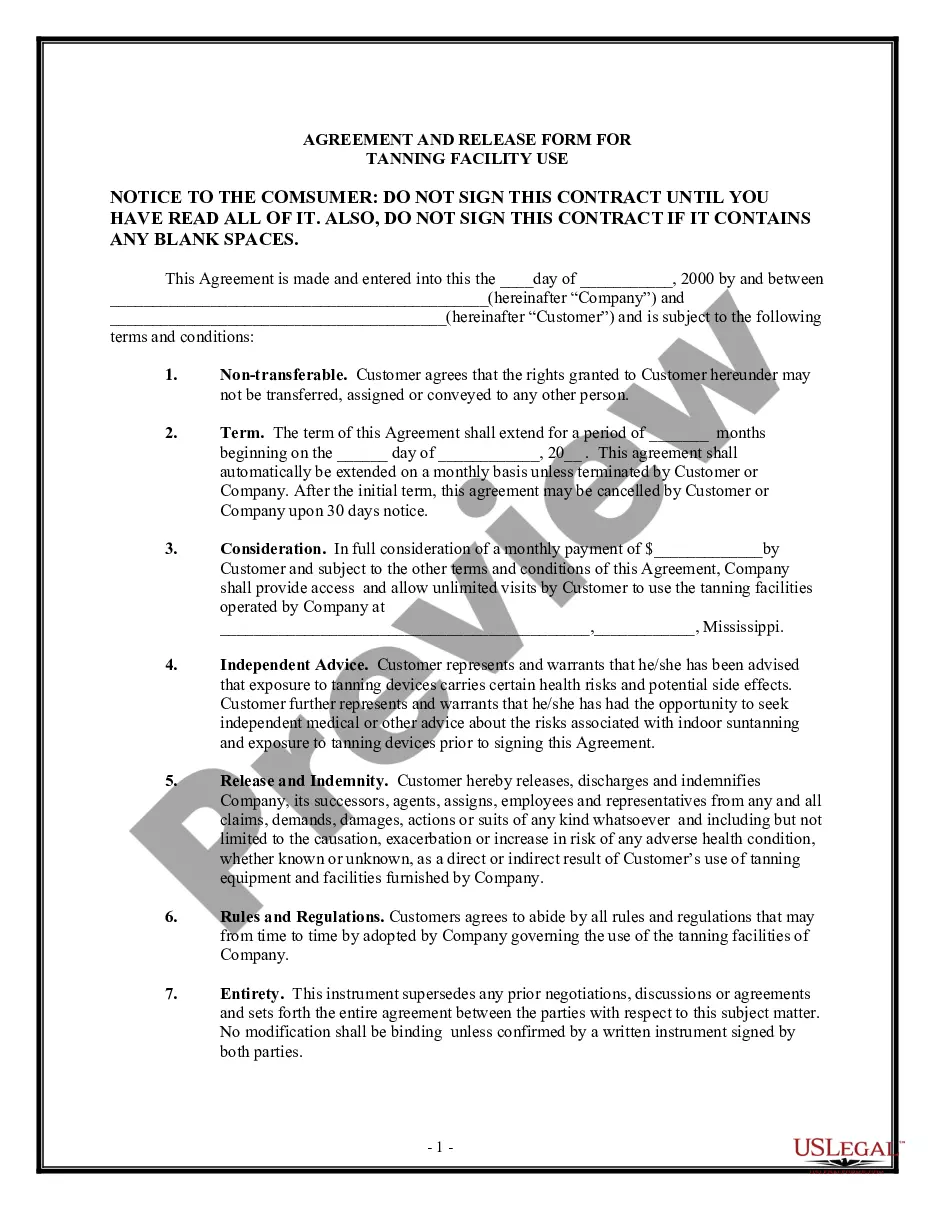
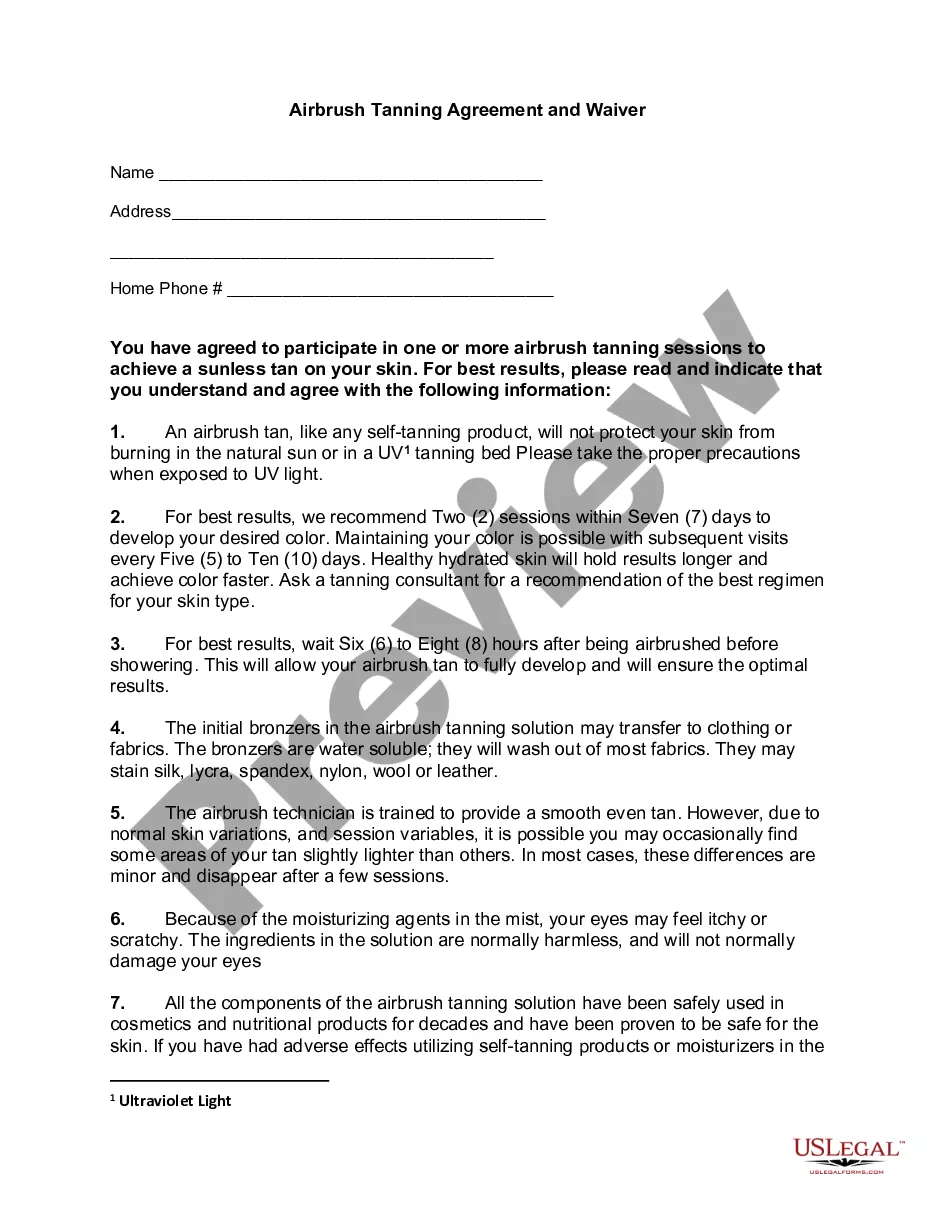
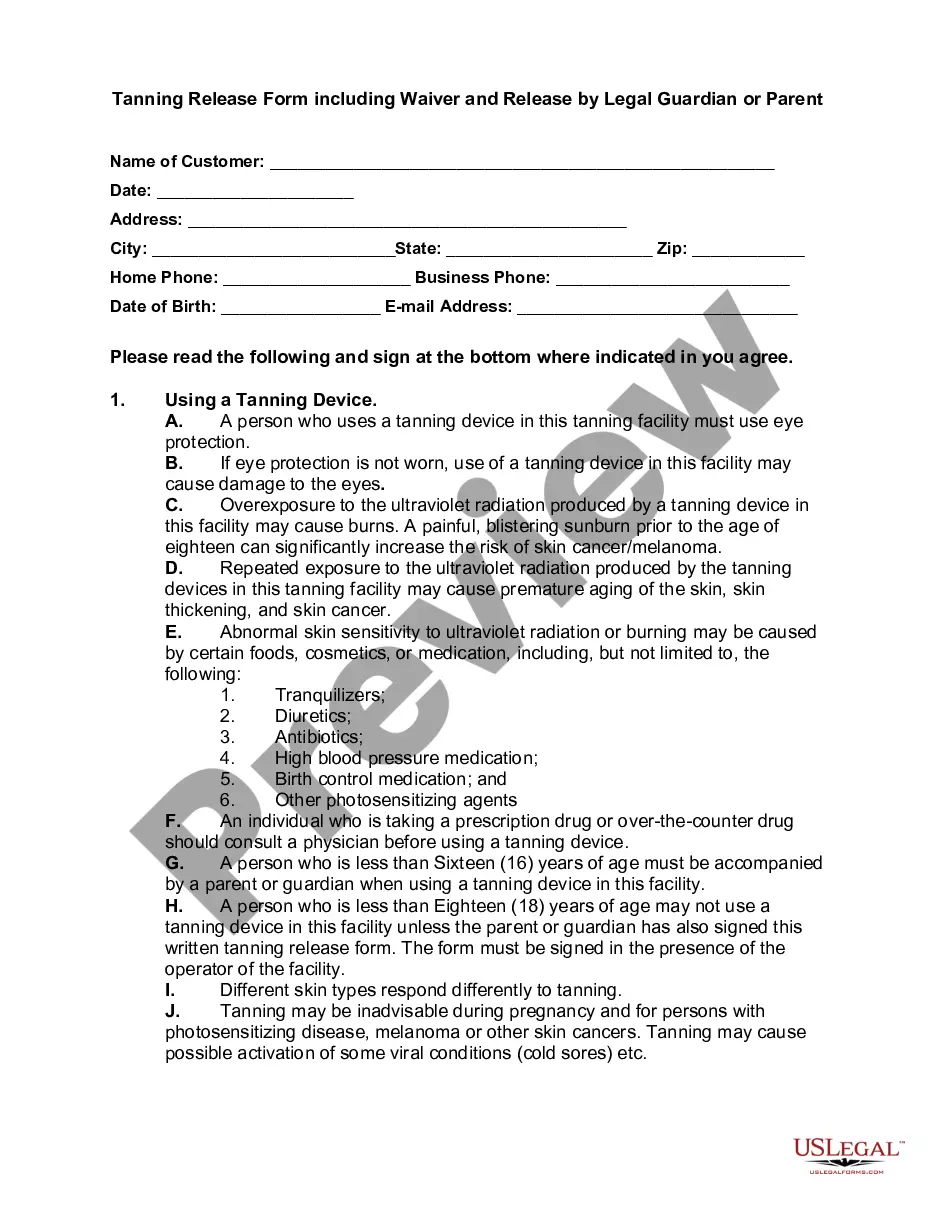
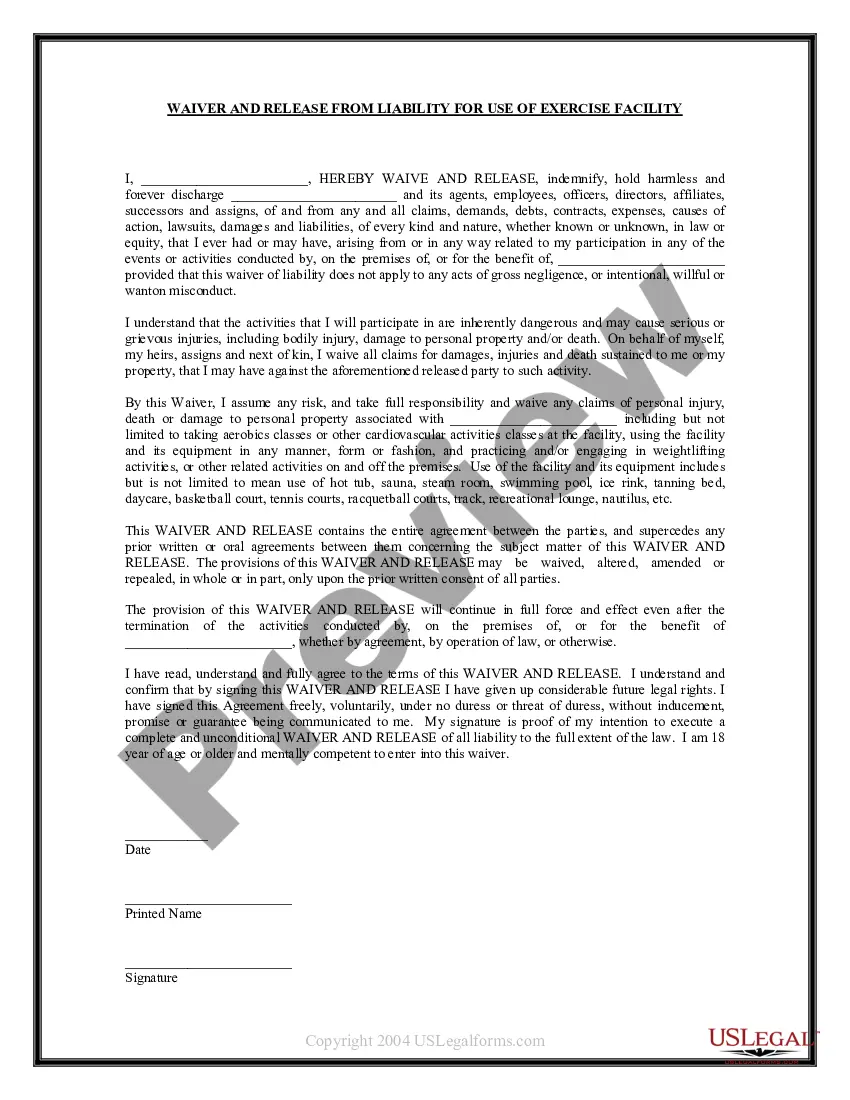
Get your form ready online
Our built-in tools help you complete, sign, share, and store your documents in one place.
Make edits, fill in missing information, and update formatting in US Legal Forms—just like you would in MS Word.
Download a copy, print it, send it by email, or mail it via USPS—whatever works best for your next step.
Sign and collect signatures with our SignNow integration. Send to multiple recipients, set reminders, and more. Go Premium to unlock E-Sign.
If this form requires notarization, complete it online through a secure video call—no need to meet a notary in person or wait for an appointment.
We protect your documents and personal data by following strict security and privacy standards.

Make edits, fill in missing information, and update formatting in US Legal Forms—just like you would in MS Word.

Download a copy, print it, send it by email, or mail it via USPS—whatever works best for your next step.

Sign and collect signatures with our SignNow integration. Send to multiple recipients, set reminders, and more. Go Premium to unlock E-Sign.

If this form requires notarization, complete it online through a secure video call—no need to meet a notary in person or wait for an appointment.

We protect your documents and personal data by following strict security and privacy standards.
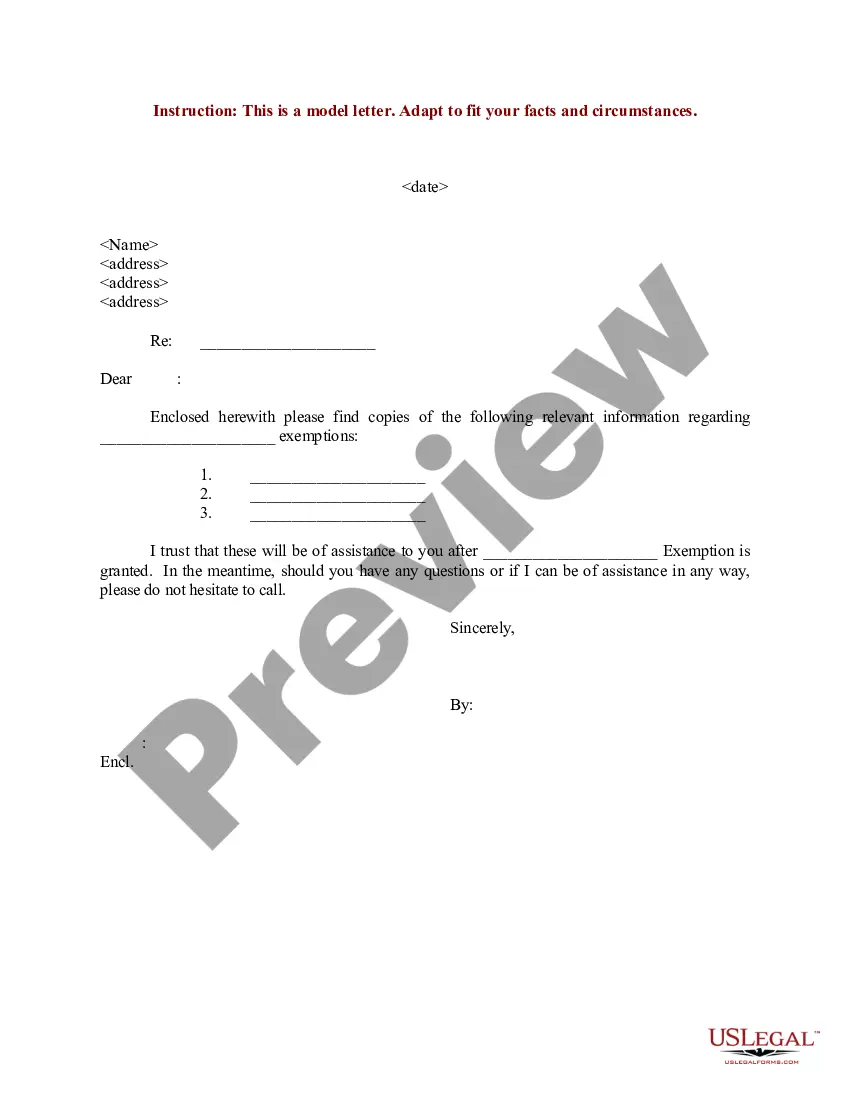
Looking for another form?






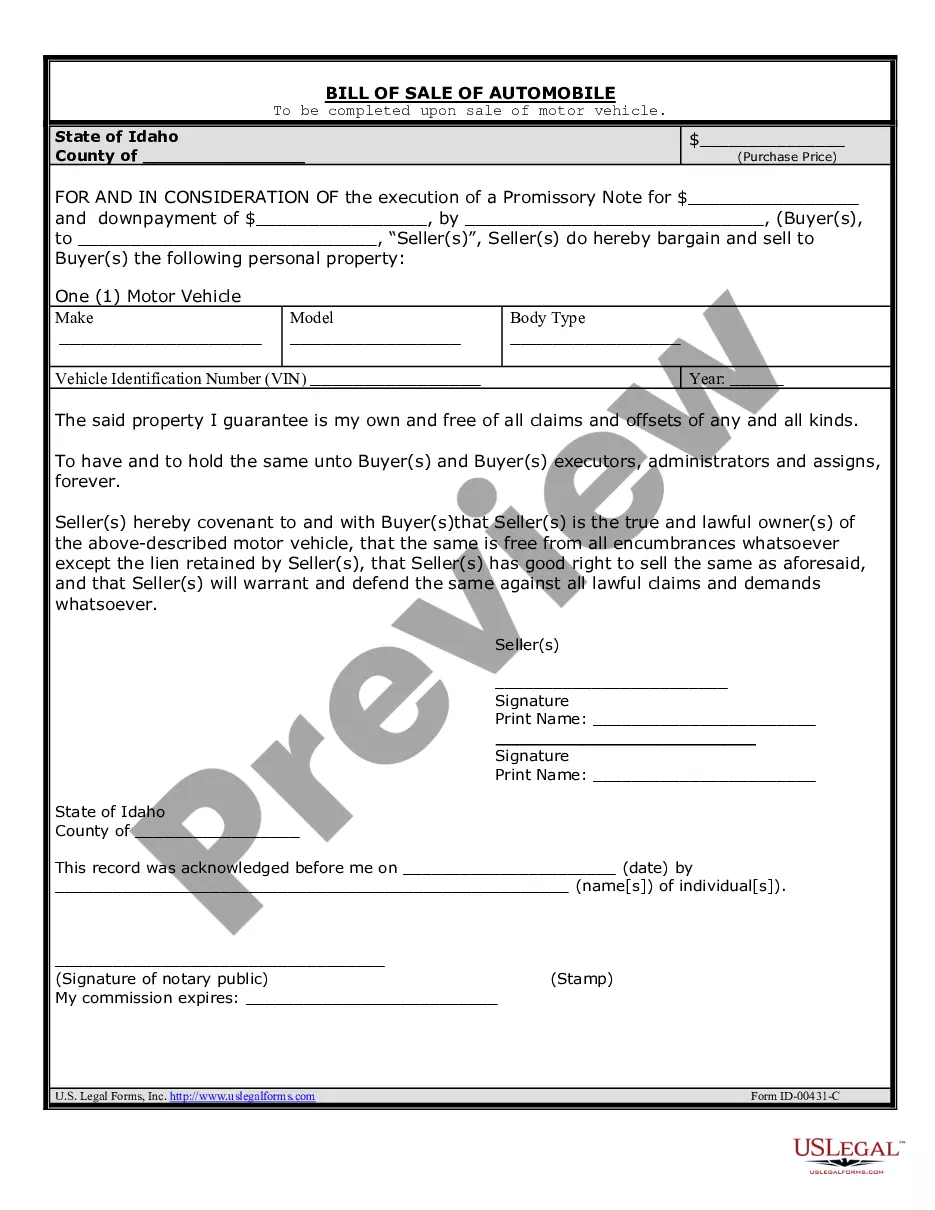


Form popularity
FAQ
Pre-injury liability waivers signed by a parent will not be upheld against a child's cause of action because of Michigan's common law rule that “a parent is without authority to bind his child by contract.” Woodman ex rel. Woodman v. Kera LLC, 785 N.W. 2d 1, 9 (Mich.
WHAT ARE WAIVERS AND RELEASES? Waivers and/or releases of liability (“releases”) are legal agreements designed to transfer responsibility for injuries and property damage from one party to another.
The process of creating a waiver should be taken seriously. Waivers are legal documents that list specific terms for your participants to agree to, so it's crucial that they are complete and legally sound. Professional help from a lawyer is strongly recommended any time you are working with legal documents.
Releases of liability—sometimes called waivers—are legal agreements designed to transfer responsibility for injuries and property damage from one party to another.
Waivers are written agreements that say the sponsor of an activity will not be liable for harm suffered by participants. Although waivers are primarily legal tools, they also serve an educational purpose by making people think about the potential risks of an activity.
What is a Release Form? A release form, or general release form, is a legal document that serves as consent in writing to release the legal liability of a releasee by a releasor. The document is a formal acknowledgment that, once signed, is a legal release of all a releasee obligations within an agreement.
Ing to Michigan Compiled Laws section 600.5805, the statute of limitations for personal injury claims is three years after an injury or death. This statute applies to most personal injury cases.
You can always refuse to sign a waiver. However, be prepared that if you do not sign a waiver, you may not be permitted to participate in the activity. Additionally, even if you are still permitted to participate, not signing a liability waiver does not necessarily make a business liable if you get injured.
