Personal Injury Release Form Template In Miami-Dade
Description

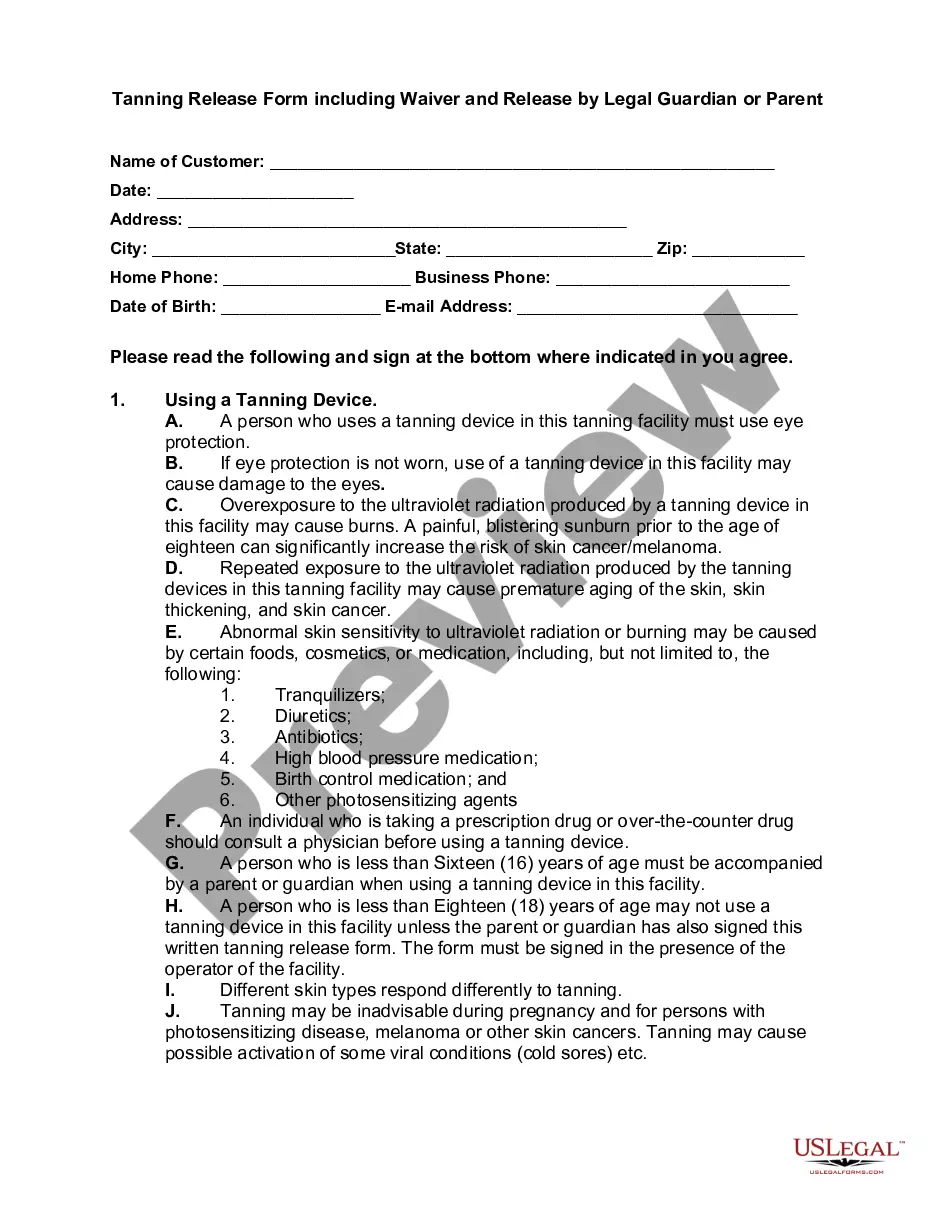
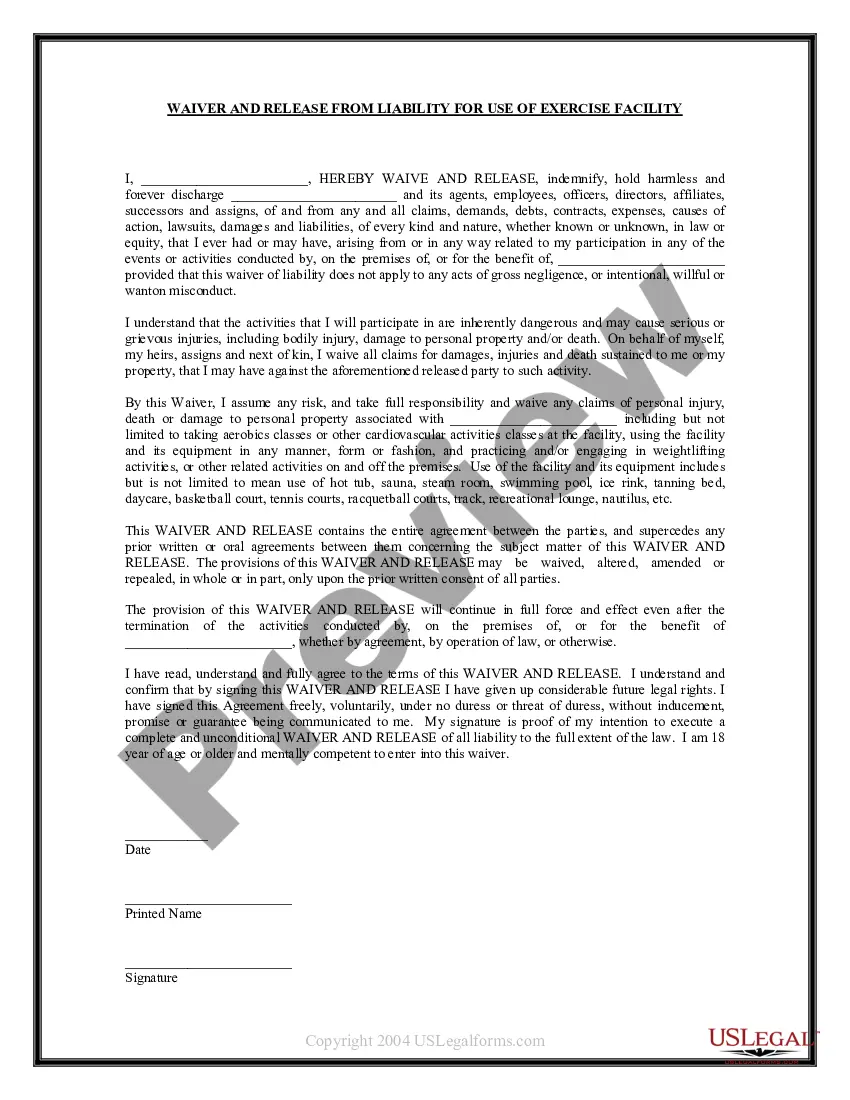
Get your form ready online
Our built-in tools help you complete, sign, share, and store your documents in one place.
Make edits, fill in missing information, and update formatting in US Legal Forms—just like you would in MS Word.
Download a copy, print it, send it by email, or mail it via USPS—whatever works best for your next step.
Sign and collect signatures with our SignNow integration. Send to multiple recipients, set reminders, and more. Go Premium to unlock E-Sign.
If this form requires notarization, complete it online through a secure video call—no need to meet a notary in person or wait for an appointment.
We protect your documents and personal data by following strict security and privacy standards.

Make edits, fill in missing information, and update formatting in US Legal Forms—just like you would in MS Word.

Download a copy, print it, send it by email, or mail it via USPS—whatever works best for your next step.

Sign and collect signatures with our SignNow integration. Send to multiple recipients, set reminders, and more. Go Premium to unlock E-Sign.

If this form requires notarization, complete it online through a secure video call—no need to meet a notary in person or wait for an appointment.

We protect your documents and personal data by following strict security and privacy standards.
Looking for another form?








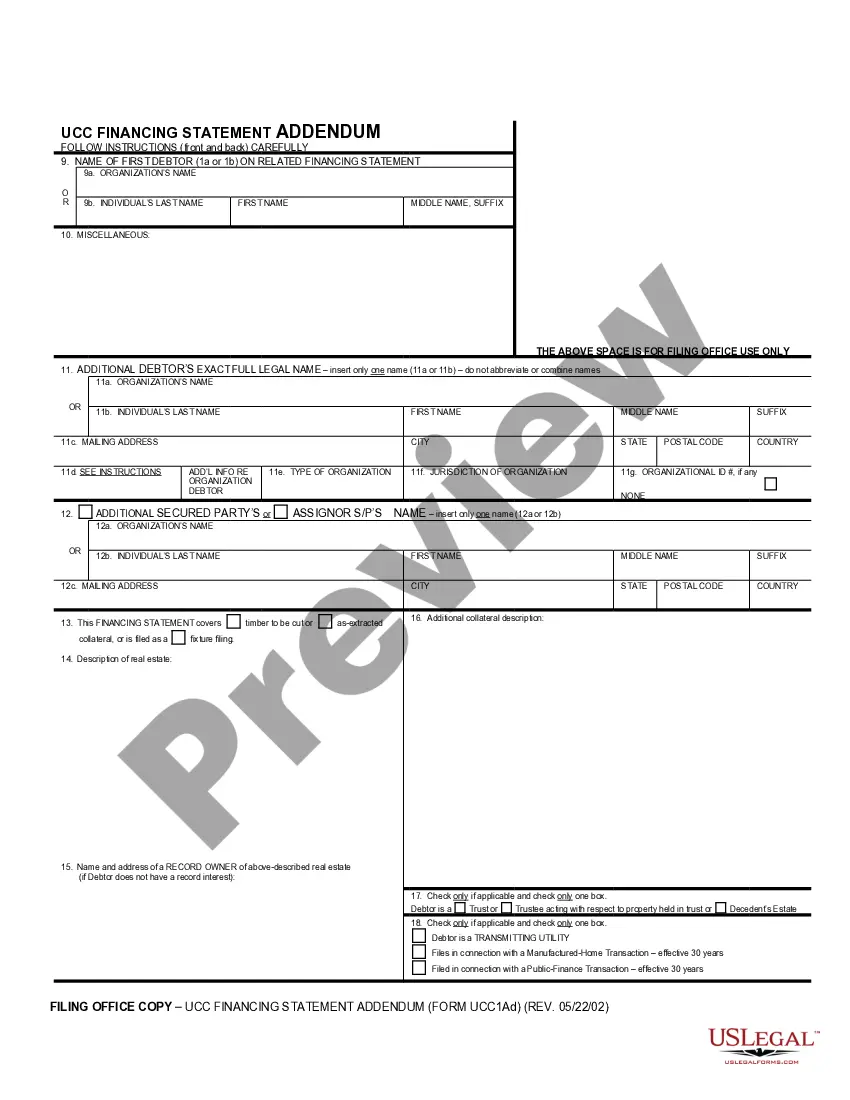
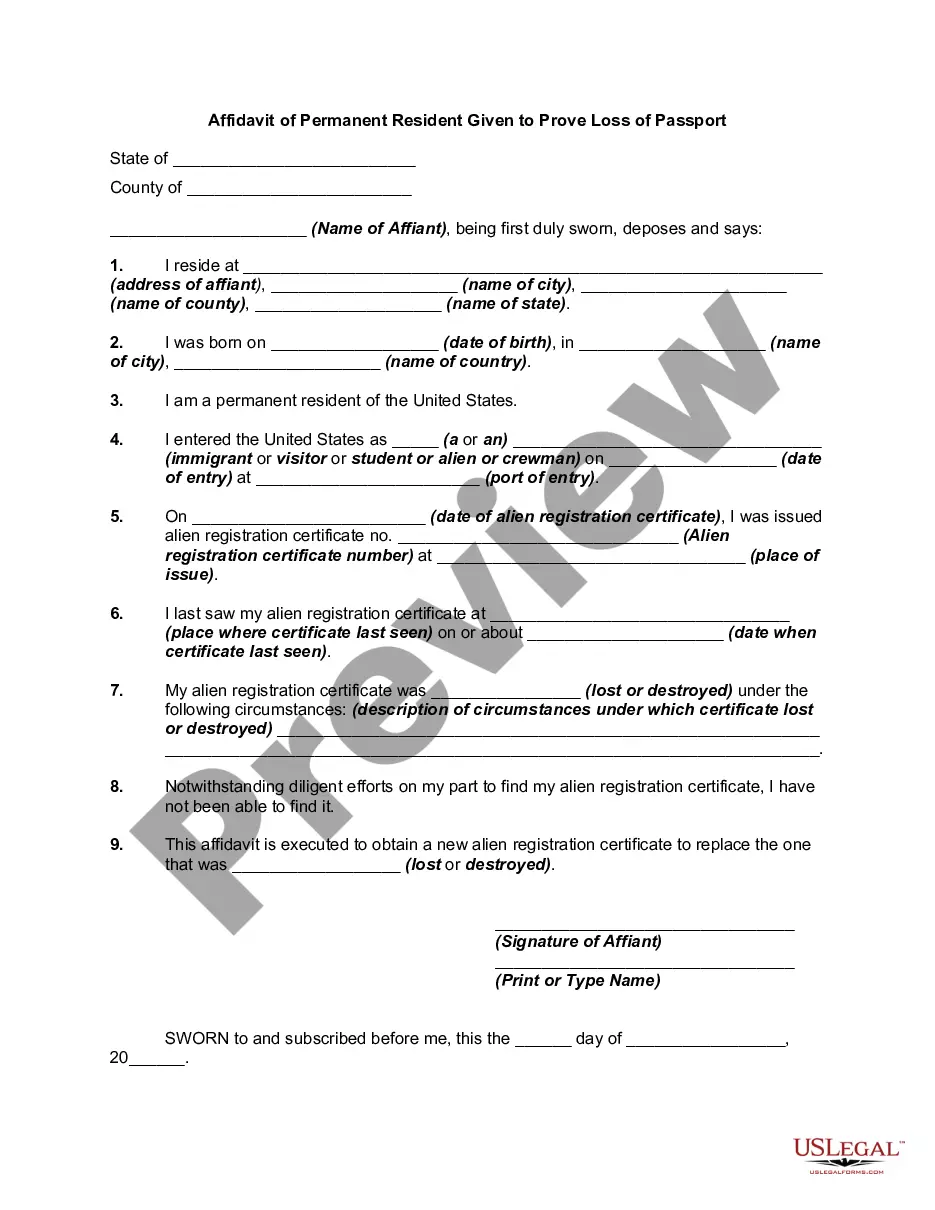
Form popularity
FAQ
Personal Injury Lawsuit Process in Florida – A Step-by-Step Guide Step 1: Hire a Reputable Personal Injury Lawyer. Step 2: Complete Your Medical Treatment. Step 3: File an Insurance Claim. Step 4: Gather Evidence. Step 5: Negotiate a Settlement. Step 6: File a Lawsuit. Step 7: Complete the Discovery Process.
If you want to take legal action to claim compensation for a personal injury, you will need to get advice from a solicitor specialising in these types of cases. This must be done as soon as possible as there are strict time limits on taking legal action.
How long do Florida plaintiffs have to file a personal injury claim? With few exceptions, most Florida personal injury cases have a 2-year statute of limitations.
In personal injury cases, it is critical to understand every document you sign before you do so, including an injury release form. An injury release form is a statement that says that the claim is resolved and that the insurance company or the at-fault party has no further obligation to you.
Key elements of a personal injury demand letter Introduction and background information. Description of the incident and injuries. Medical documentation and treatment details. Demand for compensation and (possibly) settlement amount. Contact information and next steps. Create a strong and convincing narrative.
Until now, negligence was the accepted level of proof to justify the claim. Under the new bill, mere negligence and accidental mishandling are excluded from the grounds to file a lawsuit against an insurance company. The plaintiff must prove mishandling as a recurring business practice in order to have a valid case.
Florida's Auto Insurance Requirements Here's the thing, Florida law requires drivers to carry minimum auto insurance coverage of $10,000 for Personal Injury Protection (PIP) and $10,000 for Property Damage Liability (PDL) as per Florida Statute 627.736.
