Agreement Personal Injury Sample With Insurance In Miami-Dade
Description

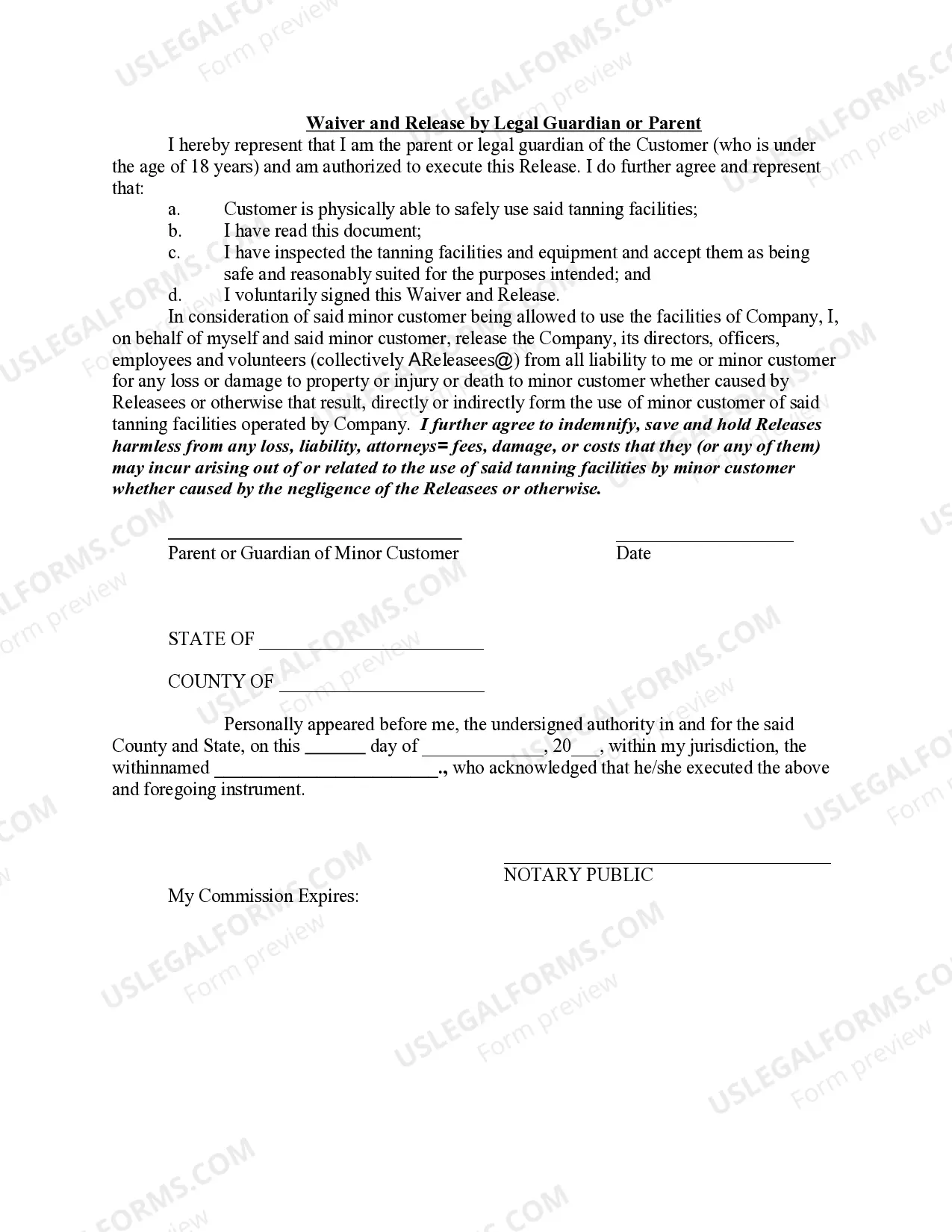
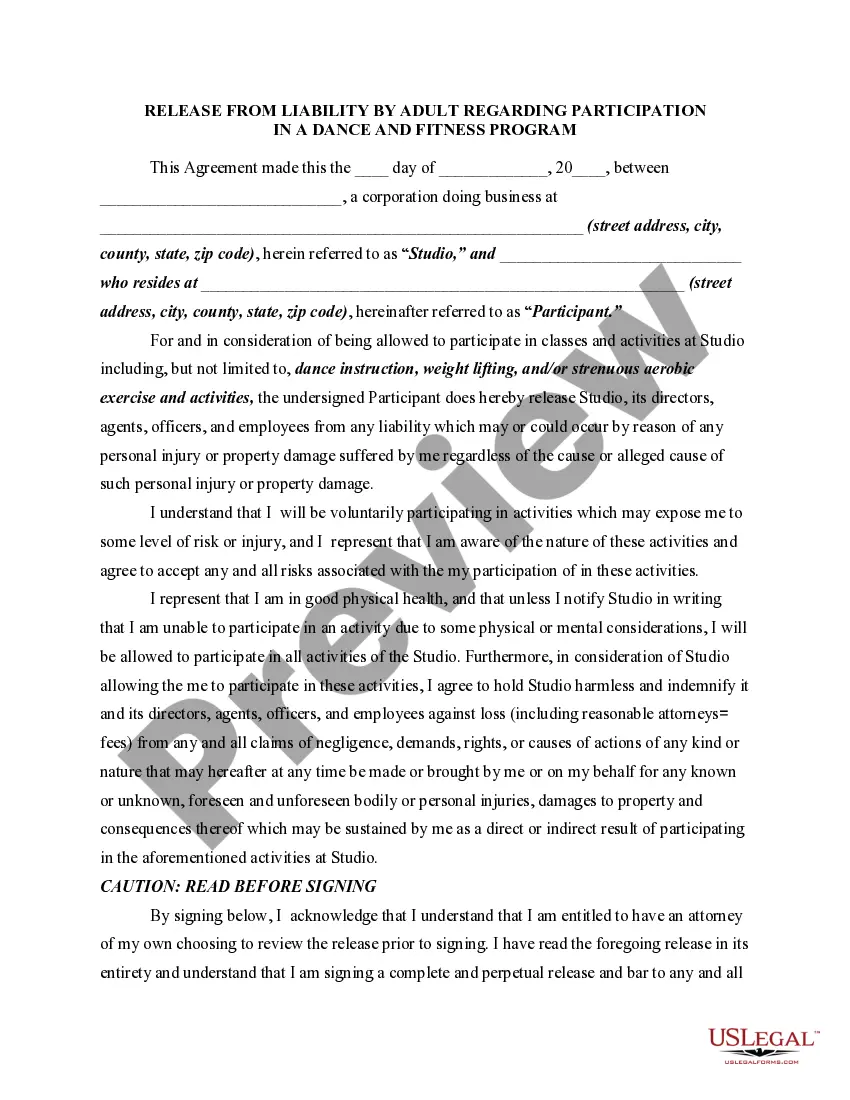
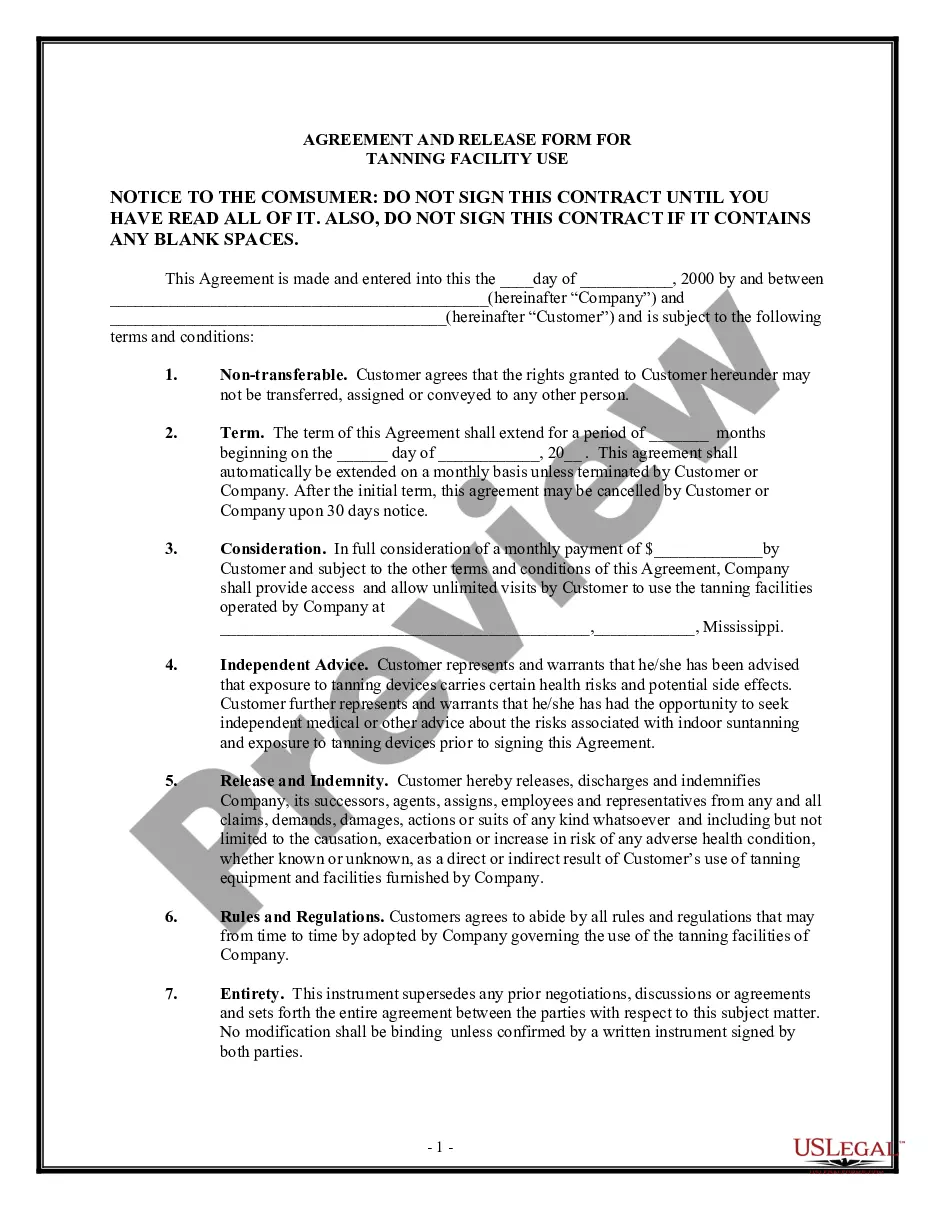
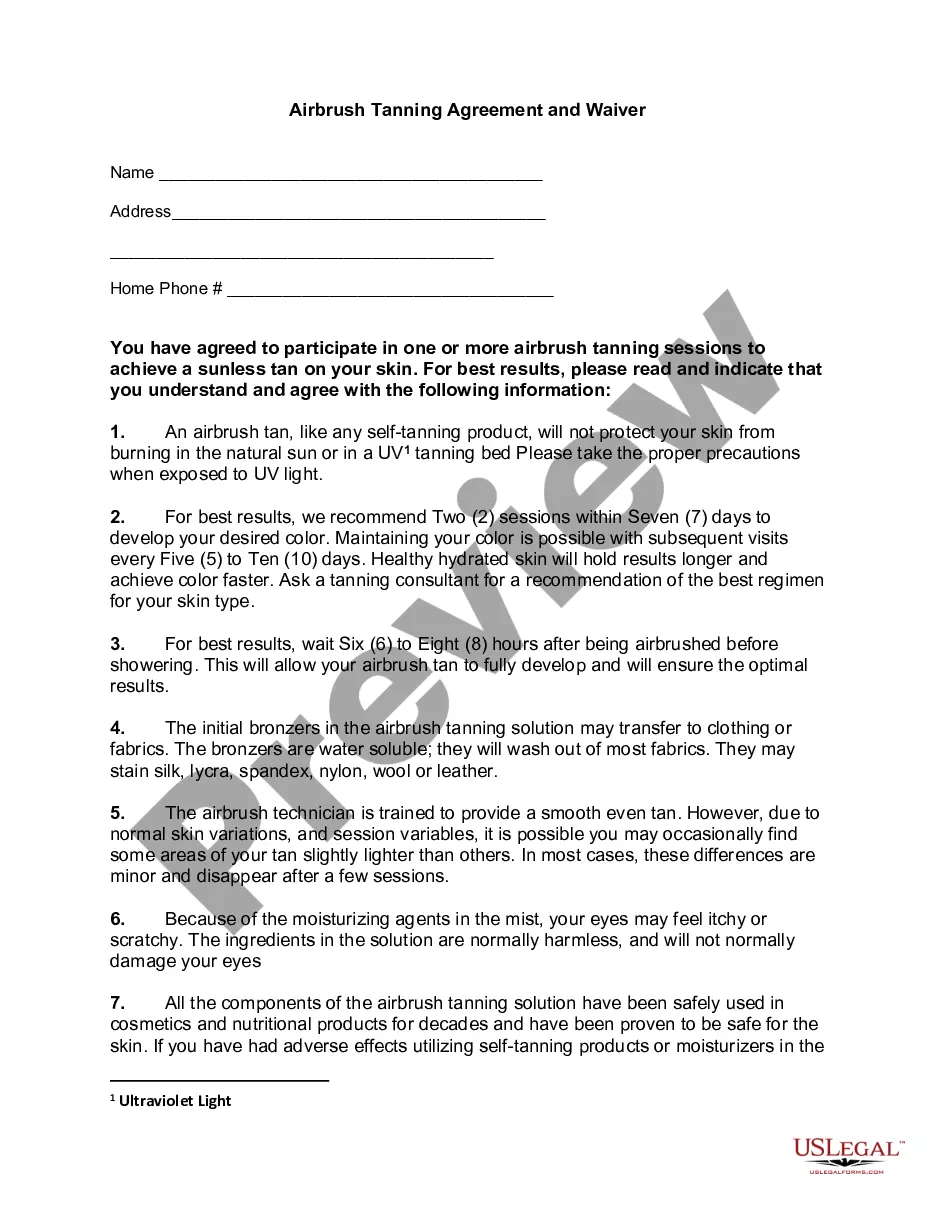
Get your form ready online
Our built-in tools help you complete, sign, share, and store your documents in one place.
Make edits, fill in missing information, and update formatting in US Legal Forms—just like you would in MS Word.
Download a copy, print it, send it by email, or mail it via USPS—whatever works best for your next step.
Sign and collect signatures with our SignNow integration. Send to multiple recipients, set reminders, and more. Go Premium to unlock E-Sign.
If this form requires notarization, complete it online through a secure video call—no need to meet a notary in person or wait for an appointment.
We protect your documents and personal data by following strict security and privacy standards.

Make edits, fill in missing information, and update formatting in US Legal Forms—just like you would in MS Word.

Download a copy, print it, send it by email, or mail it via USPS—whatever works best for your next step.

Sign and collect signatures with our SignNow integration. Send to multiple recipients, set reminders, and more. Go Premium to unlock E-Sign.

If this form requires notarization, complete it online through a secure video call—no need to meet a notary in person or wait for an appointment.

We protect your documents and personal data by following strict security and privacy standards.
Looking for another form?




Form popularity
FAQ
Trial Rate: Approximately 3-5% of personal injury cases in Florida go to trial (Bureau of Justice Statistics, n.d.). This means that out of the 28,342 cases filed in federal courts in 2023, only 850-1,417 cases would have reached the courtroom.
New Requirements for Florida Drivers If passed, the new PIP law Florida changes will require drivers to show proof of mandatory bodily injury coverage before they may register a motor vehicle with the State.
Personal Injury Lawsuit Process in Florida – A Step-by-Step Guide Step 1: Hire a Reputable Personal Injury Lawyer. Step 2: Complete Your Medical Treatment. Step 3: File an Insurance Claim. Step 4: Gather Evidence. Step 5: Negotiate a Settlement. Step 6: File a Lawsuit. Step 7: Complete the Discovery Process.
In March 2023, Florida passed H.B. 837. Governor Ron DeSantis signed the bill into law. This new law reduced the statute of limitations from four years to two years for cases based on negligence. The law affects the filing deadline for accidents that occurred after the effective date of March 24, 2023.
Florida Statutes Section 95.11(4) requires that most personal injury cases are filed within two years of the date of the incident. This time limit applies to cases involving the following: Slips and falls. Car accidents.
The Most Common Types of Personal Injury Cases Car Accidents. Motorcycle Accidents. Truck Accidents. Uber & Lyft Accidents. Pedestrian Accidents. Wrongful Deaths. Slip & Fall Accidents. Animal Bites and Attacks.
If you want to take legal action to claim compensation for a personal injury, you will need to get advice from a solicitor specialising in these types of cases. This must be done as soon as possible as there are strict time limits on taking legal action.
How Long Does a Personal Injury Lawsuit Take in Florida? A personal injury lawsuit in Florida can take anywhere between a few months to several years since every case is different. In general, most cases take an average of 12 to 14 months to resolve, but some may be settled more quickly.
