Personal Injury Release Form Template In Georgia
Description

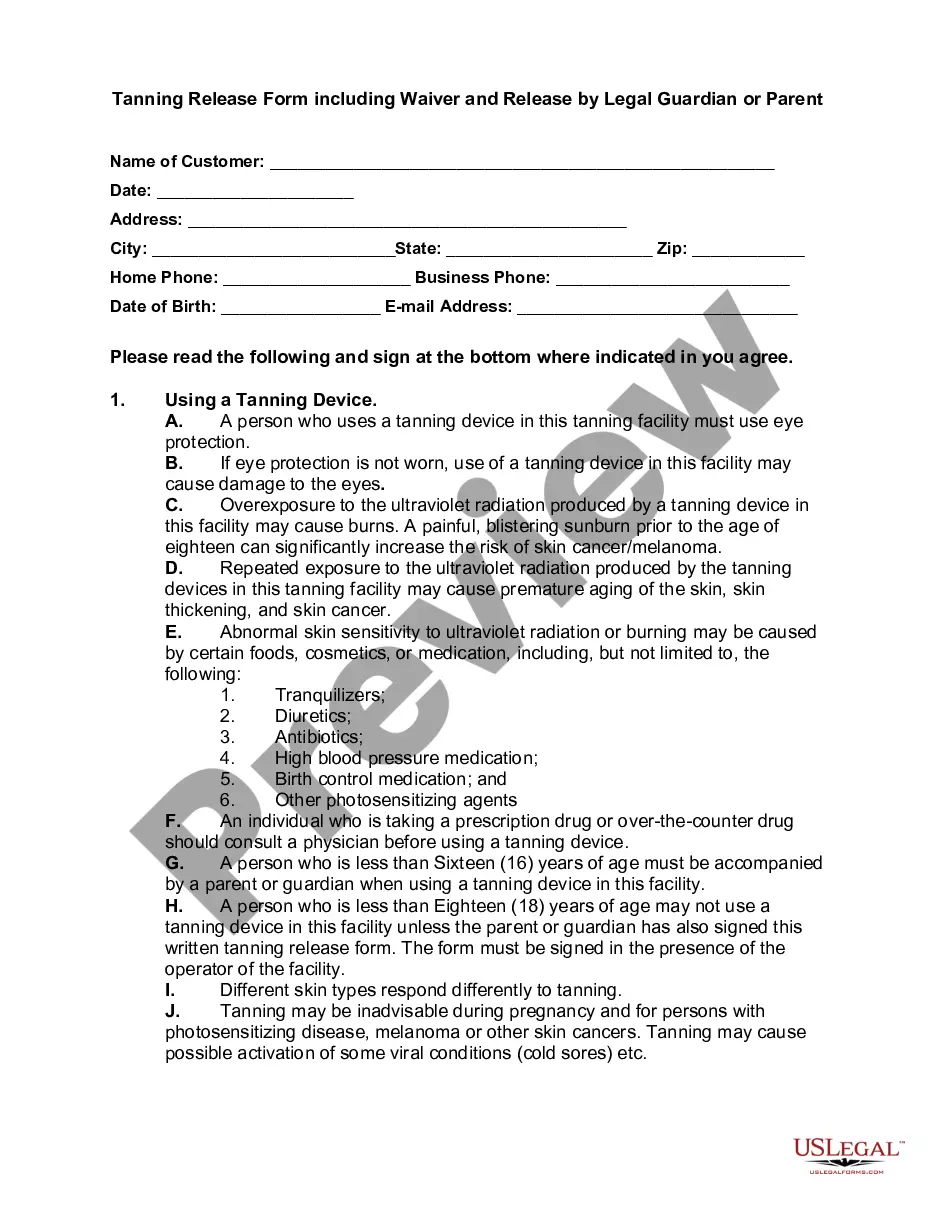
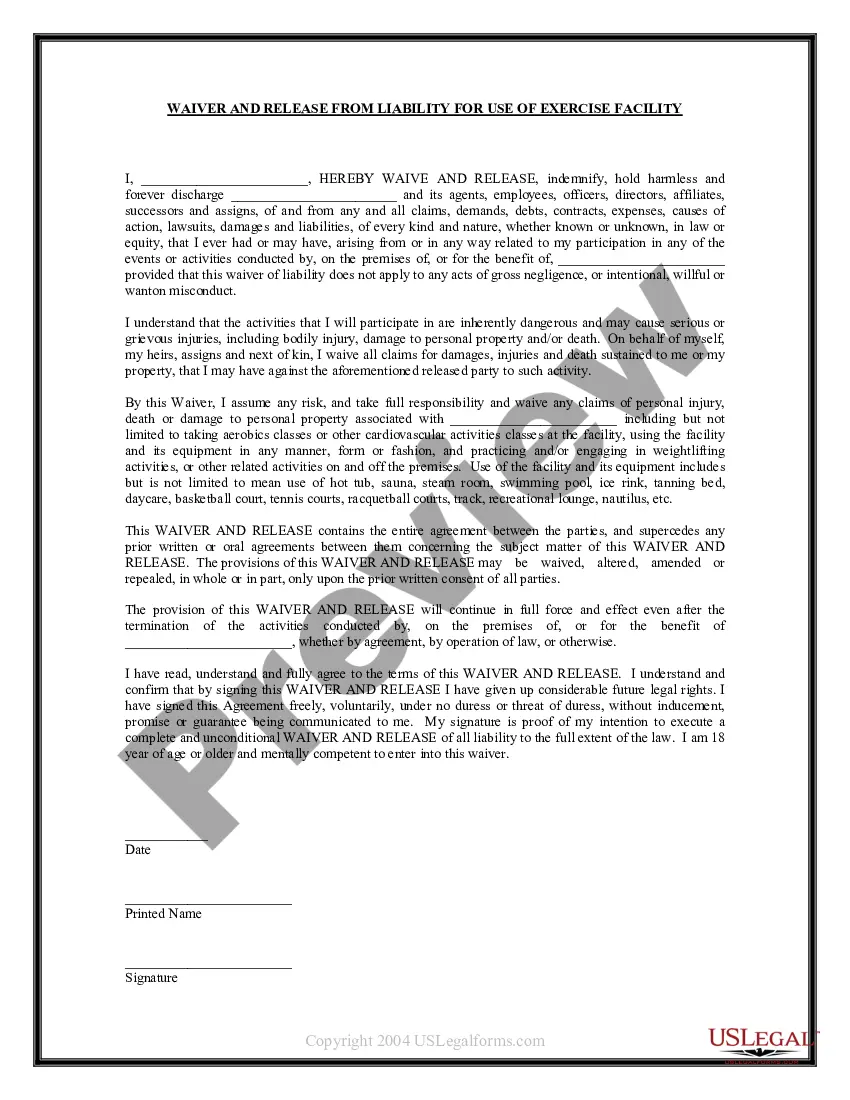
Get your form ready online
Our built-in tools help you complete, sign, share, and store your documents in one place.
Make edits, fill in missing information, and update formatting in US Legal Forms—just like you would in MS Word.
Download a copy, print it, send it by email, or mail it via USPS—whatever works best for your next step.
Sign and collect signatures with our SignNow integration. Send to multiple recipients, set reminders, and more. Go Premium to unlock E-Sign.
If this form requires notarization, complete it online through a secure video call—no need to meet a notary in person or wait for an appointment.
We protect your documents and personal data by following strict security and privacy standards.

Make edits, fill in missing information, and update formatting in US Legal Forms—just like you would in MS Word.

Download a copy, print it, send it by email, or mail it via USPS—whatever works best for your next step.

Sign and collect signatures with our SignNow integration. Send to multiple recipients, set reminders, and more. Go Premium to unlock E-Sign.

If this form requires notarization, complete it online through a secure video call—no need to meet a notary in person or wait for an appointment.

We protect your documents and personal data by following strict security and privacy standards.
Looking for another form?









Form popularity
FAQ
Creating a liability waiver in Google Forms is a good starting point for small businesses. Google Forms makes it easy to organize waiver content and collect participant responses quickly. However, adding a digital signature is crucial for ensuring legal enforceability and professionalism.
A generic form of release agreement under Georgia law for use when parties to a commercial contract are terminating or have terminated the contract (or a portion of it) and have agreed to deliver a mutual release of claims.
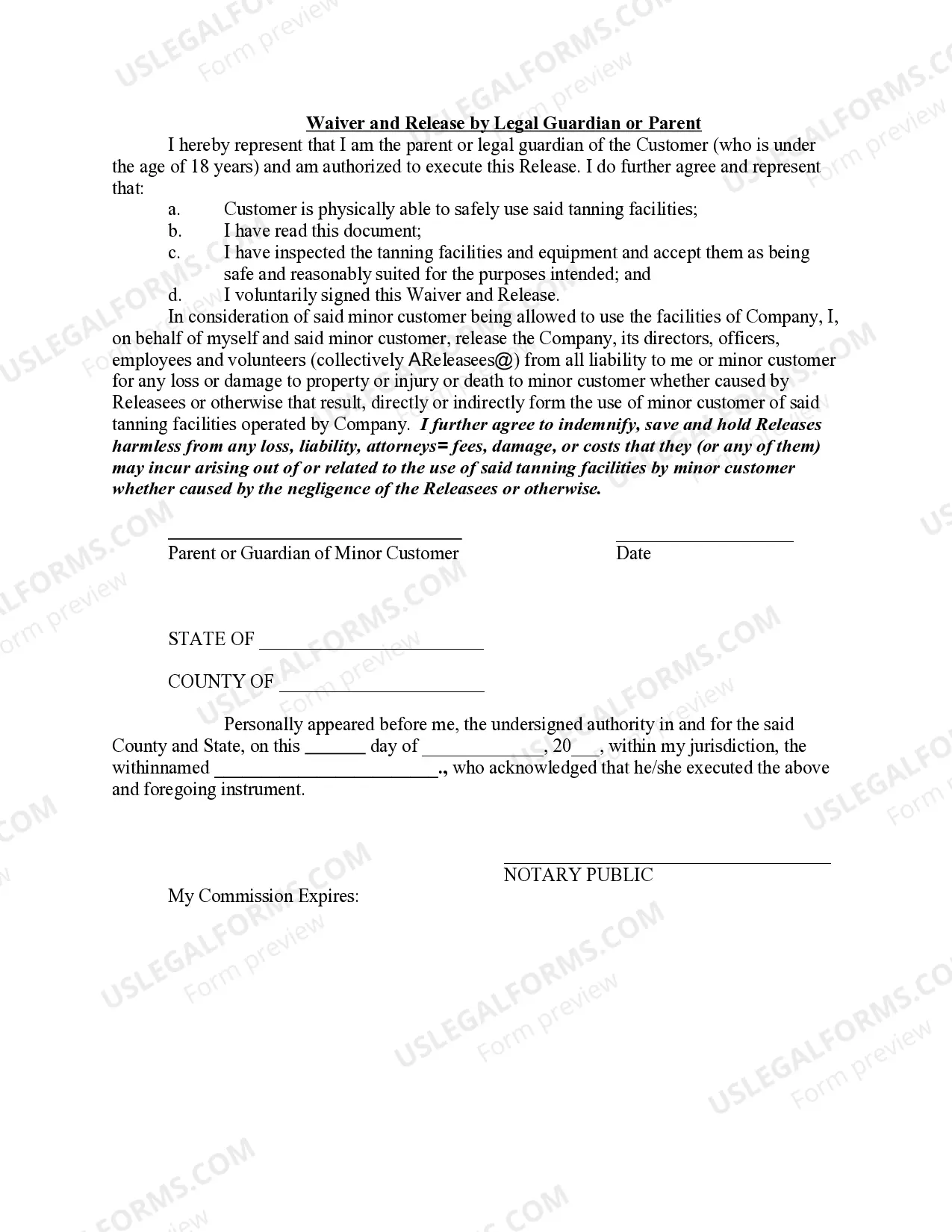
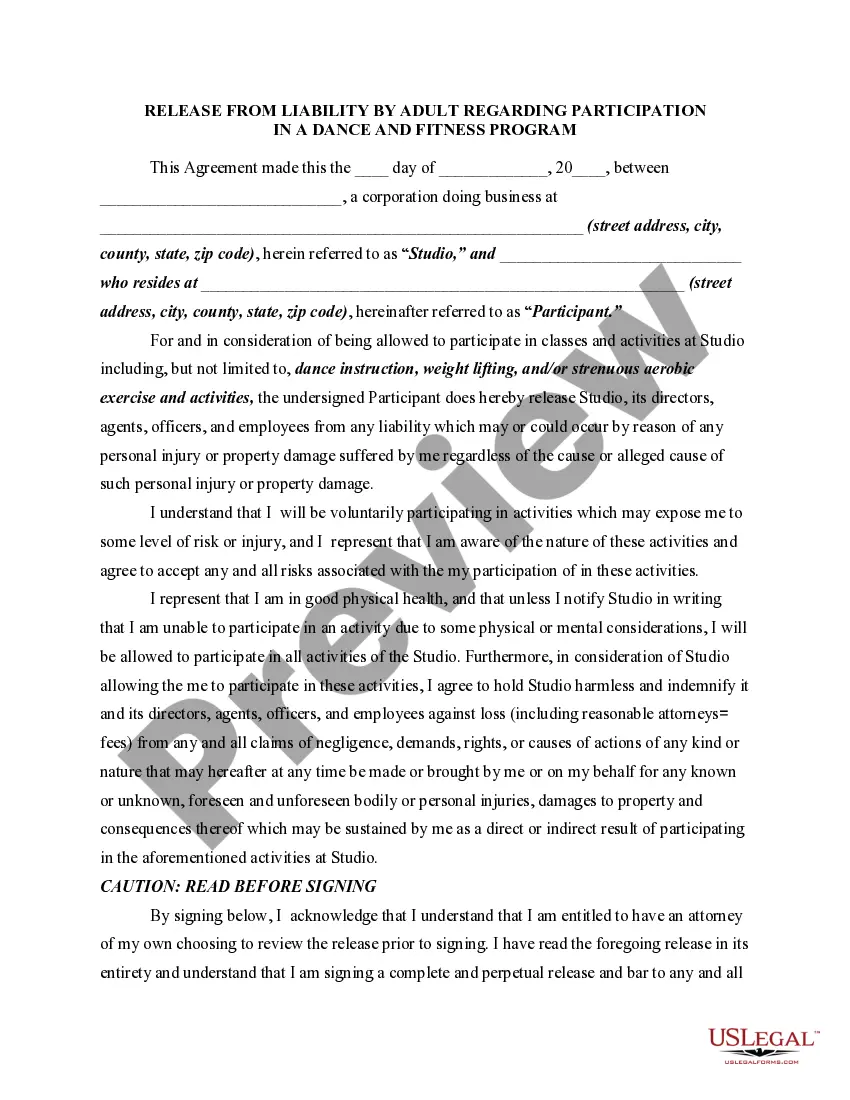
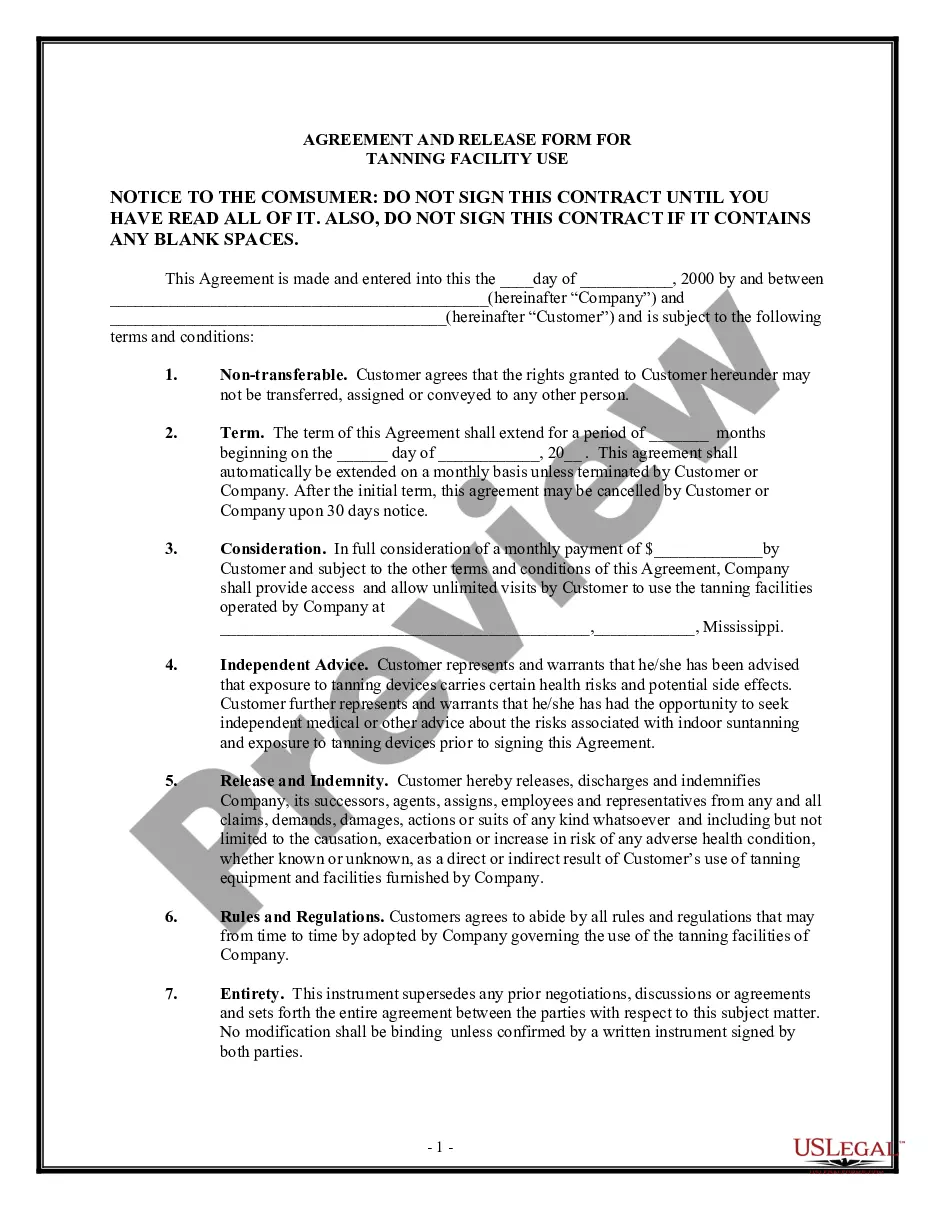
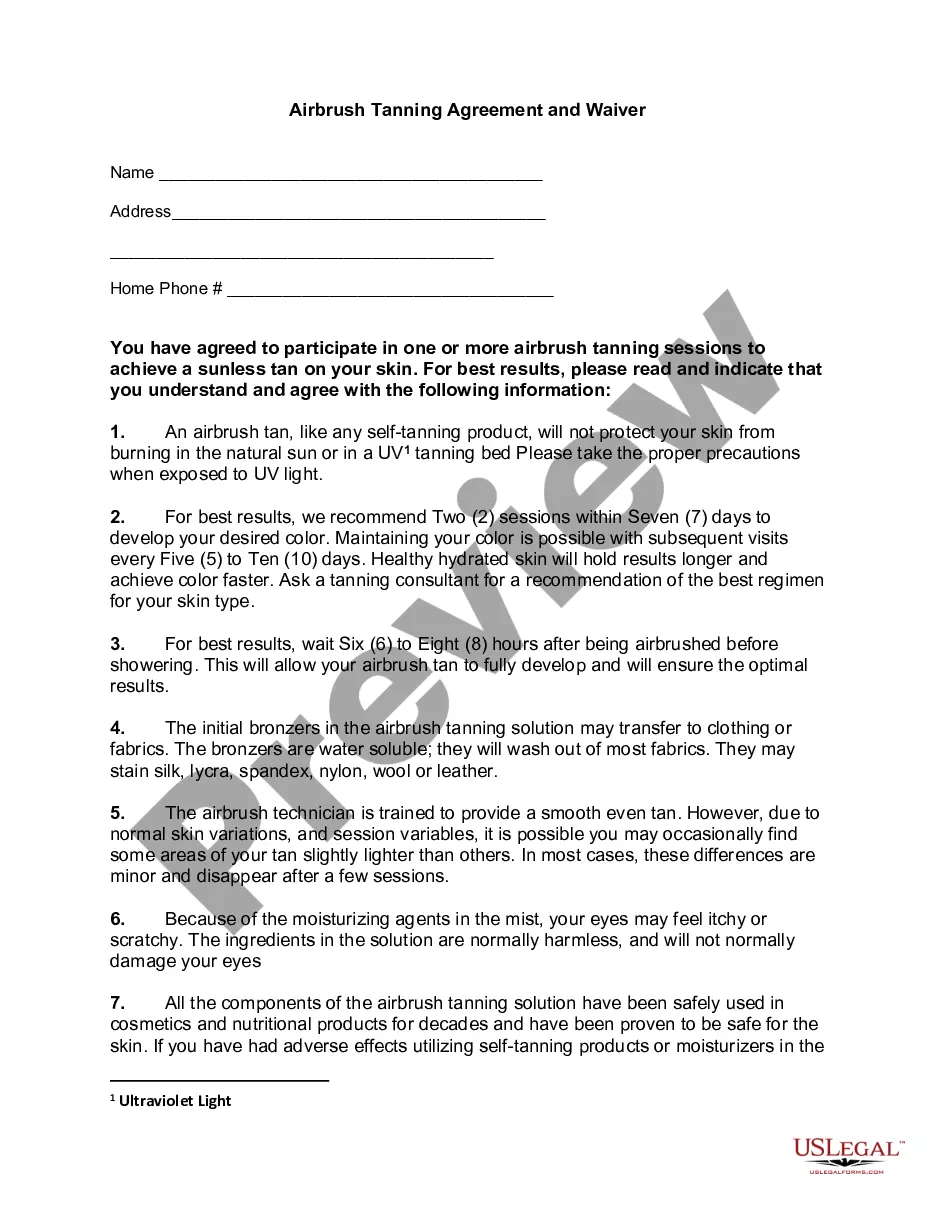
To build a waiver of liability: Choose a waiver template. Determine the type of activity or service. State the purpose of the waiver. Identify the risks. Include a title. Include customer information. Include waiver terms. Include a statement of understanding.
Examples of waivers include the waiving of parental rights, waiving liability, tangible goods waivers, and waivers for grounds of inadmissibility. Waivers are common when finalizing lawsuits, as one party does not want the other pursuing them after a settlement is transferred.
The process of creating a waiver should be taken seriously. Waivers are legal documents that list specific terms for your participants to agree to, so it's crucial that they are complete and legally sound. Professional help from a lawyer is strongly recommended any time you are working with legal documents.
Include important fields on your waiver agreement such as contact information, permission from a legal guardian, acknowledgment of physical activity, terms of the liability release form, waiver of personal injury legal action, and more.
In Georgia, the statute of limitations for filing a personal injury claim is typically two years from the date of the injury. This means we have a two-year window to initiate legal proceedings. However, there are exceptions to this rule depending on the specifics of the case.
It may be difficult to enforce waivers that do not mention all possible risks, use vague or unclear language, or violate local regulations. This is why working with a lawyer is so important when writing the waiver.
How to create a liability waiver List the names and addresses of the parties. Give the date of the agreement and how long it is in effect for. List the location of the event or activity. Describe the activity or event the customer is going to participate in. List the possible risks and injuries.
The term waiver is sometimes used to refer a document that is signed before any damages actually occur. A release is sometimes used to refer to a document that is executed after an injury has occurred.
