Personal Injury Release Agreement With Tenant In Fulton
Description

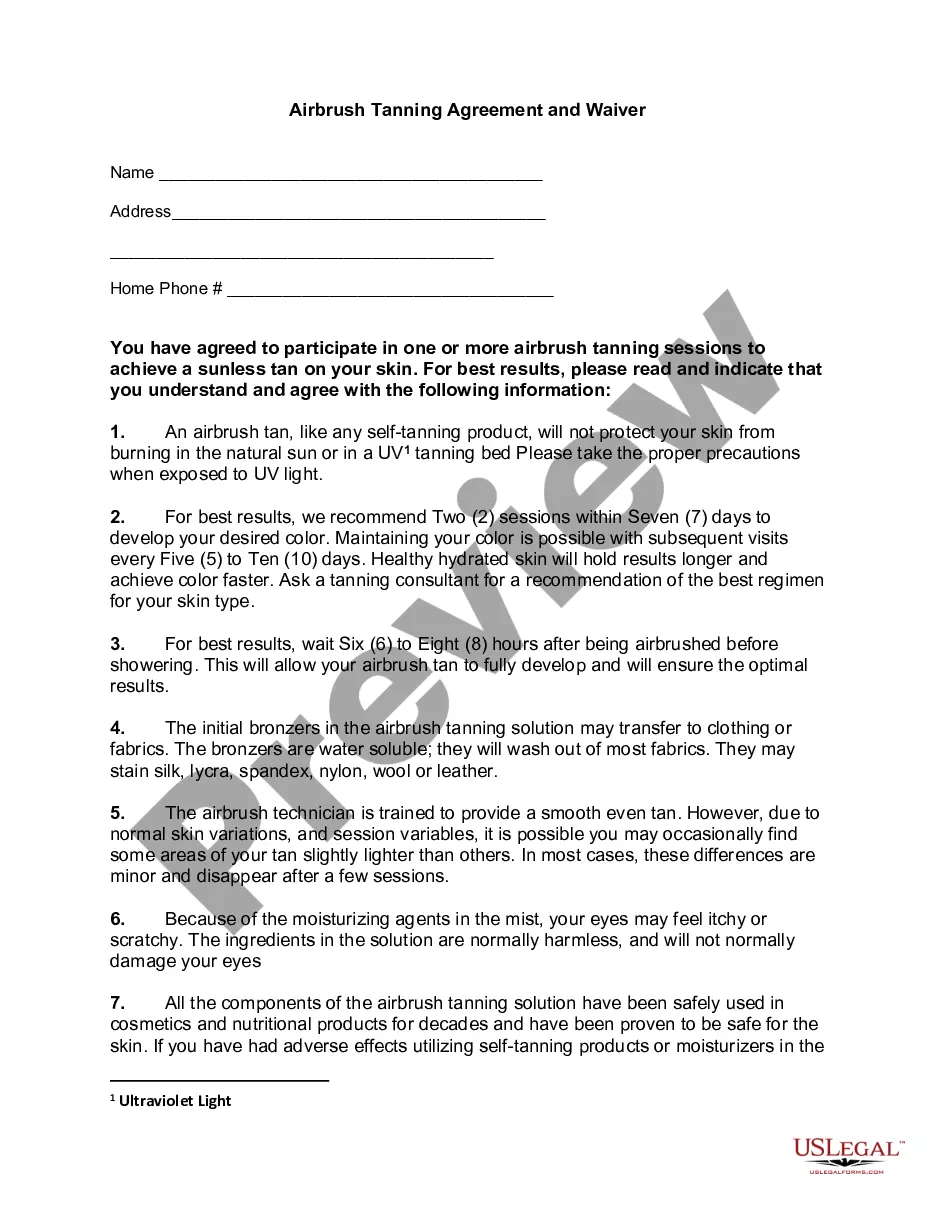
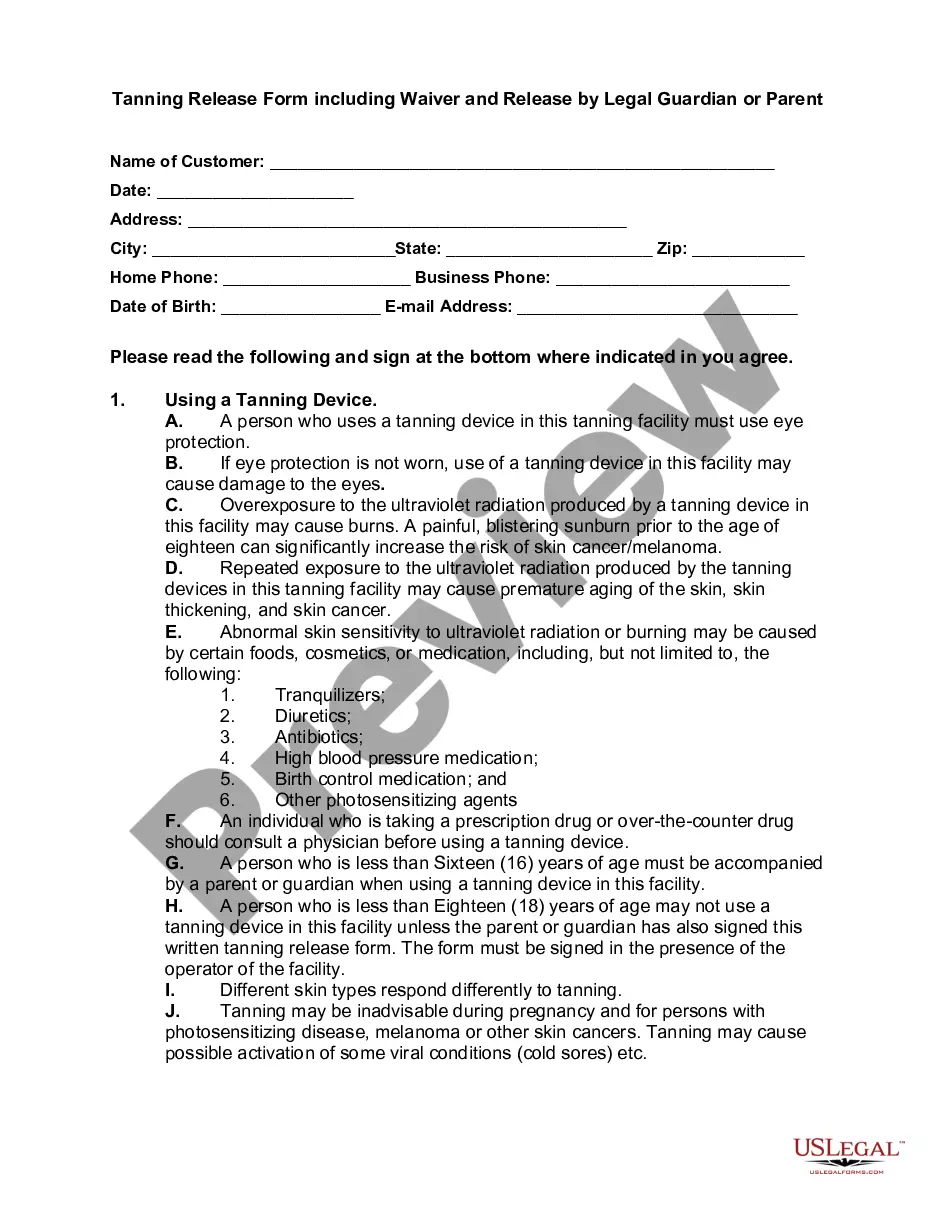
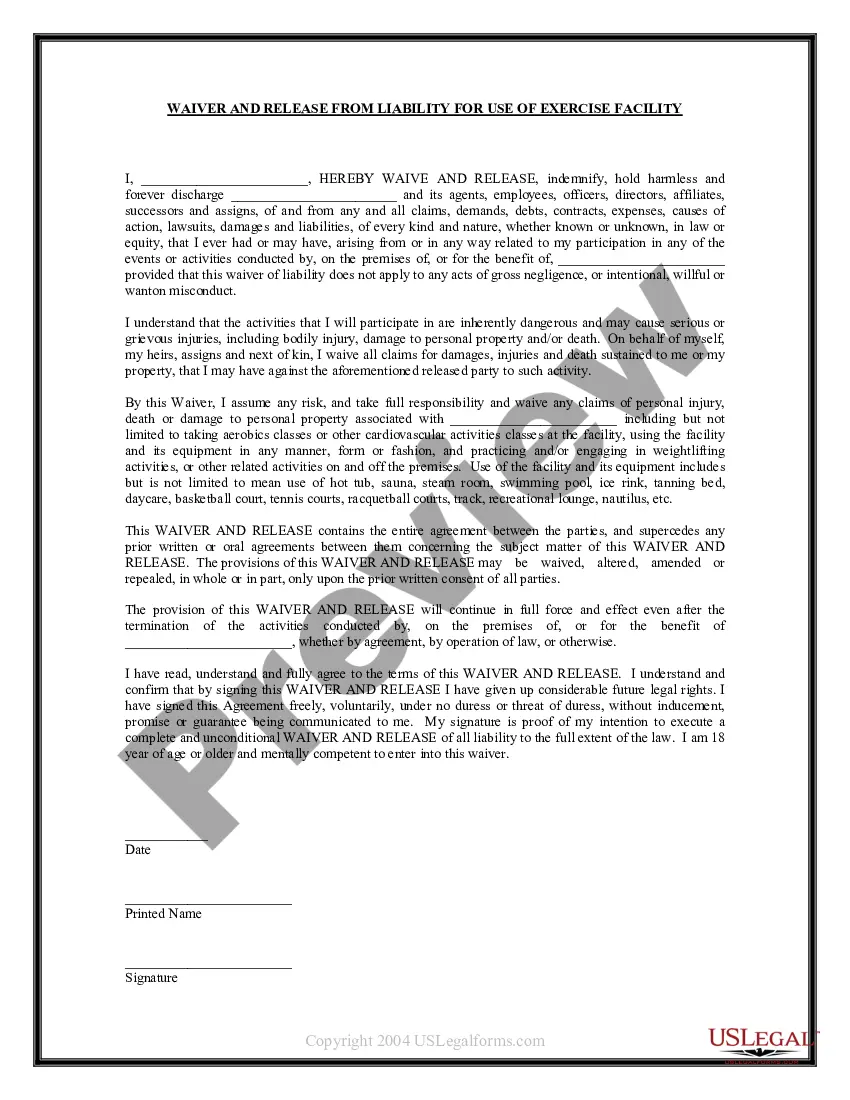
Get your form ready online
Our built-in tools help you complete, sign, share, and store your documents in one place.
Make edits, fill in missing information, and update formatting in US Legal Forms—just like you would in MS Word.
Download a copy, print it, send it by email, or mail it via USPS—whatever works best for your next step.
Sign and collect signatures with our SignNow integration. Send to multiple recipients, set reminders, and more. Go Premium to unlock E-Sign.
If this form requires notarization, complete it online through a secure video call—no need to meet a notary in person or wait for an appointment.
We protect your documents and personal data by following strict security and privacy standards.

Make edits, fill in missing information, and update formatting in US Legal Forms—just like you would in MS Word.

Download a copy, print it, send it by email, or mail it via USPS—whatever works best for your next step.

Sign and collect signatures with our SignNow integration. Send to multiple recipients, set reminders, and more. Go Premium to unlock E-Sign.

If this form requires notarization, complete it online through a secure video call—no need to meet a notary in person or wait for an appointment.

We protect your documents and personal data by following strict security and privacy standards.
Looking for another form?







Form popularity
FAQ
Termination may end the contract, but it does not release the parties from liability (i.e. they still may sue each other). On the other hand, a release not only terminates the contract, but releases each party from any and all liability.
Release means to cease to be bound by an obligation or to concede a right .
A release is a waiver and discharge that may extinguish all of the releasor's covered claims and rights of action against the releasee. In California, a valid general release, with California Civil Code Section 1542 waiver, completely discharges the obligations of the releasee (see, for example, Moore v.
Releases are routinely used by photographers, in film production, by documentary filmmakers, or by radio and music producers when they photograph, film, video or record the voice or performance of individuals to be sure that the person consents or will not later object to the material being used for whatever purpose ...
You should go to the Court Clerk's office and obtain an eviction complaint form and a summons form. Once you have filled out the forms, file them with the Court Clerk's Office. After the forms are filed, take two copies of the summons and complaint to the Sheriff's office (or private process).
The directors of a company have the authority to sign legal documents on behalf of the company. A company secretary and employees with a certain position within the business might also have the express or implied authority to sign certain types of documents such as simple contracts, on behalf of the company.
While technically only the person releasing the lawsuit needs to sign, all parties should sign the document to demonstrate their acknowledgment and acceptance of the terms. It is recommended to have witnesses present when the agreement is signed.
In short, a release is a legal document that you sign when you agree to settle a claim against someone else. For example, if you were in an automobile collision that was the result of another driver, you have a claim against them. You have a legal right to sue that person unless you sign a release.
Signatories sign legal documents, international agreements, and contracts. These types of documents have multiple parties that need to sign the agreement. Signers are anyone who needs to provide a signature to legal documents.
The releasor is the party who agrees to release a potential claim in exchange for something of value. The releasee is the party being released from the claim or a potential claim. The releasor receives consideration in the way of compensation for releasing the claim.