Personal Injury Release Agreement Form California In Fulton
Description

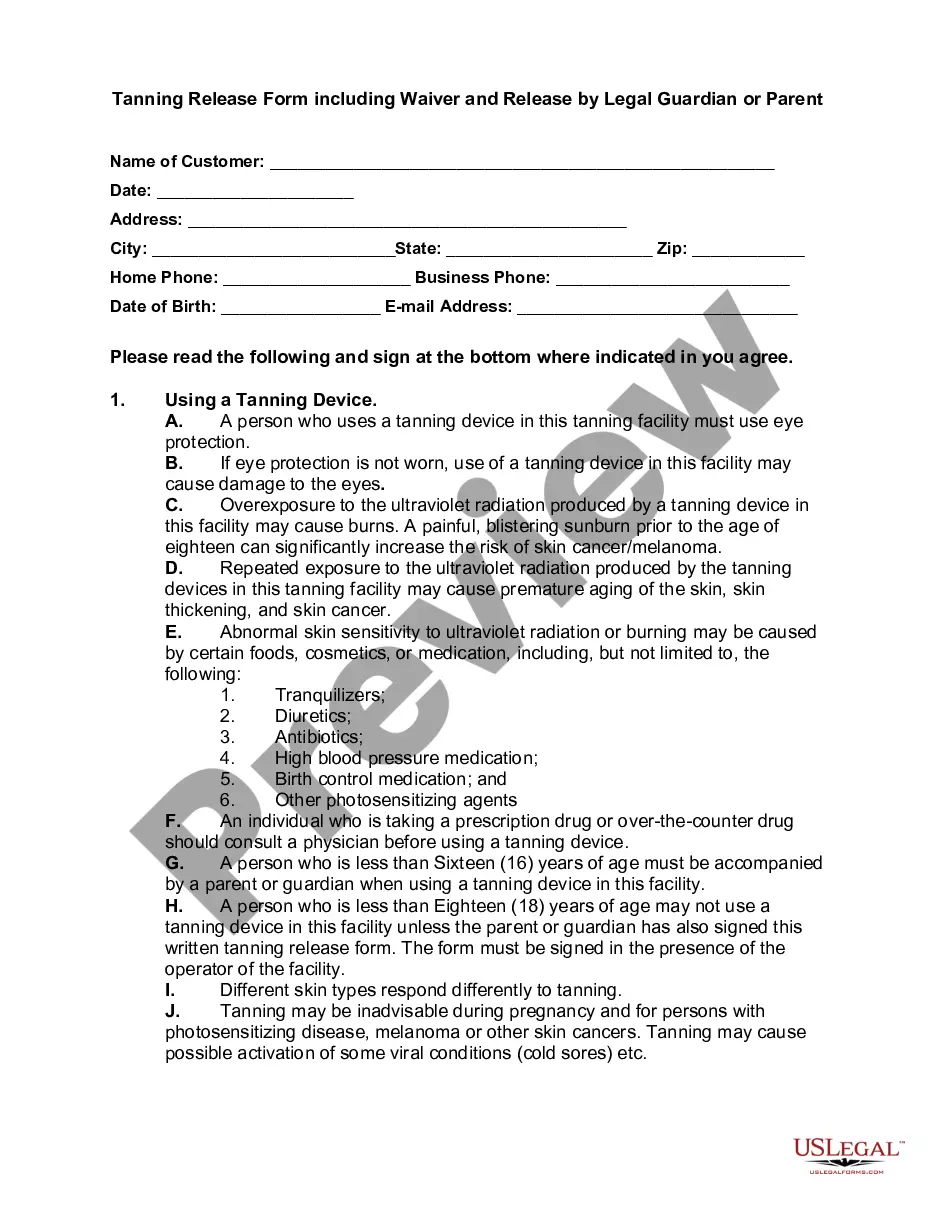
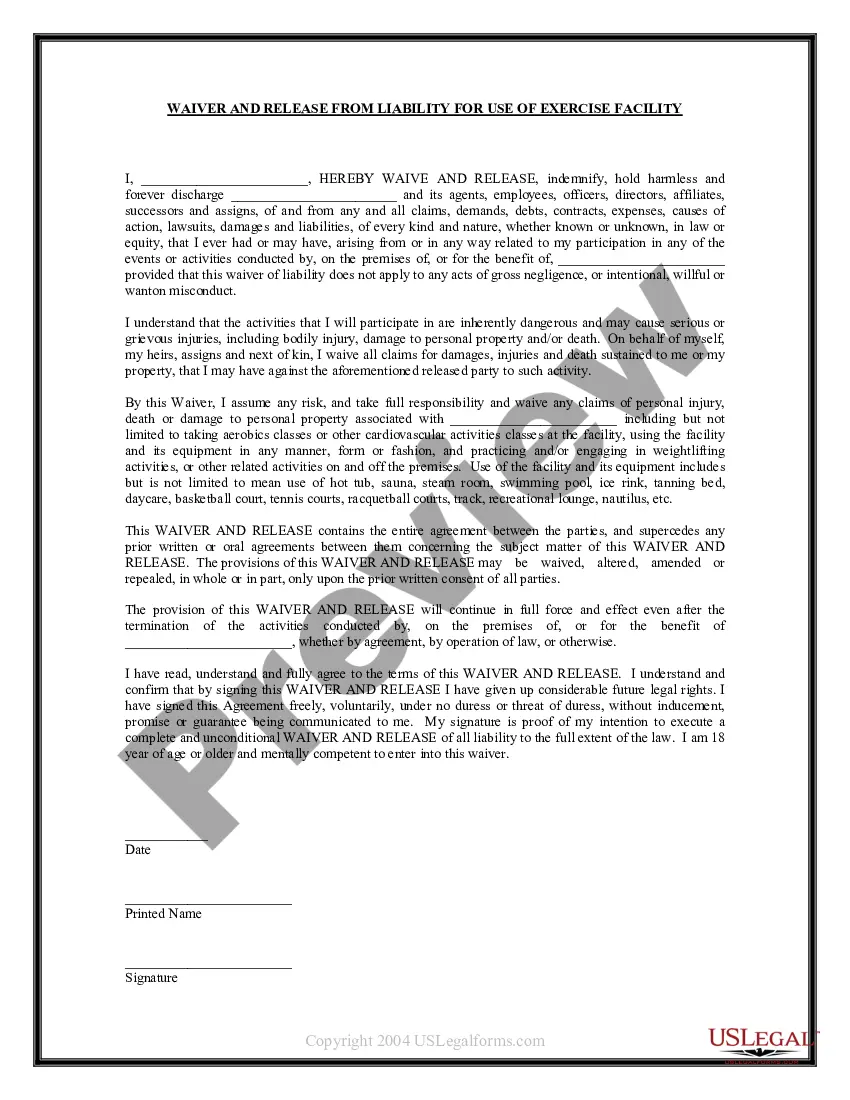
Get your form ready online
Our built-in tools help you complete, sign, share, and store your documents in one place.
Make edits, fill in missing information, and update formatting in US Legal Forms—just like you would in MS Word.
Download a copy, print it, send it by email, or mail it via USPS—whatever works best for your next step.
Sign and collect signatures with our SignNow integration. Send to multiple recipients, set reminders, and more. Go Premium to unlock E-Sign.
If this form requires notarization, complete it online through a secure video call—no need to meet a notary in person or wait for an appointment.
We protect your documents and personal data by following strict security and privacy standards.

Make edits, fill in missing information, and update formatting in US Legal Forms—just like you would in MS Word.

Download a copy, print it, send it by email, or mail it via USPS—whatever works best for your next step.

Sign and collect signatures with our SignNow integration. Send to multiple recipients, set reminders, and more. Go Premium to unlock E-Sign.

If this form requires notarization, complete it online through a secure video call—no need to meet a notary in person or wait for an appointment.

We protect your documents and personal data by following strict security and privacy standards.
Looking for another form?
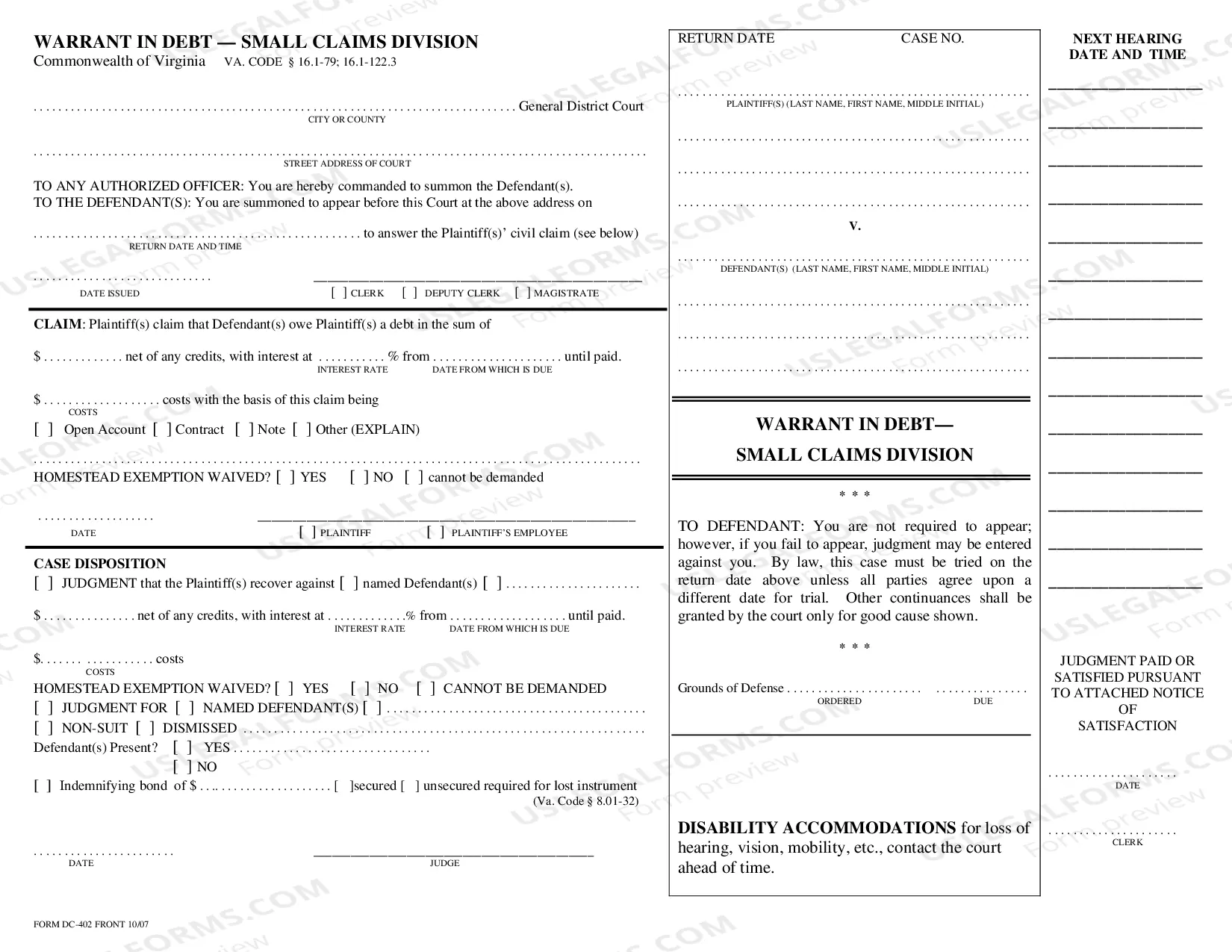





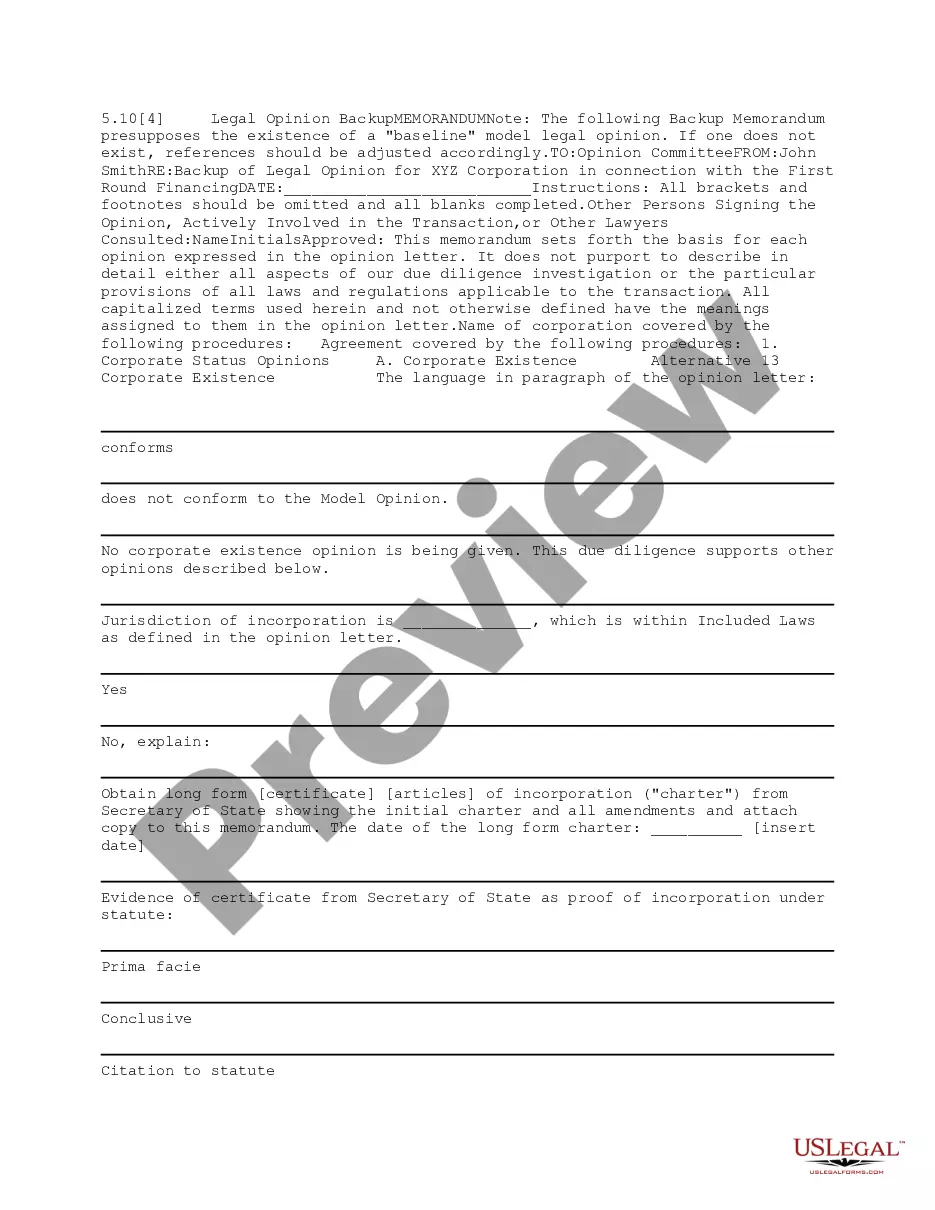



Form popularity
FAQ
While there is no fixed amount for every case, the average personal injury settlement ranges from a few thousand dollars to well over $75,000, depending on the unique details of the claim.
There are many important components of a comprehensive settlement agreement including, but not limited to, the following: Release of Claims: A release is an agreement that relinquishes a right or claim to the person against whom it could be asserted. Its effect is to extinguish the obligation or cause of action.
The amount of compensation that can be claimed for general damages depends on the type of injury and suffering experienced, and the severity of it, as well as how long quality of life is affected. Therefore, there isn't a 'one sum suits all' approach to general damages; every single claim is different.
How do I write a Mutual Release? Title the Agreement: Clearly label the document as a “Mutual Release Agreement.” Identify the Parties: Include the full legal names and contact information of all parties involved. Recitals: Provide a brief background of the situation leading to the mutual release.
Sometimes referred to as “release agreements” or as “settlement agreements,” release and settlement agreements bring a legal dispute to an end outside of the courtroom. That legal dispute can be nearly anything, like an alleged: Breach of contract. Violation of a non-compete agreement.
After determining what your case is worth, you should usually ask for around double that amount in your demand letter. This initiates the settlement negotiation process and gives you room to compromise. It also helps you avoid asking for too little and the insurance company agreeing to that amount.
The Most Common Types of Personal Injury Cases Car Accidents. Motorcycle Accidents. Truck Accidents. Uber & Lyft Accidents. Pedestrian Accidents. Wrongful Deaths. Slip & Fall Accidents. Animal Bites and Attacks.
On average, a personal injury settlement ranges between $10,000 to over $75,000. However, navigating personal injury claims can be complex, especially when dealing with insurance companies. Therefore, it is important to seek professional legal advice to avoid costly mistakes and maximize your settlement amount.
The Release of All Claims Form typically consists of specific details of the incident, including: Names and contact information of all parties involved. Description of the incident or dispute. Settlement amount, if applicable. Date and location of the event leading to the claim. Signatures of the Releasor and Releasee.
The agreement is usually drawn up by the releasee, and both parties sign and date the document. Although the law will make exceptions, the releasor pledges an understanding of any risks involved in the covered activity and agrees not to sue for damages.
