Sample Retainer Agreement For Personal Injury In Florida
Description

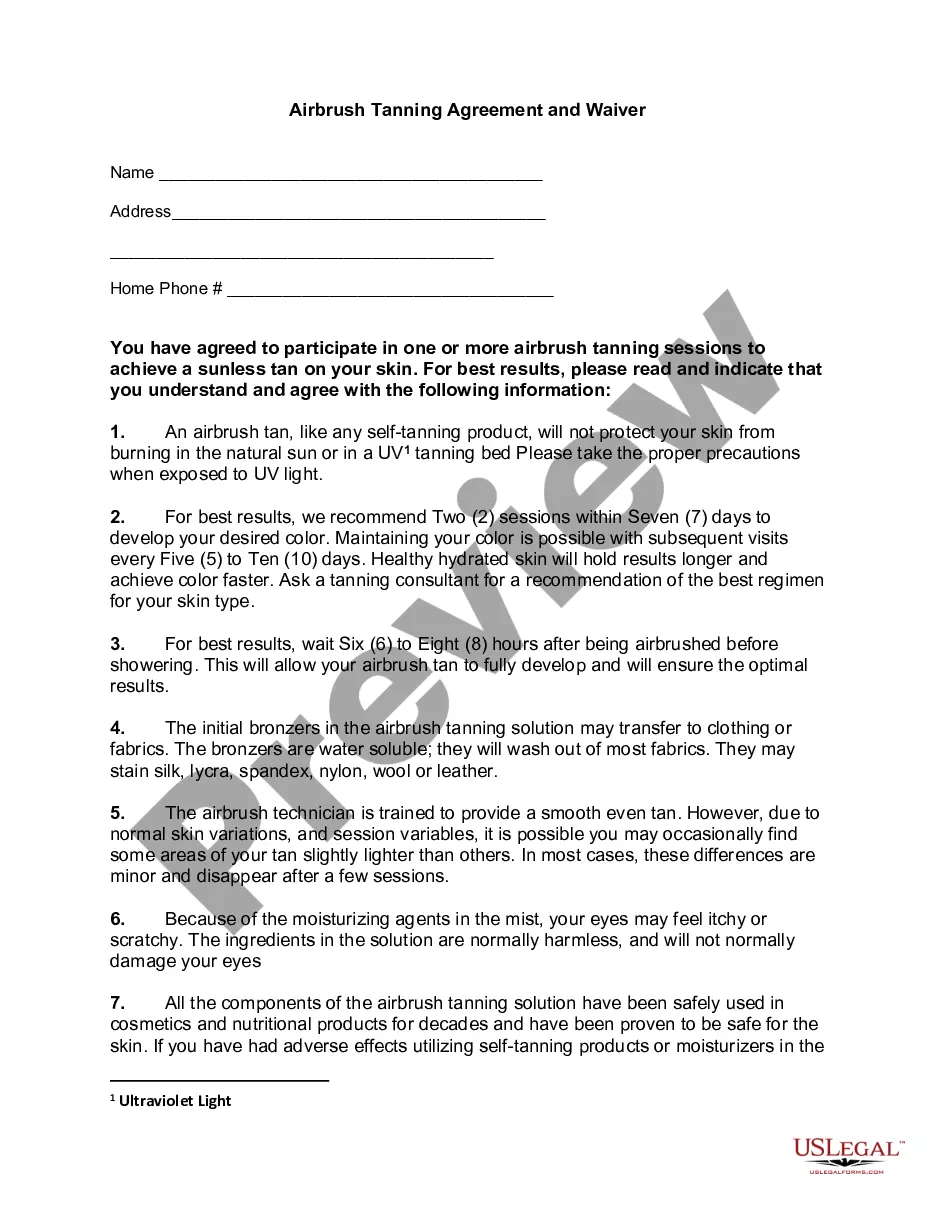
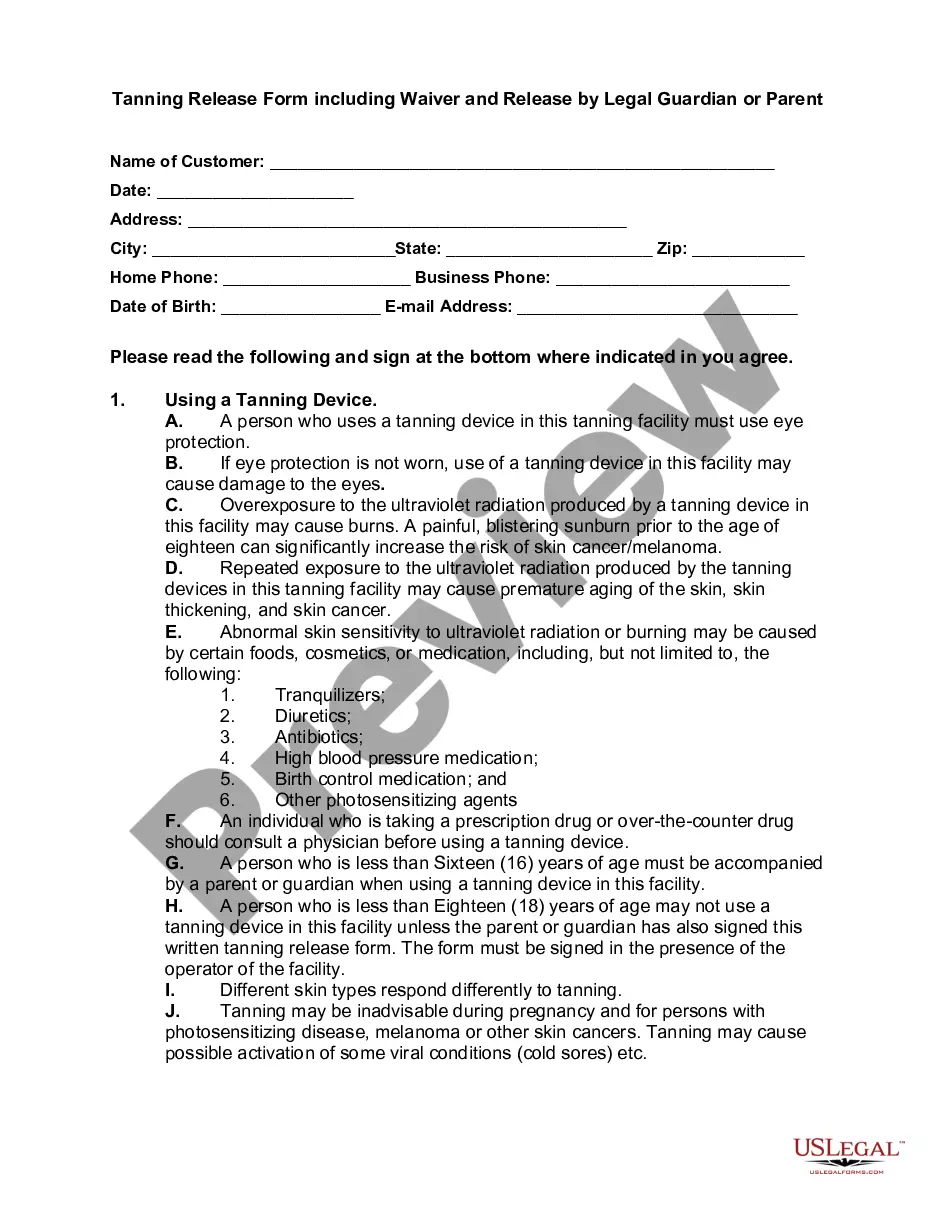
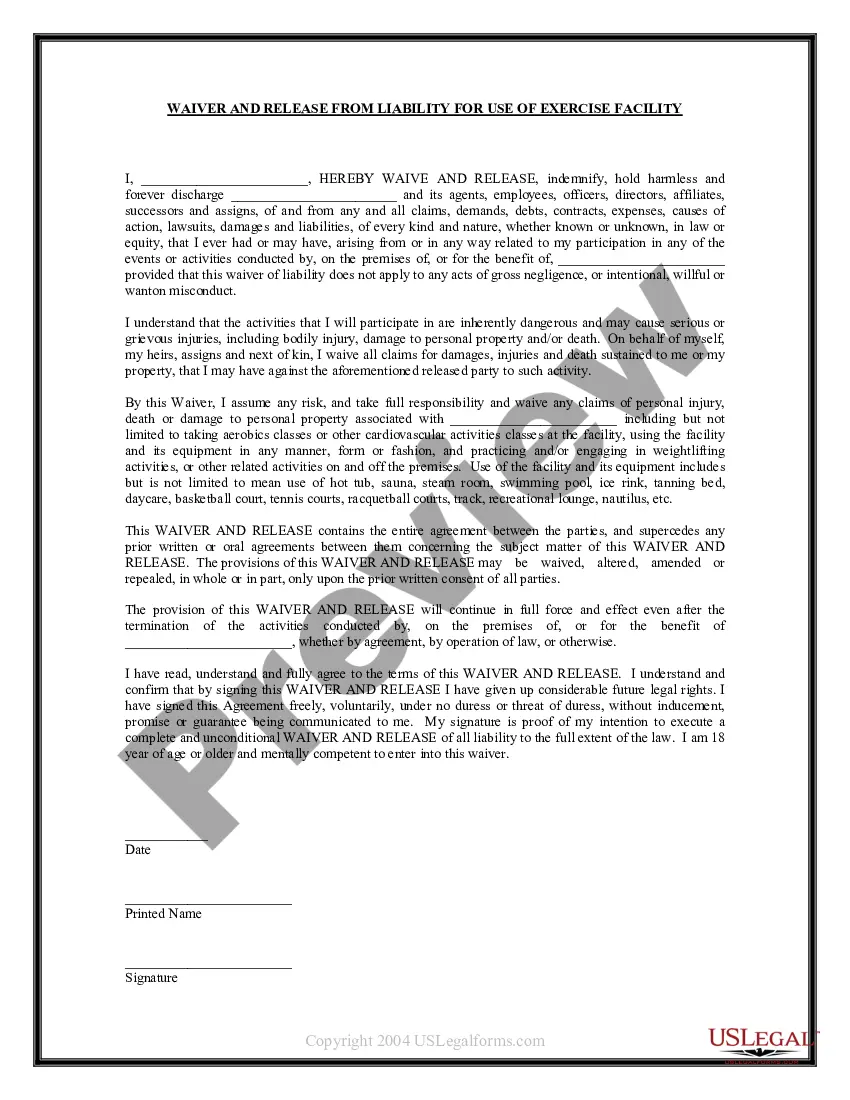
Get your form ready online
Our built-in tools help you complete, sign, share, and store your documents in one place.
Make edits, fill in missing information, and update formatting in US Legal Forms—just like you would in MS Word.
Download a copy, print it, send it by email, or mail it via USPS—whatever works best for your next step.
Sign and collect signatures with our SignNow integration. Send to multiple recipients, set reminders, and more. Go Premium to unlock E-Sign.
If this form requires notarization, complete it online through a secure video call—no need to meet a notary in person or wait for an appointment.
We protect your documents and personal data by following strict security and privacy standards.

Make edits, fill in missing information, and update formatting in US Legal Forms—just like you would in MS Word.

Download a copy, print it, send it by email, or mail it via USPS—whatever works best for your next step.

Sign and collect signatures with our SignNow integration. Send to multiple recipients, set reminders, and more. Go Premium to unlock E-Sign.

If this form requires notarization, complete it online through a secure video call—no need to meet a notary in person or wait for an appointment.

We protect your documents and personal data by following strict security and privacy standards.
Looking for another form?










Form popularity
FAQ
Attorney-client privilege is applicable if you hire a lawyer and sign a retainer agreement. Unless it falls within a few specific circumstances, whatever you communicate to your attorney in confidence should stay confidential.
The retainer agreement does not bind you to your lawyer. You can terminate the client-attorney relationship at any time. You are the principal and your lawyer is your agent–this means that you are the boss. When you want to terminate the relationship with your lawyer, all you have to do is tell them, “You're fired.”
If either you or your attorney terminate the relationship before the retainer is exhausted, and if allowed by the agreement and applicable laws, the remaining portion of the retainer may be refundable. Ensure the termination terms in your agreement are clear and consult a legal professional if needed.
A retainer agreement is a long-term work-for-hire contract between a company and a client that retains ongoing services from you (as a consulting business) and provides you with a stable amount of payments.
Agreement periods usually run up to five years, but initial retainer agreements are often reviewed and renewed annually—usually at the end of the financial year. Retainer hours are usually spent on recurring tasks that aren't major projects but are important to the client.
A retainer agreement is a work-for-hire contract. It falls between a one-off contract and permanent employment, which may be full-time or part-time. Its distinguishing feature is that the client or customer pays in advance for professional work to be specified later.
Personal Injury Lawsuit Process in Florida – A Step-by-Step Guide Step 1: Hire a Reputable Personal Injury Lawyer. Step 2: Complete Your Medical Treatment. Step 3: File an Insurance Claim. Step 4: Gather Evidence. Step 5: Negotiate a Settlement. Step 6: File a Lawsuit. Step 7: Complete the Discovery Process.