Business Purchase Proposal
About this form
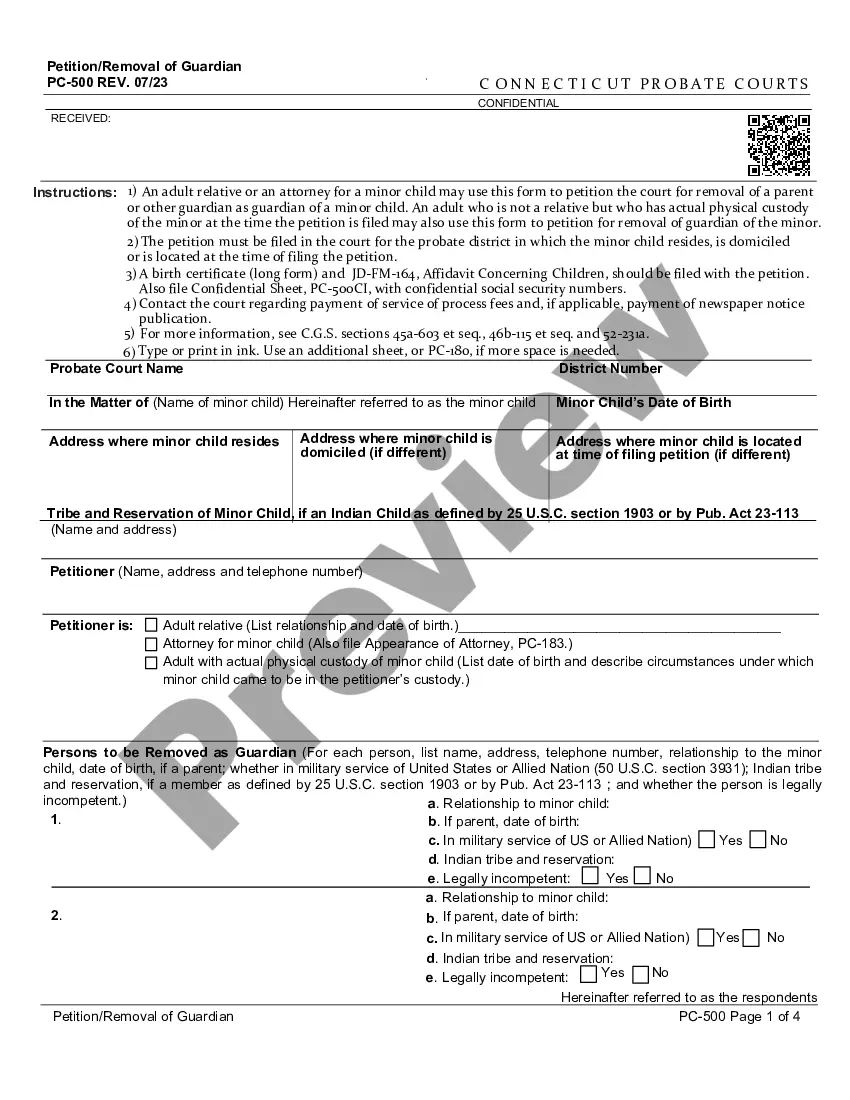
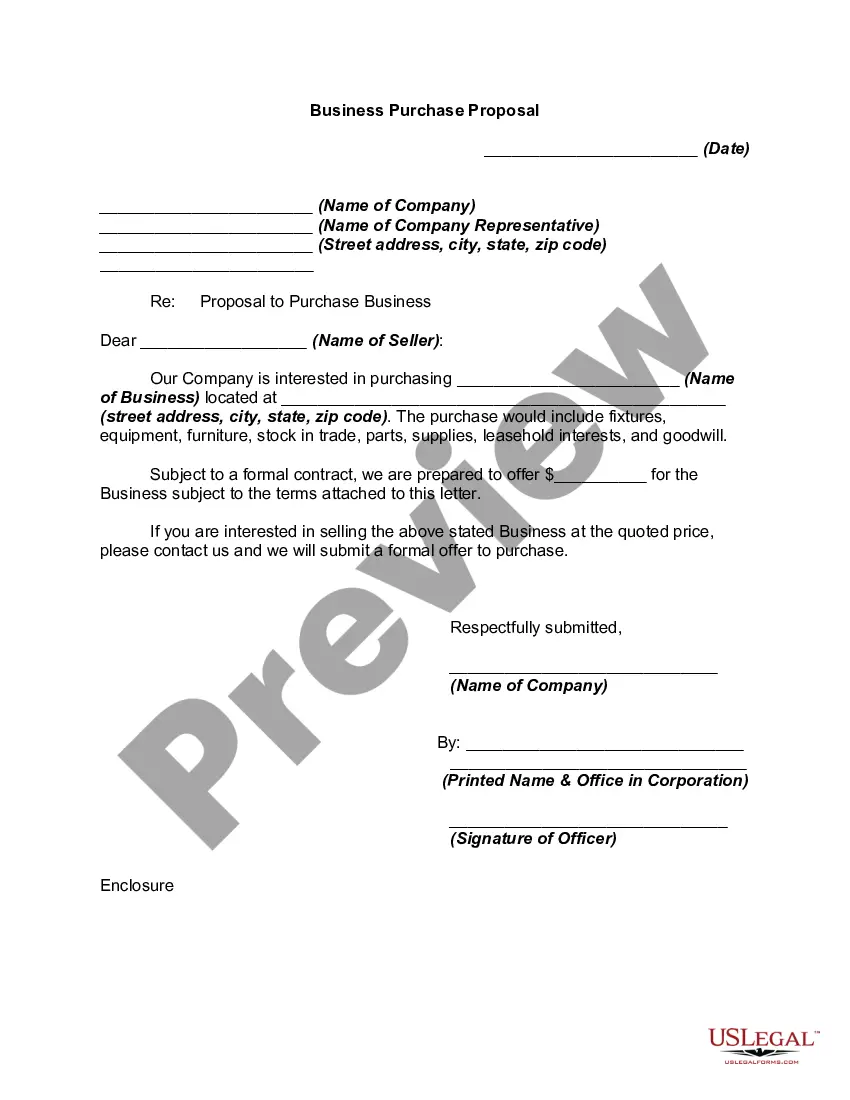
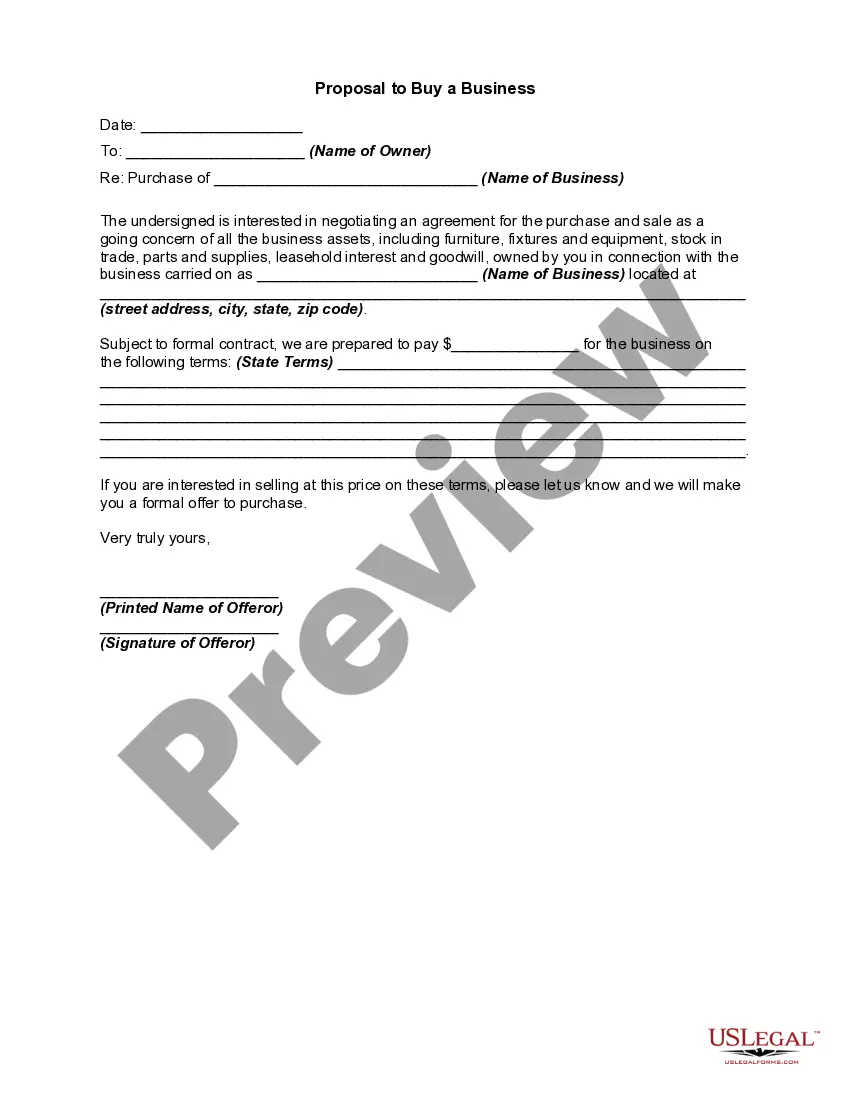
The Business Purchase Proposal is a legal document used to express a company's interest in purchasing a business. This form serves as an invitation to negotiate an offer but does not constitute a binding agreement on its own. Unlike formal contract documents, this proposal outlines preliminary terms and intentions, allowing parties to begin discussions regarding the sale of a business.
Main sections of this form
- Date of the proposal
- Name of the company making the purchase proposal
- Name and address of the company representative
- Details of the business being purchased
- Offer amount for the business
- Signature of the company officer
- Enclosure of terms attached to the letter

Common use cases
This form should be used when a company wants to initiate the process of purchasing another business. It is particularly useful in situations where discussions are at an early stage, and preliminary terms need to be communicated to the seller. This proposal can set the groundwork for formal negotiations following acceptance by the seller.
Who should use this form
- Businesses seeking to acquire another business
- Business brokers facilitating the sale of businesses
- Investors interested in purchasing a business
- Legal representatives drafting preliminary agreements
Instructions for completing this form
- Identify the date of the proposal.
- Fill in your company's name and the representative's details.
- Clearly state the name and address of the business you wish to purchase.
- Specify your intended offer for the purchase.
- Ensure the company officer's signature is included along with their printed name and title.
- Attach any terms or conditions relevant to this proposal.
Notarization guidance
Notarization is generally not required for this form. However, certain states or situations might demand it. You can complete notarization online through US Legal Forms, powered by Notarize, using a verified video call available anytime.
Get your form ready online
Our built-in tools help you complete, sign, share, and store your documents in one place.
Make edits, fill in missing information, and update formatting in US Legal Forms—just like you would in MS Word.
Download a copy, print it, send it by email, or mail it via USPS—whatever works best for your next step.
Sign and collect signatures with our SignNow integration. Send to multiple recipients, set reminders, and more. Go Premium to unlock E-Sign.
If this form requires notarization, complete it online through a secure video call—no need to meet a notary in person or wait for an appointment.
We protect your documents and personal data by following strict security and privacy standards.

Make edits, fill in missing information, and update formatting in US Legal Forms—just like you would in MS Word.

Download a copy, print it, send it by email, or mail it via USPS—whatever works best for your next step.

Sign and collect signatures with our SignNow integration. Send to multiple recipients, set reminders, and more. Go Premium to unlock E-Sign.

If this form requires notarization, complete it online through a secure video call—no need to meet a notary in person or wait for an appointment.

We protect your documents and personal data by following strict security and privacy standards.
Avoid these common issues
- Failing to include complete contact information for both parties.
- Not specifying the offer amount clearly.
- Omitting the necessary signatures and printed names.
- Leaving out important attached terms and conditions.
Advantages of online completion
- Convenience: Download and fill out the form at your convenience.
- Editability: Easily make changes as negotiations progress.
- Reliability: Use a professionally drafted template to ensure all necessary elements are included.
Looking for another form?




Form popularity
FAQ
Discuss Information with the Business Owner. Meet with the owner of the business and discuss what proprietary information he will share with you. Determine the Profits of the Business.
Your Understanding of the Buyer's Needs. Begin your proposal by outlining your understanding of the buyer's needs. Current State and Future State. Your Solution. The Impact Case. Substantiation. Investment Schedule. Agreement. Appendix.
A real estate proposal is a sales document where the sales agent presents a complete plan on what they intend to do for their client.
A purchase proposal is a document that a potential buyer sends to a seller or a supplier. This document contains a list of the specific items that a potential buyer intends to purchase.
Choose an approach for communicating your desire with the business owner. You have several options, including writing a letter detailing your desire to purchase the business, using an intermediary to speak with the business owner, or approaching the owner yourself and pitching your offer.
State your purpose. Do this clearly and concisely so that the reader knows immediately why you are writing. Give some background information. State a solution to the problem. Show costs. Conclusion.
TITLE. Your title should give a clear indication of your proposed research approach or key question. BACKGROUND AND RATIONALE. You should include: the background and issues of your proposed research. identify your discipline. a short literature review. RESEARCH QUESTION(S)
Create a business header. Write your contact information at the top of the letter followed by the date. Address the recipient properly. Include relevant background details. State the purpose of the proposal. Include a request to follow up. Include supporting documentation.