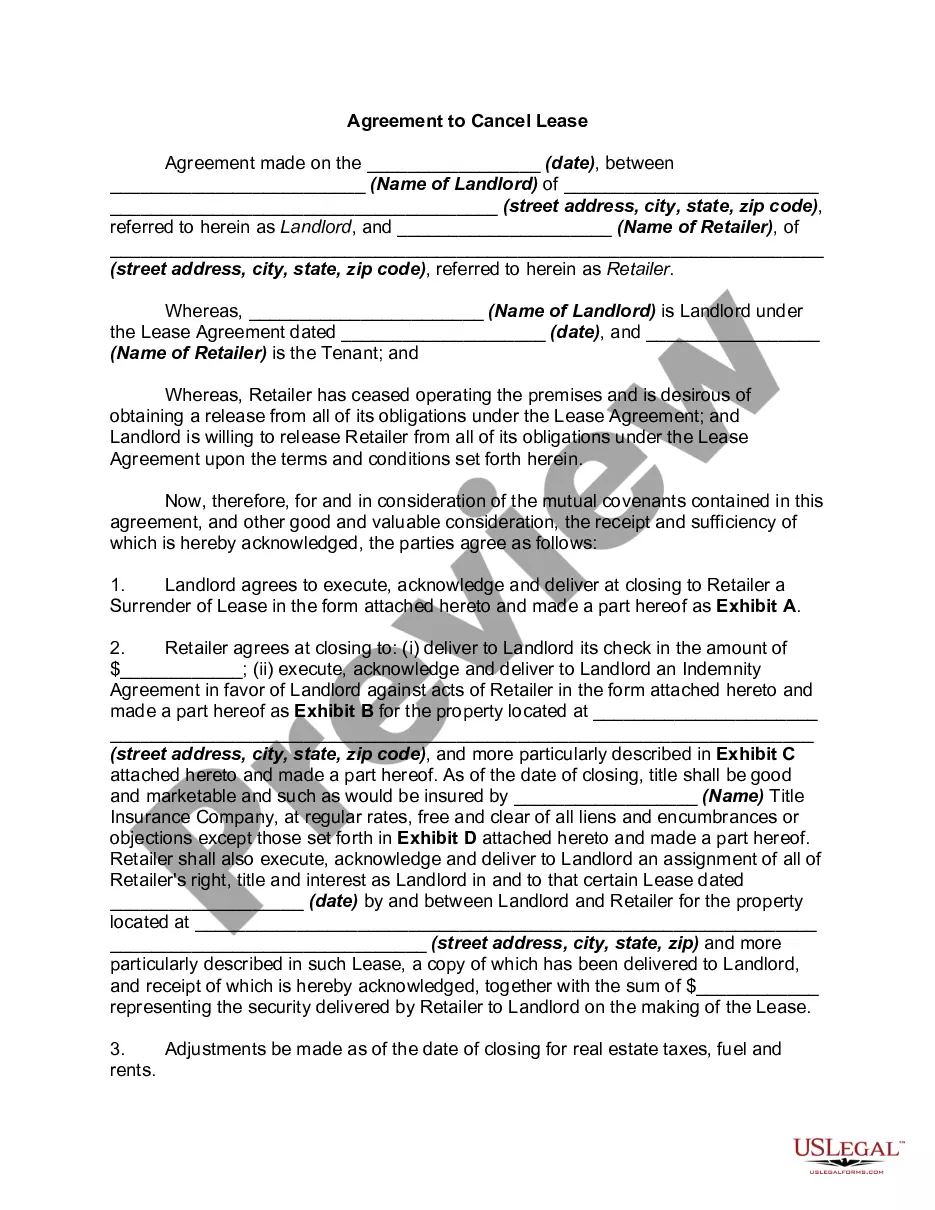
Cancelling Lease Template With Sprint In San Bernardino
Description

Get your form ready online
Our built-in tools help you complete, sign, share, and store your documents in one place.
Make edits, fill in missing information, and update formatting in US Legal Forms—just like you would in MS Word.
Download a copy, print it, send it by email, or mail it via USPS—whatever works best for your next step.
Sign and collect signatures with our SignNow integration. Send to multiple recipients, set reminders, and more. Go Premium to unlock E-Sign.
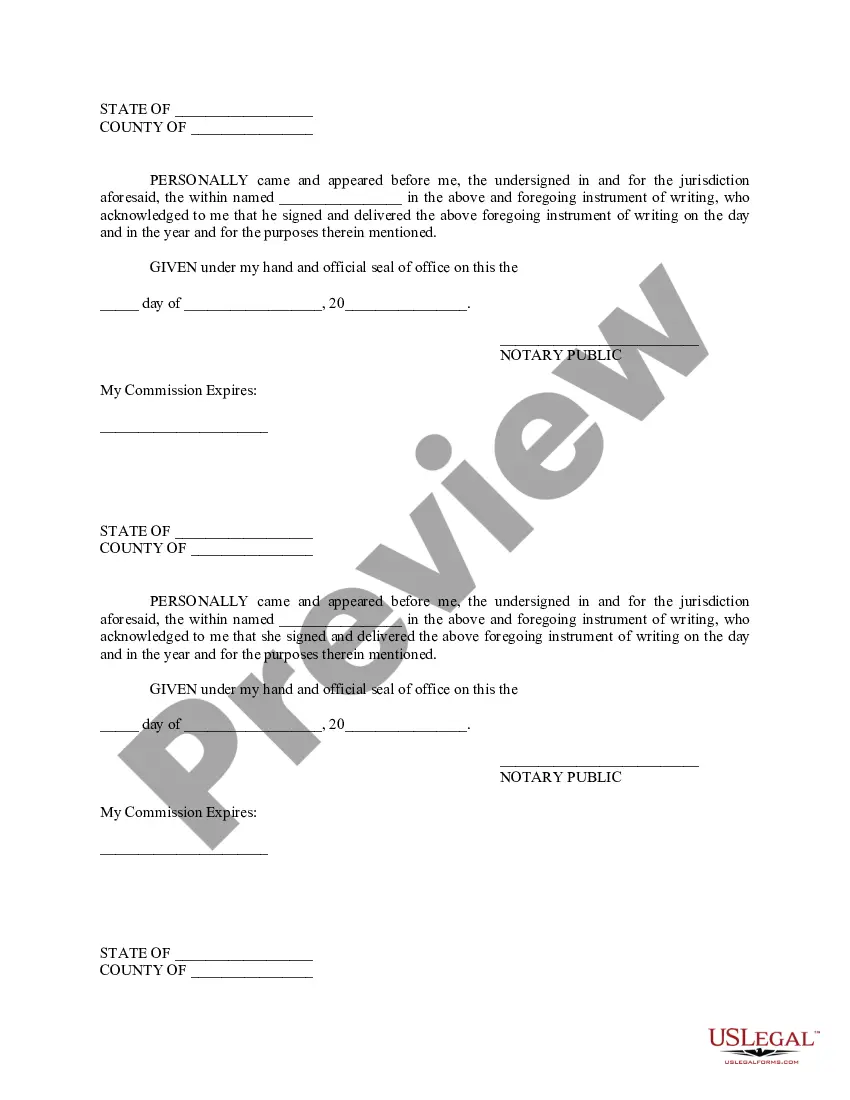
If this form requires notarization, complete it online through a secure video call—no need to meet a notary in person or wait for an appointment.
We protect your documents and personal data by following strict security and privacy standards.

Make edits, fill in missing information, and update formatting in US Legal Forms—just like you would in MS Word.

Download a copy, print it, send it by email, or mail it via USPS—whatever works best for your next step.

Sign and collect signatures with our SignNow integration. Send to multiple recipients, set reminders, and more. Go Premium to unlock E-Sign.

If this form requires notarization, complete it online through a secure video call—no need to meet a notary in person or wait for an appointment.

We protect your documents and personal data by following strict security and privacy standards.
Looking for another form?
Form popularity
FAQ
What Happens If You Don't Give 30-days' Notice To Vacate? If you do not provide your tenant with adequate notice, you will not have the legal grounds to end the tenancy. Likewise, if a tenant does not give you enough notice they could be subject to penalties (such as the landlord withholding their security deposit).
You do have the right to the use and quiet enjoyment of the rental and if the landlord is entering without notice, they could be in breach and if they do not cease, you could sue for damages if you are forced to vacate or sue and go after them, if they are trying to retaliate.
Yes, a landlord can evict a tenant without a written lease in California, but they must still follow the proper legal procedures. This includes providing adequate notice, filing an eviction lawsuit if the tenant fails to vacate, and obtaining a court judgment before physically removing the tenant from the property.
30-DAY, 60-DAY AND 90-DAY NOTICES TO MOVE Only a 30-day notice is required if all tenants have lived there less than a year. A 60-day notice is required if all tenants have lived there a year or longer. There is an exception to this rule.
No, landlords cannot force tenants to move out. Under California law, landlords must follow the legal eviction process, which includes providing a proper written notice and obtaining a court order.
The Notice must be in writing and include: The date the tenancy will end ("be terminated") Detailed reason(s) for the eviction. That if the tenant doesn't move out within 90 days the owner may start a court case to evict them and that they can give their side of the story then.
A landlord uses a 30-day Notice to Quit (move out) to end a month-to-month tenancy if the tenant has been renting for less than 1 year. A landlord uses a 60-day Notice to Quit if their tenant has been renting for 1 year or more. In many cases, landlords can't cancel a month-to-month tenancy for just any reason.
The tenants were threatened with eviction. They received an eviction notice telling them they had to leave in seven days.
60 Day Notice to Quit: Used to terminate a month-to-month or periodic tenancy when the tenant lived in the property one year or more. Notice needs to include tenant's name and property address.
The Notice must be in writing and include: The date the tenancy will end ("be terminated") Detailed reason(s) for the eviction. That if the tenant doesn't move out within 90 days the owner may start a court case to evict them and that they can give their side of the story then.