Cancellation Lease Template For Commercial Property In Los Angeles
Description

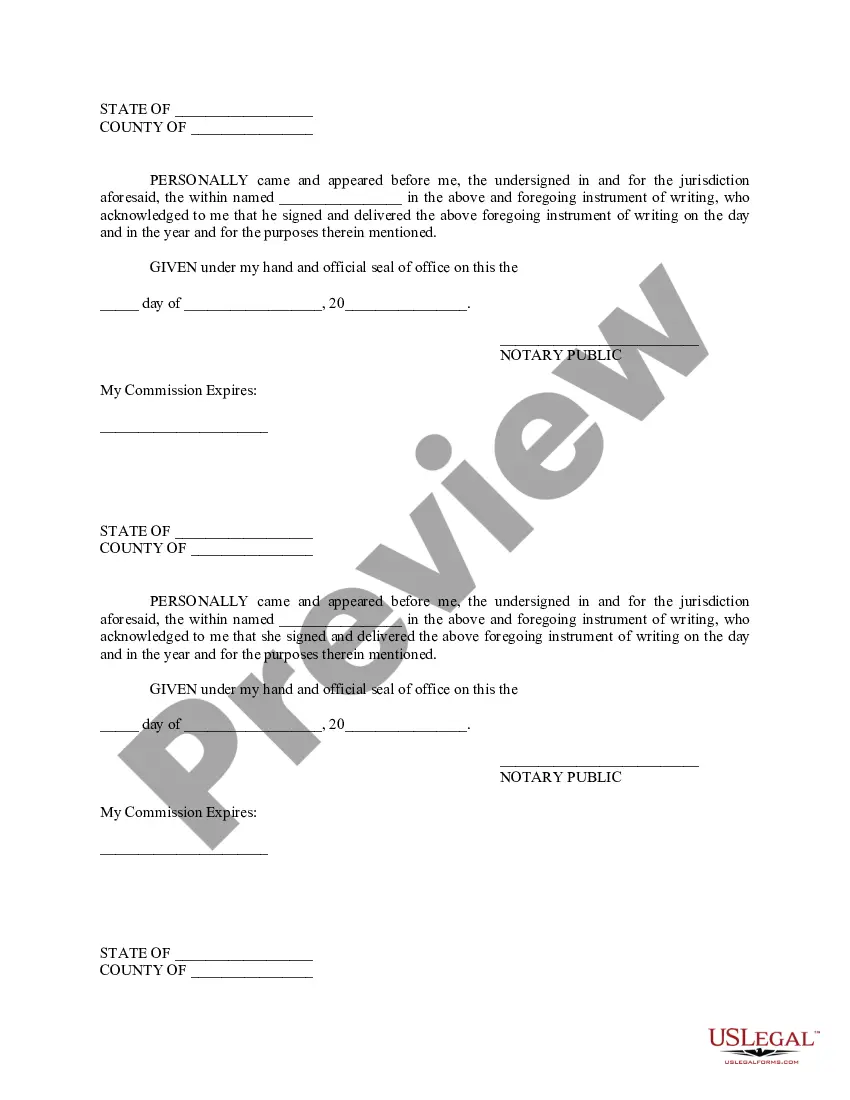
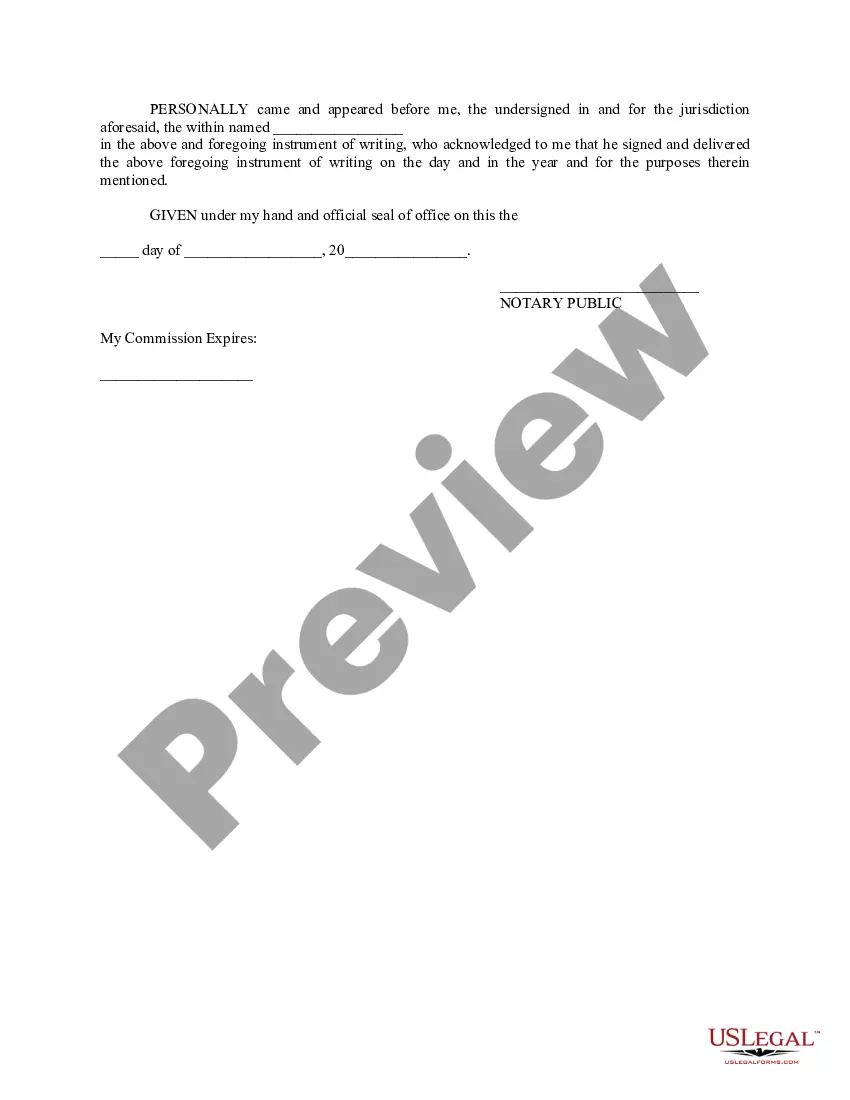
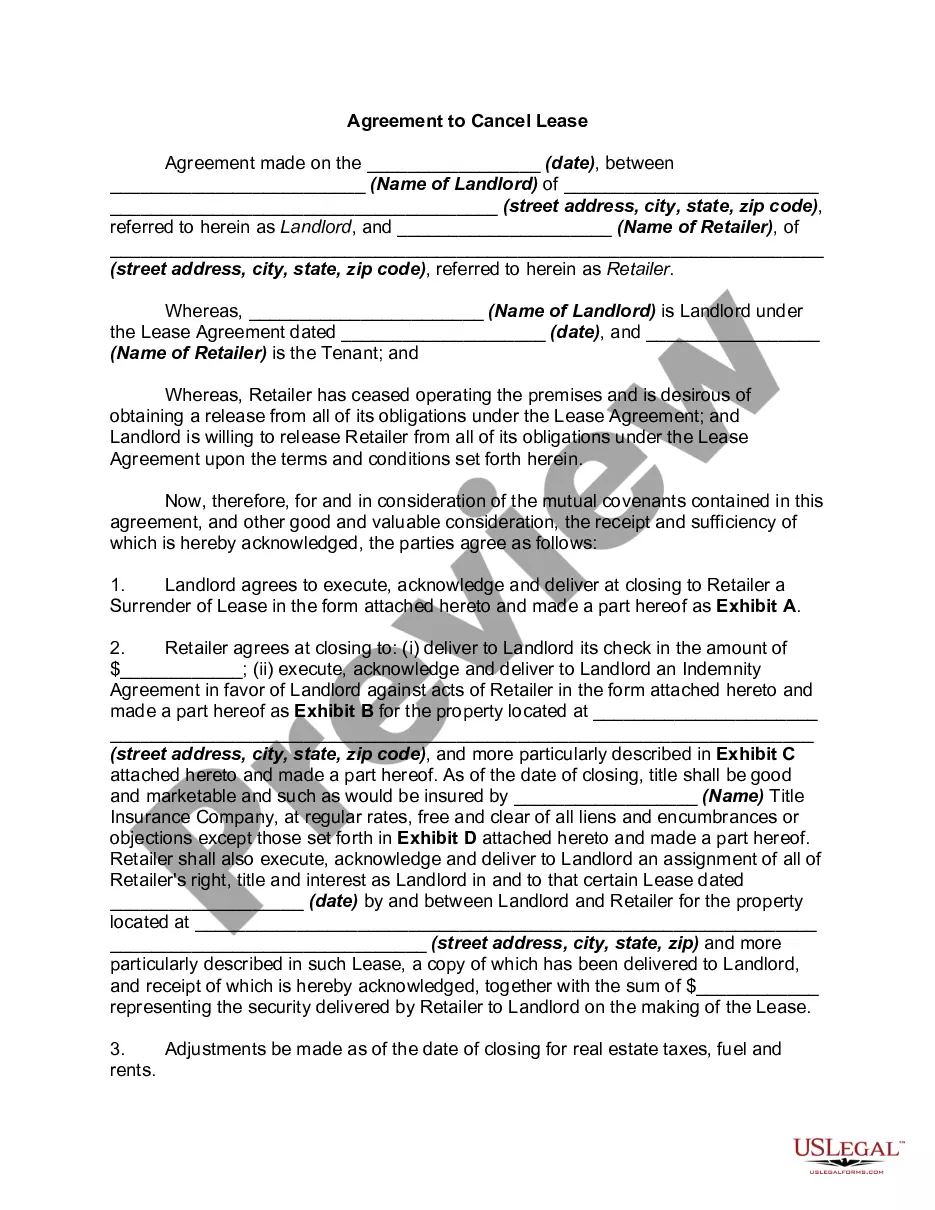
Get your form ready online
Our built-in tools help you complete, sign, share, and store your documents in one place.
Make edits, fill in missing information, and update formatting in US Legal Forms—just like you would in MS Word.
Download a copy, print it, send it by email, or mail it via USPS—whatever works best for your next step.
Sign and collect signatures with our SignNow integration. Send to multiple recipients, set reminders, and more. Go Premium to unlock E-Sign.
If this form requires notarization, complete it online through a secure video call—no need to meet a notary in person or wait for an appointment.
We protect your documents and personal data by following strict security and privacy standards.

Make edits, fill in missing information, and update formatting in US Legal Forms—just like you would in MS Word.

Download a copy, print it, send it by email, or mail it via USPS—whatever works best for your next step.

Sign and collect signatures with our SignNow integration. Send to multiple recipients, set reminders, and more. Go Premium to unlock E-Sign.

If this form requires notarization, complete it online through a secure video call—no need to meet a notary in person or wait for an appointment.

We protect your documents and personal data by following strict security and privacy standards.
Looking for another form?


Form popularity
FAQ
If your lease includes a clause allowing for early termination, it likely specifies the required notice period and any penalties involved. For example, some leases may permit termination after a certain notice period, while others may impose financial penalties or forfeiture of the security deposit.
The most common way to end a lease is by providing the notice required in a Lease Agreement or by state or local law. Tenants use a Tenant Notice of Intent to Move, while landlords use a Landlord's Notice of Non-Renewal.
30-DAY, 60-DAY AND 90-DAY NOTICES TO MOVE Only a 30-day notice is required if all tenants have lived there less than a year. A 60-day notice is required if all tenants have lived there a year or longer.
How to Write One Full names of the parties involved in the lease agreement. Termination date of the lease. Full address of the property. (If applicable) The reason why you chose to terminate the lease agreement. Landlord's signature and printed name. The current date and method of notice delivery.
The eviction process often starts with serving a three day notice to the tenant, which is required for issues like unpaid rent or other lease violations. This notice must: Clearly state the reason for eviction, Specify the total amount of rent due (if applicable), and.
A California 60-day lease termination letter is sent to a tenant when the landlord elects to terminate a tenancy-at-will of one year or longer. If the tenancy is not exempt from the Tenancy Protection Act, the landlord must provide "just cause" for termination.
A landlord uses a 60-day Notice to Quit if their tenant has been renting for 1 year or more. In many cases, landlords can't cancel a month-to-month tenancy for just any reason. They will need a just cause if required the Tenant Protection Act of 2019.
The law requires that notice to terminate a rental contract must be given in writing. No specific legal format is required but a registered letter is the surest way. This notice must be sent by post three (complete) months before the date of the end of the lease.
A California 60-day lease termination letter is sent to a tenant when the landlord elects to terminate a tenancy-at-will of one year or longer. If the tenancy is not exempt from the Tenancy Protection Act, the landlord must provide "just cause" for termination.
