Cancellation Lease Template For Land In King
Description

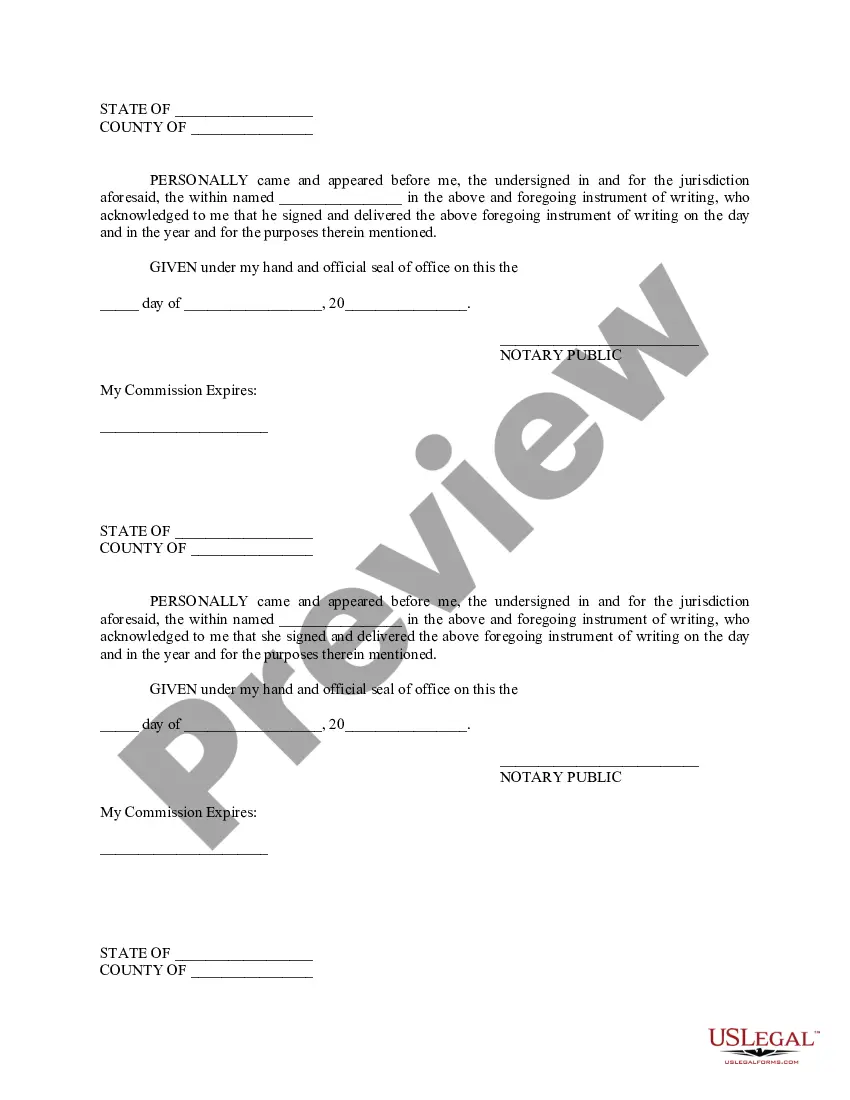
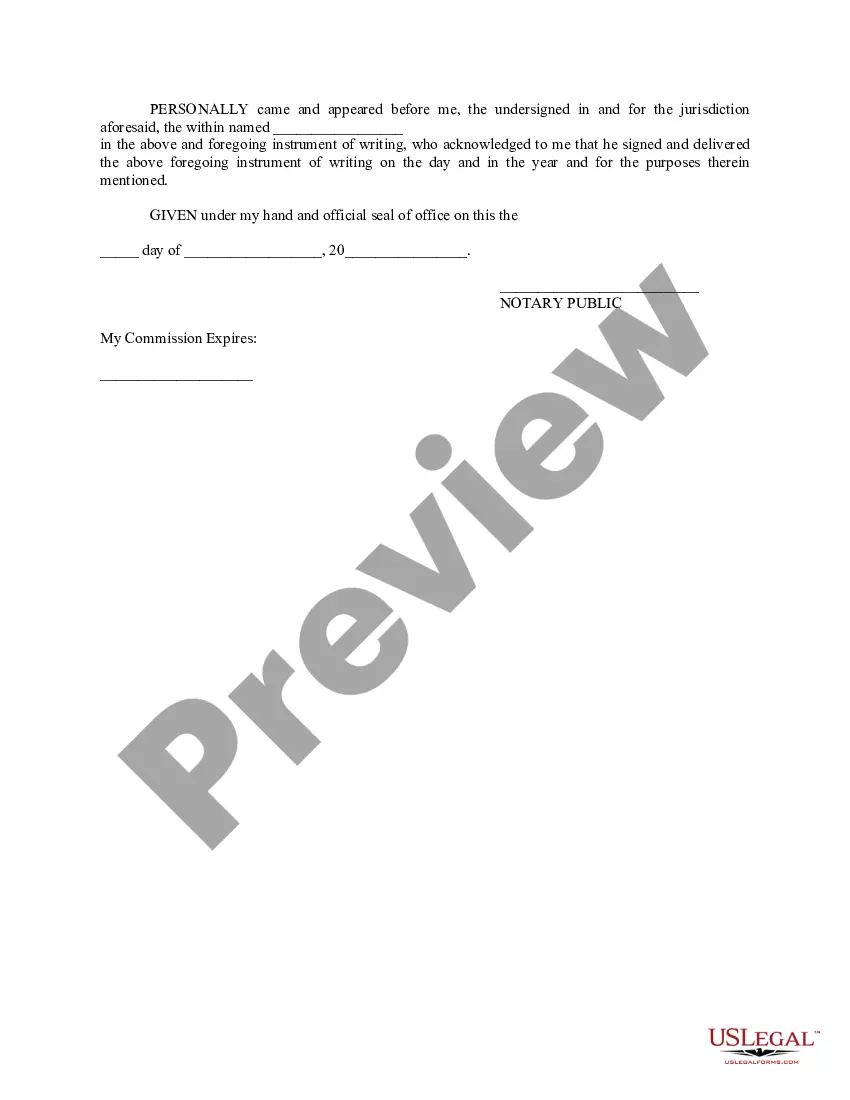
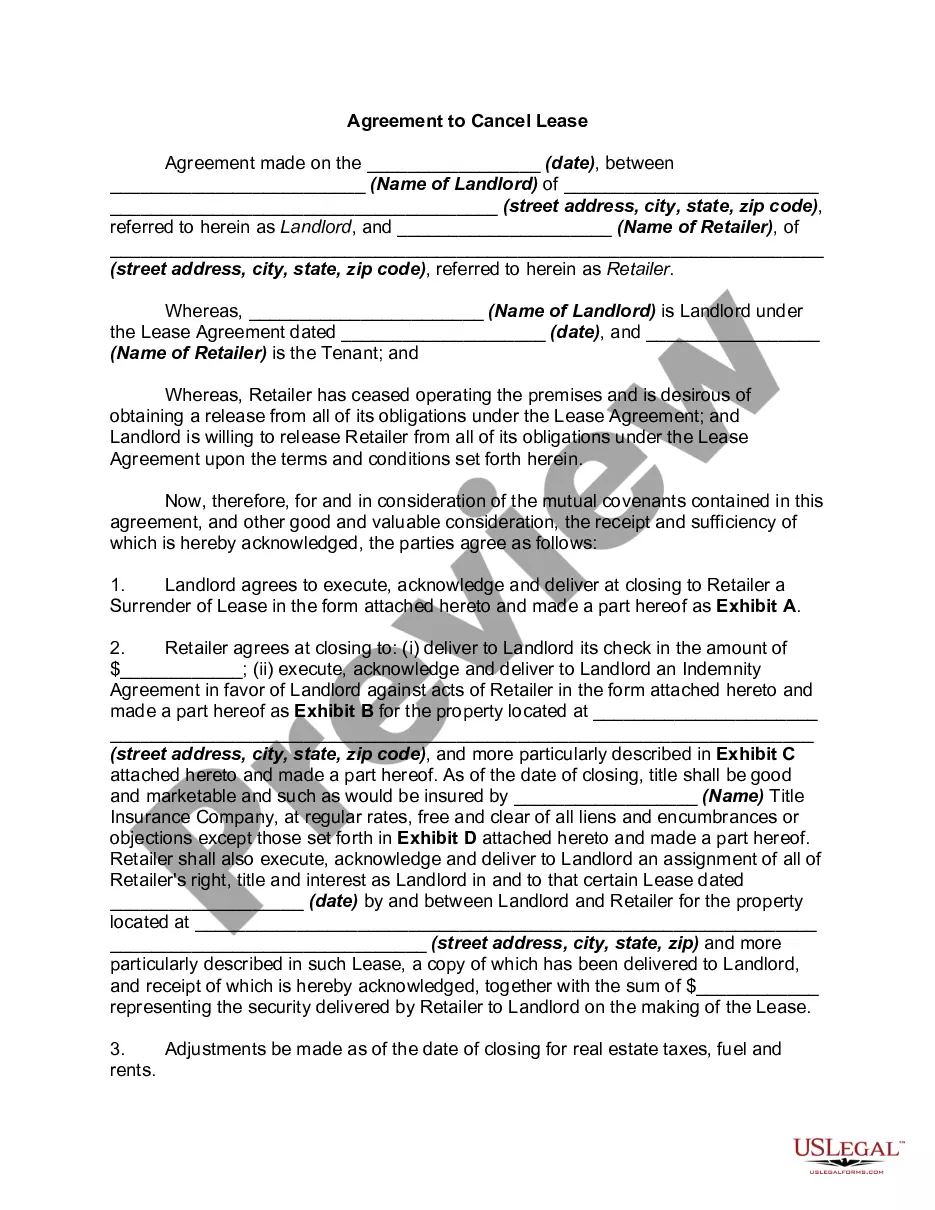
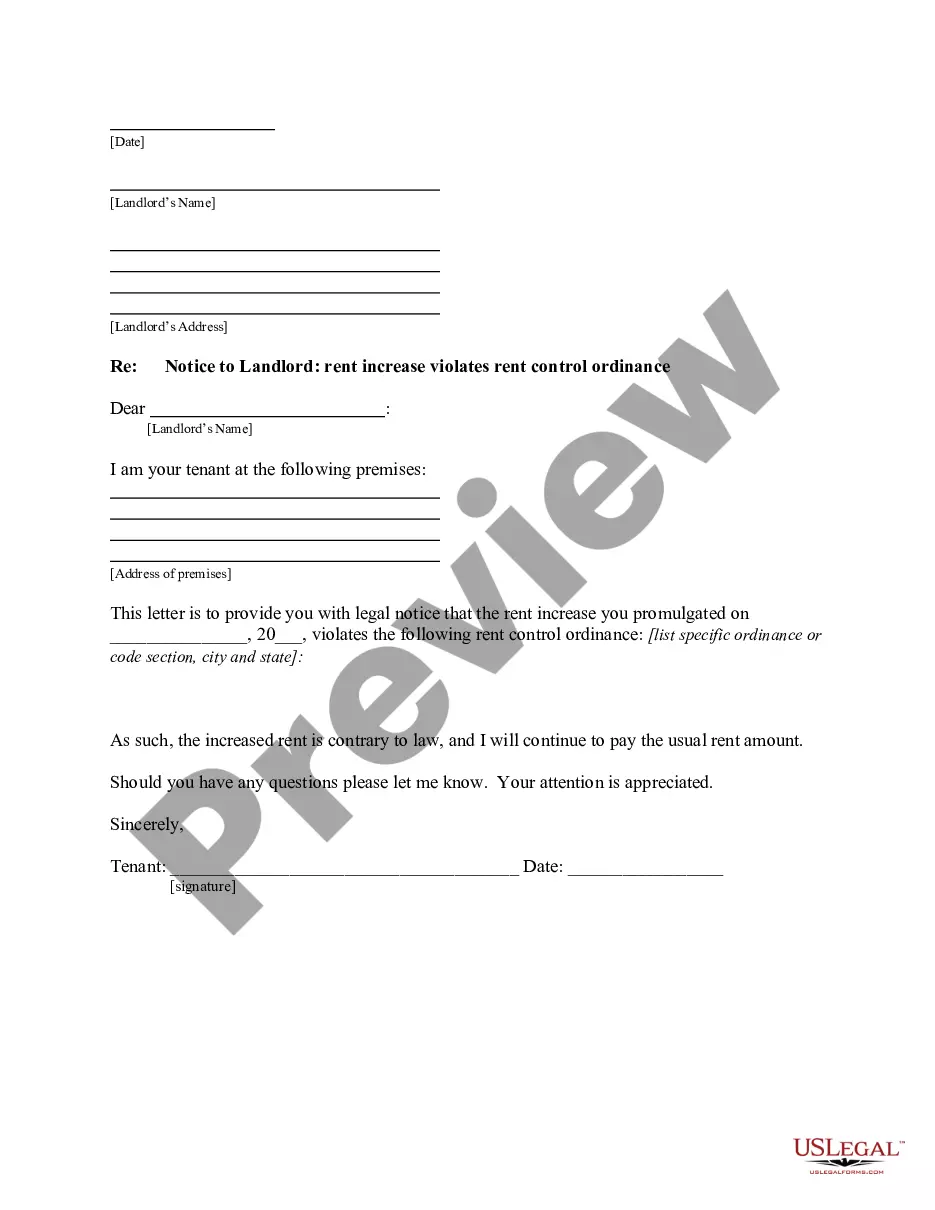
Get your form ready online
Our built-in tools help you complete, sign, share, and store your documents in one place.
Make edits, fill in missing information, and update formatting in US Legal Forms—just like you would in MS Word.
Download a copy, print it, send it by email, or mail it via USPS—whatever works best for your next step.
Sign and collect signatures with our SignNow integration. Send to multiple recipients, set reminders, and more. Go Premium to unlock E-Sign.
If this form requires notarization, complete it online through a secure video call—no need to meet a notary in person or wait for an appointment.
We protect your documents and personal data by following strict security and privacy standards.

Make edits, fill in missing information, and update formatting in US Legal Forms—just like you would in MS Word.

Download a copy, print it, send it by email, or mail it via USPS—whatever works best for your next step.

Sign and collect signatures with our SignNow integration. Send to multiple recipients, set reminders, and more. Go Premium to unlock E-Sign.

If this form requires notarization, complete it online through a secure video call—no need to meet a notary in person or wait for an appointment.

We protect your documents and personal data by following strict security and privacy standards.
Looking for another form?








Form popularity
FAQ
Talk to the landlord. DO NOT SUBLET without permission from your landlord. Most lease contracts do not permit subletting. Offer to your landlord if he/she lets you move then he/she can keep the deposit. That's a good way to get out of a lease. This might be cheaper option than paying the entire lease term.
How to Write One Full names of the parties involved in the lease agreement. Termination date of the lease. Full address of the property. (If applicable) The reason why you chose to terminate the lease agreement. Landlord's signature and printed name. The current date and method of notice delivery.
The landlord tenant laws that allow you to break a lease are different from state to state. In many places, you can get out of your lease without penalty for a number of reasons, such as domestic violence, an unsafe environment, or if you've been called up for military service.
A lease surrender is a mutual agreement between the landlord and the tenant to bring the lease to an end before the expiry of the term and in a manner not contemplated by the lease (eg by exercising a break option, etc).
Here's how to get out of a lease: Understand the potential penalties. The landlord tenant laws that allow you to break a lease are different from state to state. Check your lease. Talk to your landlord about breaking a lease. Offer to help find a new tenant. Consider subletting to avoid breaking a lease.
The most common way to end a lease is by providing the notice required in a Lease Agreement or by state or local law. Tenants use a Tenant Notice of Intent to Move, while landlords use a Landlord's Notice of Non-Renewal.
Most lease agreements require tenants to provide a specific notice period before terminating the lease. This notice period can vary, typically ranging from 30 to 90 days. Ensure that you give your landlord ample notice in ance with the terms of your lease.
