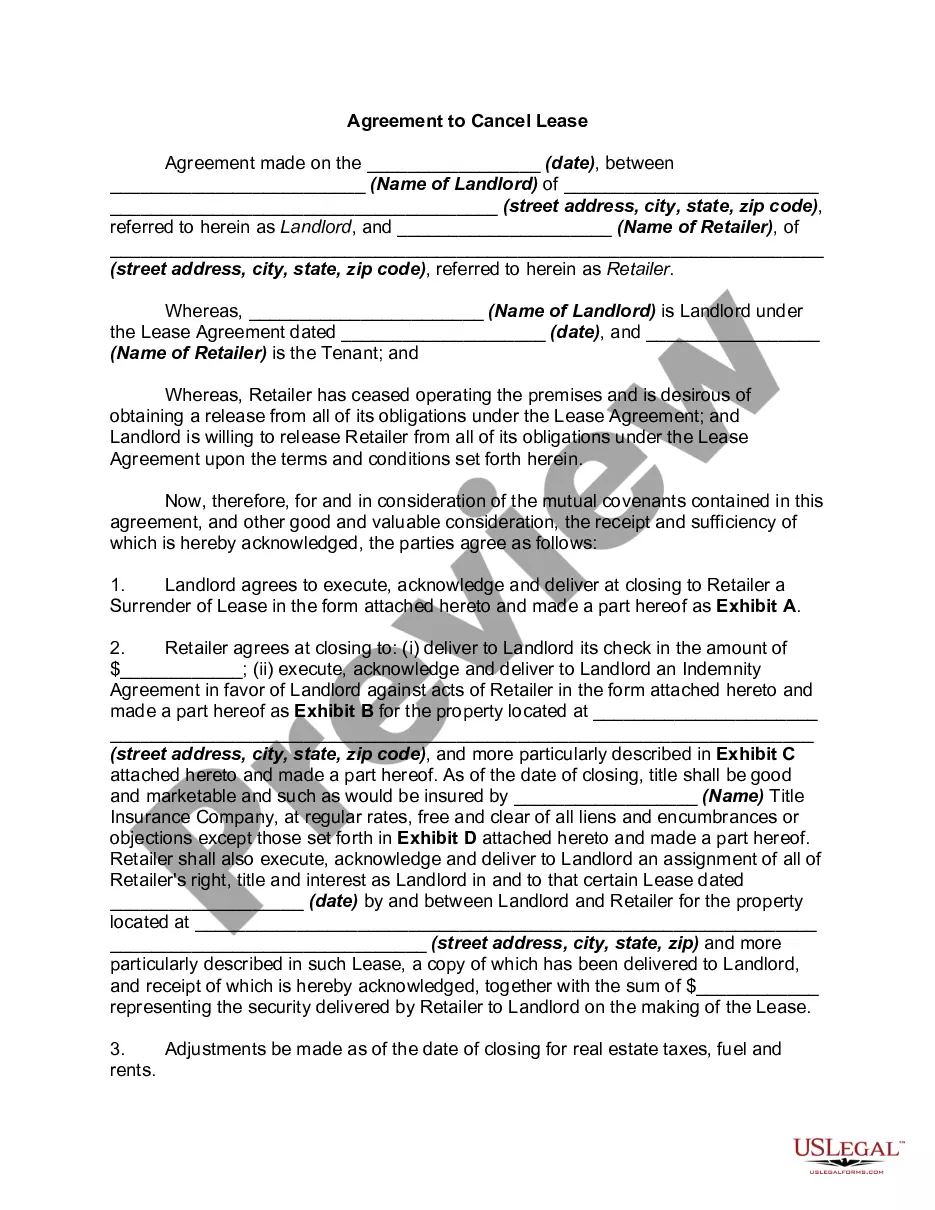
Cancellation Lease Template For Commercial Property In Arizona
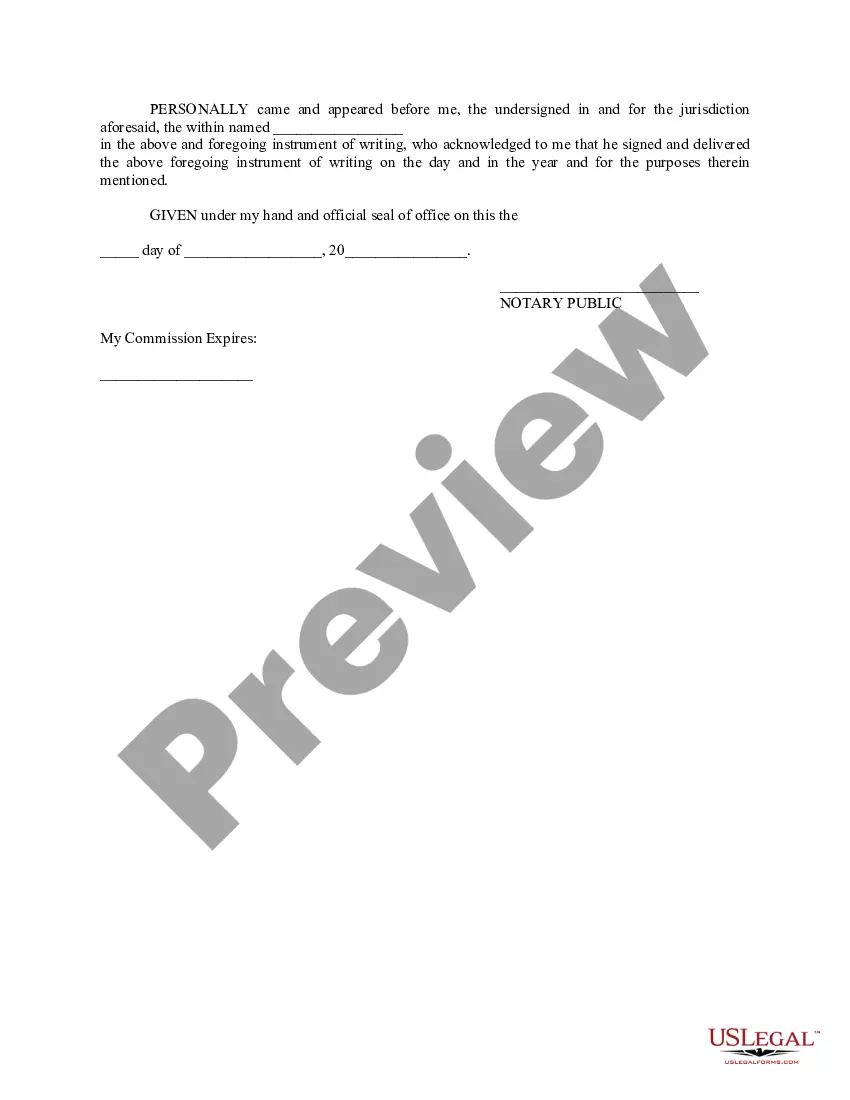
Description

Get your form ready online
Our built-in tools help you complete, sign, share, and store your documents in one place.
Make edits, fill in missing information, and update formatting in US Legal Forms—just like you would in MS Word.
Download a copy, print it, send it by email, or mail it via USPS—whatever works best for your next step.
Sign and collect signatures with our SignNow integration. Send to multiple recipients, set reminders, and more. Go Premium to unlock E-Sign.
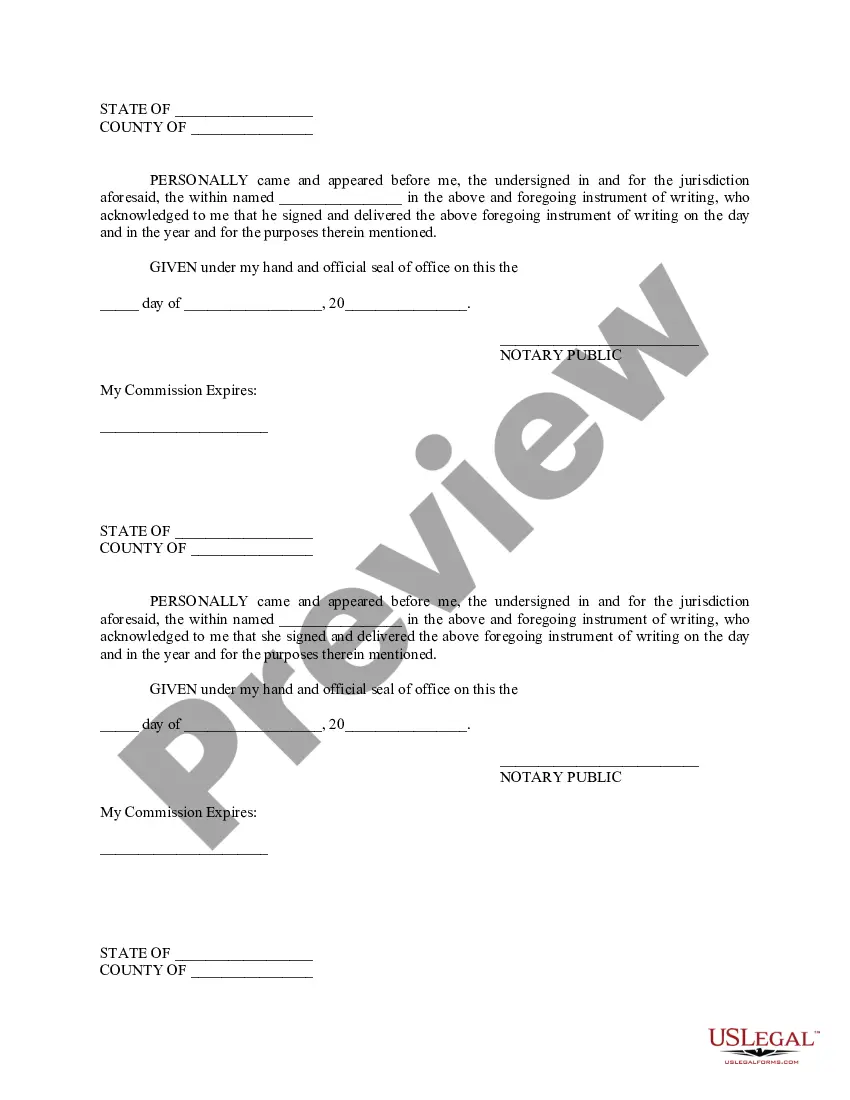
If this form requires notarization, complete it online through a secure video call—no need to meet a notary in person or wait for an appointment.
We protect your documents and personal data by following strict security and privacy standards.

Make edits, fill in missing information, and update formatting in US Legal Forms—just like you would in MS Word.

Download a copy, print it, send it by email, or mail it via USPS—whatever works best for your next step.

Sign and collect signatures with our SignNow integration. Send to multiple recipients, set reminders, and more. Go Premium to unlock E-Sign.

If this form requires notarization, complete it online through a secure video call—no need to meet a notary in person or wait for an appointment.

We protect your documents and personal data by following strict security and privacy standards.
Looking for another form?





Form popularity
FAQ
There is no law regulating what kind of advance notice, if any, is required to stay on or vacate when the lease ends. On occasion a lease will state that it automatically renews unless either party gives notice otherwise. More frequently, a 30-day or 60-day notice must be provided by one party to the other.
What are good reasons for breaking a lease early? If your apartment is unsafe or violates health codes. If living in the apartment puts your health at risk, you may be able to break the lease and move. You start active military duty and are called to deploy. Your landlord enters your home without advance notice.
In Arizona, tenants are legally allowed to break a lease before the agreed upon end date if certain conditions are met. These include military deployment, domestic violence, uninhabitable living conditions, or if the landlord violates the lease agreement.
Arizona law requires that: A hearing on forcible detainer must be held within 30 days of filing the eviction action. The entire process is fast-tracked and completed within 30 days.
No, lease agreements don't have to be notarized in Arizona. A lease can be notarized if the tenant and landlord want it to be. It is not, however, required by law for the rental agreement to be legally binding.
Arizona landlords have to provide tenants with at least a written 30-day notice. The notice is to inform the tenant that the lease agreement will be ending after 30 days and the tenant will need to move out at that time.
The Arizona Notice to Vacate could be given in the form of a 30 Day Notice to Vacate, 60 Day Notice to Vacate, or a 90 Day Notice to Vacate, depending on the circumstances. The notice period required is typically defined in the rental lease terms.
The tenant must provide the landlord with written notice requesting to be let out of the lease or rental agreement on an agreed-upon date within the next 30 days.
There are several ways you can assure notices are given to a landlord or agent. In order of reliability and practicality these include certified (or registered) mail, process server, express mail, facsimile, hand-delivery with witnesses, email and text.
