Bylaws Of Homeowners Without A Pool In Wake
Description

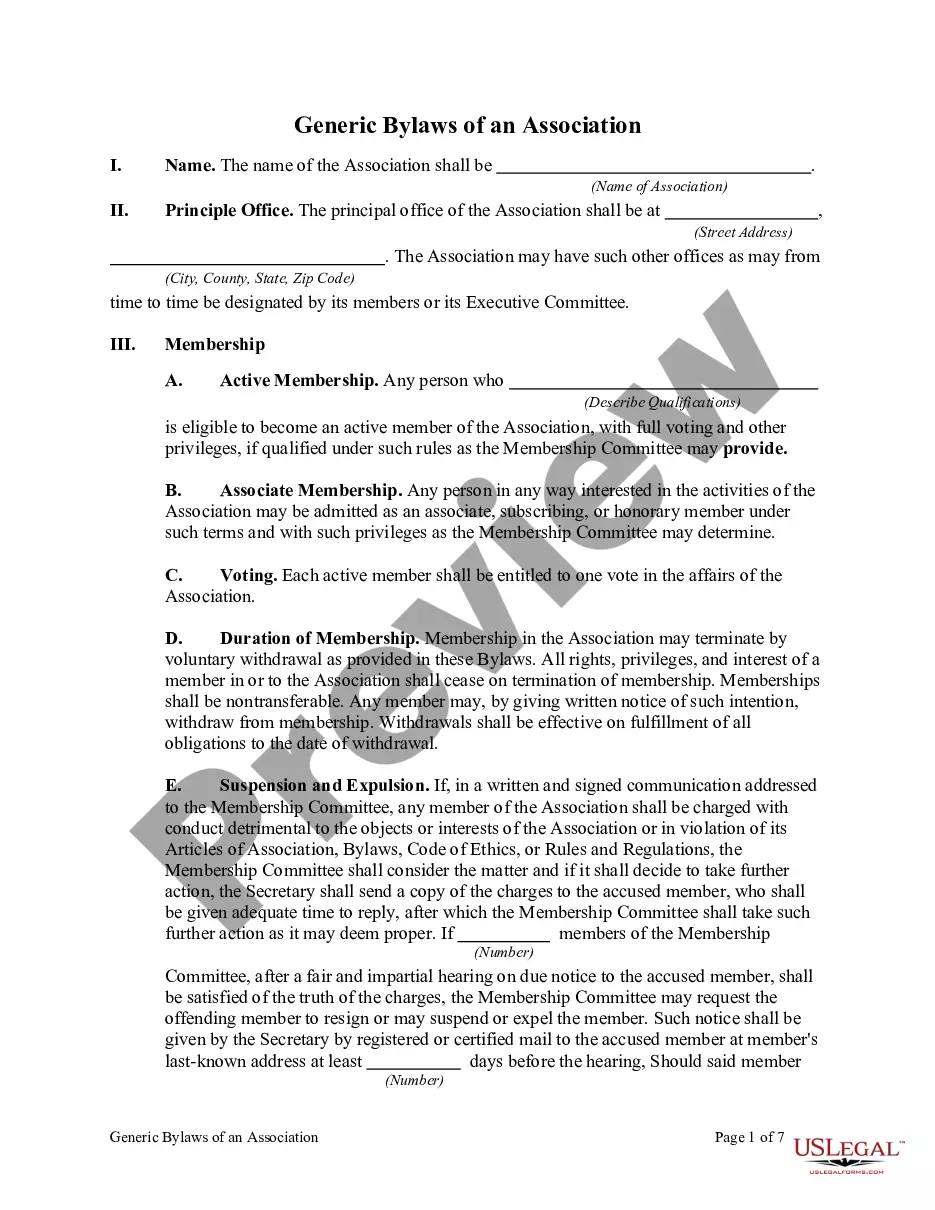
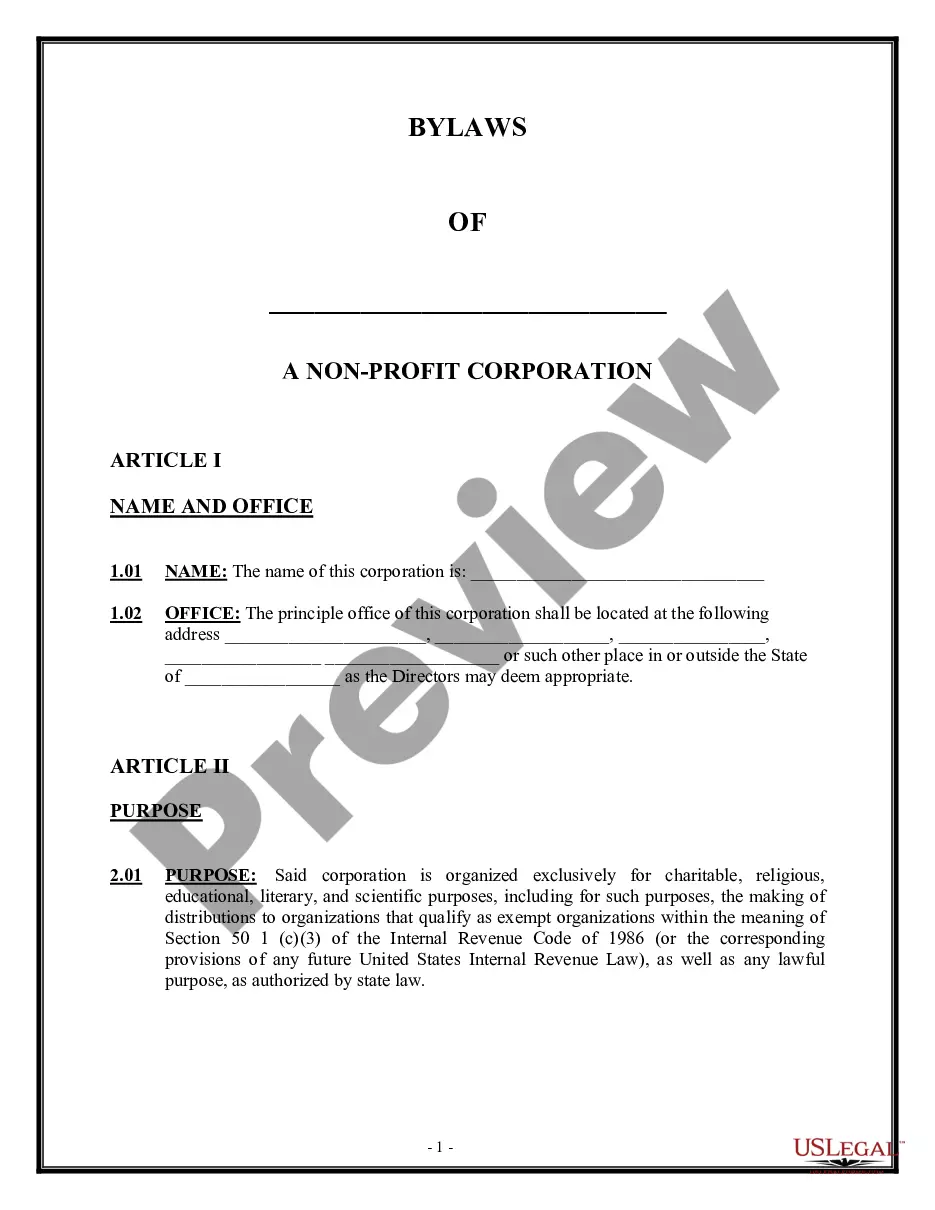
Get your form ready online
Our built-in tools help you complete, sign, share, and store your documents in one place.
Make edits, fill in missing information, and update formatting in US Legal Forms—just like you would in MS Word.
Download a copy, print it, send it by email, or mail it via USPS—whatever works best for your next step.
Sign and collect signatures with our SignNow integration. Send to multiple recipients, set reminders, and more. Go Premium to unlock E-Sign.
If this form requires notarization, complete it online through a secure video call—no need to meet a notary in person or wait for an appointment.
We protect your documents and personal data by following strict security and privacy standards.

Make edits, fill in missing information, and update formatting in US Legal Forms—just like you would in MS Word.

Download a copy, print it, send it by email, or mail it via USPS—whatever works best for your next step.

Sign and collect signatures with our SignNow integration. Send to multiple recipients, set reminders, and more. Go Premium to unlock E-Sign.

If this form requires notarization, complete it online through a secure video call—no need to meet a notary in person or wait for an appointment.

We protect your documents and personal data by following strict security and privacy standards.
Looking for another form?





Form popularity
FAQ
SECTION 37. Association officers - Unless otherwise provided in the by-laws, an Association should have the following executive officers who shall be responsible for the management of the Association's business: president, vice-president, secretary, treasurer and auditor.
In homeowners association cases, the Complaint shall be filed in the RAB which has jurisdiction over the region where the association is registered with the DHSUD. (Rule 2, Section 7, Rules of Procedure of the Human Settlements Adjudication Commission).
Once you buy a home that's part of an HOA, you automatically become a member of the HOA. HOA rules are legally binding, and you must adhere to all rules and regulations in the governing document. Yes, there are bylaws that you may not like, but there are no HOA loopholes.
It may maintain the road lots, open spaces and other facilities. Additionally, it may regulate the use, maintenance, repair, replacement and modification of common areas and cause additional improvements to be made part of the common areas. However, this right should not contradict with the approved subdivision plan.
How close can you build a pool to your home? Local building codes typically require pools to be at least 5 to 10 feet away from the house foundation. Always check your county's regulations for specific requirements.
Statutory Basis: RA 9904 (Magna Carta for Homeowners and Homeowners Associations) and its IRR grant HOAs the right to impose and adjust reasonable fees and assessments. Procedure: Increases require: A board resolution. Proper notice to members.
What are unenforceable HOA rules? Keep you out of court. Hush up litigation. Discriminate indiscriminately. Enter your home without cause or notice. String you out on the (clothes)line. Fine you for fun. Change rules on the fly. Demand you take down your dish.
To maximise your practical space surrounding the pool, consider the paved or decked area around its perimeter to be approximately 50% of the pool's surface area.
Well, HOA is short for homeowners' association. They're established as non-profit organizations to help manage, run, and maintain a community.
A swimming pool must be located behind the building line of the dwelling house. The swimming pool water line must have a setback of at least 1m from a side or rear boundary. Typically, the pool envelope decreases the existing landscape area (turf or gardens).
