Bylaws For Company In Santa Clara
Description

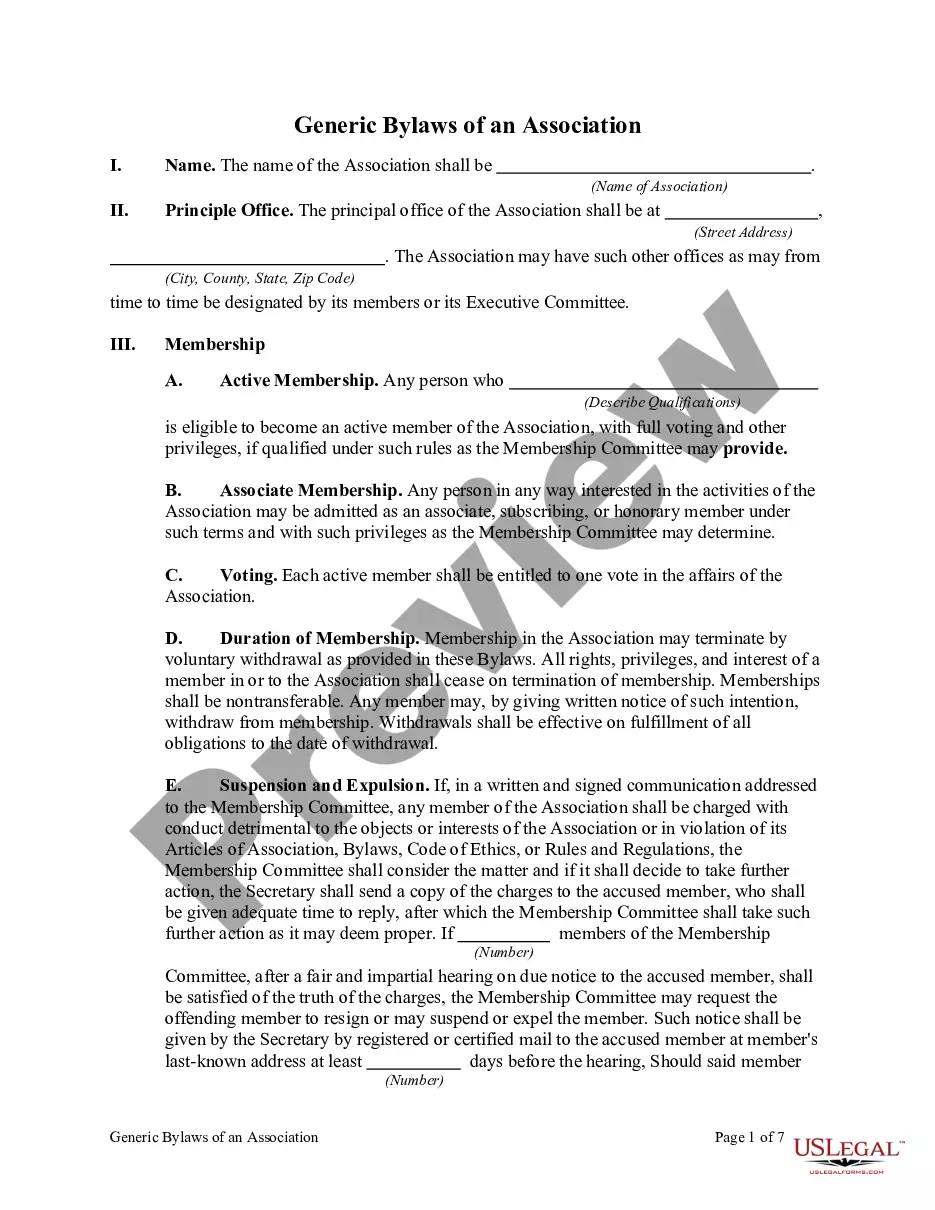

Get your form ready online
Our built-in tools help you complete, sign, share, and store your documents in one place.
Make edits, fill in missing information, and update formatting in US Legal Forms—just like you would in MS Word.
Download a copy, print it, send it by email, or mail it via USPS—whatever works best for your next step.
Sign and collect signatures with our SignNow integration. Send to multiple recipients, set reminders, and more. Go Premium to unlock E-Sign.
If this form requires notarization, complete it online through a secure video call—no need to meet a notary in person or wait for an appointment.
We protect your documents and personal data by following strict security and privacy standards.

Make edits, fill in missing information, and update formatting in US Legal Forms—just like you would in MS Word.

Download a copy, print it, send it by email, or mail it via USPS—whatever works best for your next step.

Sign and collect signatures with our SignNow integration. Send to multiple recipients, set reminders, and more. Go Premium to unlock E-Sign.

If this form requires notarization, complete it online through a secure video call—no need to meet a notary in person or wait for an appointment.

We protect your documents and personal data by following strict security and privacy standards.
Looking for another form?

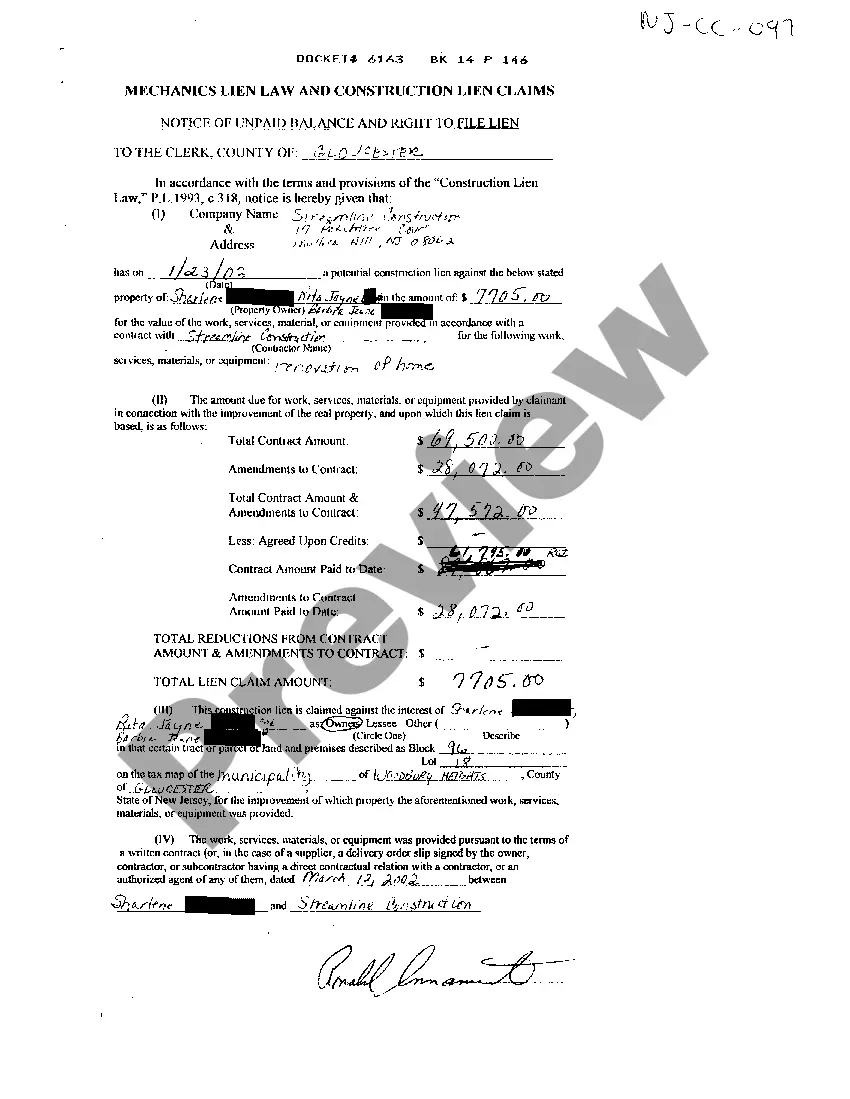

Form popularity
FAQ
How do I write Corporate Bylaws? Step 1: Select your corporation type. This is where you will list your company as a for-profit or a nonprofit. Step 2: Describe your incorporation status. Step 3: State your location. Step 4: Provide your corporation's registered name. Step 5: Outline shareholder meeting rules.
Under California's Building Code, you must obtain a permit before building a fence that will be over 6 feet tall unless the top 2 feet of the fence will be barbed wire. For a front yard fence, the maximum height is 42 inches. For a backyard fence, the maximum height is 72 inches.
There's also the fact that if you don't list the number of directors in your Articles of Incorporation, you're legally required to list that information in your bylaws (see California Corp Code § 212). The bottom line: corporate bylaws are not legally required, but they're pretty much essential for your corporation.
While the maximum height for fences in Santa Clara is 6 feet, there are several exceptions to this rule. These exceptions include: – Fences can be up to 8 feet if the fence is located in the rear yard of a residential property and is used to screen a recreational facility, pool, or hot tub.
Bylaws govern how your business entity will operate and are established by your board of directors. Unlike employee guidelines, bylaws pertain to board-level decisions and actions about the day-to-day running of the business.
For longer driveways, there shall be at least 100-feet of driveway at 15% or less gradient between each 300-foot section that exceeds 15%. The installation of gates or other barricades across driveways shall comply with Santa Clara County Fire Department's Standard G-1.
For single-family residential properties, fences are generally limited to three (3) feet in height in the required front yard or street. Behind the required front yards and corner street side yards, fences are generally limited to six (6) feet in height with one (1) foot of open/non-solid lattice material on top.
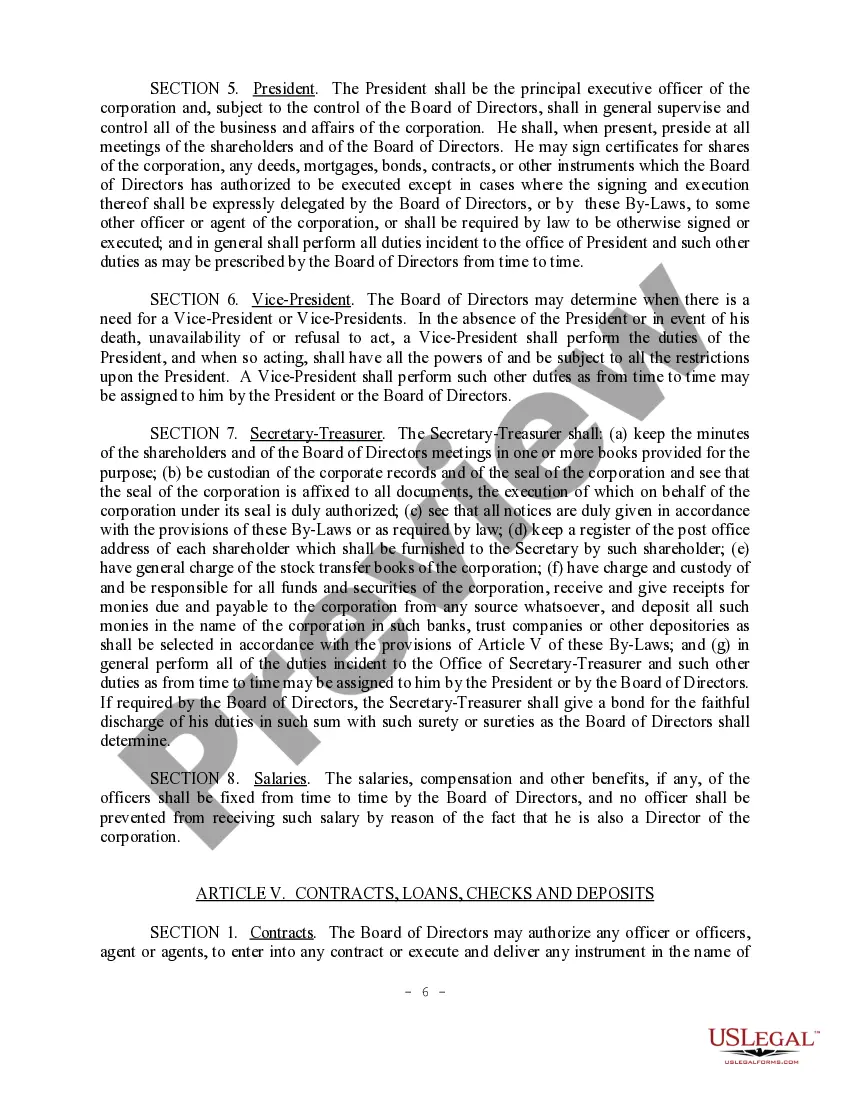
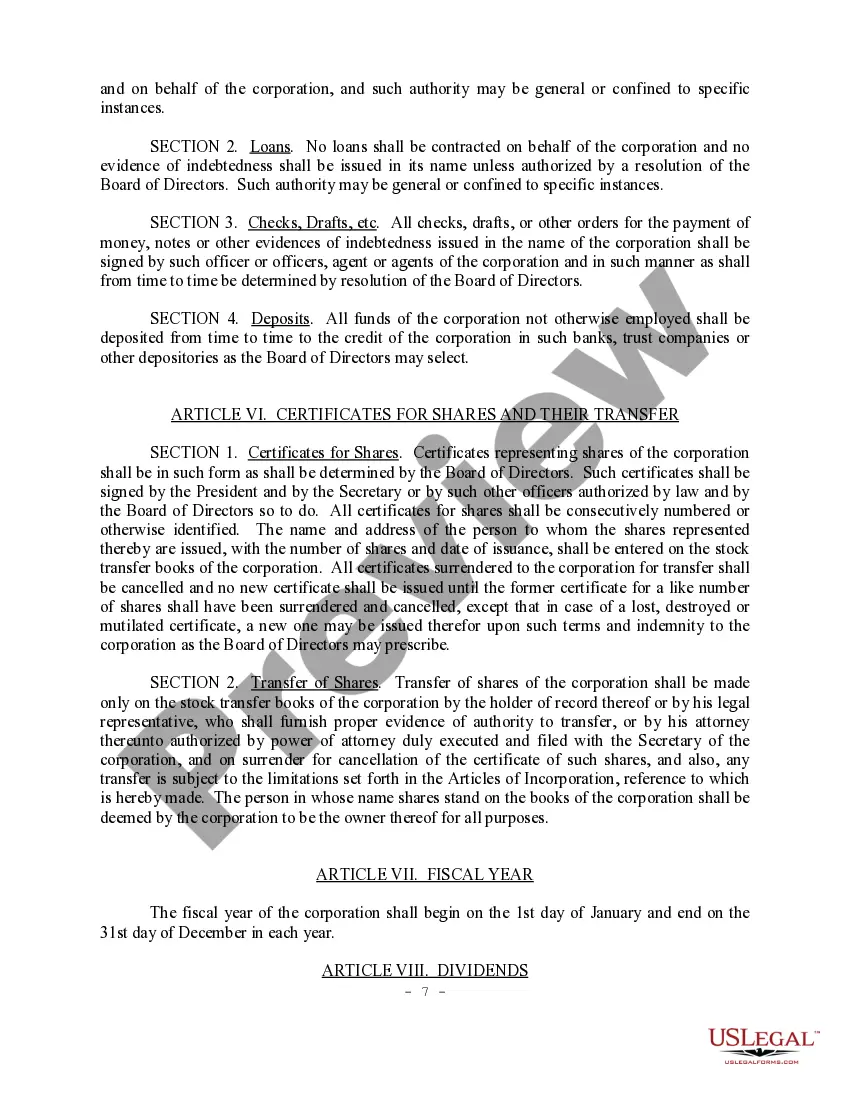
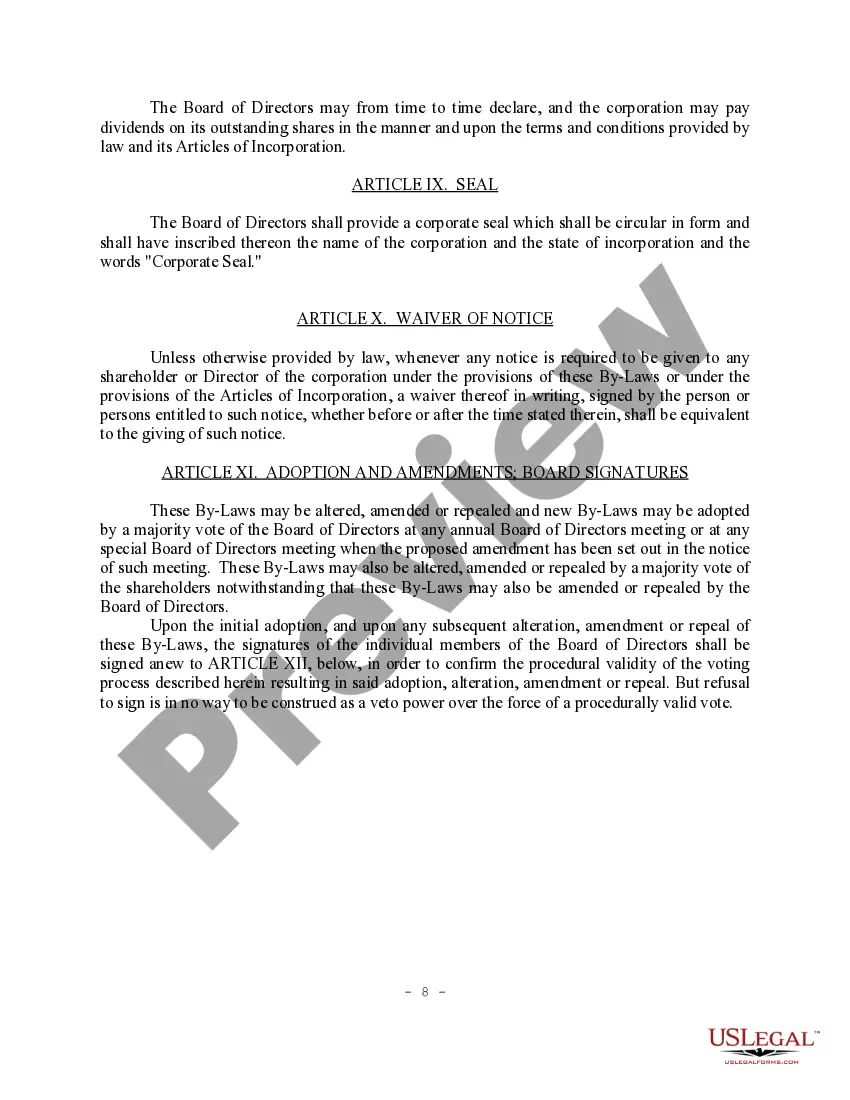
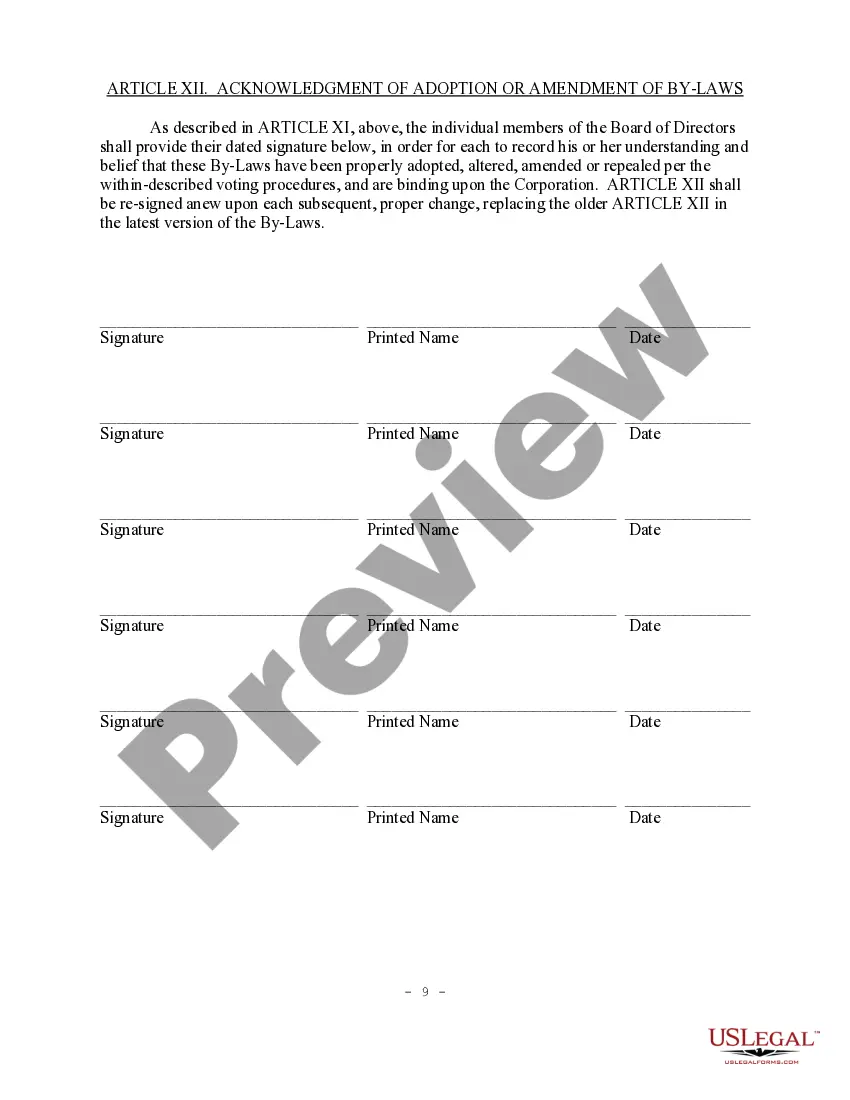
Corporate bylaws are a company's foundational governing document. They lay out how things should run day-to-day and the processes for making important decisions. They serve as a legal contract between the corporation and its shareholders, directors, and officers and set the protocol for how the organization operates.
California corporate bylaws are the agreed-upon rules for your corporation's operations. Bylaws create an organizational structure for your company and outline policies for appointing directors and officers, holding shareholder and board meetings, and handling conflicts of interest, among other issues.
Creating by-laws When incorporating under the Canada Not-for-profit Corporations Act (NFP Act), you have to create by-laws. They set out the rules for governing and operating the corporation. They can be modified at a later date as the needs of the corporation change.
