Nonprofit Bylaws Examples In Sacramento
Description


Get your form ready online
Our built-in tools help you complete, sign, share, and store your documents in one place.
Make edits, fill in missing information, and update formatting in US Legal Forms—just like you would in MS Word.
Download a copy, print it, send it by email, or mail it via USPS—whatever works best for your next step.
Sign and collect signatures with our SignNow integration. Send to multiple recipients, set reminders, and more. Go Premium to unlock E-Sign.
If this form requires notarization, complete it online through a secure video call—no need to meet a notary in person or wait for an appointment.
We protect your documents and personal data by following strict security and privacy standards.

Make edits, fill in missing information, and update formatting in US Legal Forms—just like you would in MS Word.

Download a copy, print it, send it by email, or mail it via USPS—whatever works best for your next step.

Sign and collect signatures with our SignNow integration. Send to multiple recipients, set reminders, and more. Go Premium to unlock E-Sign.

If this form requires notarization, complete it online through a secure video call—no need to meet a notary in person or wait for an appointment.

We protect your documents and personal data by following strict security and privacy standards.
Looking for another form?







Form popularity
FAQ
Most nonprofits are 501(c)(3) organizations, which means they are formed for religious, charitable, scientific, literary, or educational purposes and are eligible for federal and state tax exemptions.
In other words, nonprofit and religious organizations, in general, are treated just like other California sellers and buyers for sales and use tax purposes. Nonprofit organizations generally need a seller's permit if they make sales of goods or merchandise in California. This is true even if the sales are not taxable.
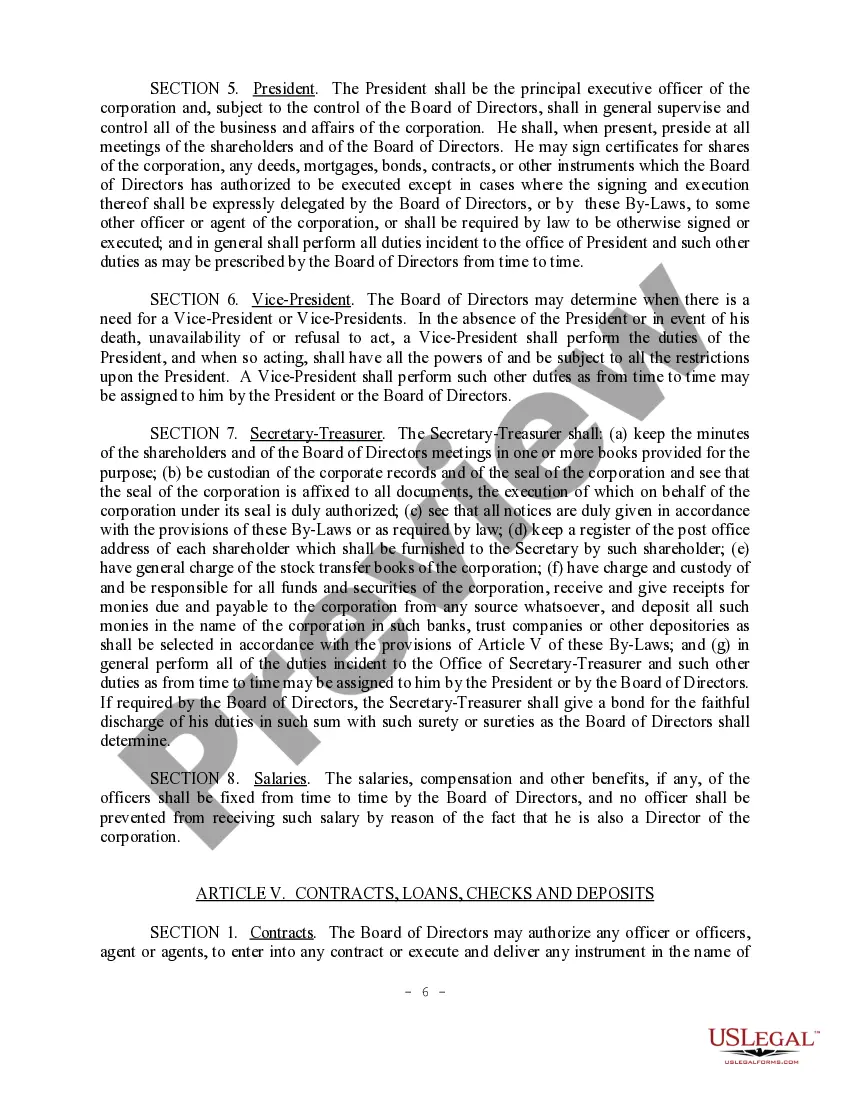
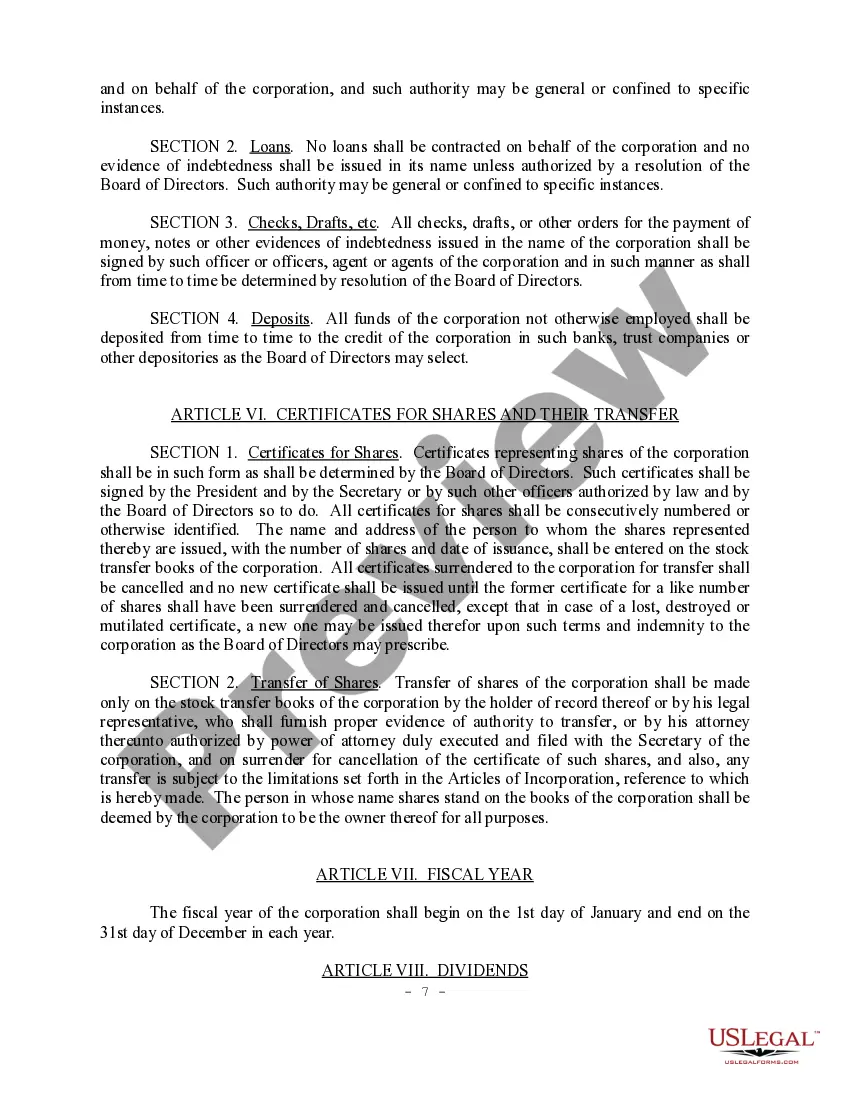
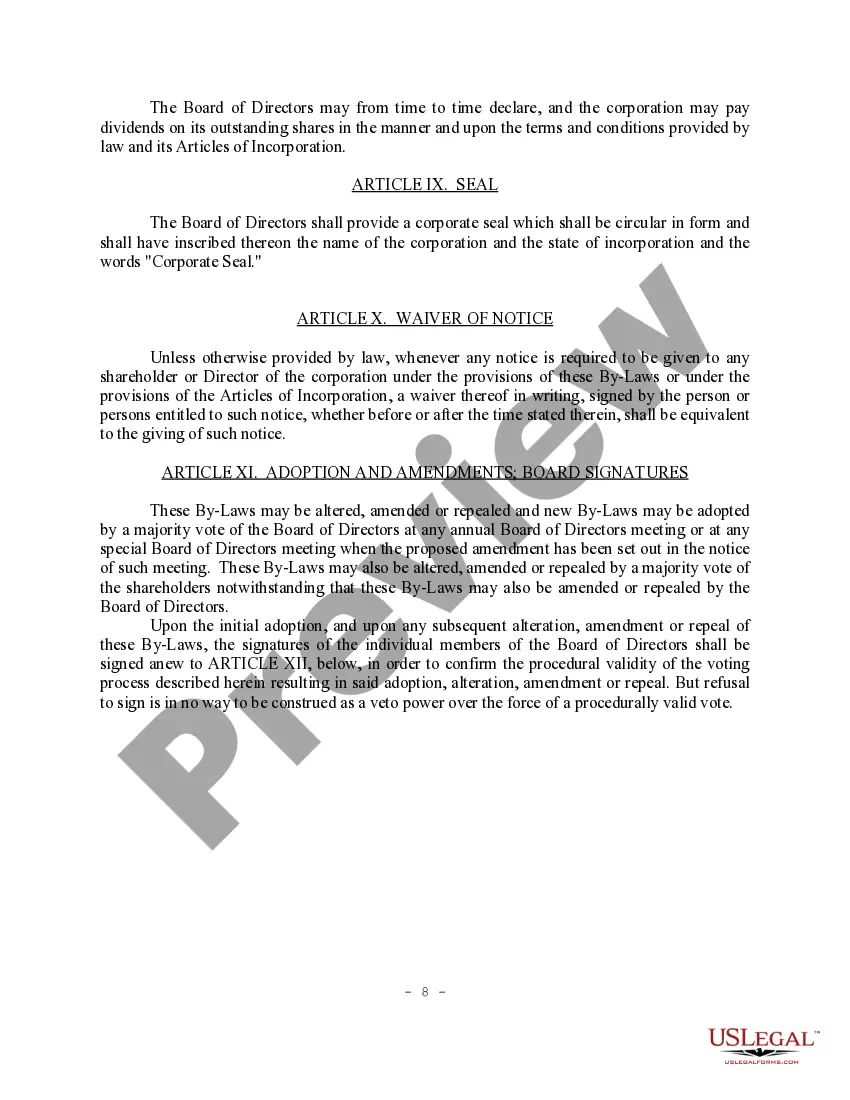
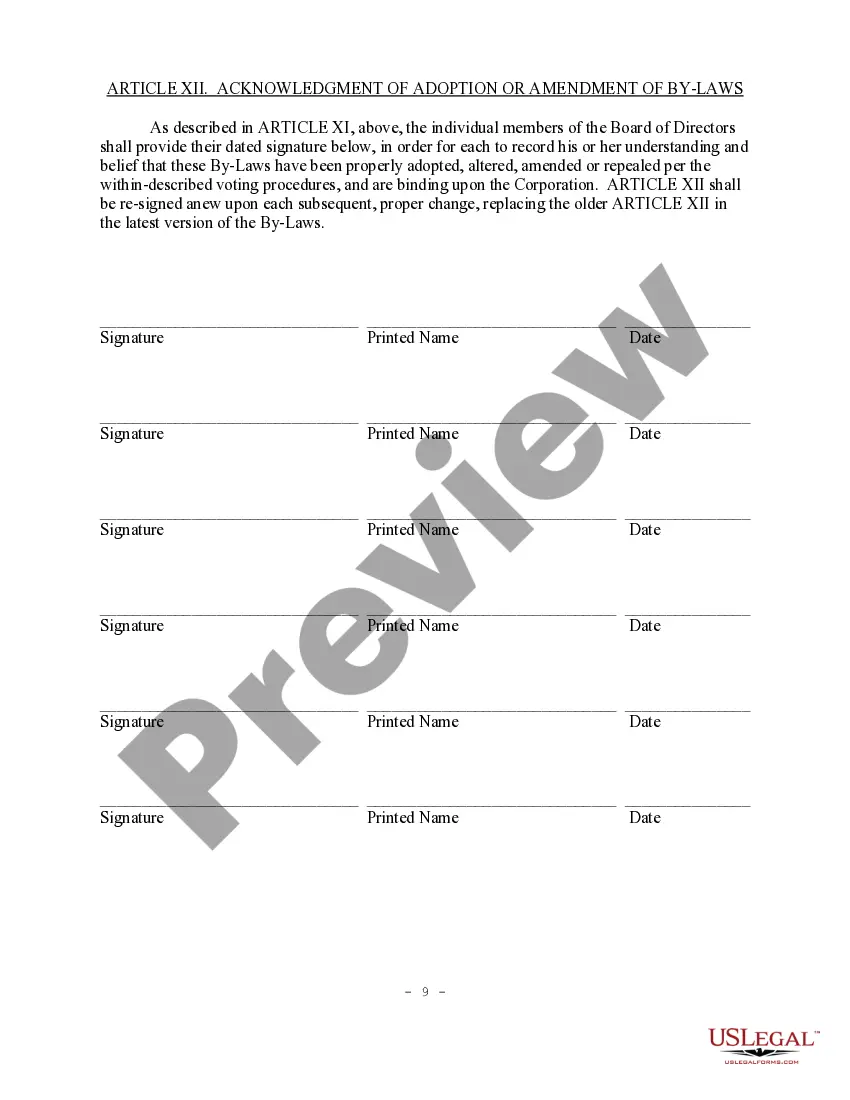
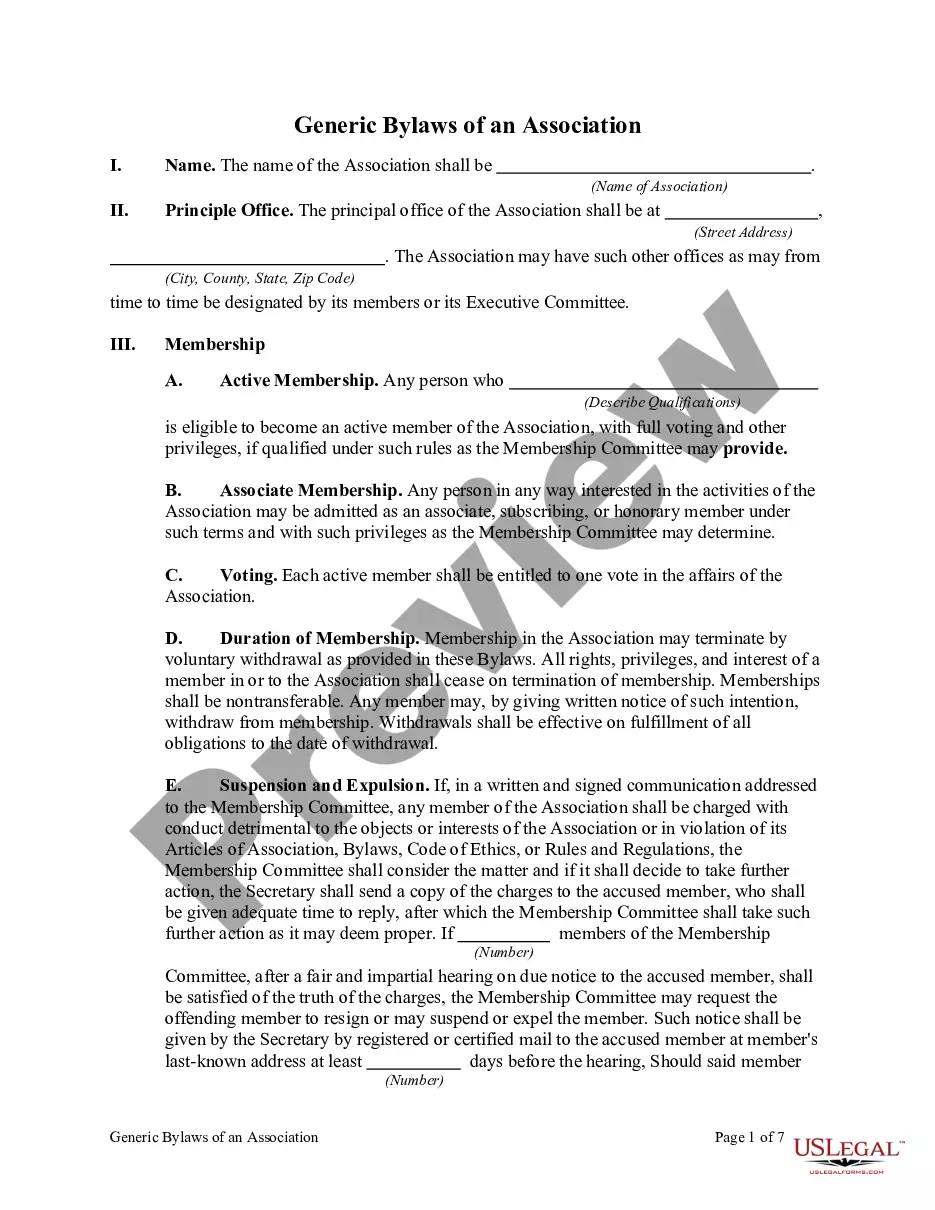
Although organizations don't need to file these bylaws with the state, California law requires that the treasurer or other designated member of the organization maintains a copy on file.
All California businesses, including tax-exempt organizations, must apply for a business license to legally operate within the state.
Code § 5510. A California nonprofit corporation must have: 1) either a chairperson of the board or a president or both; 2) a secretary; and 3) a treasurer or a chief financial officer or both.
How to Start a Nonprofit in California Name Your Organization. Choose a California nonprofit corporation structure. Recruit Incorporators and Initial Directors. Appoint a Registered Agent. Prepare and File Articles of Incorporation. File Initial Report. Obtain an Employer Identification Number (EIN) ... Store Nonprofit Records.
Code § 5510. A California nonprofit corporation must have: 1) either a chairperson of the board or a president or both; 2) a secretary; and 3) a treasurer or a chief financial officer or both.
§ 460/4 | Effective Jan. 1, 2024, a charitable organization with annual contributions more than $500,000 must file an audited financial statement prepared by an independent CPA. A charitable organization with contributions between $300,000 and $500,000 must file a financial statement with the Attorney General.
Unless the nonprofit is a governmental entity, there is no obligation to open board meetings to the public.
How To Start a Nonprofit in California: Step-by-Step Guide Name Your Organization. Select Your Corporate Structure. Appoint Your Board of Directors. Appoint a Registered Agent. File California Articles of Incorporation. File Initial Report. Apply for an Employer Identification Number (EIN) Establish Nonprofit Bylaws.
