Hoa Bylaws Template With Formulas In Pima
Description

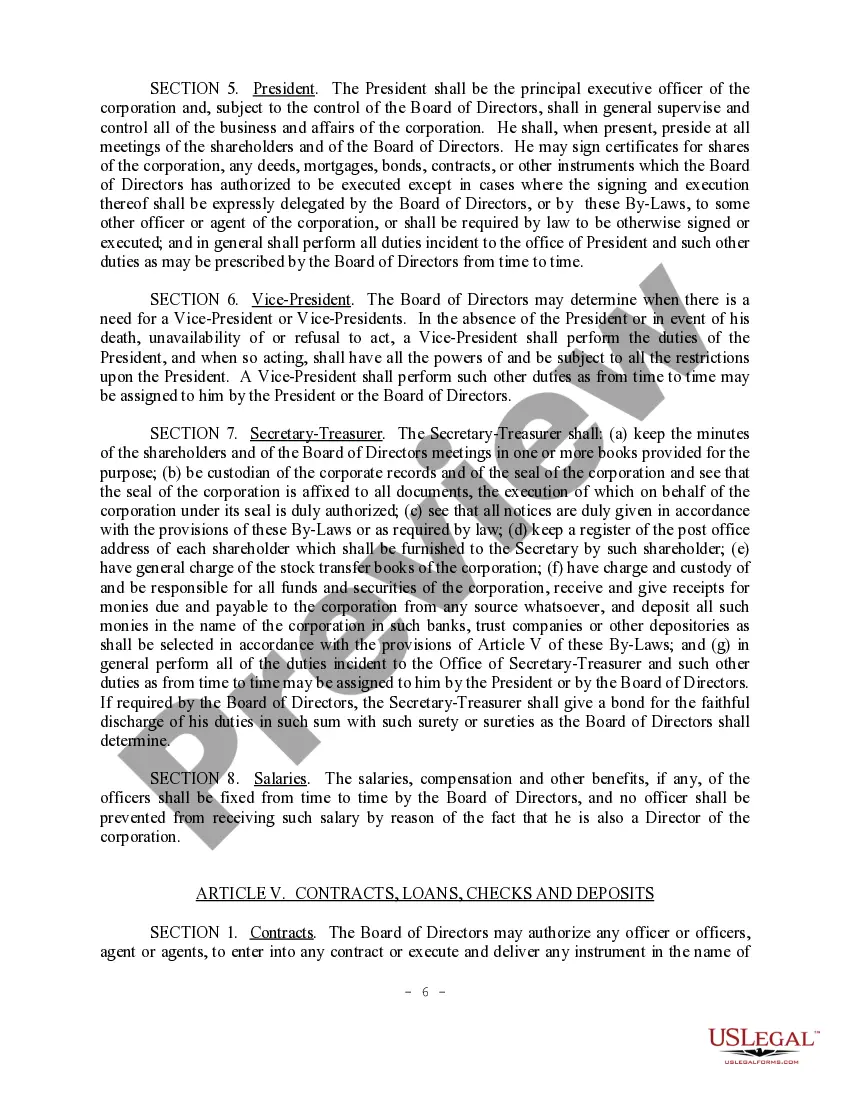
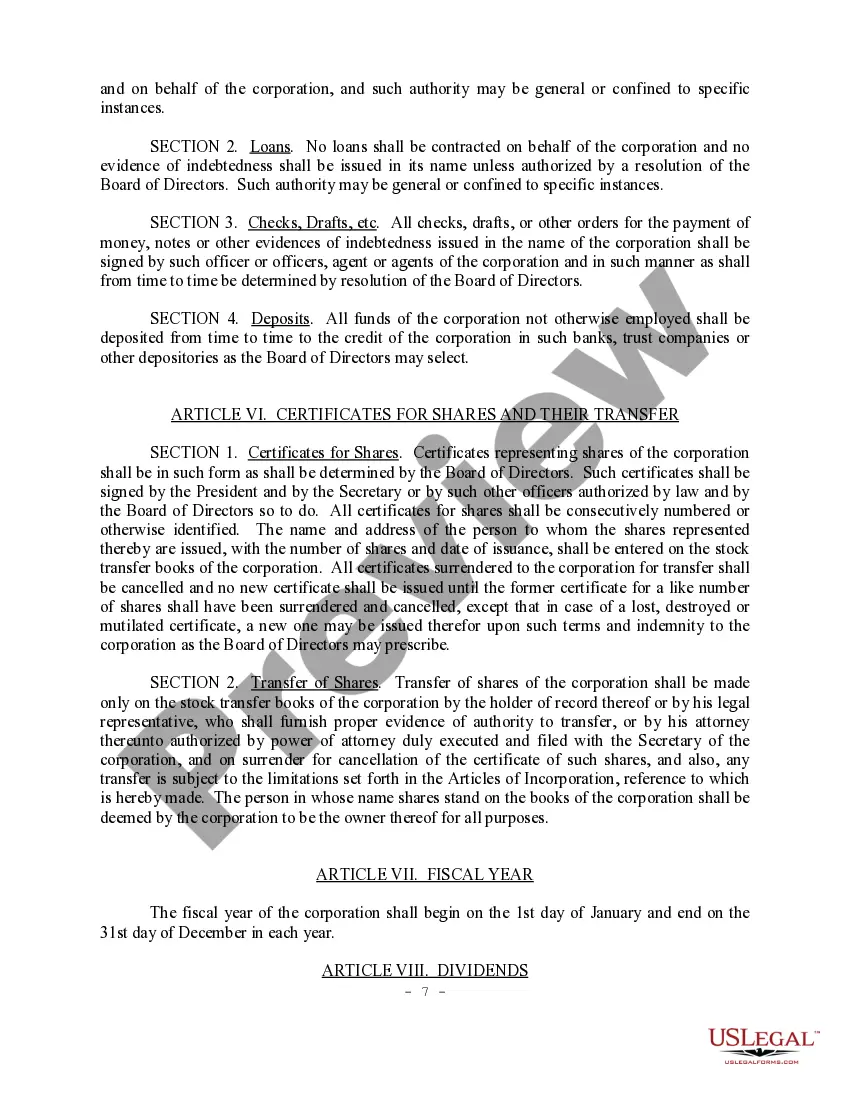
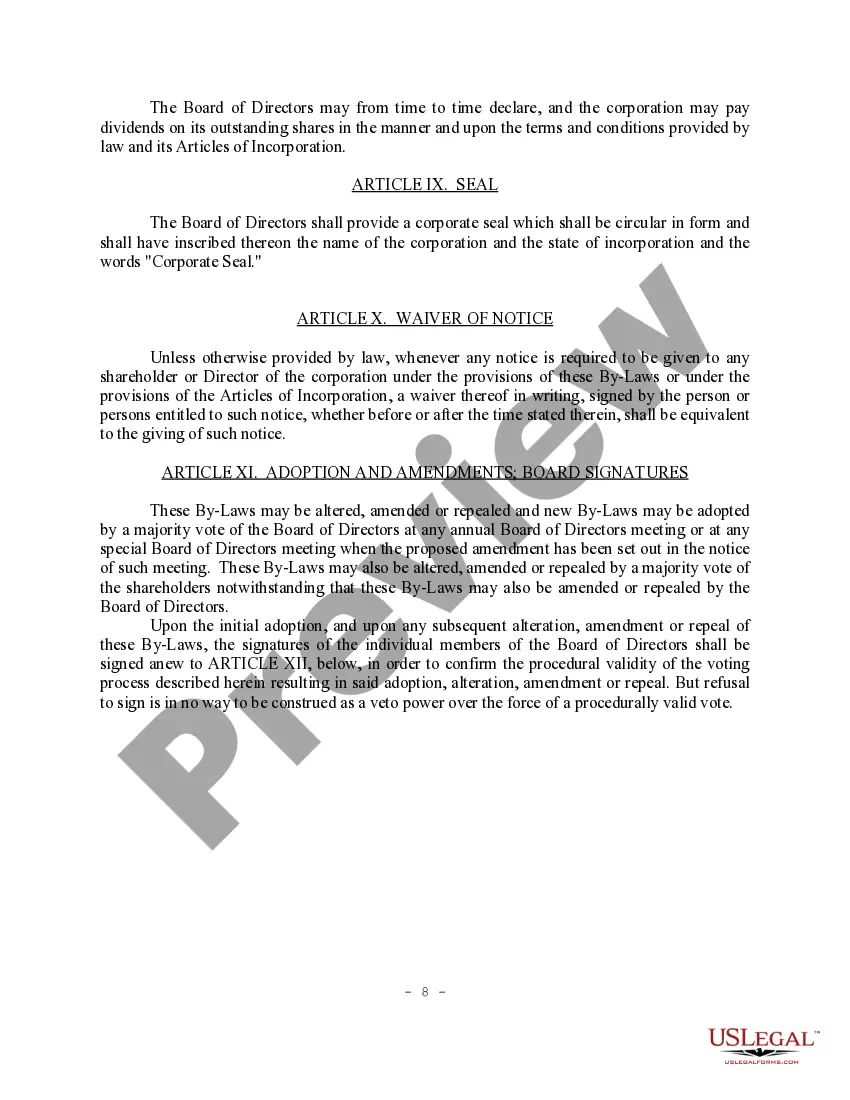
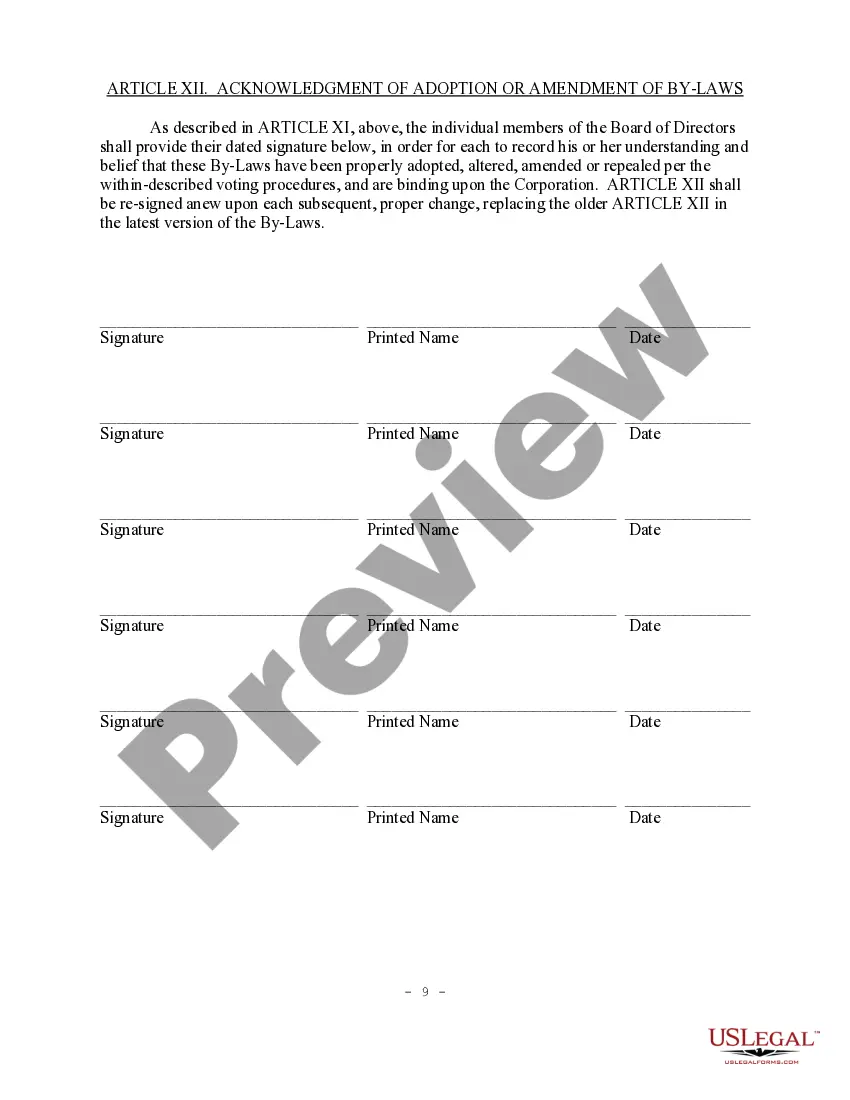
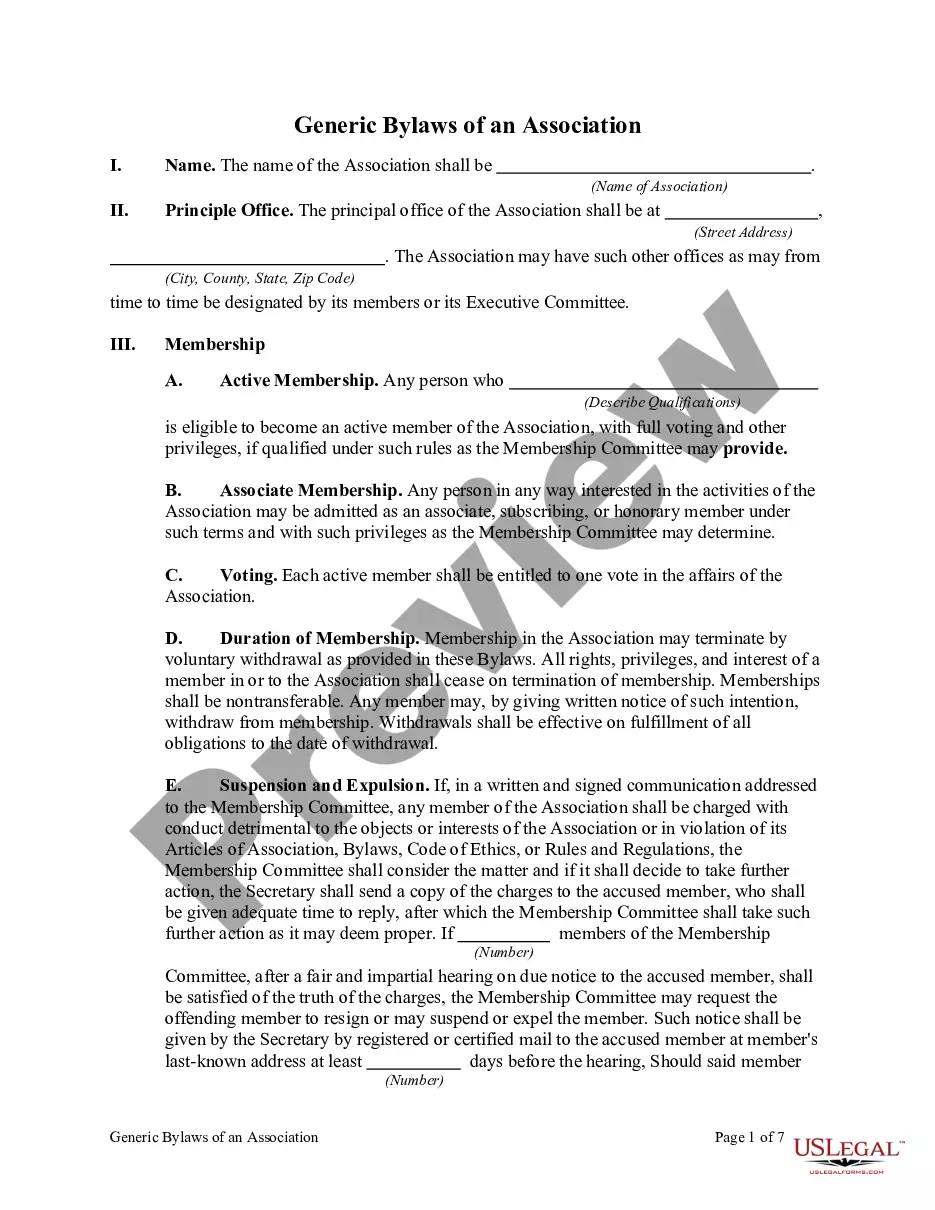
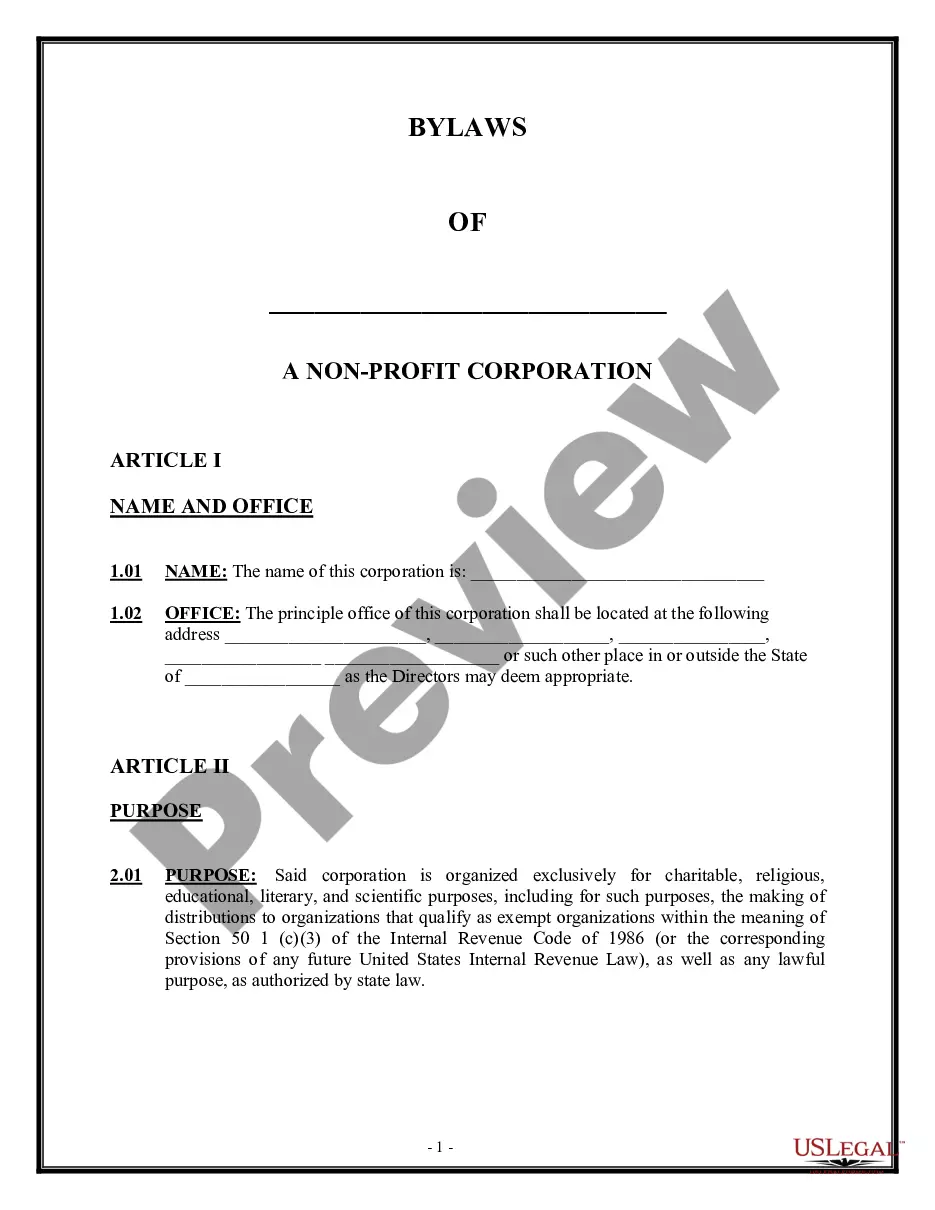
Get your form ready online
Our built-in tools help you complete, sign, share, and store your documents in one place.
Make edits, fill in missing information, and update formatting in US Legal Forms—just like you would in MS Word.
Download a copy, print it, send it by email, or mail it via USPS—whatever works best for your next step.
Sign and collect signatures with our SignNow integration. Send to multiple recipients, set reminders, and more. Go Premium to unlock E-Sign.
If this form requires notarization, complete it online through a secure video call—no need to meet a notary in person or wait for an appointment.
We protect your documents and personal data by following strict security and privacy standards.

Make edits, fill in missing information, and update formatting in US Legal Forms—just like you would in MS Word.

Download a copy, print it, send it by email, or mail it via USPS—whatever works best for your next step.

Sign and collect signatures with our SignNow integration. Send to multiple recipients, set reminders, and more. Go Premium to unlock E-Sign.

If this form requires notarization, complete it online through a secure video call—no need to meet a notary in person or wait for an appointment.

We protect your documents and personal data by following strict security and privacy standards.
Looking for another form?








Form popularity
FAQ
You will need to have the agreement of at least 80% of the HOA members. Unless the HOA is doing an extremely poor management job, this will be difficult, since the other homeowners chose to buy in that neighborhood. Because the HOA was created through legal documents, dissolving it will also be a legal process.
Here are some of the documents you can ask for as a homeowner: CC&Rs: The covenants, conditions and restrictions (CC&Rs) outline the rules and regulations of the community. Bylaws: The bylaws establish operational procedures for the HOA, like voting rights, elections, meetings, powers of the board, and more.
A planned community association or inium unit owners' association (HOA) is a common interest organization to which all the. owners of lots in a planned community or owners of units in a. inium must belong. The four defining characteristics of all.
The Homeowners Association Dispute Process is administered by the Arizona Department of Real Estate, which has the statutory jurisdiction to hear issues between residents and homeowner or inium associations.
An HOA does not have the power to evict homeowners from their homes. However, an HOA can take legal action against a homeowner who violates the community's bylaws or CC&Rs (Covenants, Conditions, and Restrictions), which can result in fines or in extreme cases, foreclosure.
In Arizona, a HOA can foreclose on a homeowner's home for unpaid liens if the homeowner has been behind in payment for at least a year or the cumulative late fines exceed $1,200 (not counting late fees, collection fees, or attorney expenses).
How to Seek Legal Action Consultation with an Attorney: Start by scheduling a consultation with an experienced Arizona HOA lawyer. Letter of Demand: In many cases, a letter of demand from your attorney to the HOA may lead to a resolution without going to court.
GOVERNMENT AGENCIES Arizona Department of Real Estate - The Department is responsible for real estate professionals' licensure, education, and discipline, including community managers and property management companies. The Department also administers the Homeowners Association Dispute Process.
The Homeowners Association Dispute Process is administered by the Arizona Department of Real Estate, which has the statutory jurisdiction to hear issues between residents and homeowner or inium associations.
