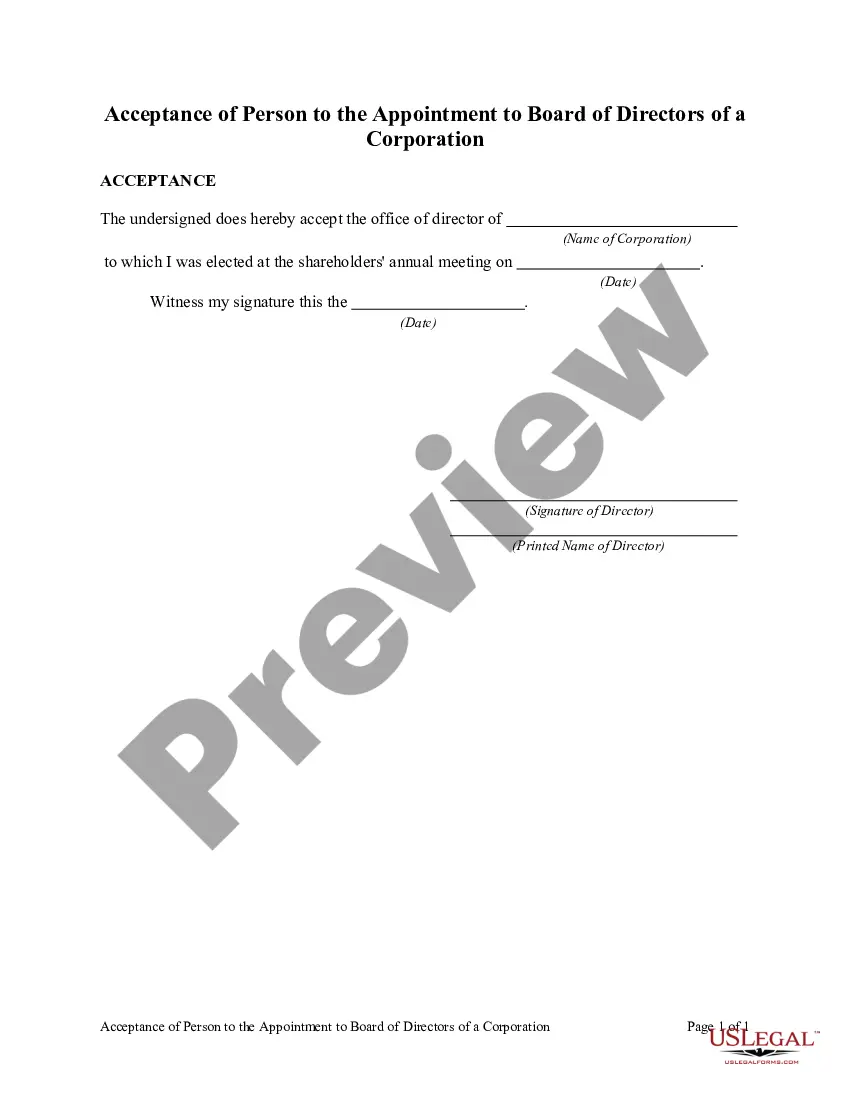
Hoa Bylaws Template For Regulations In Orange
Description

Get your form ready online
Our built-in tools help you complete, sign, share, and store your documents in one place.
Make edits, fill in missing information, and update formatting in US Legal Forms—just like you would in MS Word.
Download a copy, print it, send it by email, or mail it via USPS—whatever works best for your next step.
Sign and collect signatures with our SignNow integration. Send to multiple recipients, set reminders, and more. Go Premium to unlock E-Sign.
If this form requires notarization, complete it online through a secure video call—no need to meet a notary in person or wait for an appointment.
We protect your documents and personal data by following strict security and privacy standards.

Make edits, fill in missing information, and update formatting in US Legal Forms—just like you would in MS Word.

Download a copy, print it, send it by email, or mail it via USPS—whatever works best for your next step.

Sign and collect signatures with our SignNow integration. Send to multiple recipients, set reminders, and more. Go Premium to unlock E-Sign.

If this form requires notarization, complete it online through a secure video call—no need to meet a notary in person or wait for an appointment.

We protect your documents and personal data by following strict security and privacy standards.
Looking for another form?









Form popularity
FAQ
An HOA's governing documents are usually in the form of a Declaration of Covenants, Conditions, and Restrictions (CC&Rs) and bylaws. The CC&Rs explain the rules of the HOA community, while the bylaws cover how the HOA operates.
The only way to force an HOA to enforce the rules is file for arbitration against the HOA or gain support from neighbors and recall the board. There is no FL government sector that watches over HOAs.
Bylaws state when the meetings of the association are held. Standing rules tell where and what time association meetings are held, and when executive board meetings are held. Bylaws give the primary responsibilities of officers and chairmen. Standing rules give the specifics.
Like CC&Rs, Bylaws are difficult to change, as they too require a vote by the membership to amend. Your community's Rules & Regulations are a catch-all for the things that aren't covered in the Bylaws or CC&Rs.
Once you buy a home that's part of an HOA, you automatically become a member of the HOA. HOA rules are legally binding, and you must adhere to all rules and regulations in the governing document. Yes, there are bylaws that you may not like, but there are no HOA loopholes.
Exploring the Public Record Status of HOA Bylaws In some states, such as California, HOA bylaws are considered public record and must be made available upon request.
In 2024, the California legislature passed an amendment that allowed online elections to be held within HOAs. It recognized that this could open the door to digital vote manipulation within the HOA's management, though, so the state mandated that each HOA election needed to have an independent inspector of elections.