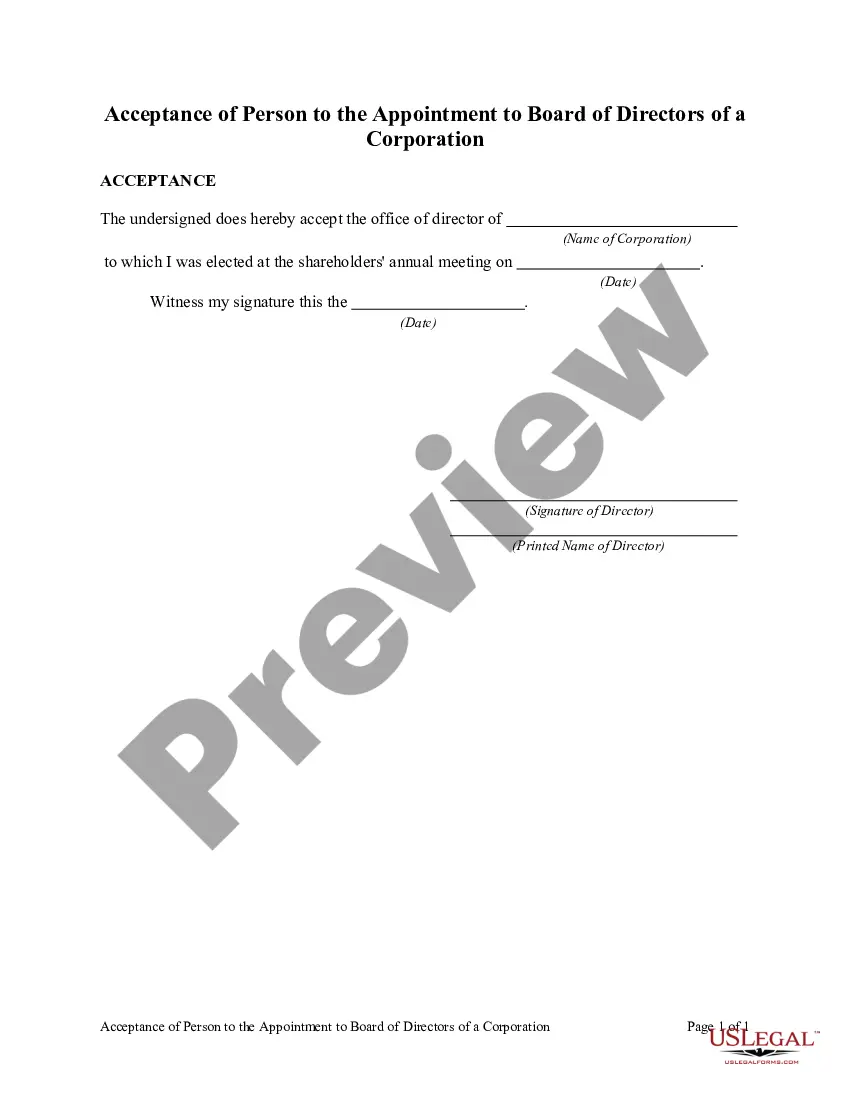
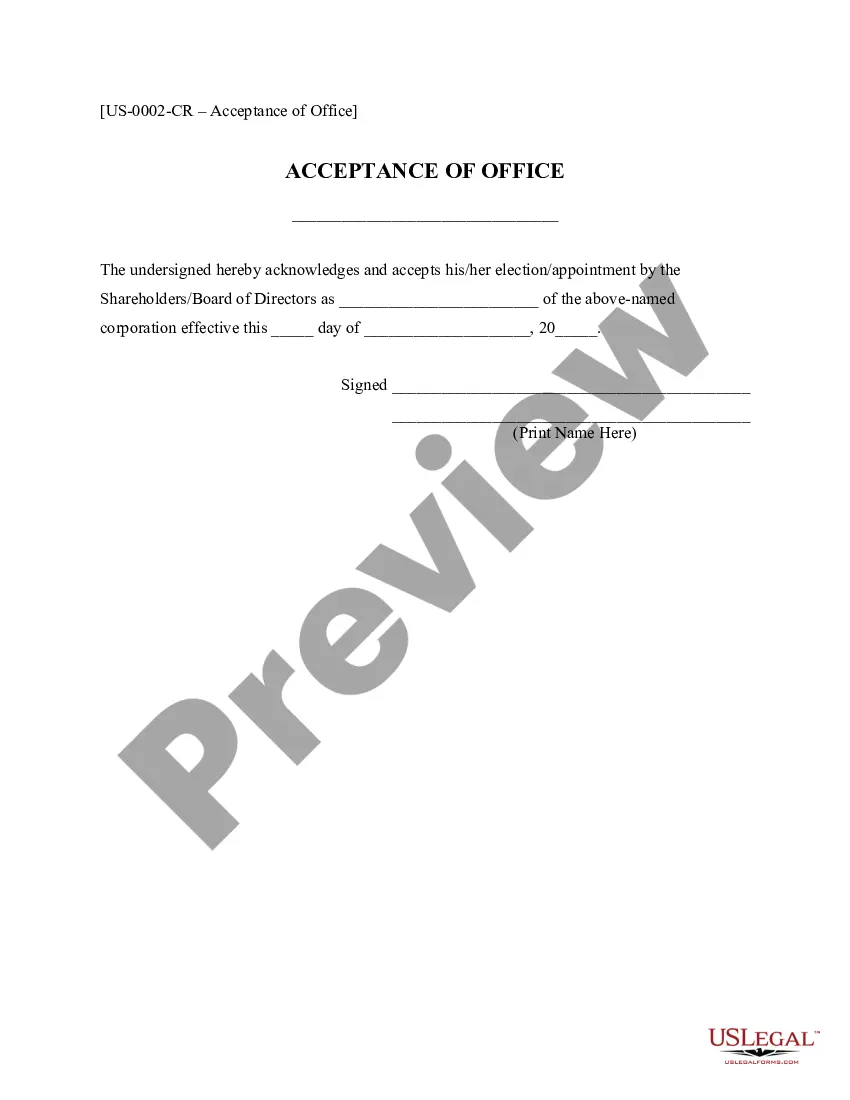
Director Appointment In Egm In King
Description


Get your form ready online
Our built-in tools help you complete, sign, share, and store your documents in one place.
Make edits, fill in missing information, and update formatting in US Legal Forms—just like you would in MS Word.
Download a copy, print it, send it by email, or mail it via USPS—whatever works best for your next step.
Sign and collect signatures with our SignNow integration. Send to multiple recipients, set reminders, and more. Go Premium to unlock E-Sign.
If this form requires notarization, complete it online through a secure video call—no need to meet a notary in person or wait for an appointment.
We protect your documents and personal data by following strict security and privacy standards.

Make edits, fill in missing information, and update formatting in US Legal Forms—just like you would in MS Word.

Download a copy, print it, send it by email, or mail it via USPS—whatever works best for your next step.

Sign and collect signatures with our SignNow integration. Send to multiple recipients, set reminders, and more. Go Premium to unlock E-Sign.

If this form requires notarization, complete it online through a secure video call—no need to meet a notary in person or wait for an appointment.

We protect your documents and personal data by following strict security and privacy standards.
Looking for another form?










Form popularity
FAQ
An EGM can be called only for a special agenda or a situation of crisis requiring urgent attention of the members, while an AGM can be called for ordinary or special business. An EGM can be held at a national holiday and outside of business hours, which is not the case with an AGM.
Notice requirements for an EGM The date, time and place of the meeting. The agenda. A proxy form. A company nominee form. Voting papers for all open and secret ballot motions. Any explanatory schedules or materials required.
Conduct general meeting If the company decides to appoint a director in the middle of the year, it may appoint a director by passing a resolution in an Extraordinary General Meeting (EGM). In such a case, a company must conduct a board meeting to pass a resolution for conducting an Extraordinary General Meeting (EGM).
The primary purpose of an EGM is to make decisions on matters of significant importance to the company and its shareholders. These matters may include: Amendments to the company's articles of association. Approval of major transactions, such as mergers or acquisitions.
Procedure for Director Appointment or Addition in a Company Step 1: Reviewing the Articles of Association (AOA) ... Step 2: Resolution at a General Meeting. Step 3: Application for DIN and DSC. Step 4: Obtaining Director's Consent (Form DIR-2) ... Step 5: Issuing the Letter of Appointment. Step 6: Regulatory Filings with the ROC.
Step 3: Conducting the EGM: During the EGM, the chairperson reads the resolutions and proposes them for approval. Shareholders participate in voting to decide the outcome of each resolution. The chairperson addresses questions, oversees the voting process, and announces the results.
Lastly, for the appointment of an executive director, a company must file an e- Form DIR-12 (a public company must file an e- Form MR1) within sixty days of the executive director's appointment.
Usually, the EGM is conducted by the chairman who reads out the resolutions, addresses the questions and concerns of the members, oversees the voting, and declares the results.