Hoa Rules For Solar Panels In Ohio
Description











Get your form ready online
Our built-in tools help you complete, sign, share, and store your documents in one place.
Make edits, fill in missing information, and update formatting in US Legal Forms—just like you would in MS Word.
Download a copy, print it, send it by email, or mail it via USPS—whatever works best for your next step.
Sign and collect signatures with our SignNow integration. Send to multiple recipients, set reminders, and more. Go Premium to unlock E-Sign.
If this form requires notarization, complete it online through a secure video call—no need to meet a notary in person or wait for an appointment.
We protect your documents and personal data by following strict security and privacy standards.

Make edits, fill in missing information, and update formatting in US Legal Forms—just like you would in MS Word.

Download a copy, print it, send it by email, or mail it via USPS—whatever works best for your next step.

Sign and collect signatures with our SignNow integration. Send to multiple recipients, set reminders, and more. Go Premium to unlock E-Sign.

If this form requires notarization, complete it online through a secure video call—no need to meet a notary in person or wait for an appointment.

We protect your documents and personal data by following strict security and privacy standards.
Looking for another form?
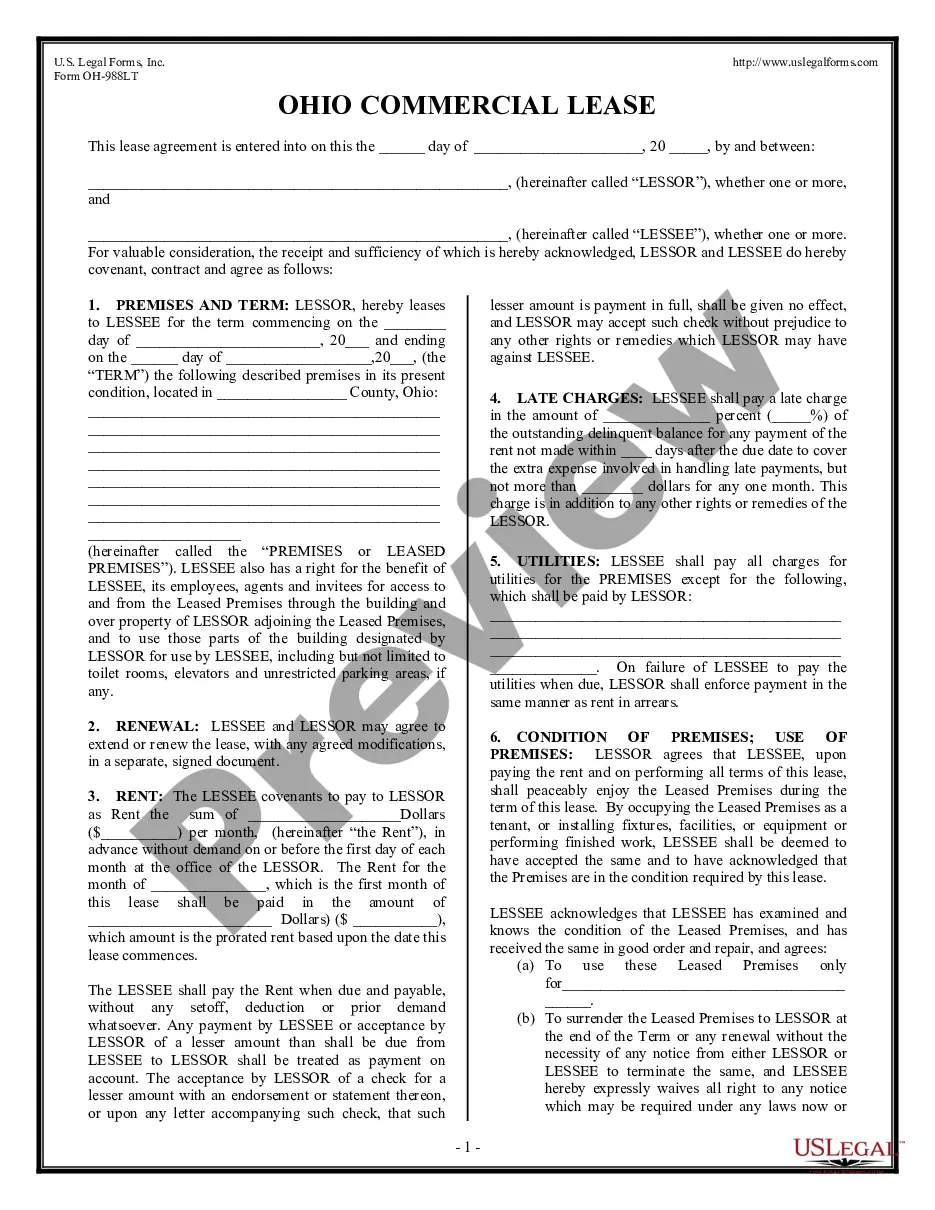




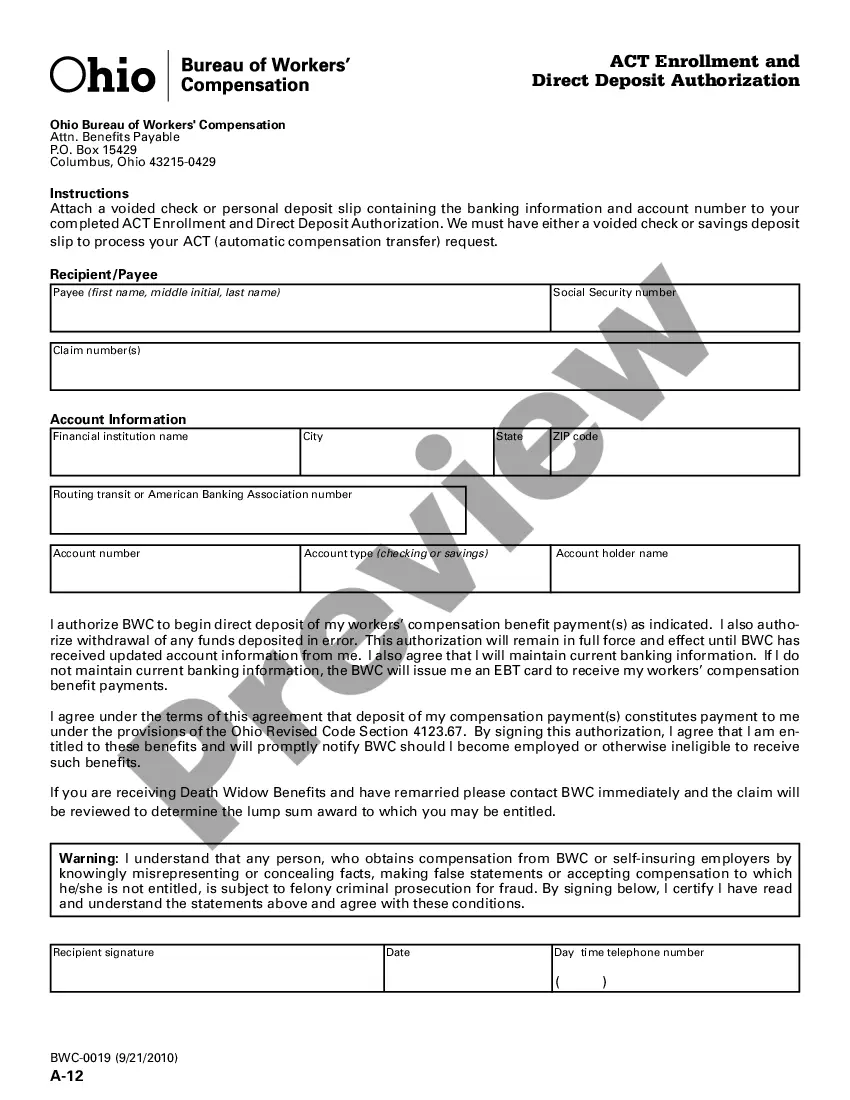




Form popularity
FAQ
Homeowners can typically access their association's rules and regulations through a request to the HOA board. All governing documents, including bylaws and covenants, should be made available to members. Documentation might also be obtained via the Ohio Secretary of State.
When Don't I Need A Permit? Repair and replacement of windows (as long as they're the same size and same type) Roof coverings (no more than two layers of roofing material) Gutters and downspouts (includes valleys, flashings, soffits, fascia and associated trim work) Siding replacement. Flagpoles.
Thus, with regard to its organizational structure and general management, an association is subject to the authority of the Ohio Secretary of State. To the extent an HOA's activities implicate any consumer protection statutes, the HOA is subject to the enforcement power of the Ohio Attorney General.
Going solar pays off in Ohio. That's why over 29,000 Ohio homeowners have used EnergySage to receive and compare quotes for solar installations. You can expect to earn back your initial solar investment through electricity savings in about 7.97 years, while most systems last at least 25 years.
Solar installations are defined as an exterior alteration under the general building permitting system, and as such require a building permit. Both commercial and residential installations (rooftop and ground mounted systems) require zoning review and permits.
Ohio Senate Bill 61, signed into law in 2022, prevents HOAs from restricting homeowners' ability to go solar. The bill makes solar more accessible for homeowners living in HOAs that want to go solar.
Generally, local governments require a homeowner's solar installer/contractor to obtain a permit for rooftop panels before they can be installed. After the PV system is installed, a professional from the local government will inspect the new array to ensure all building, electrical, and safety codes have been followed.
Unreasonable Rooftop Solar Limits Restricted in Ohio HOAs can place reasonable restrictions on size, location, and method of solar installation. Additionally, HOAs can still ban solar installations through the HOA declaration. The declaration requires a 75% vote of all homeowners to modify, unless otherwise specified.
Homeowners Associations (HOAs) have the right to create and enforce architectural guidelines for the houses in their community. But in Arizona, an HOA can't ban solar panels. They can, however, implement restrictions.
Going solar pays off in Ohio. That's why over 29,000 Ohio homeowners have used EnergySage to receive and compare quotes for solar installations. You can expect to earn back your initial solar investment through electricity savings in about 7.97 years, while most systems last at least 25 years.
