Hoa By Bylaws In Ohio
Description

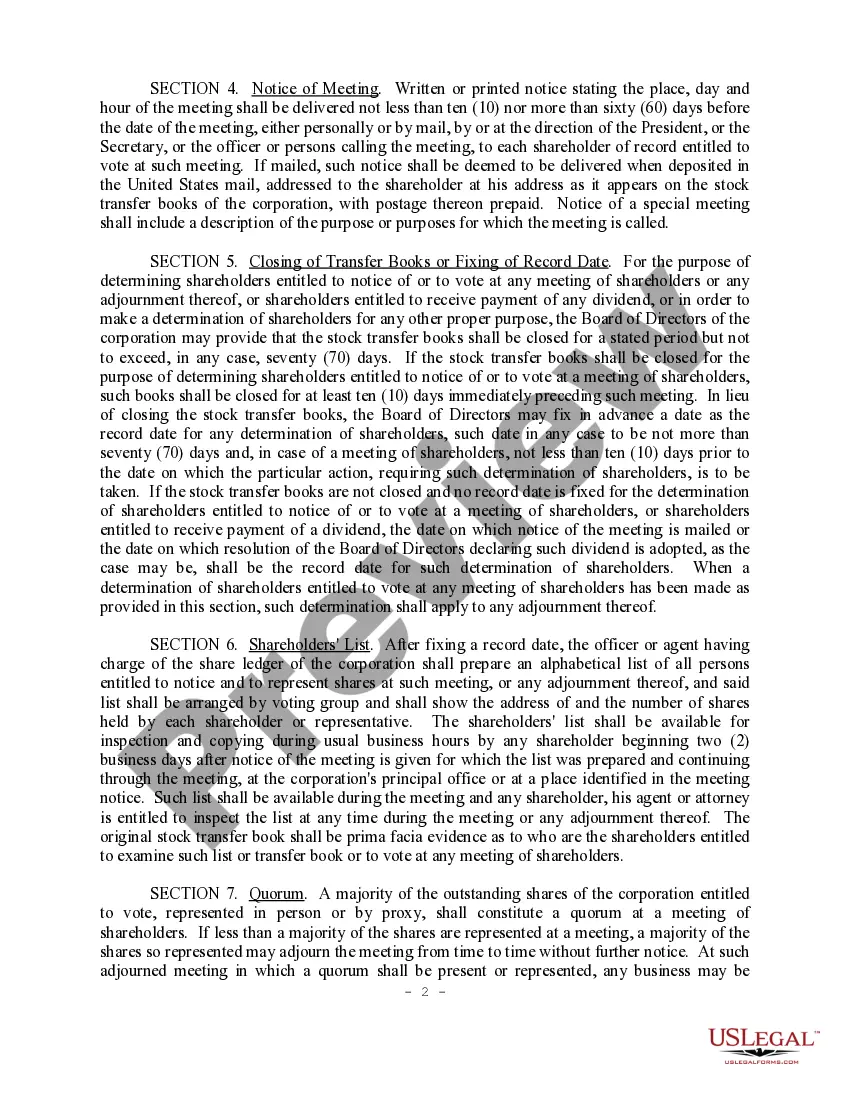
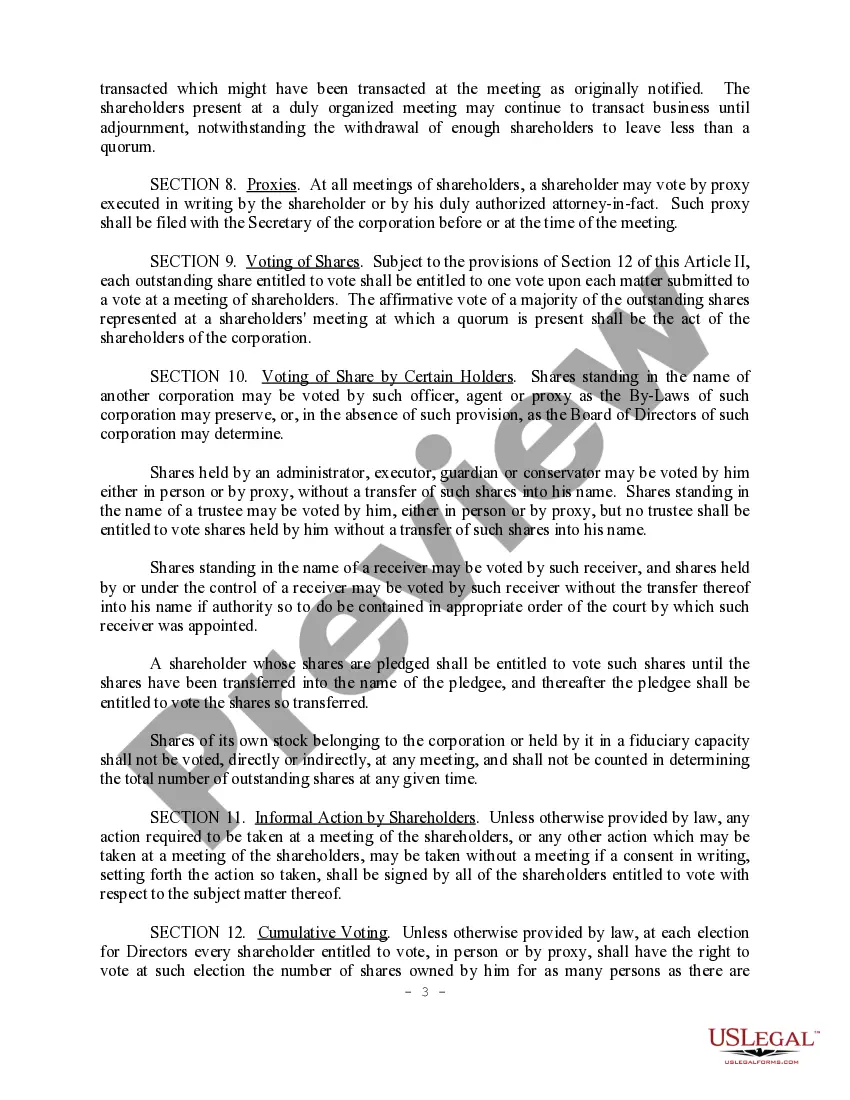
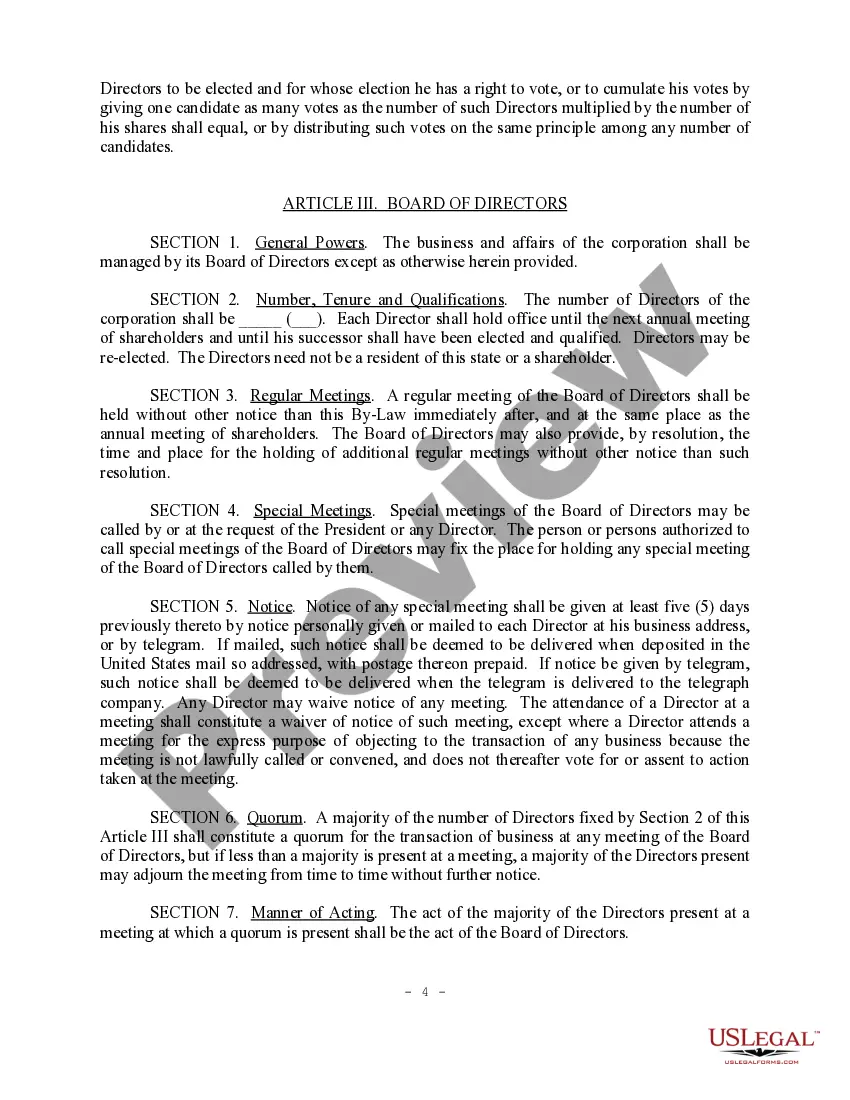
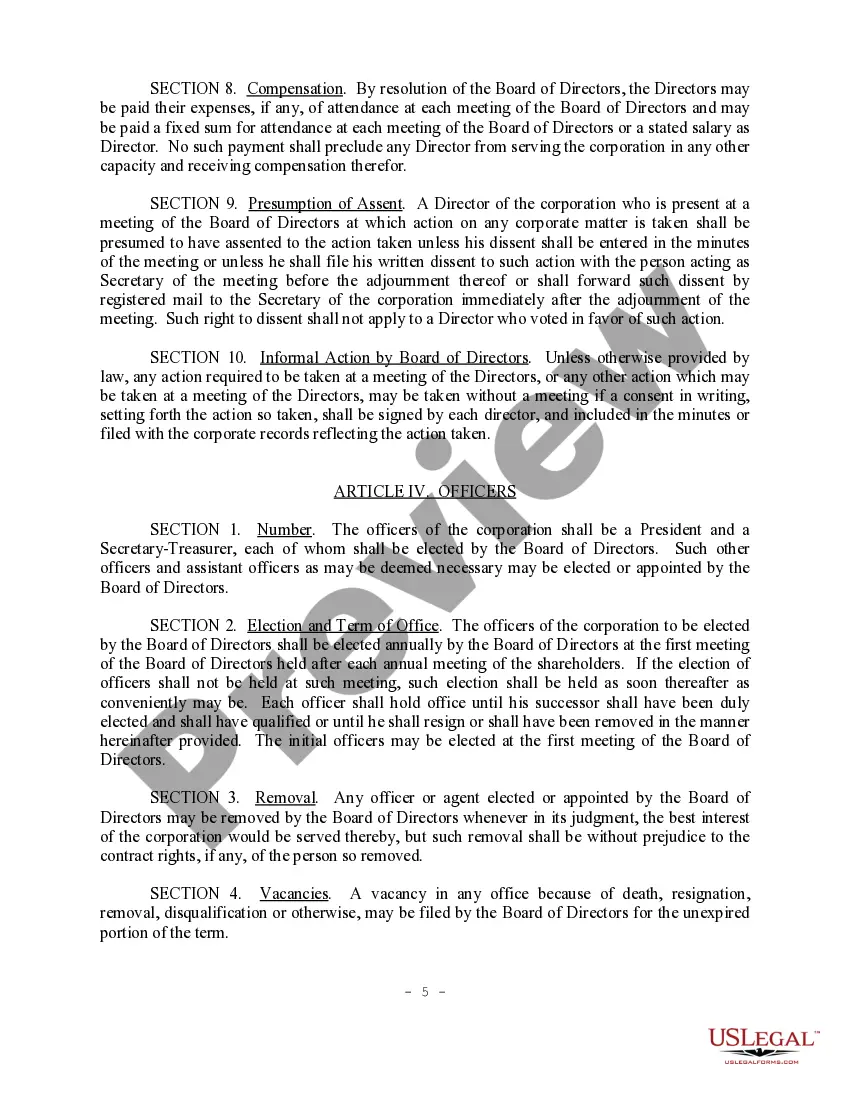
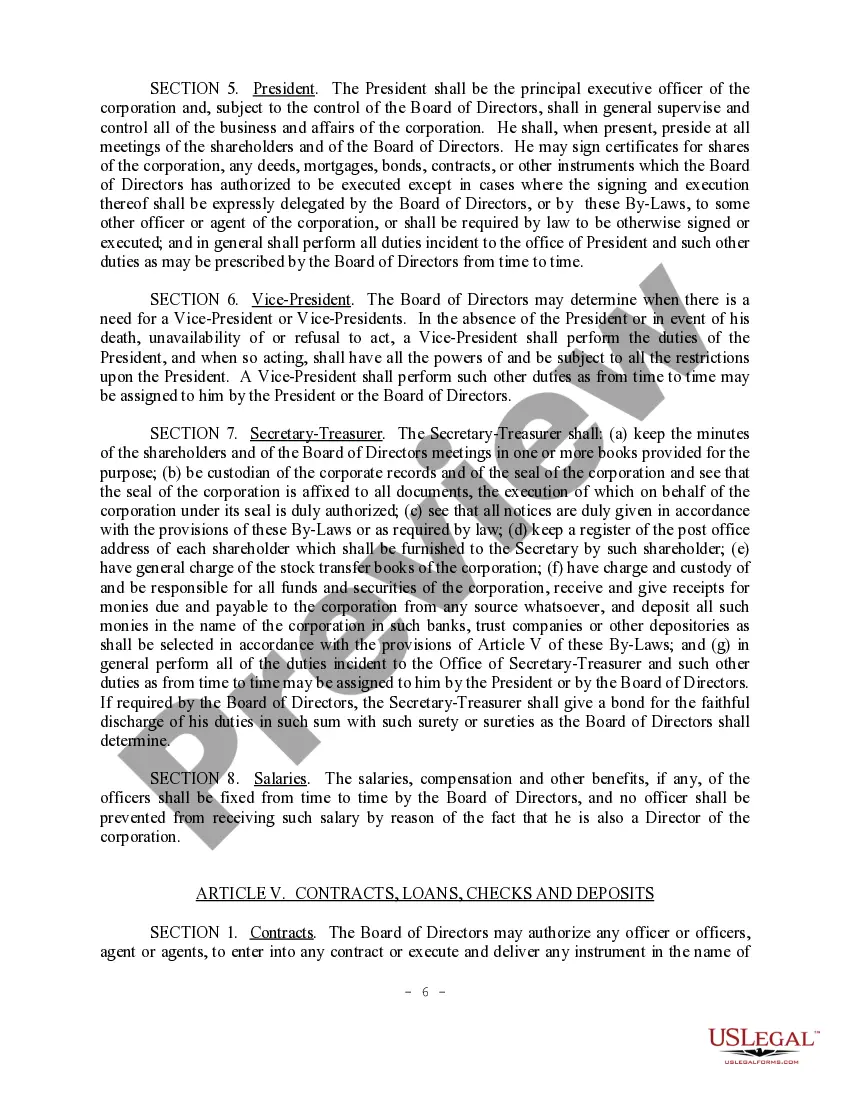
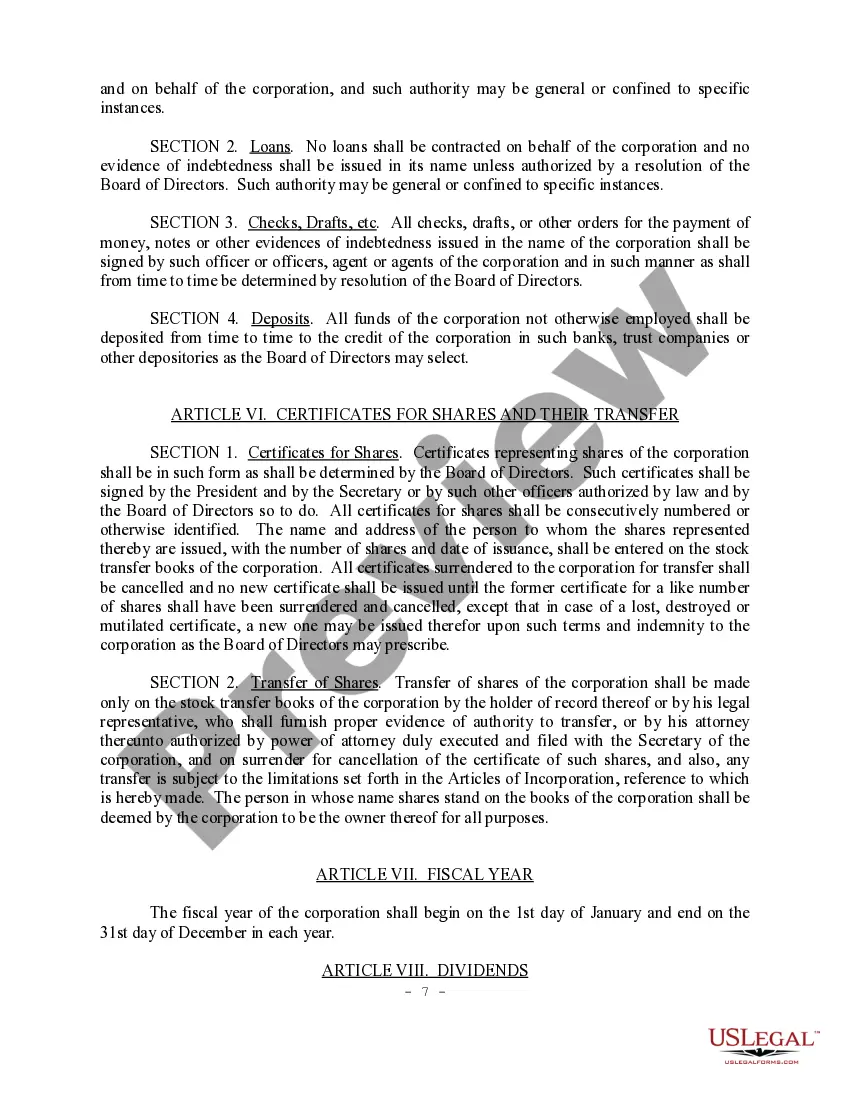
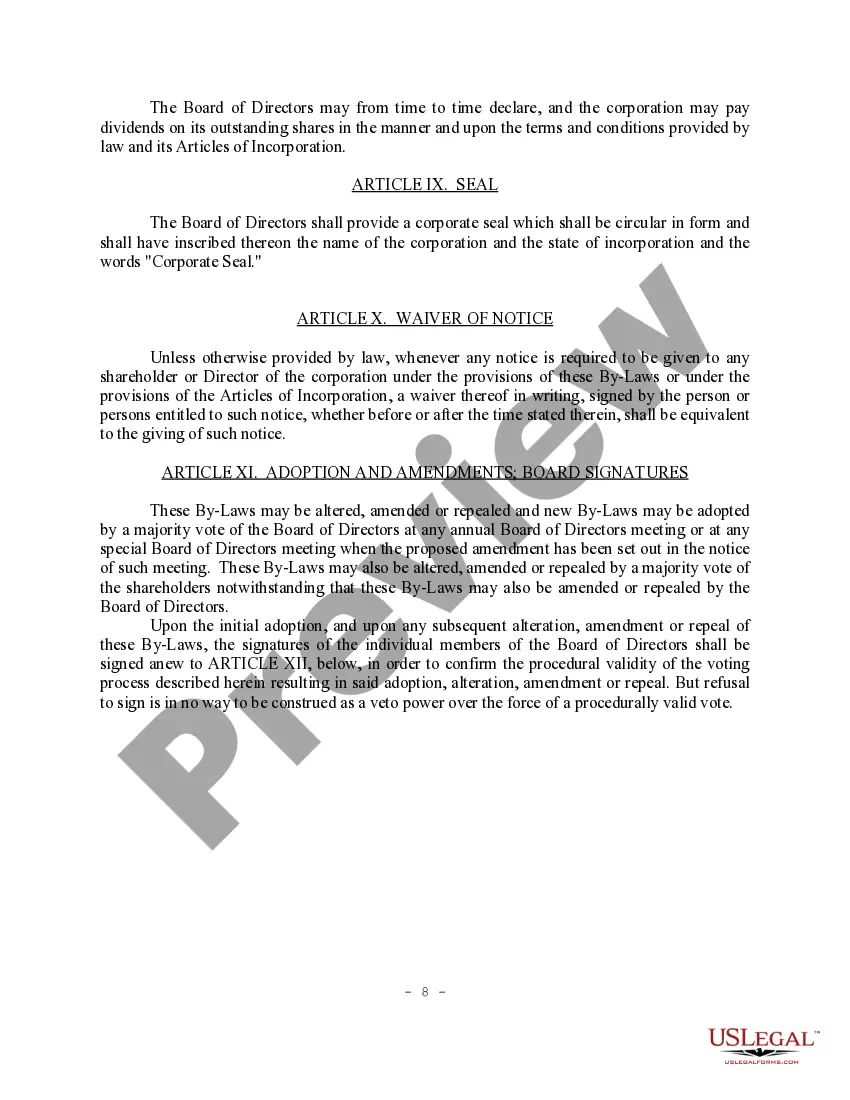
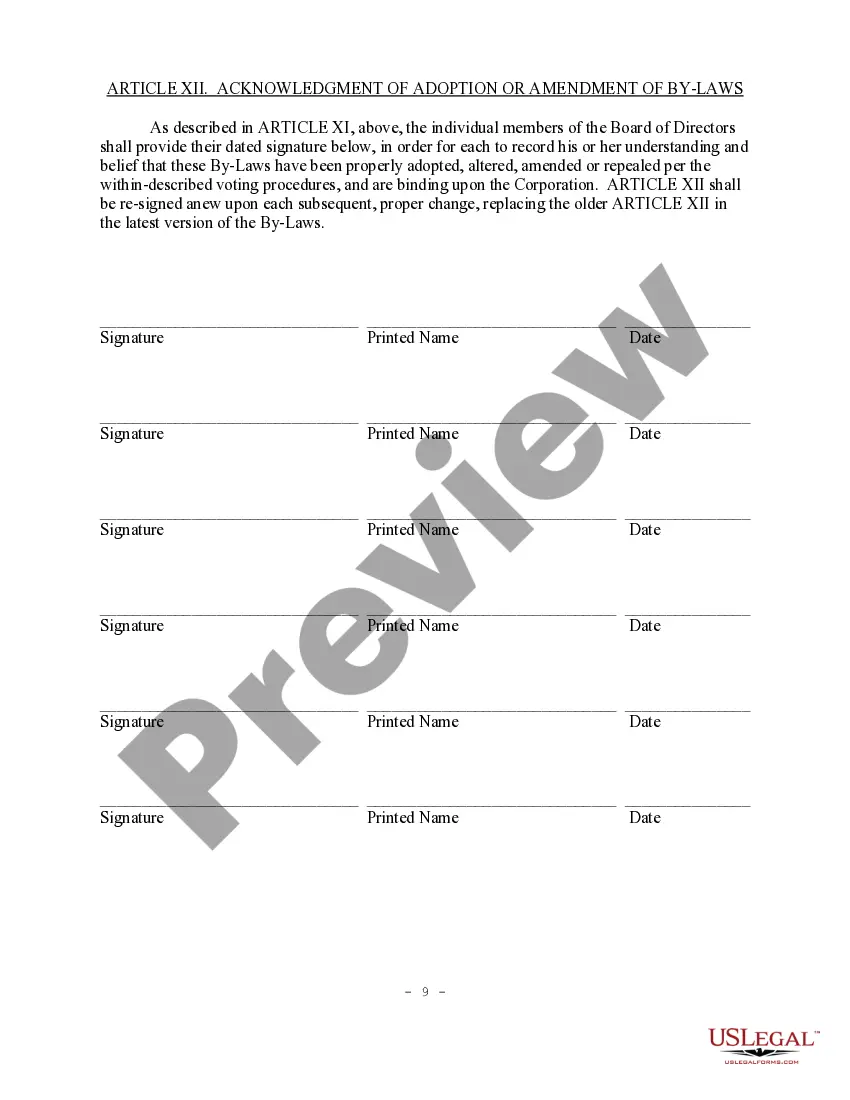
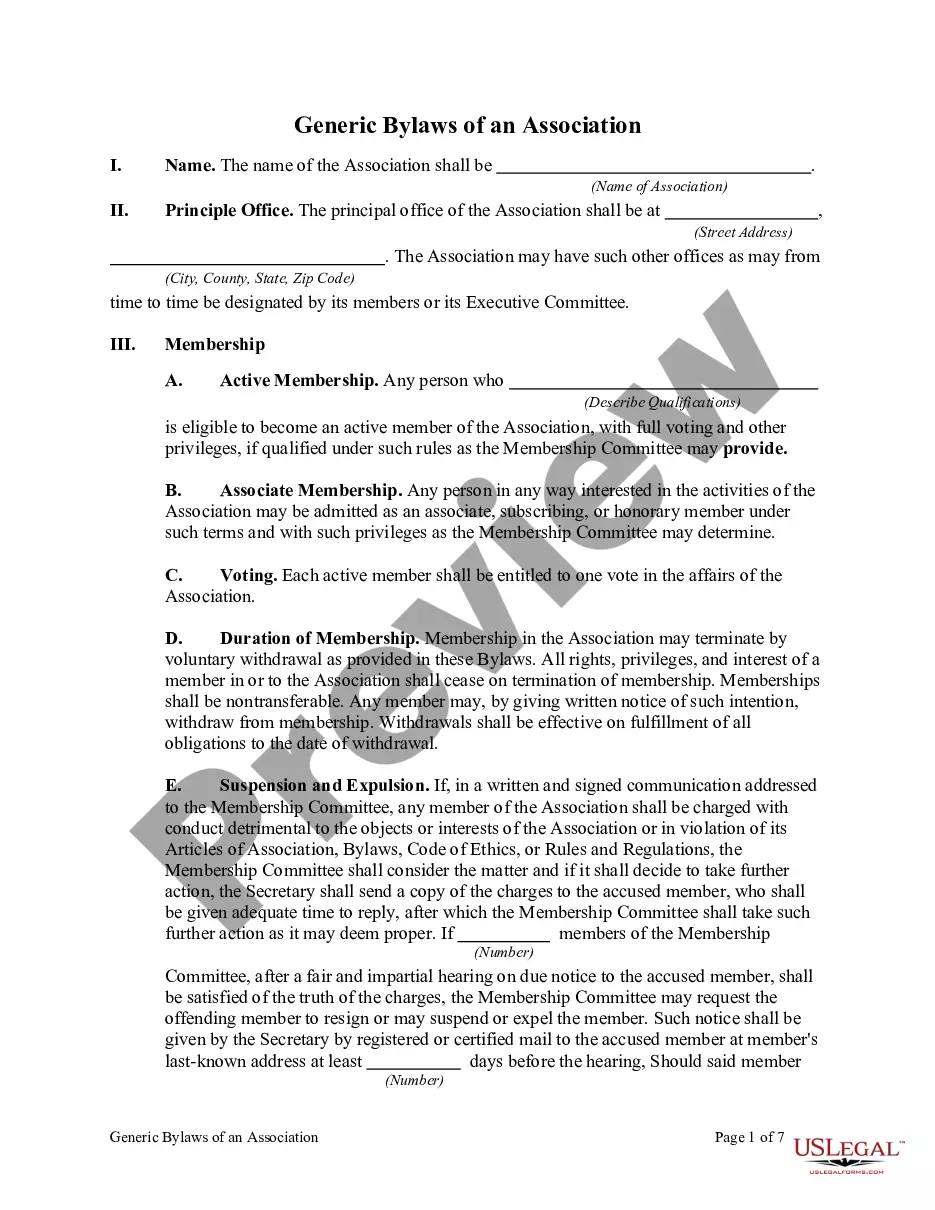
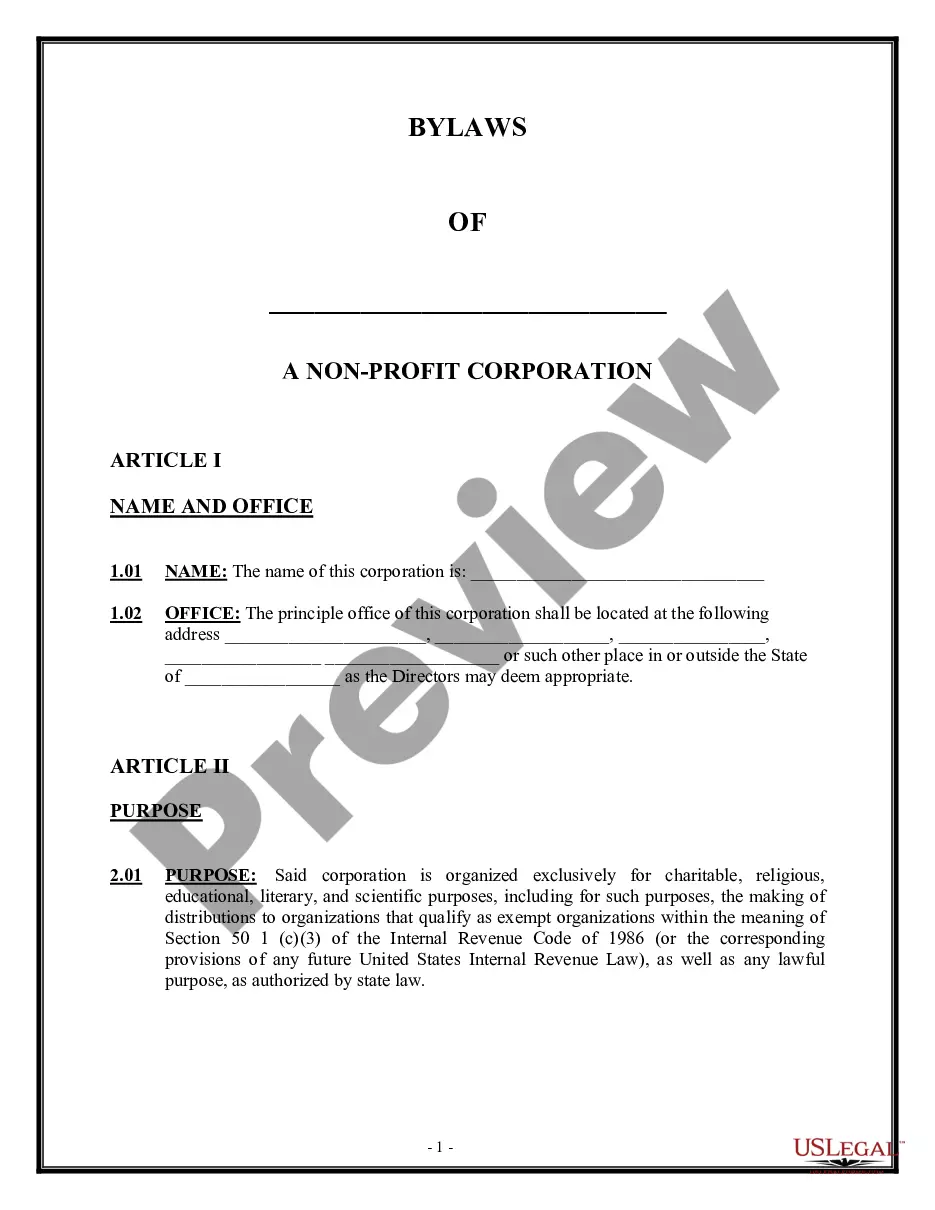
Get your form ready online
Our built-in tools help you complete, sign, share, and store your documents in one place.
Make edits, fill in missing information, and update formatting in US Legal Forms—just like you would in MS Word.
Download a copy, print it, send it by email, or mail it via USPS—whatever works best for your next step.
Sign and collect signatures with our SignNow integration. Send to multiple recipients, set reminders, and more. Go Premium to unlock E-Sign.
If this form requires notarization, complete it online through a secure video call—no need to meet a notary in person or wait for an appointment.
We protect your documents and personal data by following strict security and privacy standards.

Make edits, fill in missing information, and update formatting in US Legal Forms—just like you would in MS Word.

Download a copy, print it, send it by email, or mail it via USPS—whatever works best for your next step.

Sign and collect signatures with our SignNow integration. Send to multiple recipients, set reminders, and more. Go Premium to unlock E-Sign.

If this form requires notarization, complete it online through a secure video call—no need to meet a notary in person or wait for an appointment.

We protect your documents and personal data by following strict security and privacy standards.
Looking for another form?






Form popularity
FAQ
3 Types of HOA Fiduciary Duty The Duty of Care. The duty of care states that HOA board members must make informed decisions when voting on community matters. The Duty of Loyalty. The duty of loyalty declares. The Duty to Act Within the Scope of Authority. Budgeting, Assessments, and Accounting. Uniform Enforcement of Rules.
HOA Documents - The association's Declaration of Covenants, Conditions, and Restrictions (CC&Rs), Amendments to CC&Rs, Bylaws, Lien Notices, HOA Notices, Plats, Maps, and other community documents can be found by visiting the county recorder's office website in which the association is located.
One or more persons must file the Articles of Incorporation with the Ohio Secretary of State. The Ohio Planned Community Law governs homeowners associations in the state. The HOA must record its declaration and bylaws in the office of the recorder of each county where it is located.
In summary, there is no case where HOA rules override state law. Considering the hierarchy, federal, state, and local laws always take precedence over an association's rules. Board members should have a solid grasp of these laws. In doing so, they can protect the HOA and mitigate the risk of liability.
In Ohio, if a person purchases a property regulated by a HOA, they must become a member and follow the association's rules.
HOAs in Ohio are granted powers to enforce community rules, collect dues, and maintain common areas. They can also impose fines for non-compliance and set regulations for property use. For a detailed breakdown, refer to the Ohio Planned Community Law.
Thus, with regard to its organizational structure and general management, an association is subject to the authority of the Ohio Secretary of State. To the extent an HOA's activities implicate any consumer protection statutes, the HOA is subject to the enforcement power of the Ohio Attorney General.
Once you buy a home that's part of an HOA, you automatically become a member of the HOA. HOA rules are legally binding, and you must adhere to all rules and regulations in the governing document. Yes, there are bylaws that you may not like, but there are no HOA loopholes.
