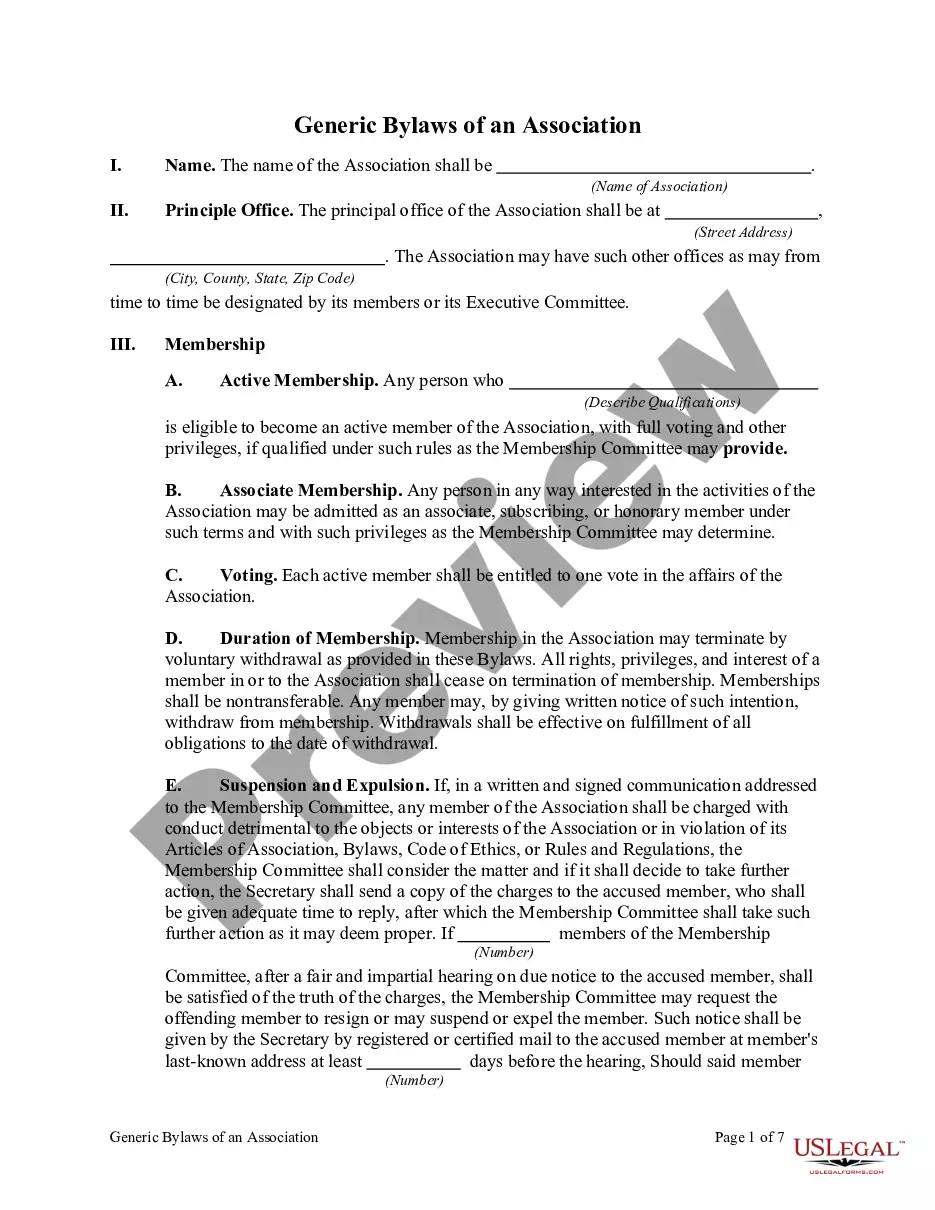
Hoa By Bylaws In New York
Description

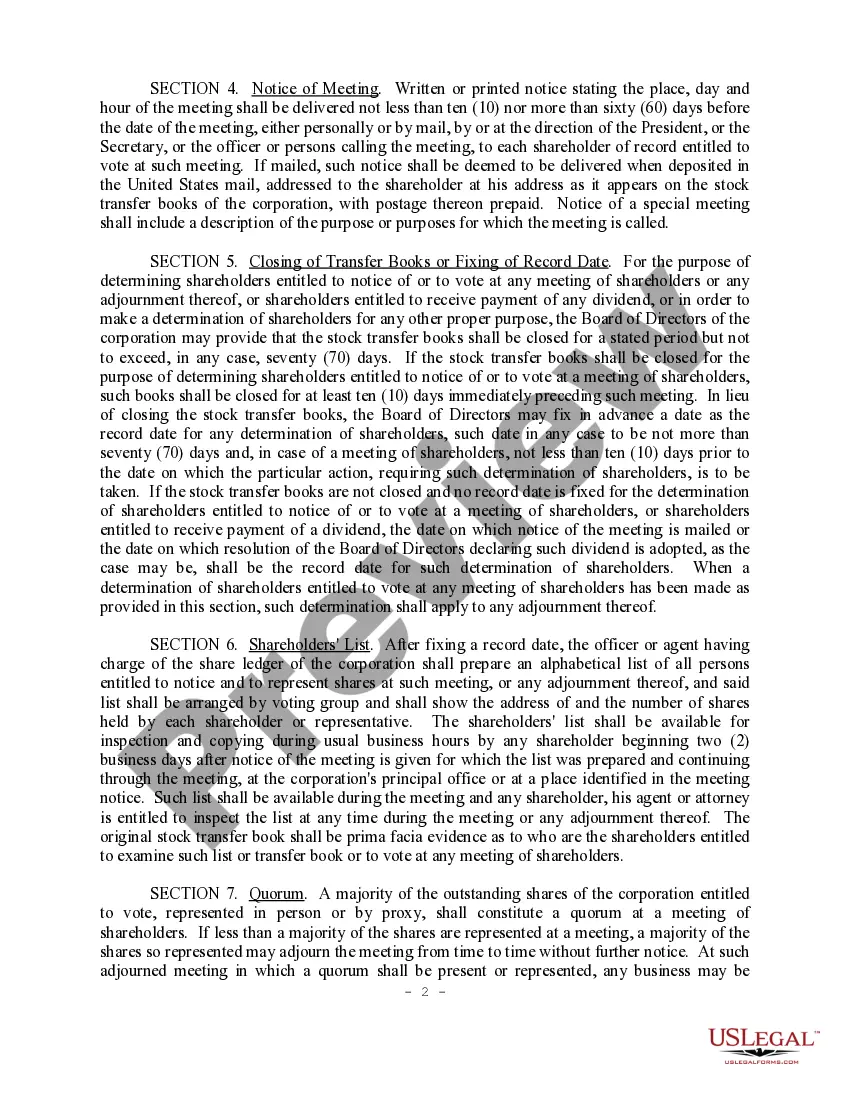
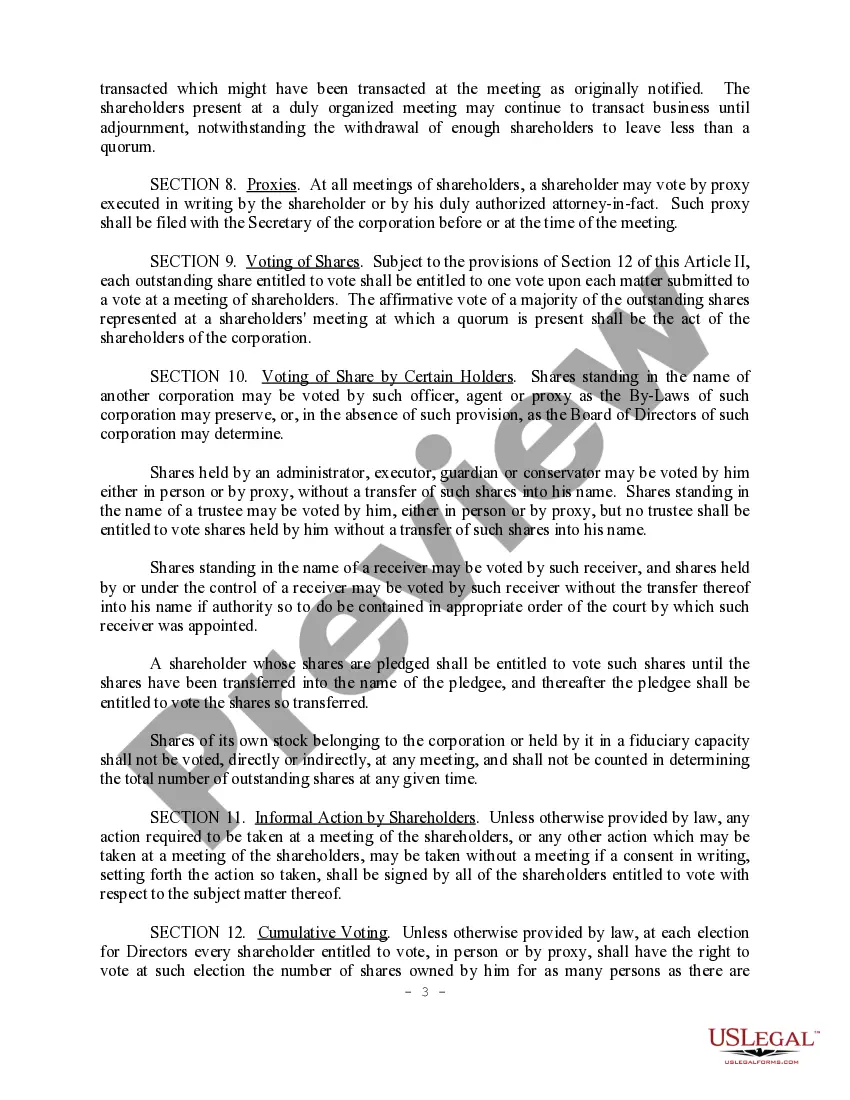
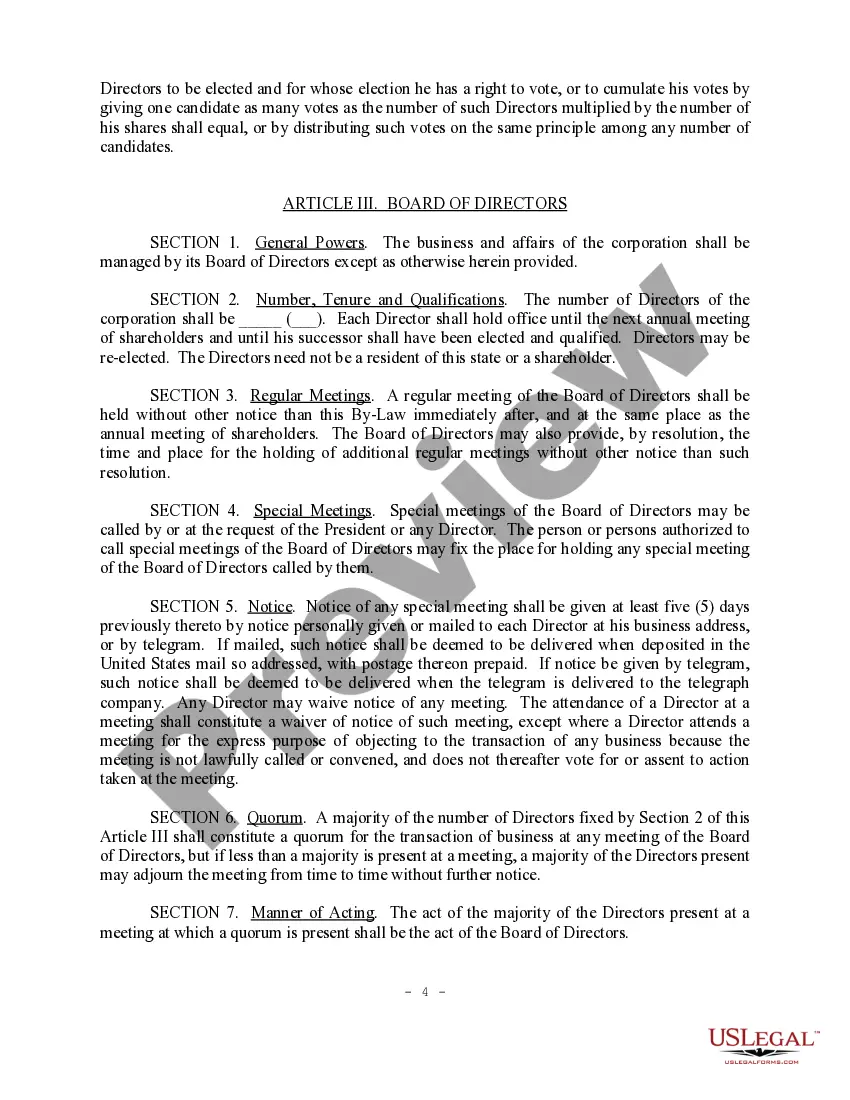
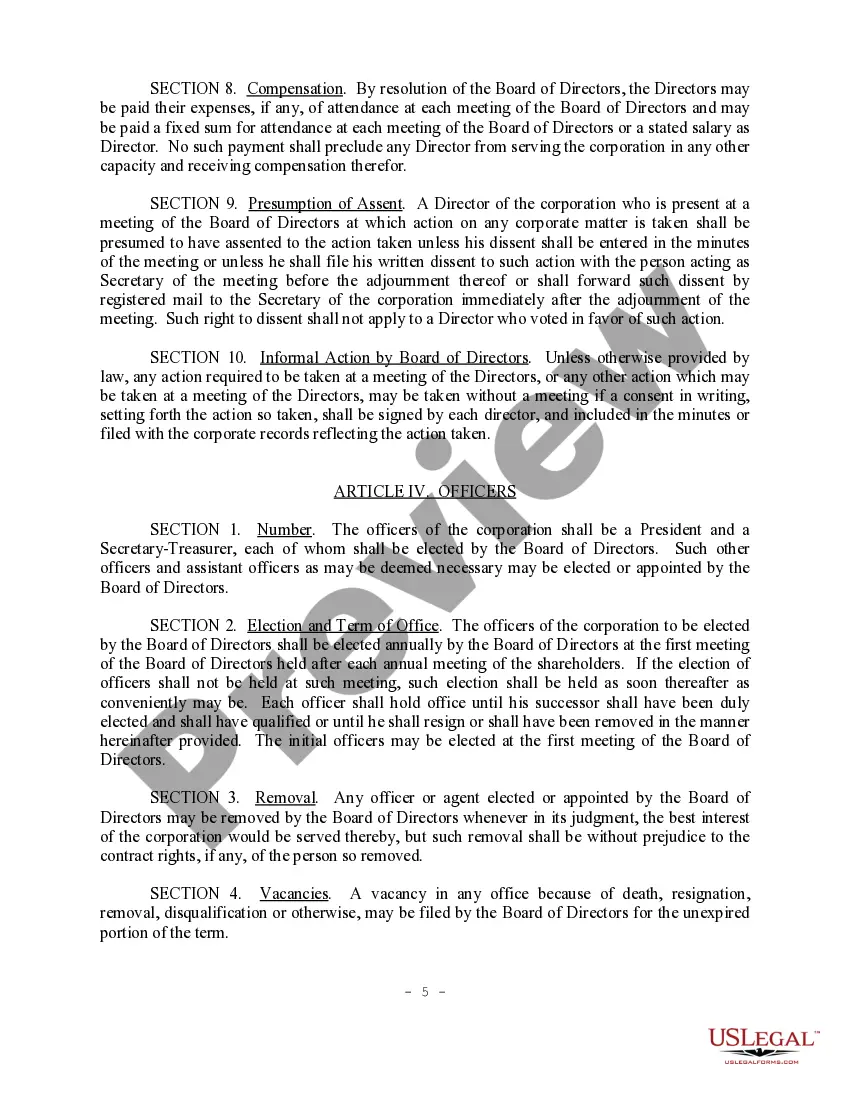

Get your form ready online
Our built-in tools help you complete, sign, share, and store your documents in one place.
Make edits, fill in missing information, and update formatting in US Legal Forms—just like you would in MS Word.
Download a copy, print it, send it by email, or mail it via USPS—whatever works best for your next step.
Sign and collect signatures with our SignNow integration. Send to multiple recipients, set reminders, and more. Go Premium to unlock E-Sign.
If this form requires notarization, complete it online through a secure video call—no need to meet a notary in person or wait for an appointment.
We protect your documents and personal data by following strict security and privacy standards.

Make edits, fill in missing information, and update formatting in US Legal Forms—just like you would in MS Word.

Download a copy, print it, send it by email, or mail it via USPS—whatever works best for your next step.

Sign and collect signatures with our SignNow integration. Send to multiple recipients, set reminders, and more. Go Premium to unlock E-Sign.

If this form requires notarization, complete it online through a secure video call—no need to meet a notary in person or wait for an appointment.

We protect your documents and personal data by following strict security and privacy standards.
Looking for another form?








Form popularity
FAQ
The Office of the New York State Attorney General (OAG) requires that the sponsor file an offering plan for the homeowners association, and that the sponsor maintain the commitments it made in the offering plan. The OAG's jurisdiction is limited to ownership and maintenance of HOA common property.
Key Takeaways: HOAs Cannot Directly Evict Tenants – While HOAs enforce rules and maintain community standards, they cannot directly evict tenants. However, rule violations, unpaid fees, or legal actions initiated by the HOA can impact the property owner, potentially leading to eviction through the landlord.
The HOA board sets these fees based on the community's budget and financial needs. The board calculates these fees to ensure adequate funding for maintaining and operating shared spaces and amenities. Therefore, negotiating your personal HOA fees is usually not an option.
One of the primary reasons HOA fees might feel high or are on the rise is inflation. The increasing costs of services, labor, and materials place HOAs in a challenging position, often leading them to make tough choices between hiking up assessments or cutting back on services and maintenance.
To comply with New York law, there are three primary pathways to establish an HOA: obtaining a no-action letter under 13 NYCRR Section 22.8, utilizing the Cooperative Policy Statement No. 7 (CPS-7), or filing an offering plan pursuant to 13 NYCRR Part 22 (Part 22).
Collection of Fees and Assessments Homeowners associations (HOAs) in New York levy HOA fees and assessments to cover common expenses such as maintenance, repairs, and amenities. These fees can also include special assessments for unexpected costs or improvements.
Homeowners' Associations in New York, or otherwise known as Common Interest Communities, are regulated by the Attorney General's office and must be set up as non-profit organizations. They are governed by NY Not-For-Profit Corporation Law, the Association's Articles of Declaration, and Bylaws.
Homeowners often ask whether local laws supersede the rules and regulations set forth by their homeowner association (HOA). The short answer is yes, local laws do supersede HOA rules.
Both HOA fees and common charges are collected on a monthly basis. Property taxes in NYC are either collected semi-annually or quarterly, and it's determined by the tax amount: Semi-annually for more than $250,000 in property taxes and quarterly for less than $250,000 in property taxes.
