Deed Of Trust Without Promissory Note In Tarrant
Description

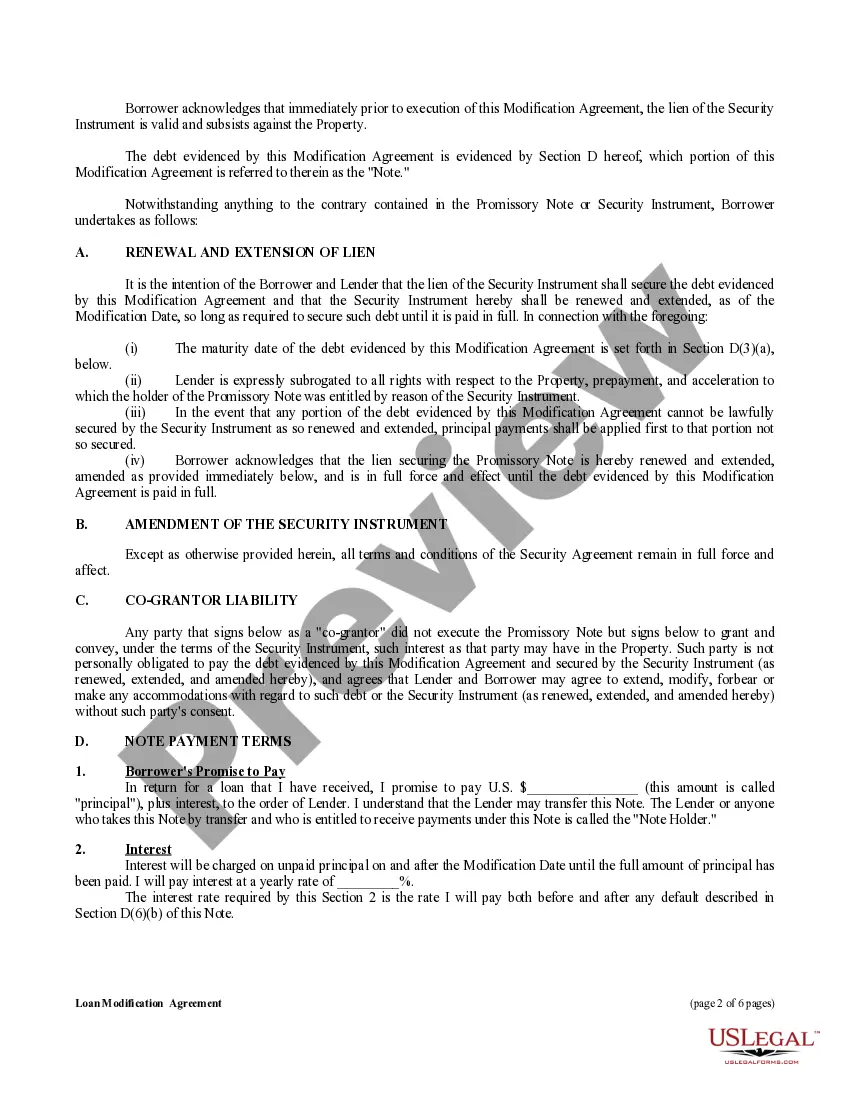
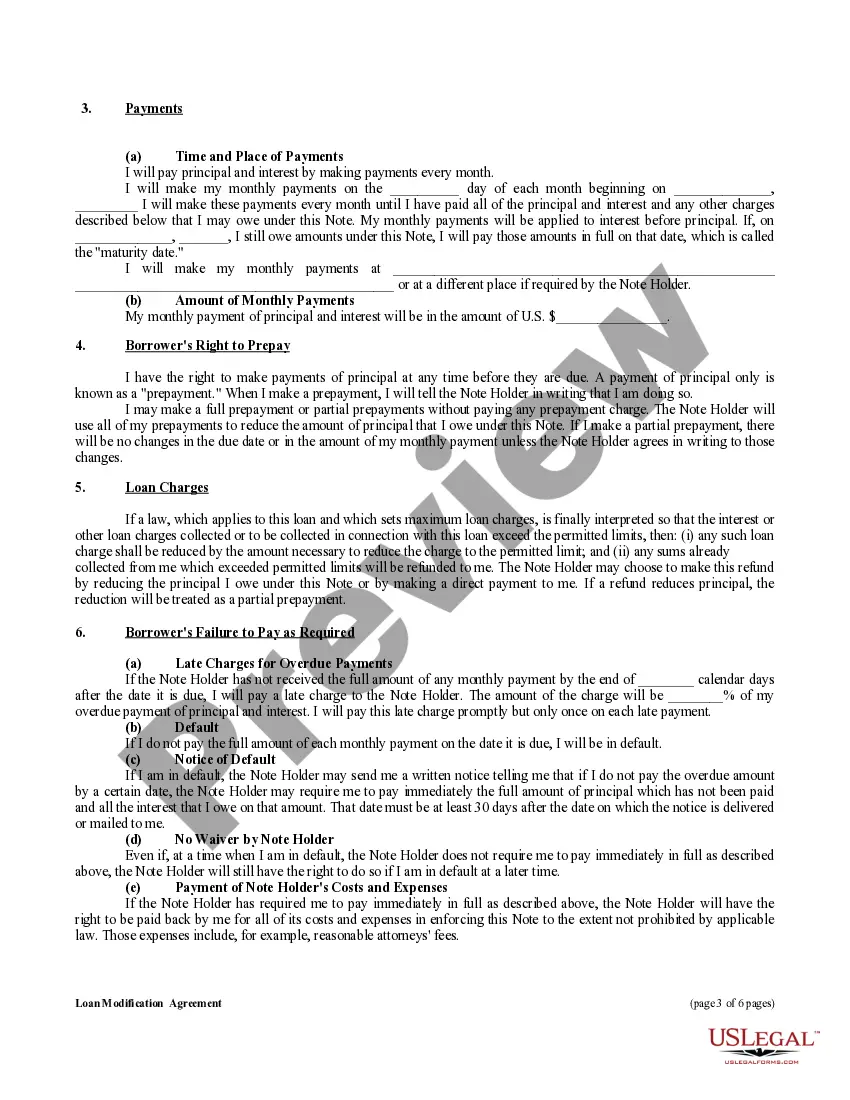
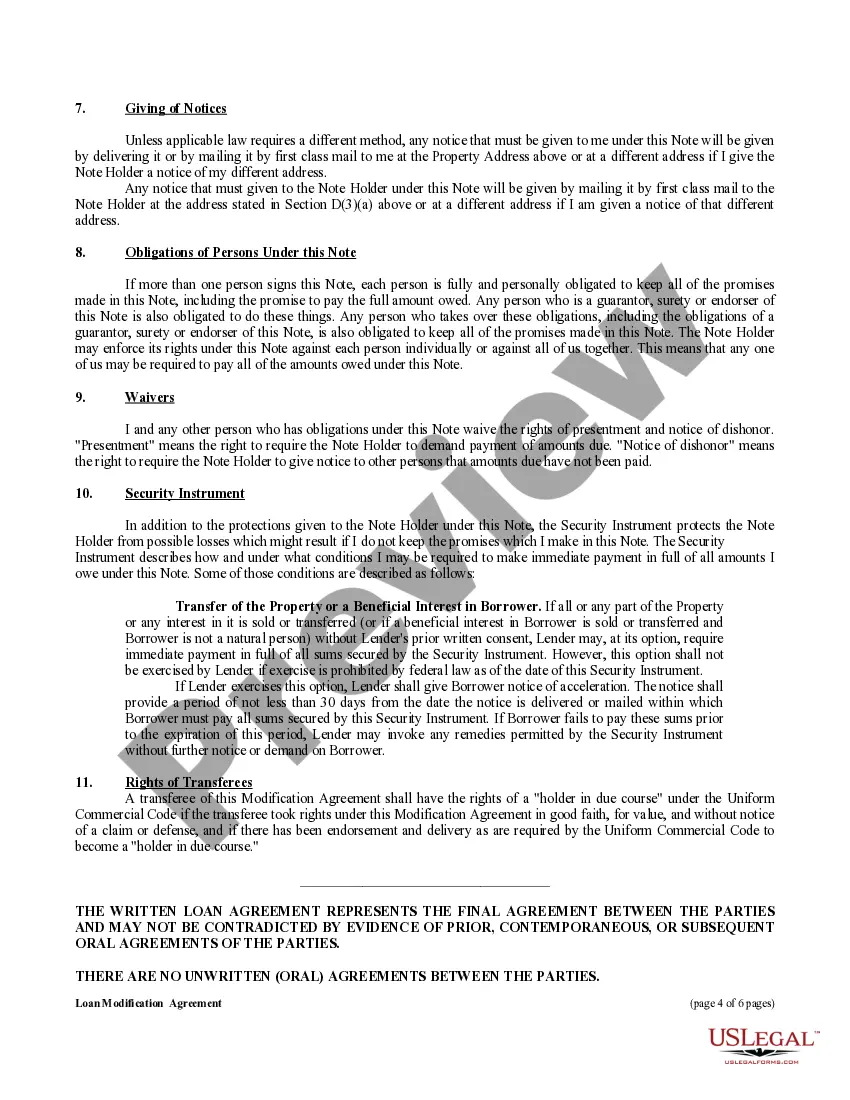
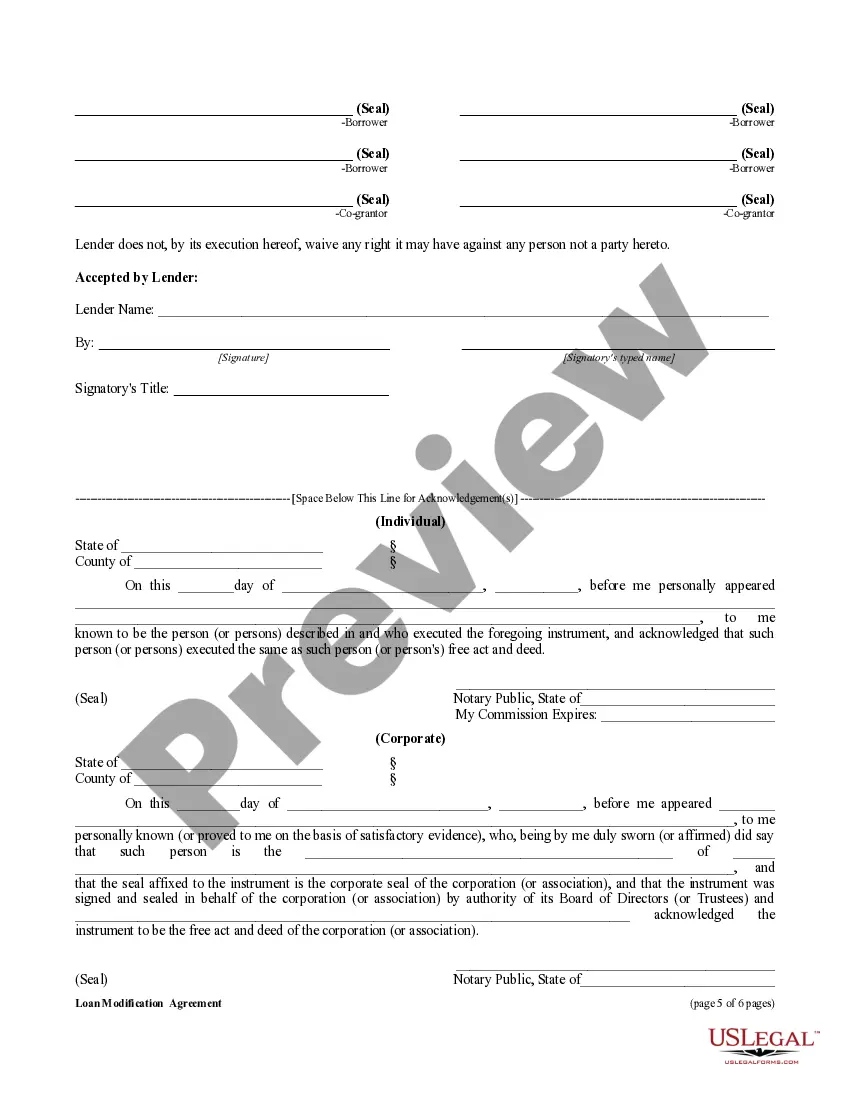
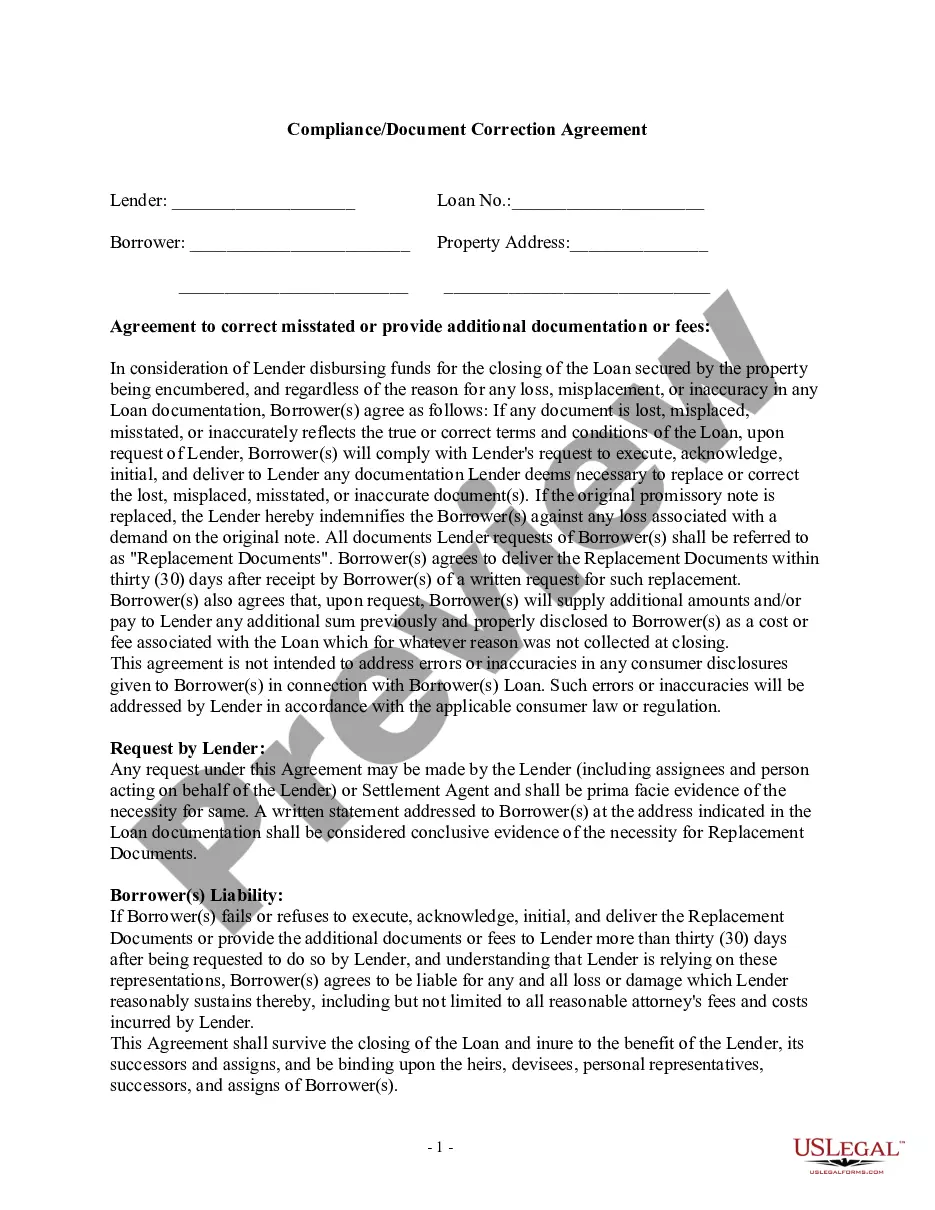

Get your form ready online
Our built-in tools help you complete, sign, share, and store your documents in one place.
Make edits, fill in missing information, and update formatting in US Legal Forms—just like you would in MS Word.
Download a copy, print it, send it by email, or mail it via USPS—whatever works best for your next step.
Sign and collect signatures with our SignNow integration. Send to multiple recipients, set reminders, and more. Go Premium to unlock E-Sign.
If this form requires notarization, complete it online through a secure video call—no need to meet a notary in person or wait for an appointment.
We protect your documents and personal data by following strict security and privacy standards.

Make edits, fill in missing information, and update formatting in US Legal Forms—just like you would in MS Word.

Download a copy, print it, send it by email, or mail it via USPS—whatever works best for your next step.

Sign and collect signatures with our SignNow integration. Send to multiple recipients, set reminders, and more. Go Premium to unlock E-Sign.

If this form requires notarization, complete it online through a secure video call—no need to meet a notary in person or wait for an appointment.

We protect your documents and personal data by following strict security and privacy standards.
Looking for another form?










Form popularity
FAQ
Basic Requirements of a Trust California statutes dictate a set criterion for valid trusts. Breaching any of the following can lead to the trust being deemed invalid: Intent. Mental capacity, meaning they should be legally sane and over 18.
Trust Deed Disadvantages You will be unable to obtain credit. They are not appropriate for secured obligations. They can cause issues for business owners. Your trustee has the authority to claim new assets.
Can You Sell a House with a Deed of Trust? Yes, you can sell a home with a Deed of Trust. However, just like a mortgage, if you're selling the home for less than you owe on it, you'll need approval from the lender.
In California, a deed of trust must come with security, typically a promissory note. To be valid, a deed of trust must be (1) in writing, (2) with a description of the property, and (3) signed by the trustor of the deed of trust.
Promissory notes are often transferable through endorsement, allowing lenders to sell or assign their rights to a third party. Contracts are generally not transferable in the same way, as they involve specific parties and obligations tailored to their circumstances.
It is important to note that Texas is primarily a non-judicial foreclosure state, meaning most foreclosures occur without court supervision. ³⁷ However, you always have the right to challenge an improper foreclosure in court.
If a seller offers a Seller Financed Mortgage for the sale of the property, there must be 3 documents signed: a Promissory Note, a Deed of Trust and a Warranty Deed.
In order to qualify for a non-judicial foreclosure, the lienholder must have a deed of trust with a "power of sale" clause, giving them the authority to sell the property. These foreclosures are governed by Section 51.002 of the Texas Property Code as well as the contractual documents.
By signing the Deed in Lieu of Foreclosure, the Borrower is legally transferring title to the property back to the Lender in exchange for the cancelation of the unpaid balance owed on the Promissory Note secured by the property.