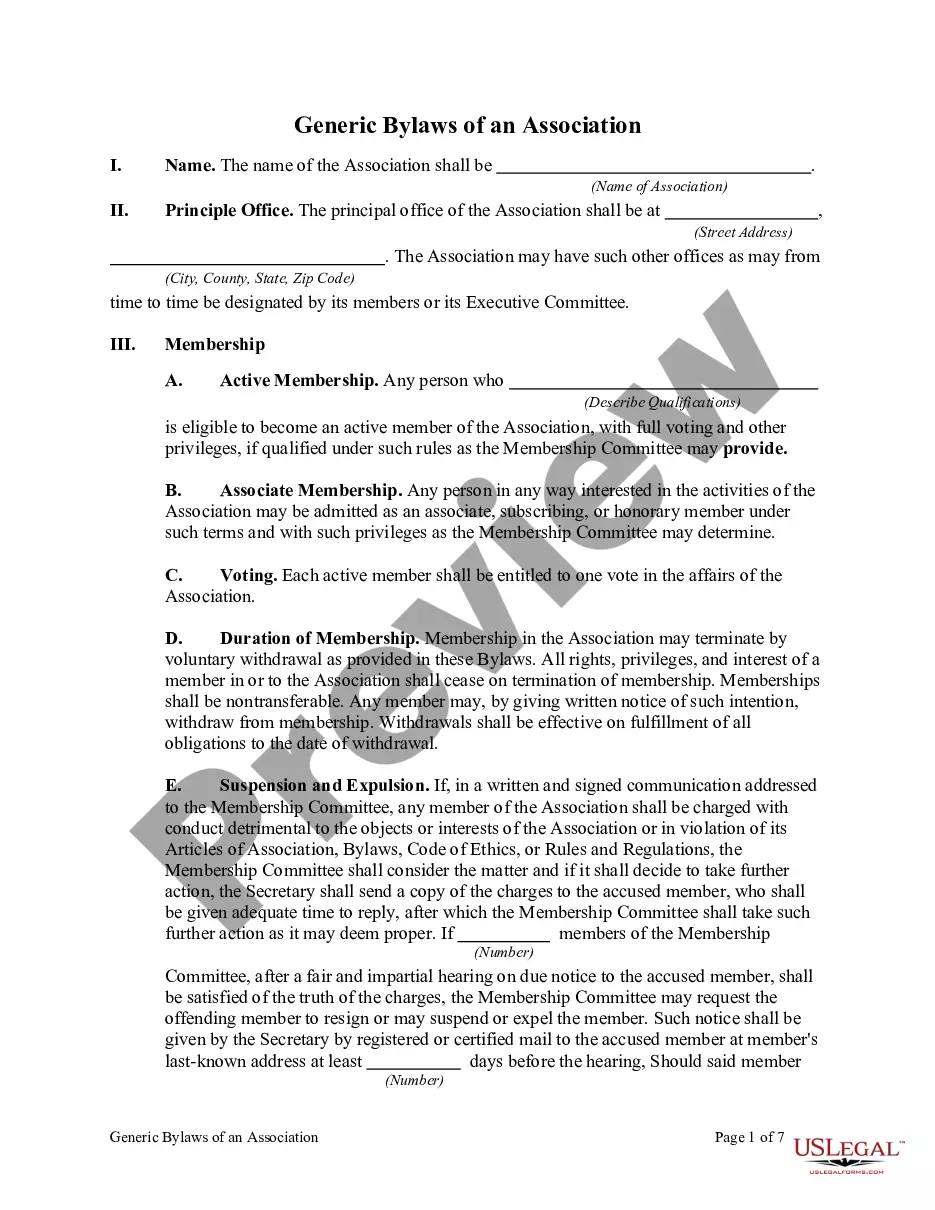
Property Owners Association Bylaws With Hoa In Nassau
Description

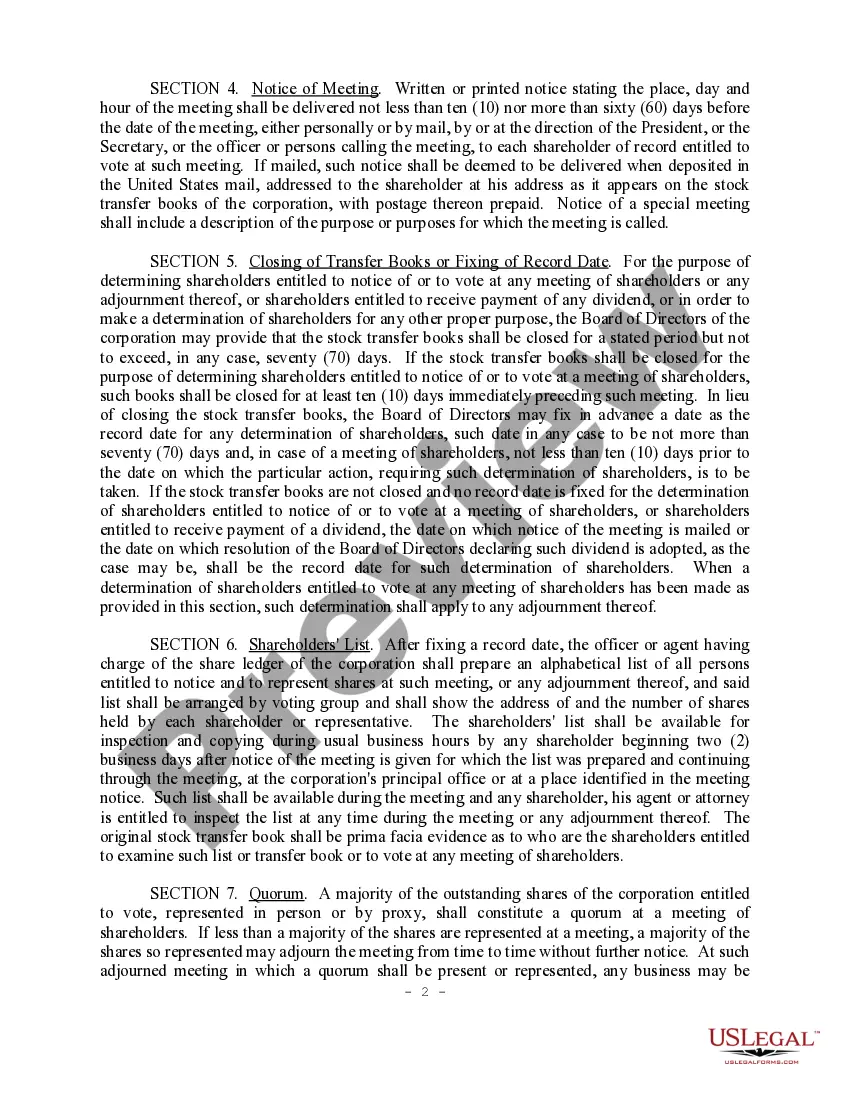
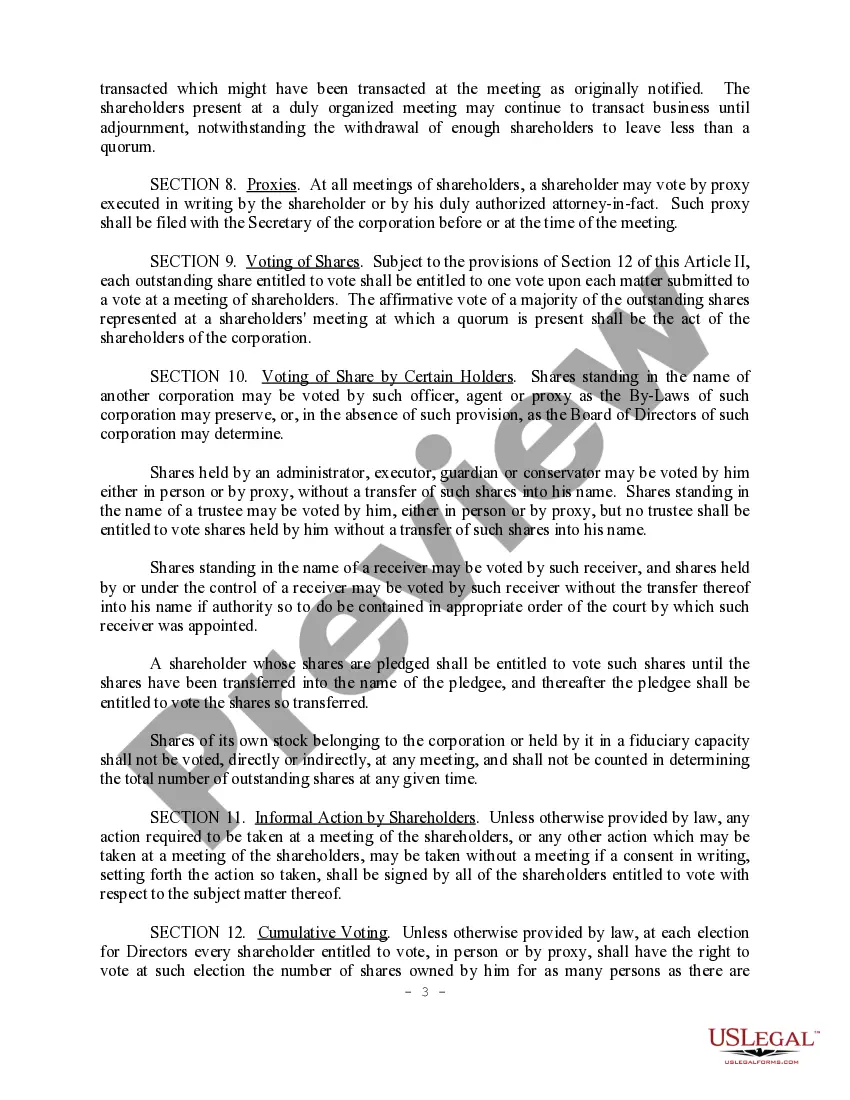
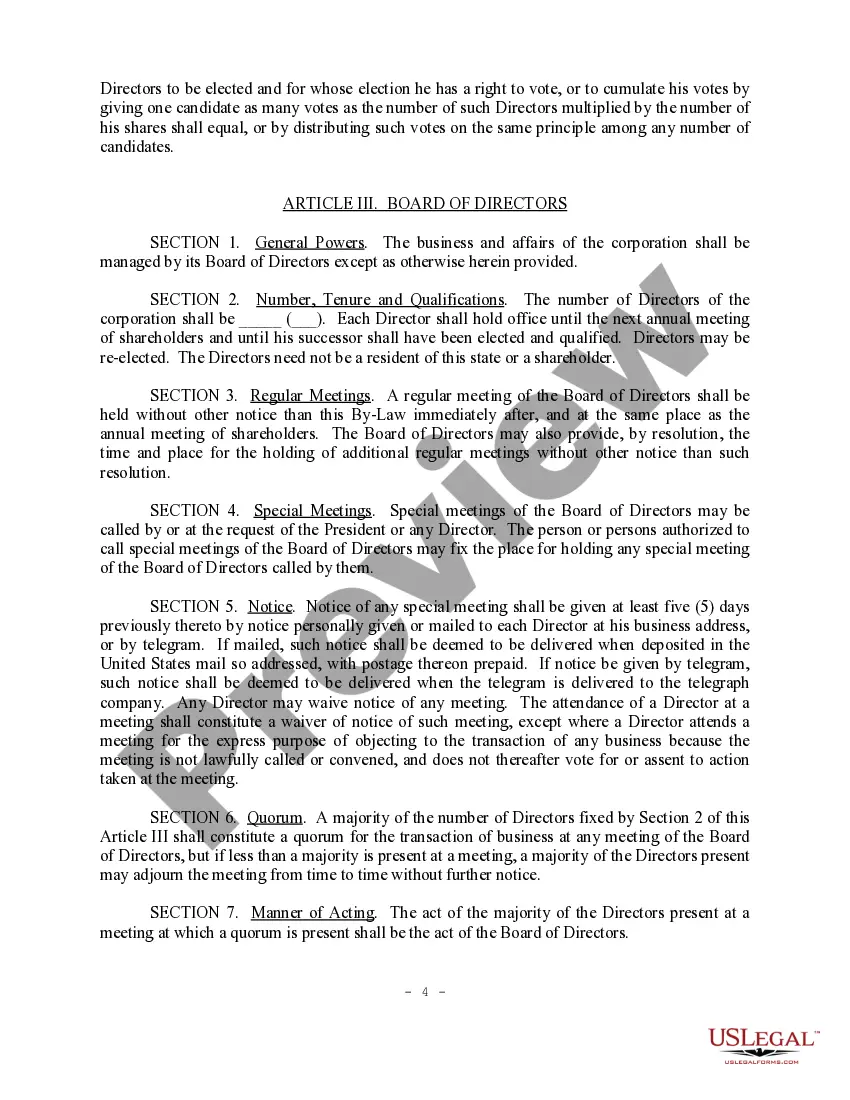
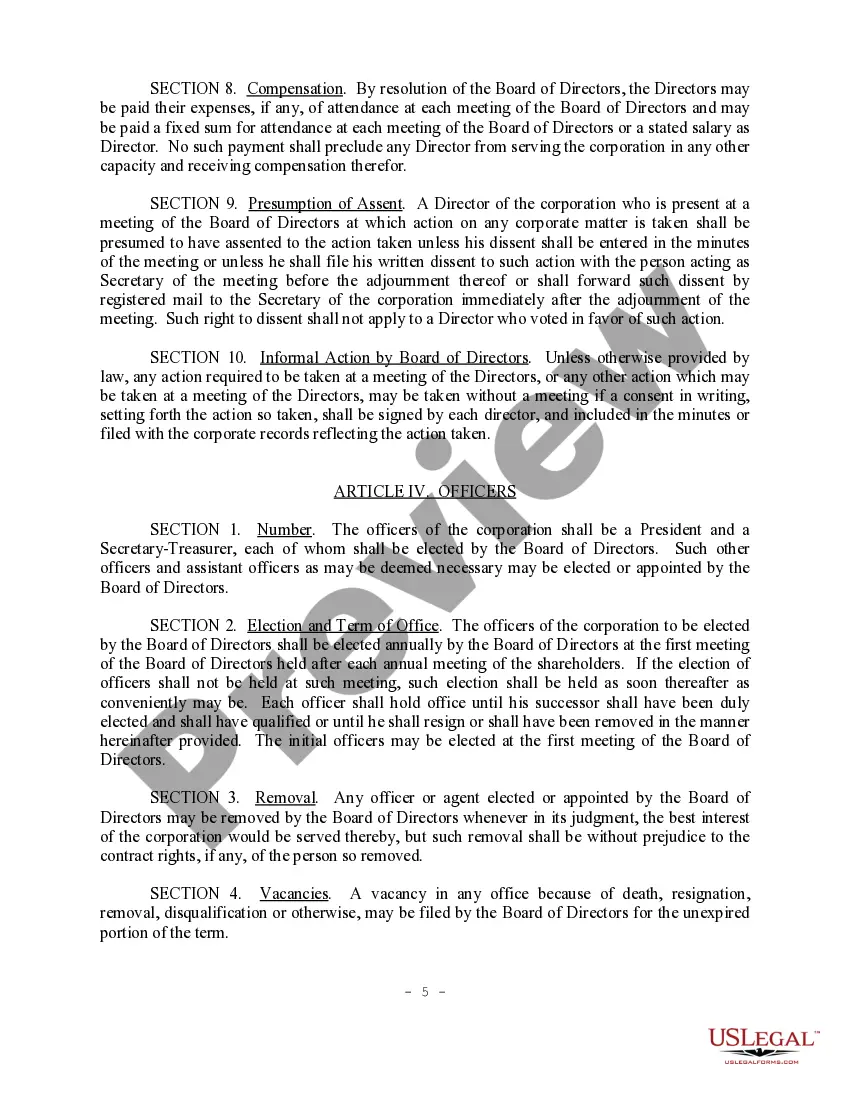
Get your form ready online
Our built-in tools help you complete, sign, share, and store your documents in one place.
Make edits, fill in missing information, and update formatting in US Legal Forms—just like you would in MS Word.
Download a copy, print it, send it by email, or mail it via USPS—whatever works best for your next step.
Sign and collect signatures with our SignNow integration. Send to multiple recipients, set reminders, and more. Go Premium to unlock E-Sign.
If this form requires notarization, complete it online through a secure video call—no need to meet a notary in person or wait for an appointment.
We protect your documents and personal data by following strict security and privacy standards.

Make edits, fill in missing information, and update formatting in US Legal Forms—just like you would in MS Word.

Download a copy, print it, send it by email, or mail it via USPS—whatever works best for your next step.

Sign and collect signatures with our SignNow integration. Send to multiple recipients, set reminders, and more. Go Premium to unlock E-Sign.

If this form requires notarization, complete it online through a secure video call—no need to meet a notary in person or wait for an appointment.

We protect your documents and personal data by following strict security and privacy standards.
Looking for another form?




Form popularity
FAQ
Consequences of Non-Compliance Fines and Penalties: HOAs have the authority to impose fines and penalties on homeowners who violate community rules. These fines can escalate over time if the violation persists, potentially leading to significant financial burdens for non-compliant homeowners.
No, there is not a way to ``leave the HOA'' without moving. The HOA covenants are tied to the property permanently.
Once you buy a home that's part of an HOA, you automatically become a member of the HOA. HOA rules are legally binding, and you must adhere to all rules and regulations in the governing document. Yes, there are bylaws that you may not like, but there are no HOA loopholes.
As Kriegstein explains, “In order to enforce an HOA rule, the association must have the authority to do so, as outlined in its governing documents. This may include the ability to impose fines or penalties for noncompliance or to take legal action against homeowners who refuse to comply.”
The best way to strategize on short-term rental restrictions is to speak to a board member. At the same time, you can consult the CC&Rs' (Covenants, conditions, and restrictions) advice. Knowing the potential risks of getting around HOA's restrictions is important. And we highly recommend doing it the legal way.
No, there is not a way to ``leave the HOA'' without moving. The HOA covenants are tied to the property permanently.
How Can Someone Get out of Paying HOA Dues? Review the HOA's Governing Documents. Financial Hardship. Challenge Increases or Fees. Volunteer for the HOA Board or Committees. Sell the Property. Legal Action.
Is there any way to get around HOA rules? While you can propose rule changes through proper channels, there's no legal way to simply ignore or “get around” the HOA's covenants, conditions, and restrictions (CC&Rs) that you agreed to when purchasing in the community.
Is there any way to get around HOA rules? While you can propose rule changes through proper channels, there's no legal way to simply ignore or “get around” the HOA's covenants, conditions, and restrictions (CC&Rs) that you agreed to when purchasing in the community.
The board member in question could be using their power stance to threaten others' positions on the board or even their standing as a resident of that community. In some cases, they could also use their rankings to spread inaccurate information about others or about specific topics.
