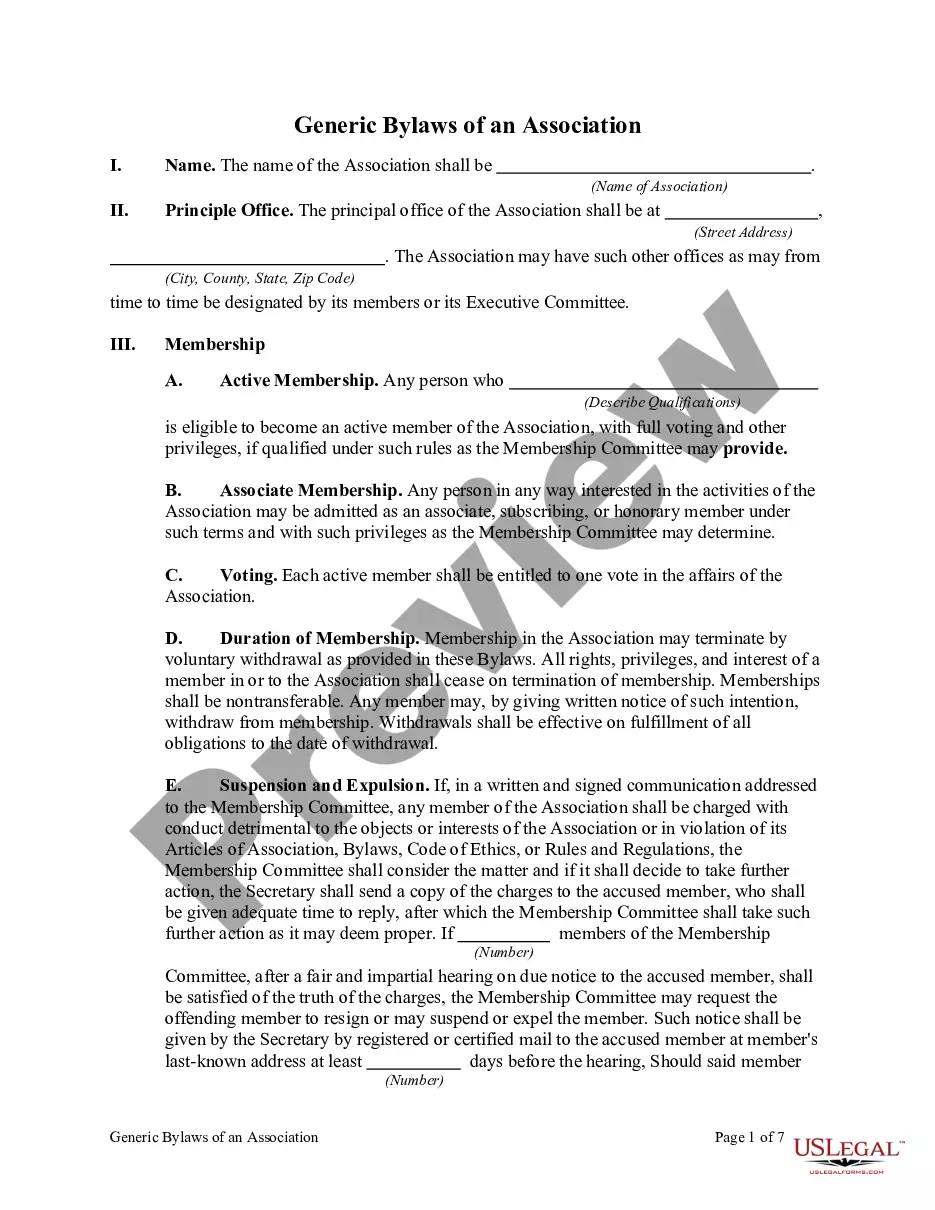
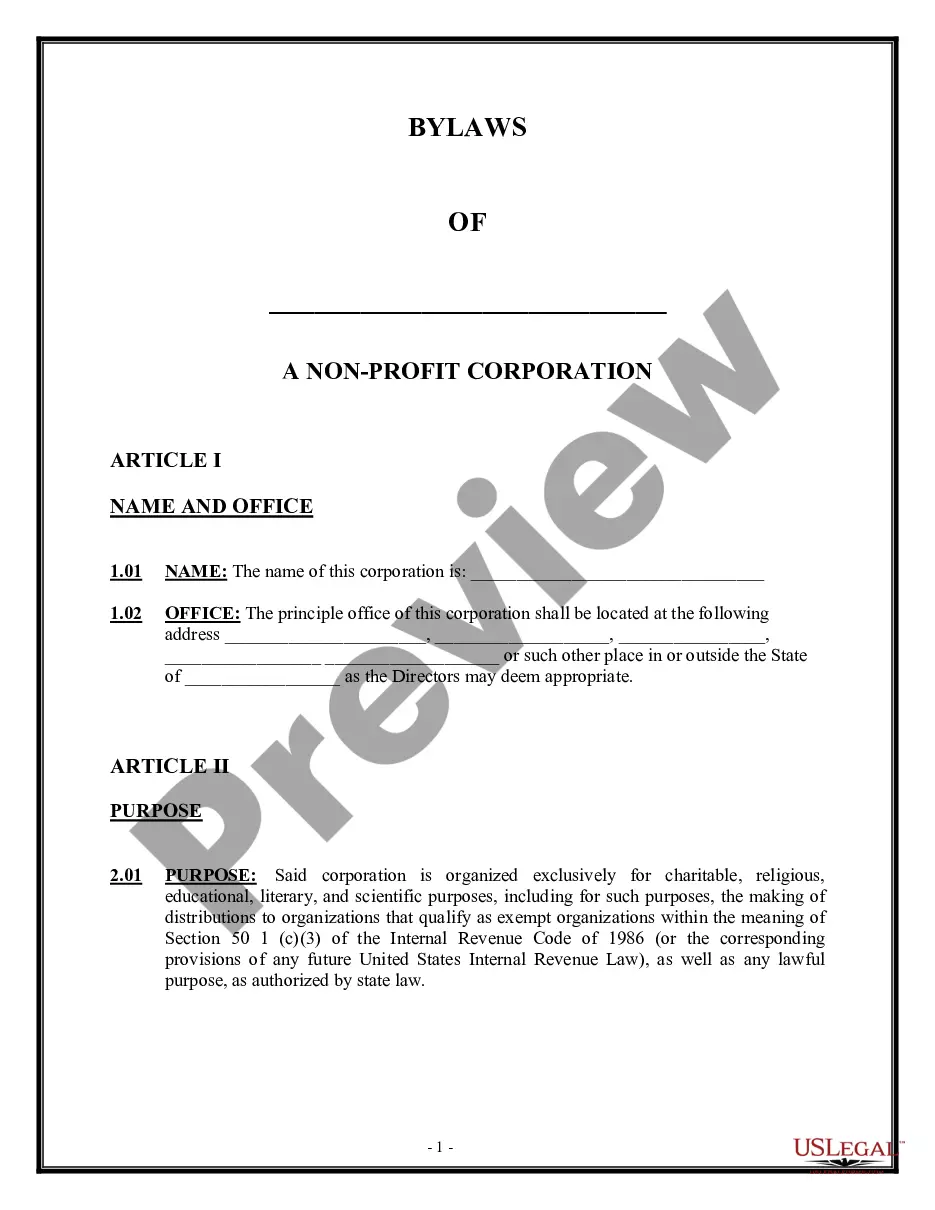
Bylaws And Standing Rules In Minnesota
Description

Get your form ready online
Our built-in tools help you complete, sign, share, and store your documents in one place.
Make edits, fill in missing information, and update formatting in US Legal Forms—just like you would in MS Word.
Download a copy, print it, send it by email, or mail it via USPS—whatever works best for your next step.
Sign and collect signatures with our SignNow integration. Send to multiple recipients, set reminders, and more. Go Premium to unlock E-Sign.
If this form requires notarization, complete it online through a secure video call—no need to meet a notary in person or wait for an appointment.
We protect your documents and personal data by following strict security and privacy standards.

Make edits, fill in missing information, and update formatting in US Legal Forms—just like you would in MS Word.

Download a copy, print it, send it by email, or mail it via USPS—whatever works best for your next step.

Sign and collect signatures with our SignNow integration. Send to multiple recipients, set reminders, and more. Go Premium to unlock E-Sign.

If this form requires notarization, complete it online through a secure video call—no need to meet a notary in person or wait for an appointment.

We protect your documents and personal data by following strict security and privacy standards.
Looking for another form?









Form popularity
FAQ
Minnesota nonprofit organizations are governed by the Minnesota Nonprofit Corporation Act, Minn. Stat. ch. 317A. A nonprofit corporation's purpose and activities must serve the organization's mission to benefit the public, and may not be operated to profit other persons or entities.
Bylaws are not required, but they can help define the organization and its governance structure.
The Delaware corporate code covers most of the topics normally addressed in the Bylaws. Therefore, if the Certificate of Incorporation sets forth the authorized number of directors there is no legal requirement that a corporation have bylaws.
Bylaws state when the meetings of the association are held. Standing rules tell where and what time association meetings are held, and when executive board meetings are held. Bylaws give the primary responsibilities of officers and chairmen. Standing rules give the specifics.
Minnesota corporate bylaws are rules that define a corporation's internal structure and daily operations. They allow the first board of directors or the incorporators to nominate officers and identify their liabilities, duties, and rights within the corporation.
Standing Rules can be compiled by an executive committee or board of directors and recommended for adoption. This set of rules is adopted by a majority vote at the beginning of a meeting. It is recommended that every member have a copy of the rules; the rules can be read so that everyone is very aware of each rule.
