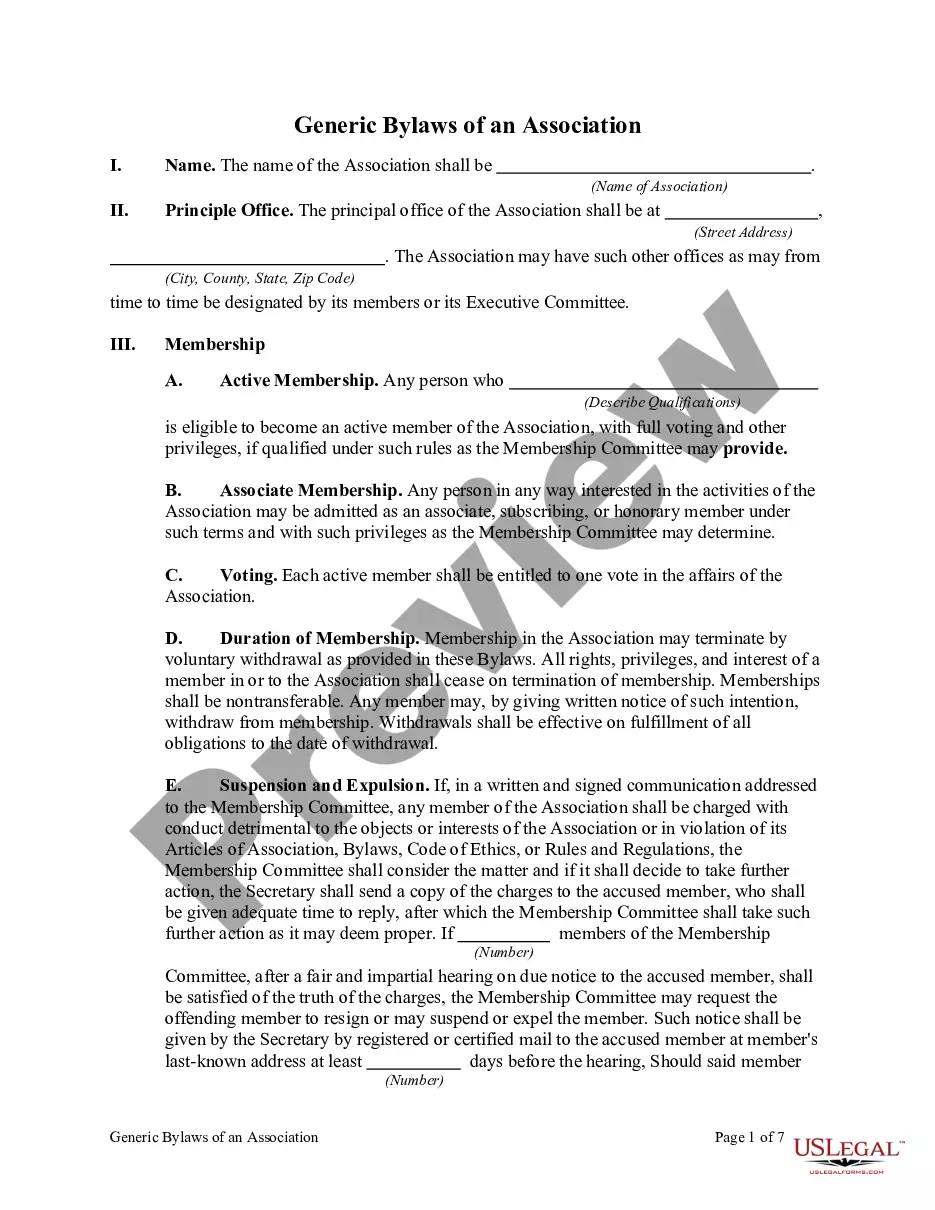
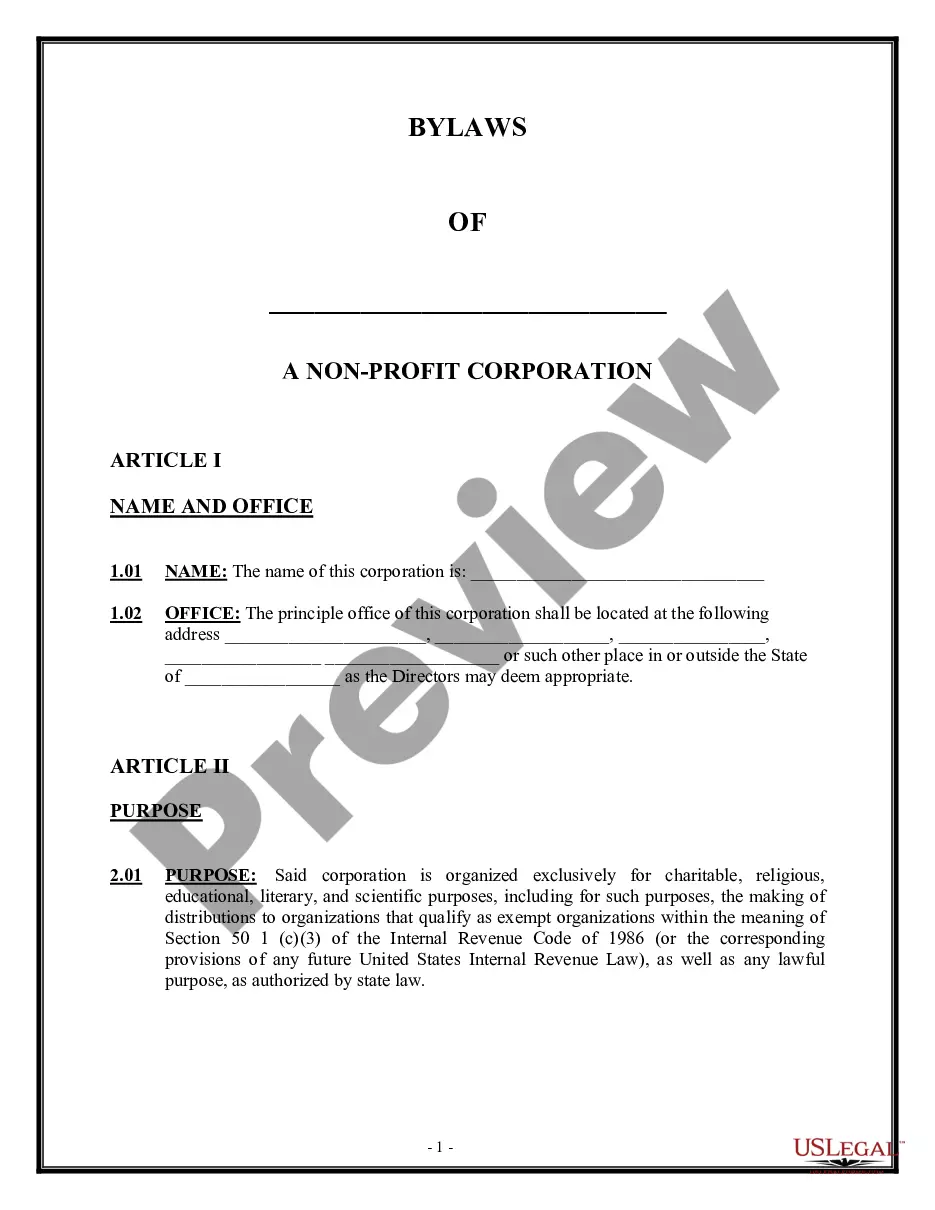
Property Owners Association Bylaws With Secretary Of State In Mecklenburg
Description


Form popularity
FAQ
In North Carolina, the establishment of an HOA requires a clear set of steps, starting with the creation of a Declaration of Covenants, Conditions, and Restrictions (CC&Rs). This legal document outlines the community standards, rights, and responsibilities of the HOA and its members.
Subdivisions with homeowners' associations established after Jan. 1, 1999, are governed by the North Carolina Planned Community Act found in Chapter 47F of the North Carolina General Statutes. However, no state or federal agency oversees homeowners' associations.
In North Carolina, HOA bylaws do not need to be recorded with the state. However, certain documents, like the declaration of covenants, conditions, and restrictions (CC&Rs), typically must be filed with the relevant county's Register of Deeds.
How to Form an HOA in North Carolina. ing to Section 47F-2-101 of the North Carolina Planned Community Act, a planned community can be created by executing a declaration in the same manner as a deed. This declaration must be recorded in all the counties where any part of the community is situated.
However, no state or federal agency oversees homeowners' associations. If you are unhappy with a decision made by the homeowners' association board, you can ask the board to review the problem or consider consulting with a private attorney.
In many states, covenants only last 30 years, becoming unenforceable after they expire. However, North Carolina isn't one of these states.
The local law supersedes the rules and regulations of the HOA, meaning that HOAs must ensure they are operating under the law.
No, there is not a way to ``leave the HOA'' without moving. The HOA covenants are tied to the property permanently.
Once you buy a home that's part of an HOA, you automatically become a member of the HOA. HOA rules are legally binding, and you must adhere to all rules and regulations in the governing document. Yes, there are bylaws that you may not like, but there are no HOA loopholes.
Where can I learn more about HOA law in NC? The HOA or planned community law is in Chapter 47F of the General Statutes. of the General Statutes. You can also learn more about HOAs at the NC Attorney General's website at .
