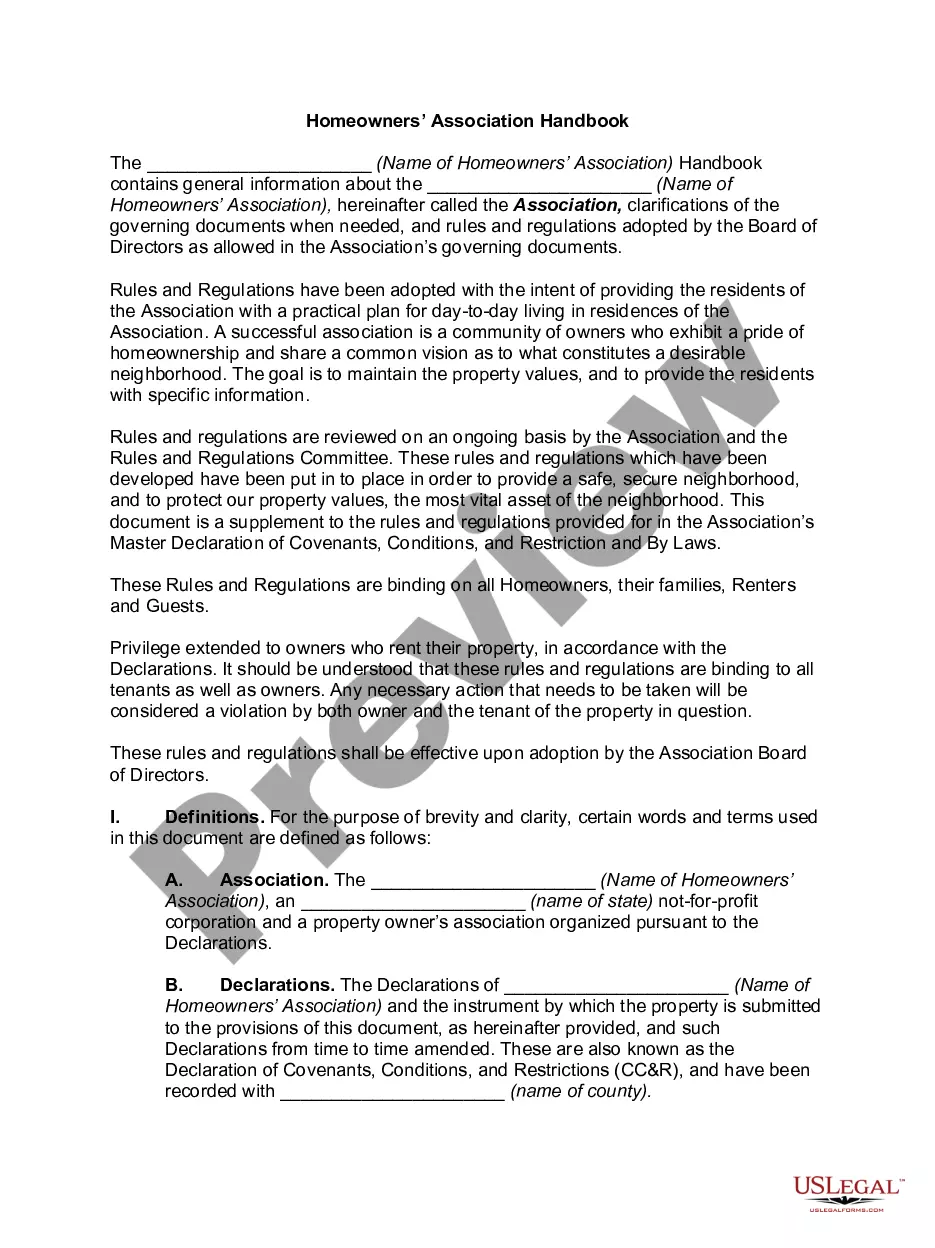
Hoa Bylaws Template With Lines In Mecklenburg
Description











Get your form ready online
Our built-in tools help you complete, sign, share, and store your documents in one place.
Make edits, fill in missing information, and update formatting in US Legal Forms—just like you would in MS Word.
Download a copy, print it, send it by email, or mail it via USPS—whatever works best for your next step.
Sign and collect signatures with our SignNow integration. Send to multiple recipients, set reminders, and more. Go Premium to unlock E-Sign.
If this form requires notarization, complete it online through a secure video call—no need to meet a notary in person or wait for an appointment.
We protect your documents and personal data by following strict security and privacy standards.

Make edits, fill in missing information, and update formatting in US Legal Forms—just like you would in MS Word.

Download a copy, print it, send it by email, or mail it via USPS—whatever works best for your next step.

Sign and collect signatures with our SignNow integration. Send to multiple recipients, set reminders, and more. Go Premium to unlock E-Sign.

If this form requires notarization, complete it online through a secure video call—no need to meet a notary in person or wait for an appointment.

We protect your documents and personal data by following strict security and privacy standards.
Looking for another form?

Form popularity
FAQ
Subdivisions with homeowners' associations established after Jan. 1, 1999, are governed by the North Carolina Planned Community Act found in Chapter 47F of the North Carolina General Statutes. However, no state or federal agency oversees homeowners' associations.
In many states, covenants only last 30 years, becoming unenforceable after they expire. However, North Carolina isn't one of these states.
The covenant agreement is recorded at the county Register of Deeds and runs in perpetuity with the deed to the property, thus protecting the historic resource for future generations.
In North Carolina, HOA bylaws do not need to be recorded with the state. However, certain documents, like the declaration of covenants, conditions, and restrictions (CC&Rs), typically must be filed with the relevant county's Register of Deeds.
Where can I learn more about HOA law in NC? The HOA or planned community law is in Chapter 47F of the General Statutes. of the General Statutes. You can also learn more about HOAs at the NC Attorney General's website at .
Duties and powers of an HOA's board, granted by the NCPCA and the community's declaration, include enforcement of covenants, adopting budgets, assessing and collecting member fees, maintaining and regulating commons areas, and acting on behalf of the association in legal matters. N.C. Gen. Stat. §47F-3-102.
What Is the Statute of Limitations for HOA and COA Liens in North Carolina? A lien for unpaid assessments is extinguished (eliminated) unless proceedings to enforce the lien are begun within three years after the claim of lien is filed. (N.C. Gen. Stat.
Key Takeaways. A homeowners association (HOA) is an organization that makes and enforces rules and guidelines for a subdivision, planned community, or inium building. HOA members are the residents of the subdivision, community, or building.
How to Form an HOA in North Carolina. ing to Section 47F-2-101 of the North Carolina Planned Community Act, a planned community can be created by executing a declaration in the same manner as a deed. This declaration must be recorded in all the counties where any part of the community is situated.
In many states, covenants only last 30 years, becoming unenforceable after they expire. However, North Carolina isn't one of these states.
