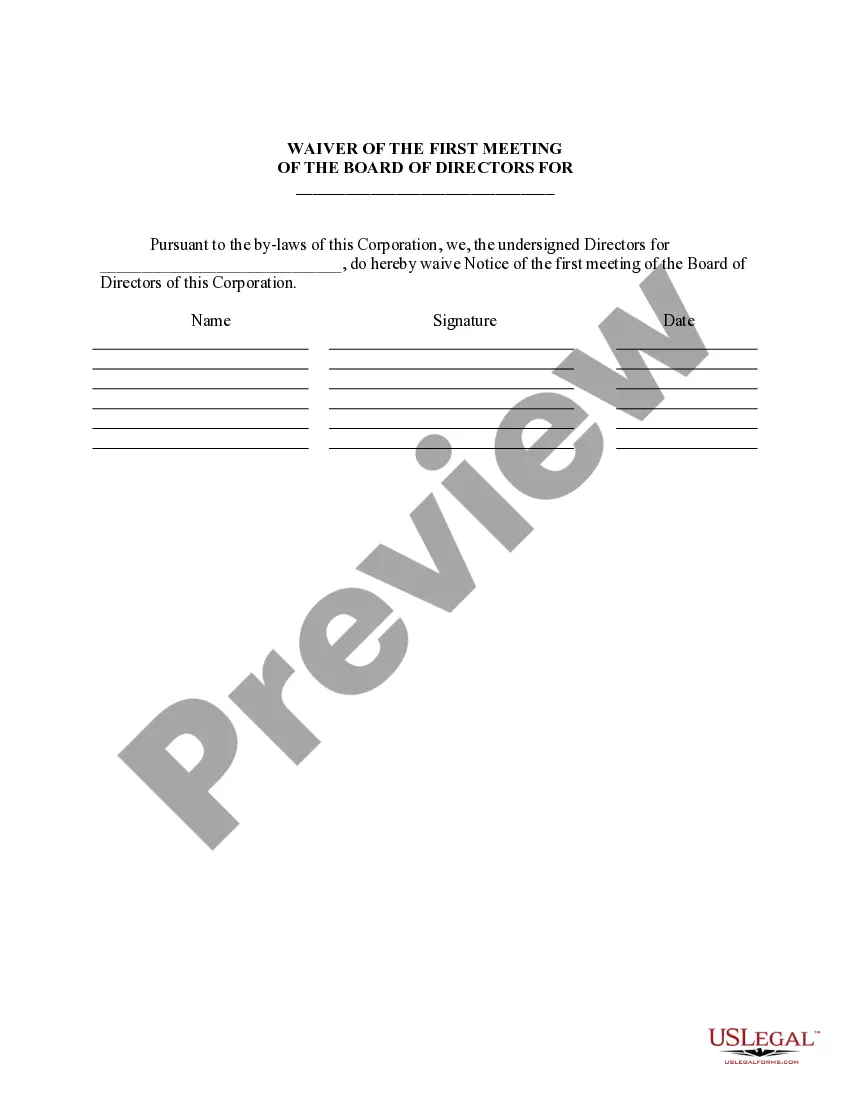
Hoa Rules For Plants In Massachusetts
Description











Get your form ready online
Our built-in tools help you complete, sign, share, and store your documents in one place.
Make edits, fill in missing information, and update formatting in US Legal Forms—just like you would in MS Word.
Download a copy, print it, send it by email, or mail it via USPS—whatever works best for your next step.
Sign and collect signatures with our SignNow integration. Send to multiple recipients, set reminders, and more. Go Premium to unlock E-Sign.
If this form requires notarization, complete it online through a secure video call—no need to meet a notary in person or wait for an appointment.
We protect your documents and personal data by following strict security and privacy standards.

Make edits, fill in missing information, and update formatting in US Legal Forms—just like you would in MS Word.

Download a copy, print it, send it by email, or mail it via USPS—whatever works best for your next step.

Sign and collect signatures with our SignNow integration. Send to multiple recipients, set reminders, and more. Go Premium to unlock E-Sign.

If this form requires notarization, complete it online through a secure video call—no need to meet a notary in person or wait for an appointment.

We protect your documents and personal data by following strict security and privacy standards.
Looking for another form?



Form popularity
FAQ
In Massachusetts, homeowners' associations, also called HOAs, are not governed by a particular law in the way that inium associations are. Generally, iniums are preferred by developers when trying to create housing arrangements with shared common spaces among different unit dwellers.
Dissolving an HOA is a complex process that typically requires: A supermajority vote from homeowners. Legal documentation to formally disband the HOA. Settlement of any outstanding debts or obligations. Approval from local or state authorities, depending on the community's location.
In the event of delinquent fees, inium associations are protected by a Massachusetts law that allows for inium super-liens. The Boston inium lawyers at Pulgini & Norton can help associations and unit owners understand the function of these super-liens.
Legal Framework Governing HOAs in Massachusetts In Massachusetts, homeowners' associations (HOAs) are subject to a robust legal framework. This framework not only aligns with federal regulations but also includes state-specific laws designed to regulate the formation, management, and operation of these associations.
Once you buy a home that's part of an HOA, you automatically become a member of the HOA. HOA rules are legally binding, and you must adhere to all rules and regulations in the governing document. Yes, there are bylaws that you may not like, but there are no HOA loopholes.
The local law supersedes the rules and regulations of the HOA, meaning that HOAs must ensure they are operating under the law.
The best way to strategize on short-term rental restrictions is to speak to a board member. At the same time, you can consult the CC&Rs' (Covenants, conditions, and restrictions) advice. Knowing the potential risks of getting around HOA's restrictions is important. And we highly recommend doing it the legal way.
What Are My Rights as a Condo Owner? As a condo owner, you have the right to use your unit as provided in the master deed – if it's a residential inium unit – in a way that allows you to maintain a reasonable standard of living as required by Massachusetts health, safety and building laws.
No, there is not a way to ``leave the HOA'' without moving. The HOA covenants are tied to the property permanently.