Corporation Rules For House Construction In Houston
Description

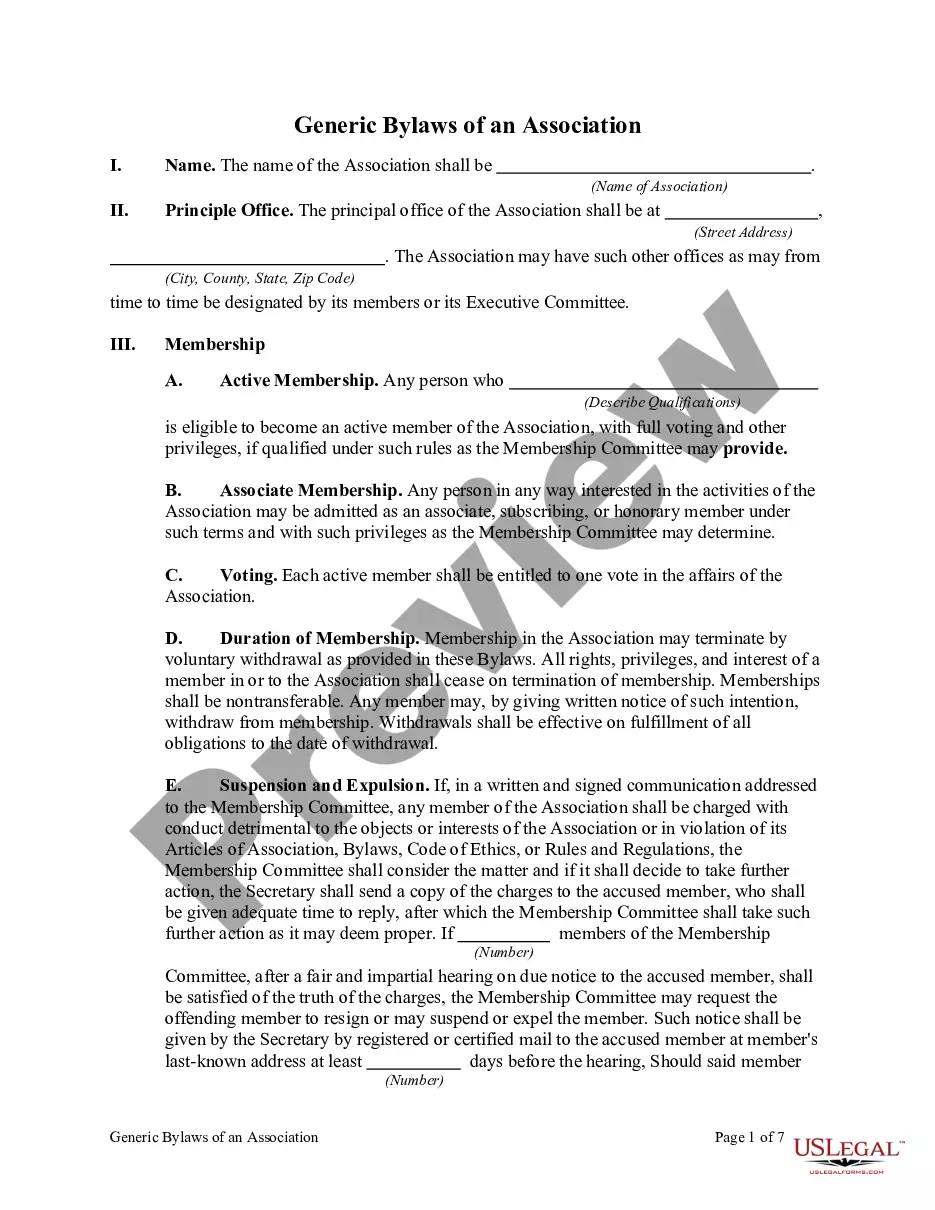
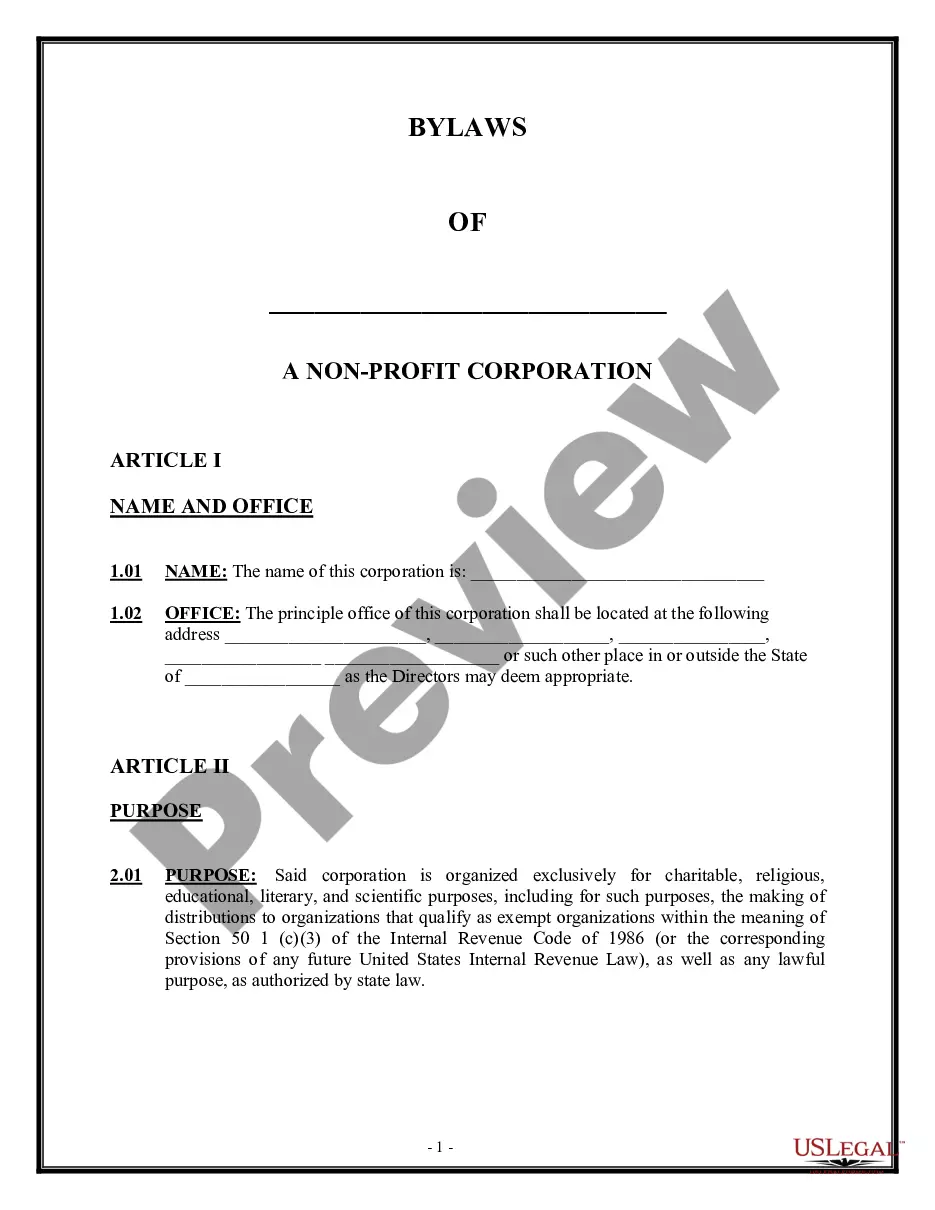
Get your form ready online
Our built-in tools help you complete, sign, share, and store your documents in one place.
Make edits, fill in missing information, and update formatting in US Legal Forms—just like you would in MS Word.
Download a copy, print it, send it by email, or mail it via USPS—whatever works best for your next step.
Sign and collect signatures with our SignNow integration. Send to multiple recipients, set reminders, and more. Go Premium to unlock E-Sign.
If this form requires notarization, complete it online through a secure video call—no need to meet a notary in person or wait for an appointment.
We protect your documents and personal data by following strict security and privacy standards.

Make edits, fill in missing information, and update formatting in US Legal Forms—just like you would in MS Word.

Download a copy, print it, send it by email, or mail it via USPS—whatever works best for your next step.

Sign and collect signatures with our SignNow integration. Send to multiple recipients, set reminders, and more. Go Premium to unlock E-Sign.

If this form requires notarization, complete it online through a secure video call—no need to meet a notary in person or wait for an appointment.

We protect your documents and personal data by following strict security and privacy standards.
Looking for another form?






Form popularity
FAQ
While the State of Texas does not require contractors to be licensed, builders should check with the applicable city, county and/or Homeowner Association regarding any local regulations regarding contractor oversight.
Houston does not require a general contractor license, but permits are needed on a job-by-job basis. Subcontractors and trades in Houston can obtain permits for: Demolition. Remodeling.
The building permit application process is completed via the iPermits portal. Once the application process is complete, a project number will be assigned. The project number is a unique number that all of the permits associated with project will be pulled under.
Understanding General Building Permits A building permit is required for new construction, additions, alteration, change of occupancy, renovations, relocations, and repairs or rehabilitation of a building or structure. Electrical, Plumbing and A/C, and Heating may also be required.
Hire contractors who are licensed and insured. Texas does not require general contractors to be licensed or bonded, but they are required to be a state-registered business. Check with your local building department or consumer protection agency to find out about additional licensing requirements in your area.
Texas Handyman Limitations Most states put a financial limit on what you can do without a contractor's license – usually limiting jobs to $500, $1,000, or even $3,000. However, in Texas, that isn't the case. There are currently no limits on job size for unlicensed contractors.
Not all contractors in Texas need to hold a license. Whether or not you need a license depends on your trade and the area in which you're working.
A building permit is required for most residential projects inside the corporate city of Houston limits; these include, but are not limited to: Construction work on new or existing buildings. Remodeling (excluding painting, wallpapering)
Size and height: Usually, building permits are not required to build a small shed, less than 200 square feet and 15 feet high, in Texas. Location: Where the shed will be located is an important factor and covers the shed's proximity to other structures, among other restrictions.
