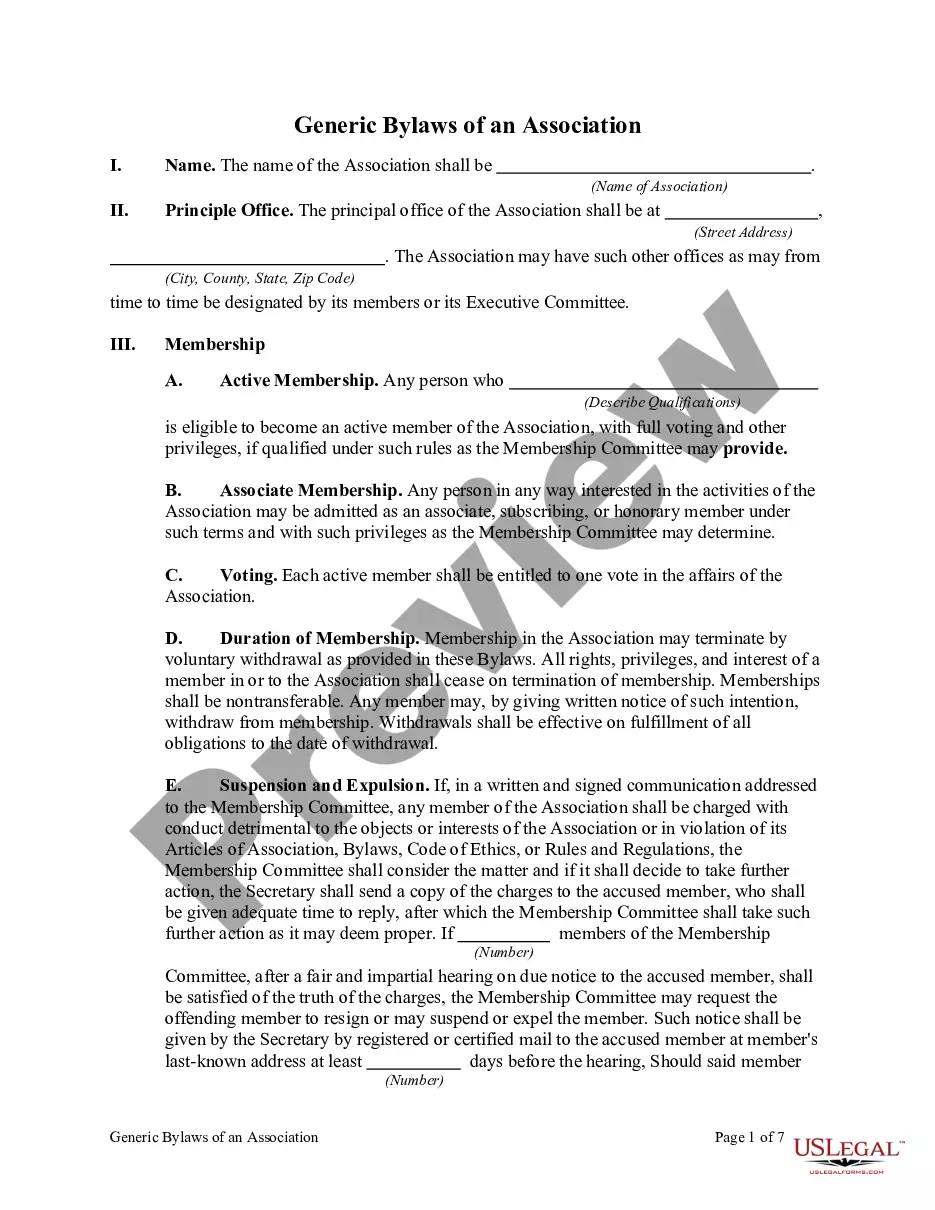
Hoa By Bylaws In Hillsborough
Description

Get your form ready online
Our built-in tools help you complete, sign, share, and store your documents in one place.
Make edits, fill in missing information, and update formatting in US Legal Forms—just like you would in MS Word.
Download a copy, print it, send it by email, or mail it via USPS—whatever works best for your next step.
Sign and collect signatures with our SignNow integration. Send to multiple recipients, set reminders, and more. Go Premium to unlock E-Sign.
If this form requires notarization, complete it online through a secure video call—no need to meet a notary in person or wait for an appointment.
We protect your documents and personal data by following strict security and privacy standards.

Make edits, fill in missing information, and update formatting in US Legal Forms—just like you would in MS Word.

Download a copy, print it, send it by email, or mail it via USPS—whatever works best for your next step.

Sign and collect signatures with our SignNow integration. Send to multiple recipients, set reminders, and more. Go Premium to unlock E-Sign.

If this form requires notarization, complete it online through a secure video call—no need to meet a notary in person or wait for an appointment.

We protect your documents and personal data by following strict security and privacy standards.
Looking for another form?








Form popularity
FAQ
In some states, such as California, HOA bylaws are considered public record and must be made available upon request.
Copies of the Articles of Incorporation and bylaws of the homeowners association can be obtained from the Florida Department of State, Division of Corporations. Copies of the governing documents may also be obtained directly from the homeowners association.
Start with Google and the County Assessor's Office For example, if your neighbor's home is for sale, Google their address and check the listing information. Often, the listing agent includes the subdivision name and possibly the HOA's contact information.
How to Start an HOA in 13 Steps 1) Connect with your neighbors. 2) Read up on your local laws and procedures. 3) Research other HOAs. 4) Build out your team. 5) Determine your HOA's wants, needs and goals. 6) Budget & determine fees. 7) Get insurance! 8) Draft your governing documents.
Generally speaking, most HOAs can control anything that is visible from outside the house. So that includes anything that goes on outside, up to the siding, roofing, etc on the house itself. It wouldn't be too far of a stretch to assume they would have requirements for backyard items.
You can contact your local government office for assistance. For example, you can visit the California Attorney General's HOA Consumer Information page for more details. Online Databases: There are online databases and resources that compile HOA documents. These can be helpful if your HOA participates in such programs.
Most HOA documents are public record, including governing documents. Some states only require the HOA to make certain documents public, while others can be kept confidential. These confidential records can include things like board meeting minutes, financial records, and insurance claims.
Section 4900 of the Act says that all HOA board meetings must be open to all association members, with a few exceptions for private sessions. In California, executive sessions are closed-door talks that only board members, and certain other people can attend.
Florida House Bill 1203 introduces substantial reforms aimed at increasing transparency and accountability within HOAs. This bill mandates the online posting of governing documents, including covenants, restrictions, and financial records, ensuring that you, as a homeowner, have easy access to critical information.
The Florida Department of Business and Professional Regulation (DBPR) is primarily responsible for overseeing iniums, cooperatives, timeshares, and mobile homes through its Division of Florida iniums, Timeshares, and Mobile Homes.
